company-culture


Foundations: Games, Rationality, and Traps In organizations, strategies and execution are interdependent. Outcomes depend not just on what you do, but on what others do, and what they expect you to…

A lesson in leadership by Satya Nadella When I was Promoted to Technical Fellow, I was “invited to the room”, joining Microsoft’s other Senior Executives. It was really something. Achieving t…

How leaders can build a culture where employees feel valued.

Everyone loves a good relationship theory, especially one that feels uncannily accurate. This one hit home for anyone who hates their job.

Sixty days with the AI coding decacorn

Picture this: A Slack channel for an open-source project that prominently displays "Be excellent to each other" in its community guidelines. Six month

Leaders spend too much time on tone and narrative. Instead, they need to model the new culture they’re trying to create.

Getting assigned to your first sub doesn't make you a submariner and once you become one you'll find yourself in a social structure unlike any other.

A retrospective of an eight-year stint.

For over a decade, a $20bn manufacturer has been conducting a radical experiment. No one has a boss or takes orders. Their decisions are guided by one thing, an internal currency system called Will

Personal writing and other things by Nabeel Qureshi.

Anna Binder, Asana's Head of People and the company's first HR hire, shares her step-by-step approach to intentionally building the company culture.

From “lie flat” to “let it rot,” common terms have taken on new meaning in recent years.

Richard Bookstaber was Salomon Brothers’ chief risk officer in 1997 when the firm was bought by Travelers and merged with Smith Barney, Travelers’ retail brokerage. He describes the resulting clash of cultures.
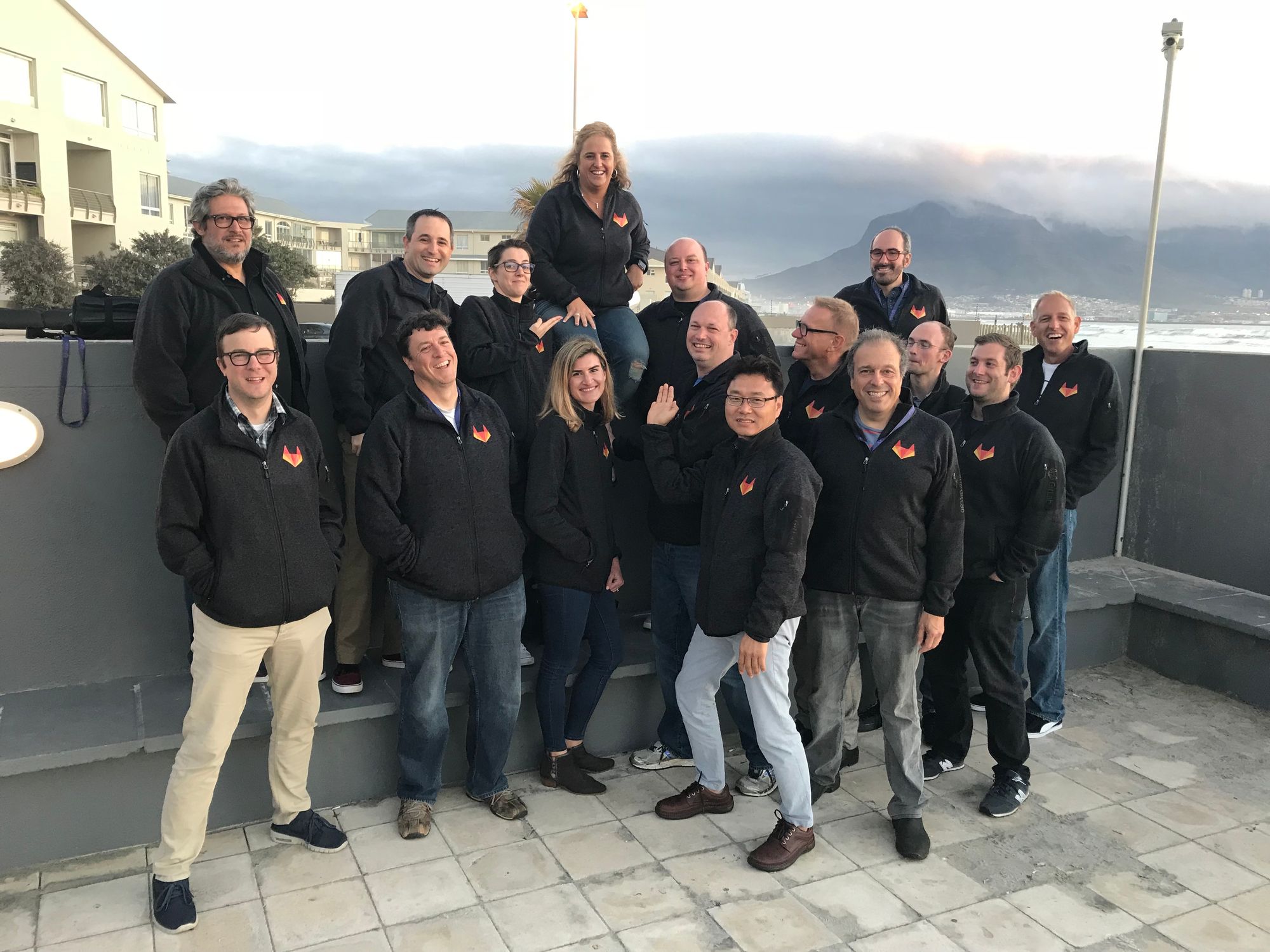
After a little over 5 years, I'm going to be leaving GitLab for my next adventure. It's no surprise to those of you who have been following me that I have absolutely loved my time there. I'm so proud of what we built—and I'm still proud and awed by

How can you tell the companies who are earnestly trying to improve apart from the ones who sound all polished and healthy from the outside, whilst rotting on the inside? This seems to be on a lot o…

Whether it’s caused by culture clash, cultural inertia, or total toxic collapse, broken culture syndrome can sink an organization. But there’s a way out.
An Imperfect Recipe

A few years ago, Google decided to research what was the key ingredient that made some software teams at the company more successful than others. Much to their surprise the key trait that was most correlated with successful teams wasn’t technical prowess, personalities or the educational background of the team members. Instead it was the notion of psychological safety — “ a shared belief held by members of a team that the team is safe for interpersonal risk-taking.’’

Do you rely too heavily on product management to ensure your product is successful? Joe Kinsella explores the importance of everyone in a startup being in PM.

Product is at the epicenter of everything a product led growth (PLG) company does. So how does the product organization and its PMs need to adapt? Find out here.

For your business to survive, it needs character and purpose.
Hello, my name is Andrew, and I can’t stop disagreeing.

During my tenure at LinkedIn, I’ve held a wide variety of roles and responsibilities within the company. Some are fairly public (as described on my LinkedIn profile). Others are the the typ…

Culture isn’t about whether you’re a startup or a Fortune 500 giant. It’s about values and mindset. It’s about how you approach the decisions you make.

Our overriding objective is excellence. When we say excellence, we mean constant improvement. Our mission of understanding how the world’s markets and economies work requires an extraordinary team, defined by the best individuals and the best portfolio of people, operating in an idea meritocracy, where we are uncompromising on our shared values of truth, integrity, determination, humility, and courage.

Innovative cultures are generally depicted as pretty fun. They’re characterized by a tolerance for failure and a willingness to experiment. They’re seen as being psychologically safe, highly collaborative, and nonhierarchical. And research suggests that these behaviors translate into better innovative performance. But despite the fact that innovative cultures are desirable, and that most leaders claim to understand what they entail, they are hard to create and sustain. That’s because the easy-to-like behaviors that get so much attention are only one side of the coin. They must be counterbalanced by some tougher and frankly less fun behaviors: an intolerance for incompetence, rigorous discipline, brutal candor, a high level of individual accountability, and strong leadership. Unless the tensions created by this paradox are carefully managed, attempts to create an innovative culture will fail.
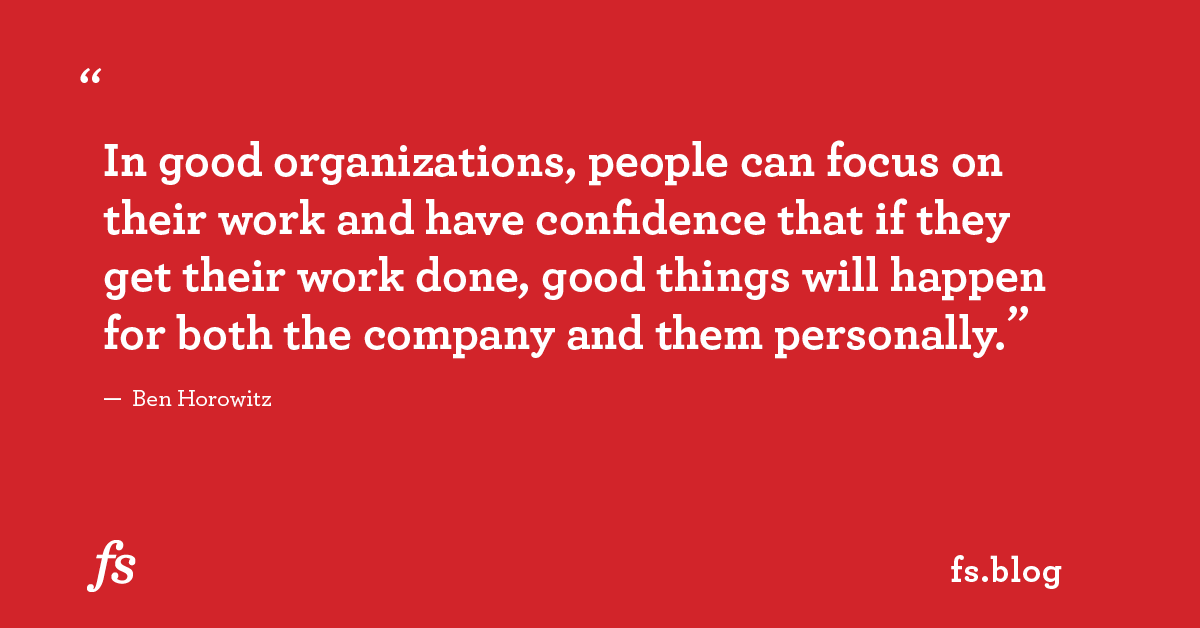
"In a poor organization ... people spend much of their time fighting organizational boundaries, infighting, and broken processes."

Jesse Powell, who leads the crypto exchange Kraken, has challenged the use of preferred pronouns, debated who can use racial slurs and called American women “brainwashed.”

Phrase bai lan gains popularity as severe competition and social expectations leave many young people despondent

GitLab Handbook Company About GitLab Values Mission Vision Strategy Communication Culture TeamOps CEO Readme Office of the CEO Key Reviews Group Conversations E-Group Weekly Environmental, Social, and Governance Handbook About the Handbook Handbook Changelog Handbook Roadmap Handbook Escalation Handbook Usage Contribution Guide Editing the handbook Handbook Style Guide Handbook maintenance People Group Anti-Harassment Policy Global Volunteer Month Hiring Inclusion & Diversity Labor and Employment Notices Leadership Learning & Development Onboarding Offboarding Spending Company Money Talent Assessment Team Member Relations Philosophy Total Rewards Tools and Tips Engineering Customer Support Department Development Department Incubation Engineering Department Infrastructure Department Quality Department Security Practices Open Source Security Product Security Security Operations Threat Management Security Assurance Marketing Team Member Social Media Policy Blog Brand and Product Marketing Enterprise Data Integrated Marketing Sales Development Marketing Operations and Analytics Growth Developer Relations Corporate Communications Sales Alliances Commercial Customer Success Customer Success Management Reseller Channels Field Operations Reporting Solutions Architecture Finance Accounts Payable Accounts Receivable Business Technology Expenses Financial Planning & Analysis Payroll Procurement Tax Board meetings Internal Audit Equity Compensation Product Release posts About the GitLab Product Being a Product Manager at GitLab Product Principles Product Processes Product sections, stages, groups, and categories Product Development Flow Product Development Timeline Data for Product Managers Product Pricing Model Corporate Development / Acquisitions UX Department Legal and Corporate Affairs Commercial Corporate Corporate Development Employment Environment, Social, and Governance (ESG) Operations Privacy Product Risk Management and Dispute Resolution Trade Compliance
Leadership Now is a leading source for leadership development and analysis. We believe that anyone can make a difference by leading from where they are.

Front's CEO and co-founder Mathilde Collin shares why a founder’s discipline matters more than vision, unveiling her own best practices and templates for communication, time management, fundraising and team building.

Molly Graham helped forge a work culture at Facebook that's withstood huge amounts of growth. Today, she's something of a rapid scaling expert. Here's the key to doing it right, she says.
:extract_focal()/https%3A%2F%2Fwww.nirandfar.com%2Fwp-content%2Fuploads%2F2019%2F11%2Fvintage_females_toxic_work_culture.jpg)
Feeling safe is the magic ingredient to a healthy work environment. In this article Nir discusses novel research on how to eliminate toxic work culture.

Simple questions that can speak volumes about your prospective employer.

Here are six practices to help your team ask for and give more help to each other.
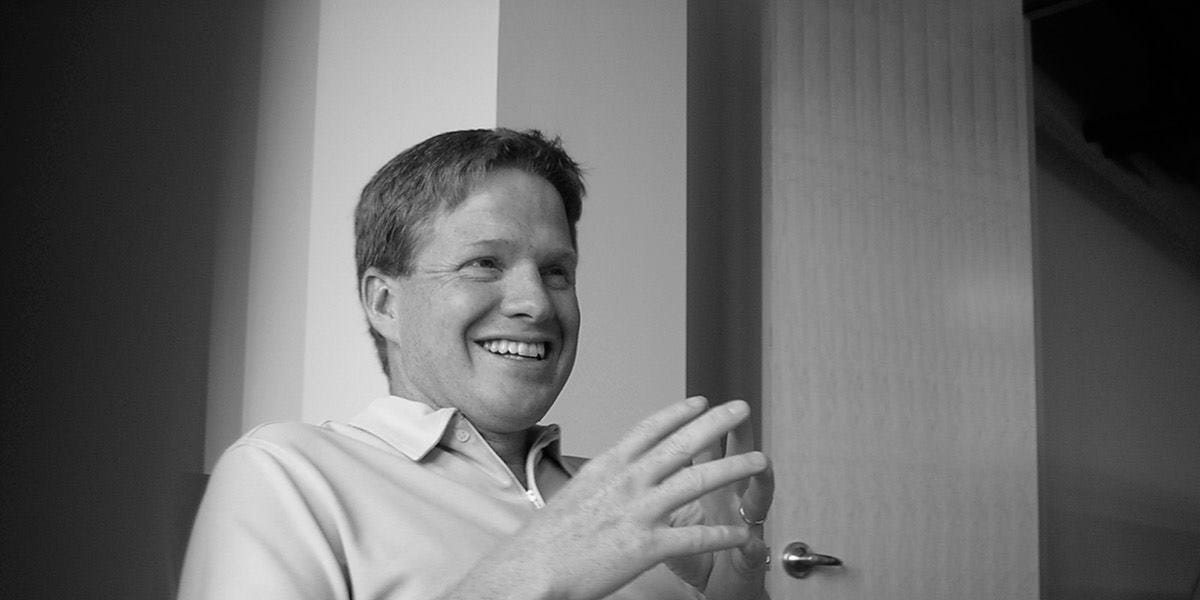
I learned from bosses & peers, including some famous peeps like Reed Hastings, Patty McCord, and Dan Rosensweig. But mainly I learned by doing, supercharged by feedback from many "Friends of Gib."
Hello, my name is Andrew, and I can’t stop disagreeing.

See a shorter, and updated version of this test here: The Pragmatic Engineer Test: 12 Questions on Engineering Culture [https://blog.pragmaticengineer.com/pragmatic-engineer-test/]. I've talked with dozens of software developers about what they like and dislike about their workplace - team, and company - professionally. I'm starting to see
As leader of the team, you have significant influence over your team

On Monday, October 21, 2013, I sent this letter to our entire team at Airbnb. I have decided to publish this in the event it is helpful to entrepreneurs building their cultures. Our next team meeting…
You just can't see what it's become.