deceit-deception

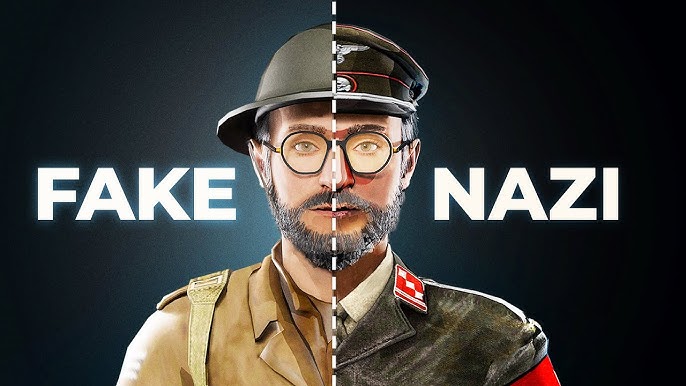
Juan Pujol García was one of the rare individuals whose participation in World War II made him a Member of the Order of the British Empire and earned him the Iron Cross. He gained that unlikely distinction in perhaps the riskiest of all roles in espionage, that of a double agent.

Conversations around misinformation that assume everyone cares about literal truth may be missing the point.
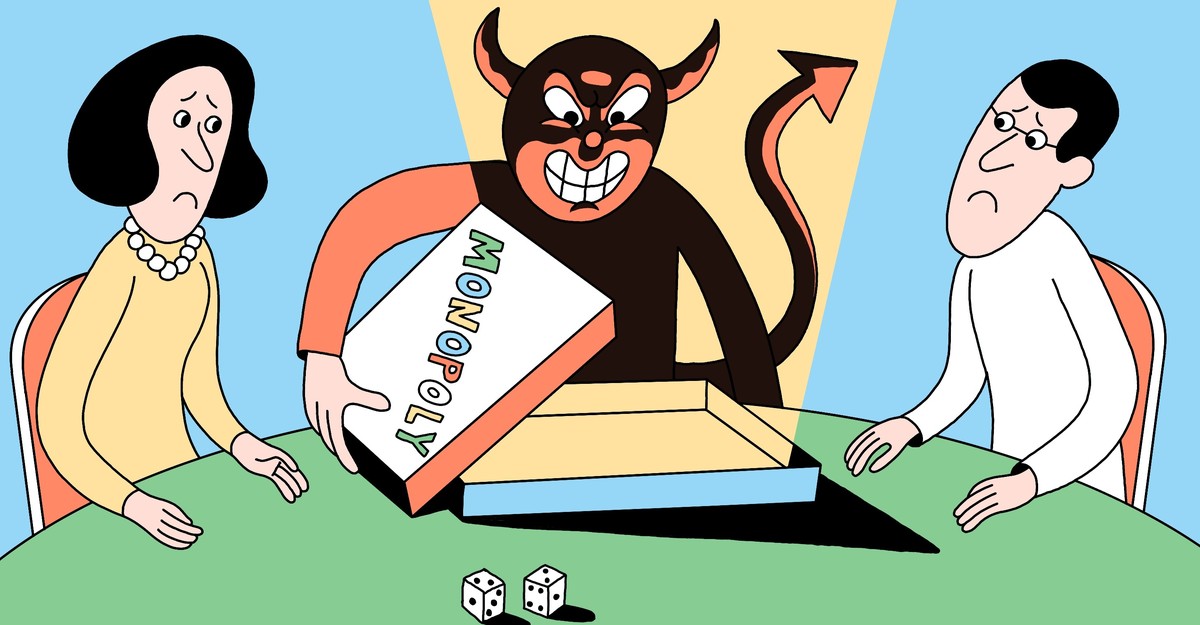
What can I say? I love to betray my friends.

UCSF’s Joseph Pierre, MD, unveils why even bright minds embrace false information. His new book, "False," dissects cognitive biases and our digital world’s role, offering a powerful three-step approach to navigate the post-truth era and rediscover common ground.

Mazi VS has become a major influencer by flaunting his expensive lifestyle and his big-winning wagers. Other gamblers say he can’t be what he seems.

Why are some Iraqis so good at figuring out when a person is lying?

Simply put, the Duchenne smile is genuine. But fake smiles are all around, and this is how you can tell the difference.

New research provides the first evidence for a theory first put forward in the 1970s

At 25, Stephen Glass was the most sought-after young reporter in the nation's capital, producing knockout articles for magazines ranging from iThe New Republic/i to iRolling Stone./i Trouble was, he made things up—sources, quotes, whole stories—in a breathtaking web of deception that emerged as the most sustained fraud in modern journalism.
/https://tf-cmsv2-smithsonianmag-media.s3.amazonaws.com/filer_public/b1/ca/b1caa6be-175b-4479-8abf-7c648eeeeca5/dhnwxp.jpg)
The terms “snake oil” and “snake-oil salesperson” are part of the vernacular thanks to Clark Stanley, a quack doctor who marketed a product for joint pain in the late 19th century
:extract_focal()/https%3A%2F%2Fs3.amazonaws.com%2Fpocket-collectionapi-prod-images%2F088c1288-764e-42ca-95c3-2b2ff8586217.jpeg)
Venture inside the minds of some of the greatest scammers.

Learn about dark patterns and ways of spotting them, no matter the type of the pattern apply. We will shed the light for you.
:extract_focal()/https%3A%2F%2Fs3.amazonaws.com%2Fpocket-collectionapi-prod-images%2F380ef6fd-85fd-4244-bacd-2d5a19779f08.jpeg)
The comedian and podcast host—and bonafide scam expert—shares her favorite capers, along with what makes them so irresistible.

Is that review real or fake? Most of us can't tell

That's according to a new paper in the British Journal of Social Psychology.
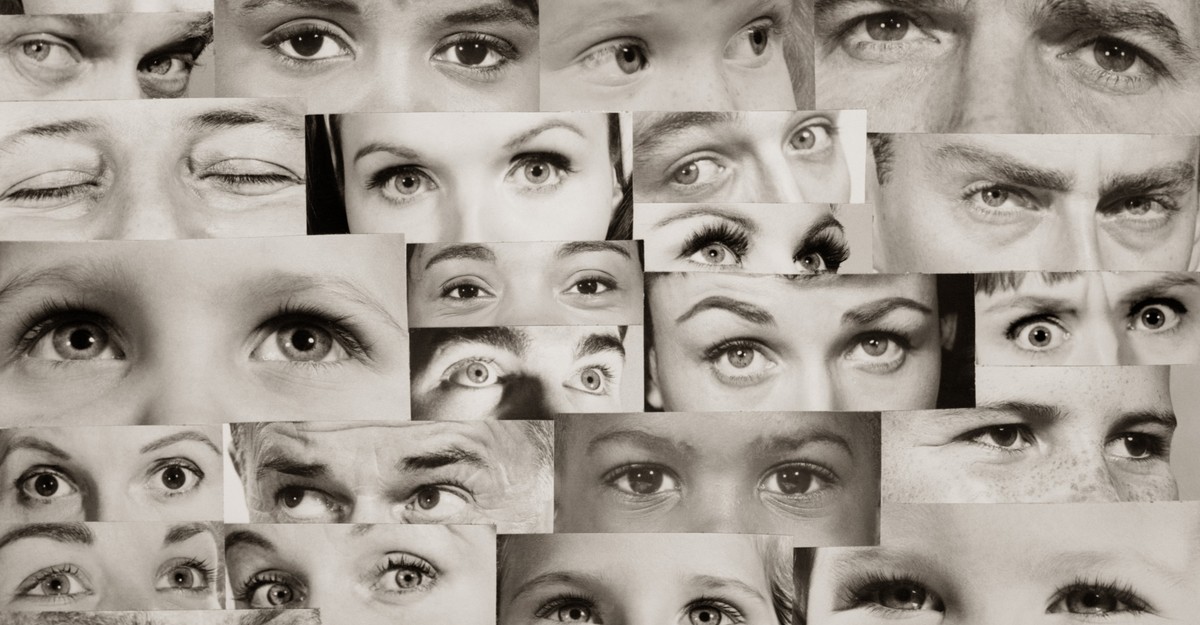
The conventional wisdom about how to spot a liar is all wrong.