fear

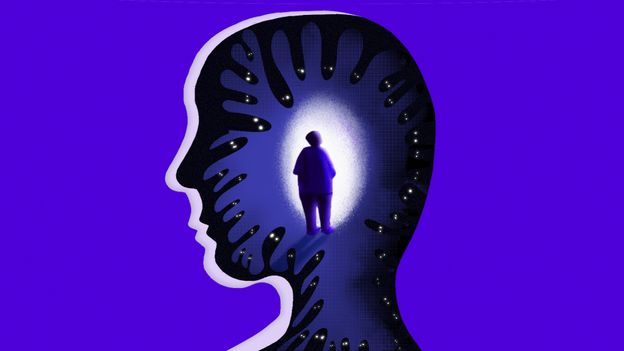
Feeling fear is an evolutionary survival tactic. A small number of people have a rare condition that means they're not scared of anything. How do they live a life without fear?

Treating anxiety, depression and other disorders may depend on the amygdala, a part of the brain that controls strong emotional reactions, especially fear. But a deep understanding of this structure has been lacking. Now scientists at the University of California, Davis have identified new clusters of cells with differing patterns of gene expression in the amygdala of humans and non-human primates. The work could lead to more targeted treatments for disorders such as anxiety that affect tens of millions of people.

Are babies oblivious to danger? It's not that simple, says cognitive scientist Shari Liu. Sharing surprising insights (and plenty of baby videos) from studies of early human development, Liu highlights the unexpected ways babies perceive and respond to risky situations — and what these findings could unravel about the inner workings of our minds.

Our research shows that coulrophobia, or fear of clowns, is mainly triggered by being unable to understand their facial expressions.
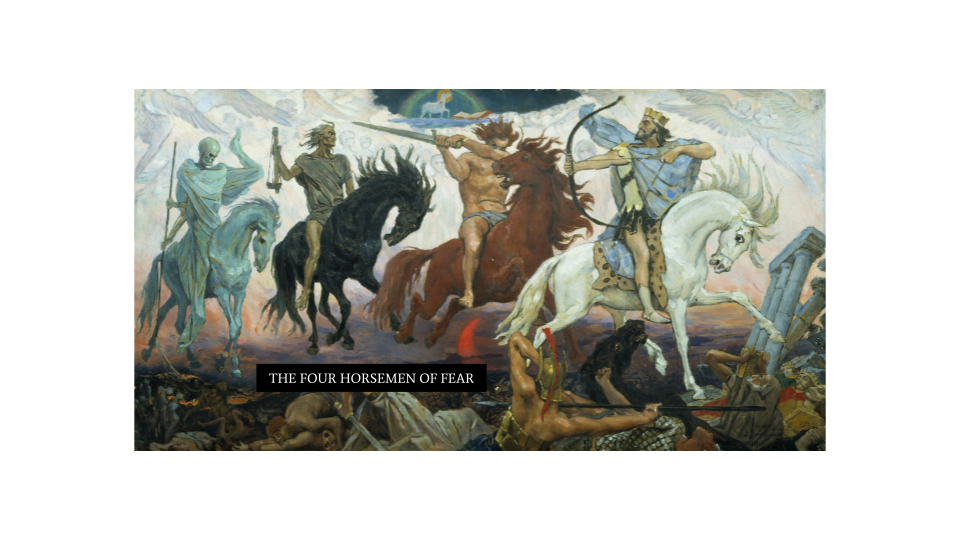
All fears can be divided into four broad categories which psychologists refer to as the four horsemen of fear: bodily, interpersonal, cognitive and behavioral fears. And each of the four horsemen of fear can be addressed by applying simple strategies.