packages

Understand the difference between apt and apt-get in Debian and Ubuntu. When to use each tool, how the commands map to each other, and which one belongs in your scripts.
uv’s speed comes from engineering decisions, not just Rust. Static metadata, dropping legacy formats, and standards that didn’t exist five years ago.

Released in 2024, uv is hands-down the best tool for managing Python installations and dependencies. Here's why.
For the last ten years or so of working on Bundler, I’ve had a wish rattling around: I want a better dependency manager. It doesn’t just manage your gems, it manages your ruby versions, too. It doesn’t just manage your ruby versions, it installs pre-compiled rubies so you don’t have to wait for ruby to compile from source every time. And more than all of that, it makes it completely trivial to run any script or tool written in ruby, even if that script or tool needs a different ruby than your application does.
The universal packaging system from Fedora is popular among developers and desktop Linux users.
pyx is a Python-native package registry from the creators of uv.
This tutorial explains why Flatpak apps use so much disk space and are larger in size compared to traditional packages in Linux.
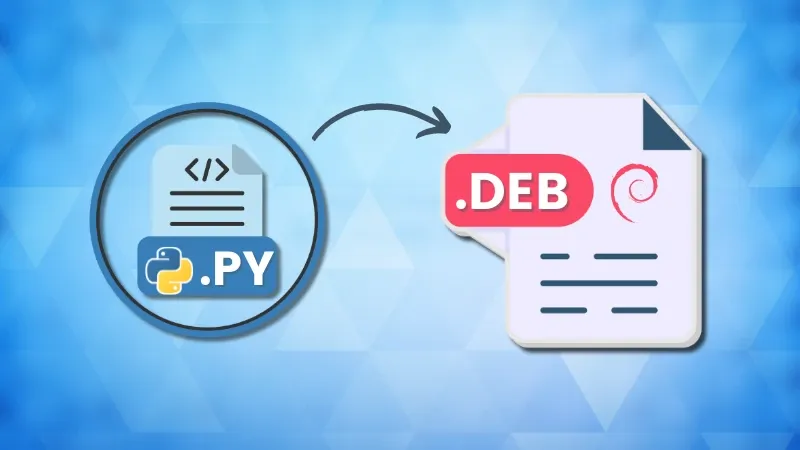
I am sharing how I packaged my python application into an executable .deb package in this tutorial.

Dependency resolution is something programmers usually take for granted. Be it cargo, npm, or whatever package manager you use, no one is actually surprised when this black-box figures out, all by itself, the specific set of packages that should be installed. To me, though, it is a fascinating feat. It feels magical when a machine solves an abstract problem like that, with minimal input from me as a user! I was, therefore, delighted when the nice folks at Prefix.

In the development scenario using JavaScript/TypeScript, it is unthinkable to build professional...

Both npm (Node Package Manager) and Yarn are popular package managers for JavaScript projects,...
The Python Package Index (PyPI) is a repository of software for the Python programming language.
.jpg)
Learn how the Nix package manager can help you make the development process more efficient and simpler.