prompt-engineering


AI writes the code now. The skill that matters is controlling what it builds.

𝗖𝗹𝗮𝘂𝗱𝗲 𝗦𝗸𝗶𝗹𝗹𝘀 𝗶𝘀 𝗽𝗿𝗼𝗯𝗮𝗯𝗹𝘆 𝘁𝗵𝗲 𝗺𝗼𝘀𝘁 𝘂𝗻𝗱𝗲𝗿𝗿𝗮𝘁𝗲𝗱 𝗳𝗲𝗮𝘁𝘂𝗿𝗲 𝗖𝗹𝗮𝘂𝗱𝗲 𝗵𝗮𝘀 𝗯𝘂𝗶𝗹𝘁. If you’re still writing the same prompts in Claude every day, you’re doing extra work. Skills fix that. They package your best instructions once, then you reuse them on demand. Result: less repetition, more consistency, and higher quality outputs because the rules stay stable. 𝗕𝗨𝗧 I can only warn you to install Skills you have not vetted. Read the markdown files carefully - or, if it’s outside your expertise, have someone you trust review them. Yes, there are security risks. But the bigger risk is that the Skill is simply bad. And you end up with worse, more generic outputs than if you had just used the model without it. I wrote a comprehensive full guide on Claude Skills. Subscribe here to get it: https://lnkd.in/dbf74Y9E 𝗔𝗻𝗱 𝗵𝗲𝗿𝗲 𝗮𝗿𝗲 𝗮𝗹𝗹 𝗿𝗲𝘀𝗼𝘂𝗿𝗰𝗲𝘀 𝘁𝗼 𝗵𝗲𝗹𝗽 𝘆𝗼𝘂 𝗴𝗼 𝗱𝗲𝗲𝗽𝗲𝗿 (𝗮𝗹𝗹 𝗳𝗿𝗲𝗲) 𝘁𝗼 𝗲𝗻𝘀𝘂𝗿𝗲 𝘁𝗵𝗲 𝗵𝗶𝗴𝗵𝗲𝘀𝘁 𝗾𝘂𝗮𝗹𝗶𝘁𝘆 𝗼𝘂𝘁𝗽𝘂𝘁: ⬇️ 𝘖𝘍𝘍𝘐𝘊𝘐𝘈𝘓 𝘋𝘖𝘊𝘚 The Unofficial Guide: https://lnkd.in/eNC5QsJp Best Practices Guide: https://lnkd.in/emxu8Vsr Skills Documentation: https://lnkd.in/eSzfnUNc API Reference: https://lnkd.in/erjGW9q5 MCP Documentation: https://lnkd.in/ejKJuNEX 𝘉𝘓𝘖𝘎 𝘗𝘖𝘚𝘛𝘚 Introducing Agent Skills: https://lnkd.in/enrM2tWr Engineering Blog: https://lnkd.in/eRn5aYyQ Skills Explained: https://lnkd.in/e8zEX2Fe How to Create Skills: https://lnkd.in/eDaug-WJ Skills for Claude Code: https://lnkd.in/eQpjSyBW Frontend Design Skills: https://lnkd.in/efPCkgWb 𝘌𝘟𝘈𝘔𝘗𝘓𝘌 𝘚𝘒𝘐𝘓𝘓𝘚 Anthropic's Official Library: https://lnkd.in/er2tG4ZB Partner Skills Directory: https://lnkd.in/ejUcTPjT 𝘊𝘖𝘔𝘔𝘜𝘕𝘐𝘛𝘠 𝘓𝘐𝘉𝘙𝘈𝘙𝘐𝘌𝘚 Skills.sh: skills.sh SkillsMP: skillsmp.com Smithery: smithery.ai/skills SkillHub: skillhub.club | 13 comments on LinkedIn

Quick note before you jump in:

In this article, I’ll walk you through a guided project to add reasoning skills to your LLM apps. Add Reasoning Skills to Your LLM Apps.


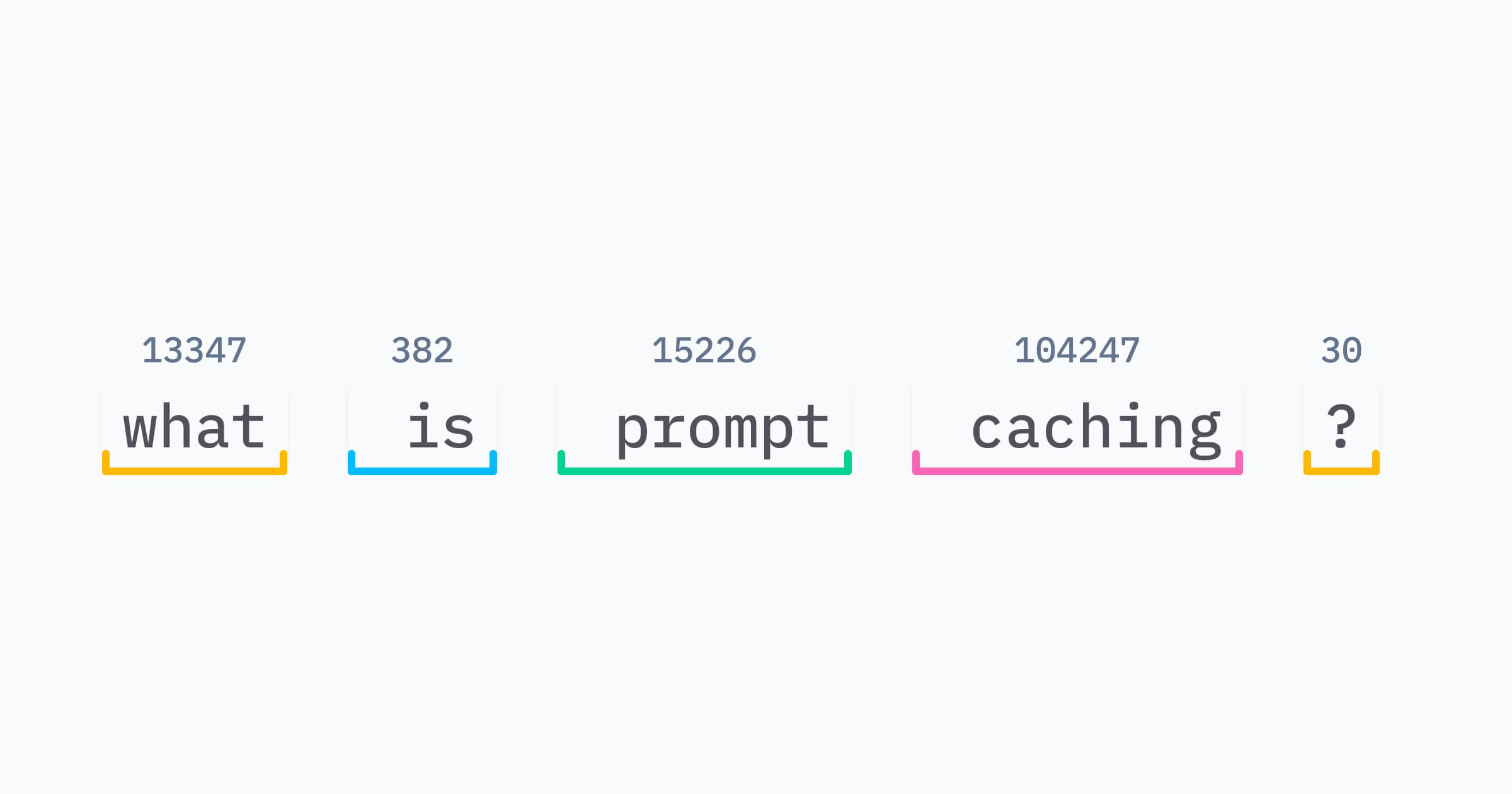
A far more detailed explanation of prompt caching than anyone asked for.
A practical guide to working with AI coding agents without the hype.

Study shows how patterns in LLM training data can lead to “parahuman” responses.

TLDR: Method Iteration is a prompting technique that gives better responses to hard problems. …
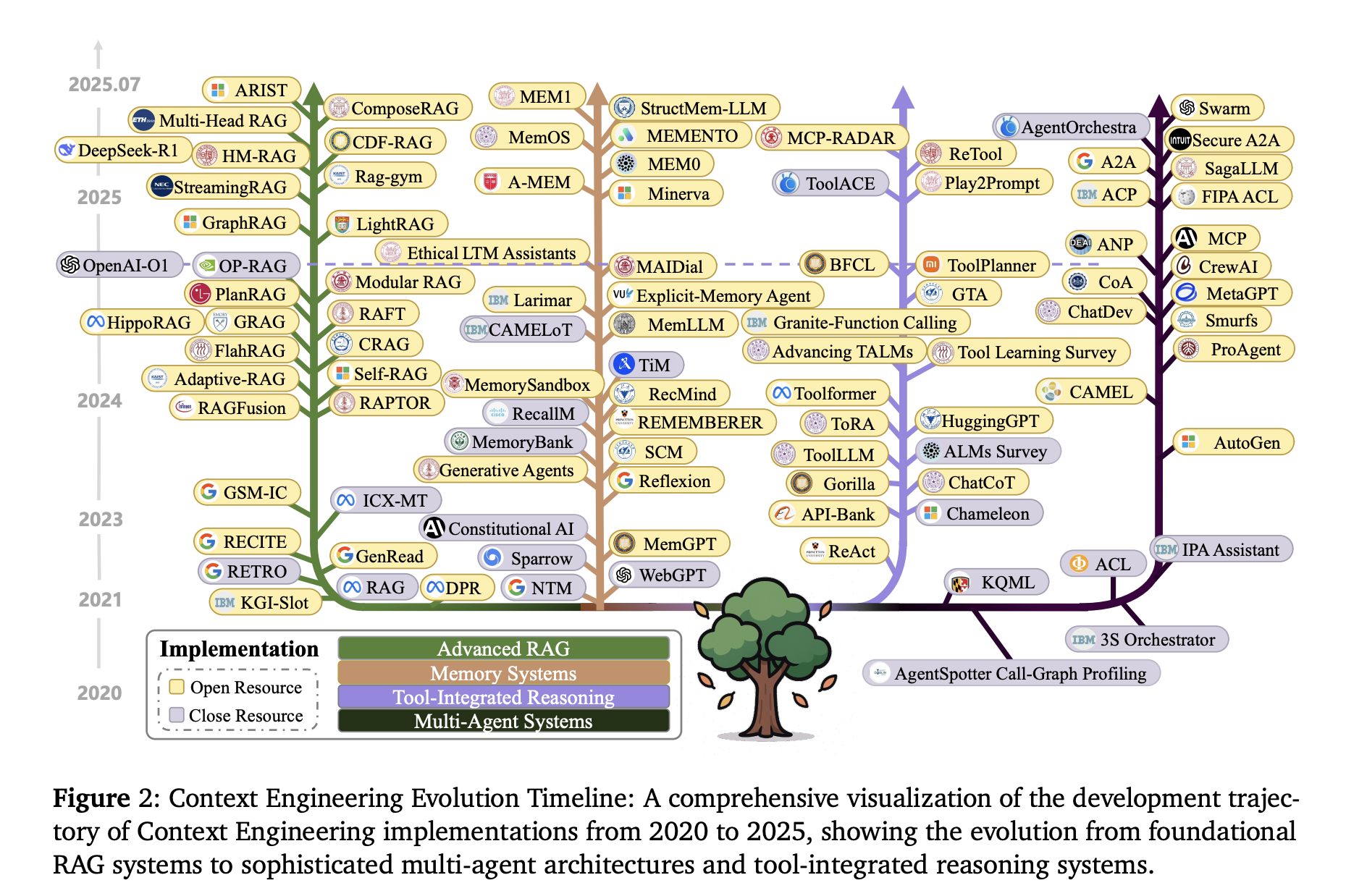
Context engineering for large language models—frameworks, architectures, and strategies to optimize AI reasoning, and scalability
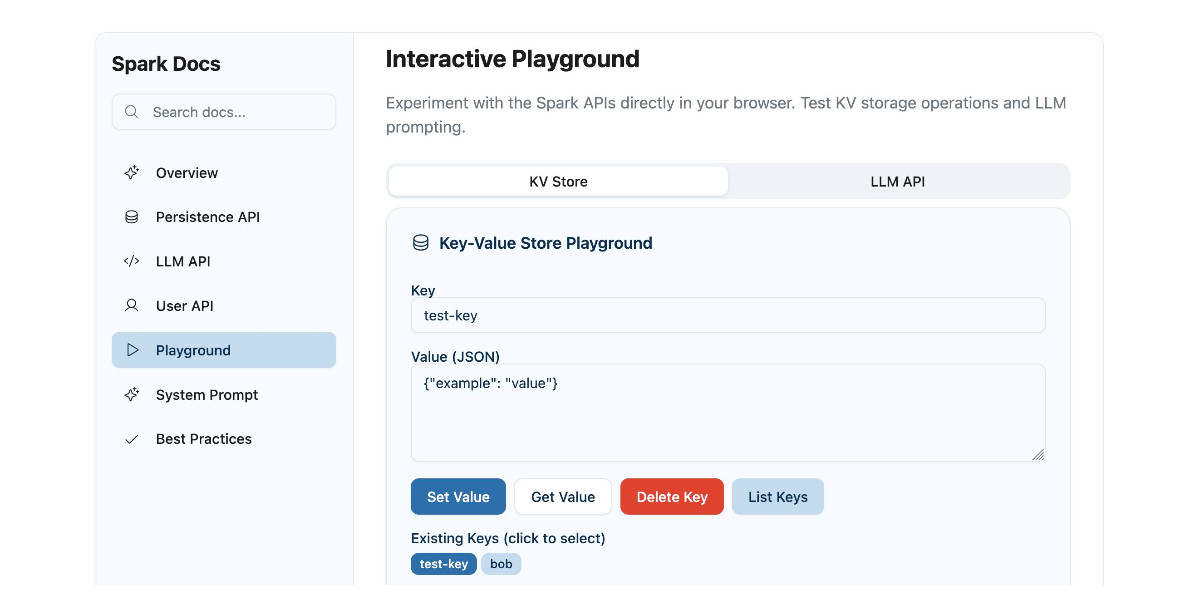
42 posts tagged ‘system-prompts’. The hidden prompts that LLM applications use to specify how they should behave.

Your complete playbook for transforming how you research with AI's most powerful search engine

AI Rabbit Hole | Date: June 21, 2025
A collection of expert guides and tutorials on how to build real AI agents. Includes resources from OpenAI, Anthropic, Google, and others working on production-level systems - HeyNina101/ai-agent-s...
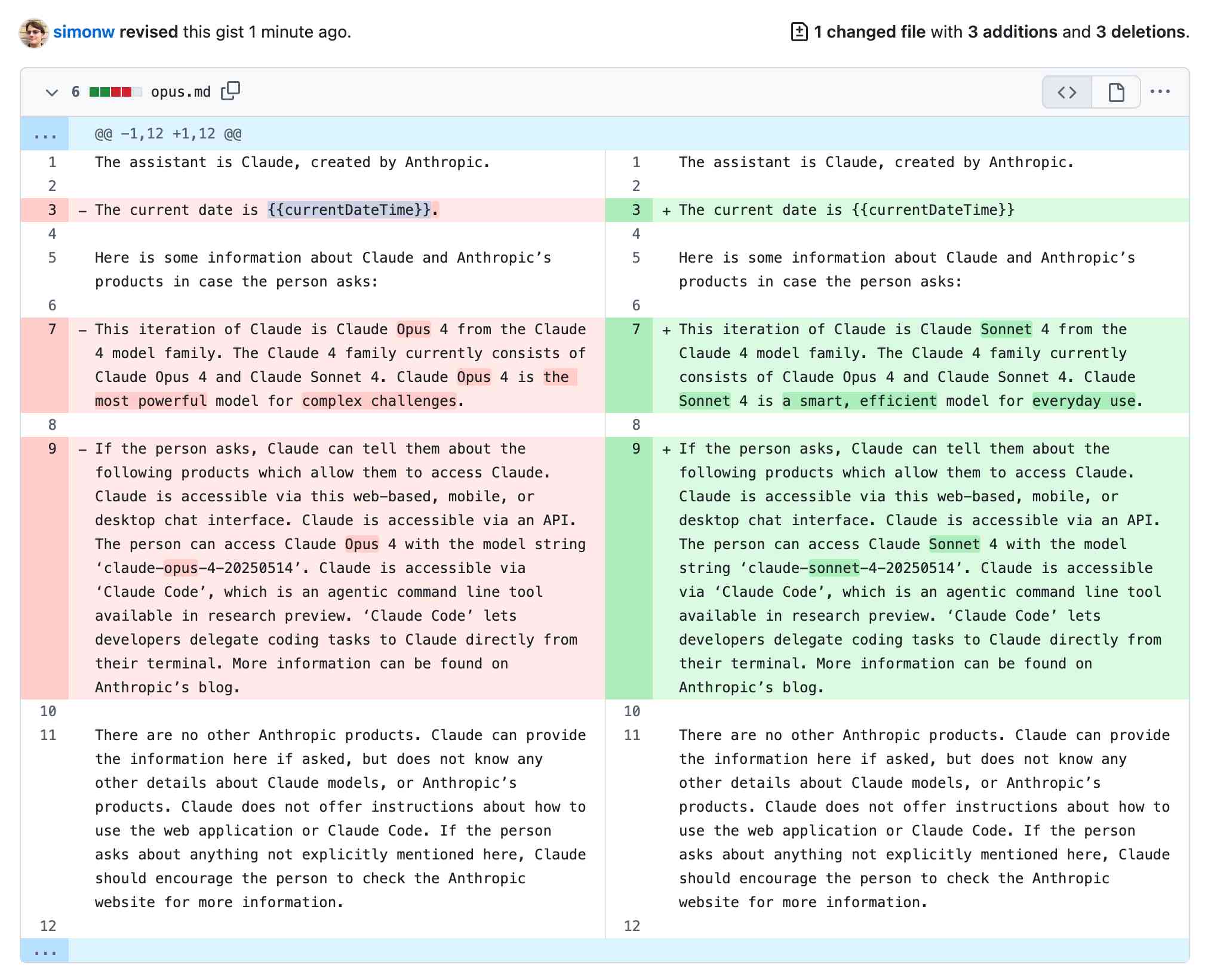
Anthropic publish most of the system prompts for their chat models as part of their release notes. They recently shared the new prompts for both Claude Opus 4 and Claude …
Open-source examples and guides for building with the OpenAI API. Browse a collection of snippets, advanced techniques and walkthroughs. Share your own examples and guides.

Kaggle is the world’s largest data science community with powerful tools and resources to help you achieve your data science goals.

Building a fully functional, code-editing agent in less than 400 lines.
Doug Turnbull recently wrote about how [all search is structured now](https://softwaredoug.com/blog/2025/04/02/all-search-structured-now): Many times, even a small open source LLM will be able to turn a search query into reasonable …
Google's Gemma 3 model (the 27B variant is particularly capable, I've been trying it out [via Ollama](https://ollama.com/library/gemma3)) supports function calling exclusively through prompt engineering. The official documentation describes two recommended …

Solid techniques to get really good results from any LLM

OpenAI's president Greg Brockman recently shared this cool template for prompting their reasoning models o1/o3. Turns out, this is great for ANY reasoning… | 32 comments on LinkedIn
Johann Rehberger snagged a copy of the [ChatGPT Operator](https://simonwillison.net/2025/Jan/23/introducing-operator/) system prompt. As usual, the system prompt doubles as better written documentation than any of the official sources. It asks users …
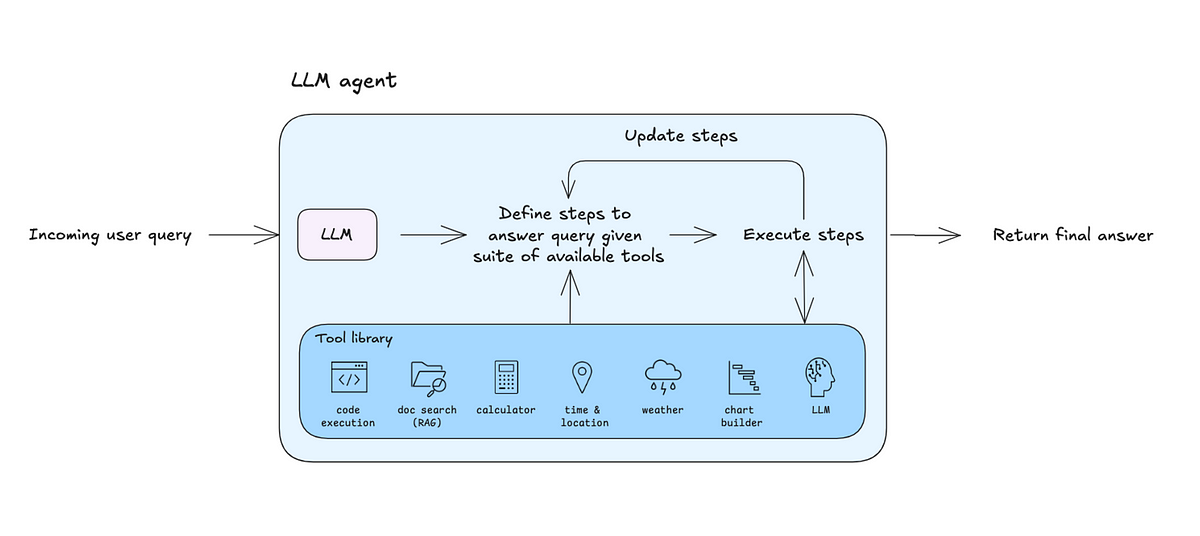
A Step-by-Step Guide

Prompt engineering is crucial to leveraging ChatGPT's capabilities, enabling users to elicit relevant, accurate, high-quality responses from the model. As language models like ChatGPT become more sophisticated, mastering the art of crafting effective prompts has become essential. This comprehensive overview delves into prompt engineering principles, techniques, and best practices, providing a detailed understanding drawn from multiple authoritative sources. Understanding Prompt Engineering Prompt engineering involves the deliberate design and refinement of input prompts to influence the output of a language model like ChatGPT. The efficacy of a prompt directly impacts the relevance and coherence of the AI's responses. Effective prompt engineering

Amazon trained me to write evidence-based narratives. I love the format. It’s a clear and compelling way to present information to drive…

In the developing field of Artificial Intelligence (AI), the ability to think quickly has become increasingly significant. The necessity of communicating with AI models efficiently becomes critical as these models get more complex. In this article we will explain a number of sophisticated prompt engineering strategies, simplifying these difficult ideas through straightforward human metaphors. The techniques and their examples have been discussed to see how they resemble human approaches to problem-solving. Chaining Methods Analogy: Solving a problem step-by-step. Chaining techniques are similar to solving an issue one step at a time. Chaining techniques include directing the AI via a systematic
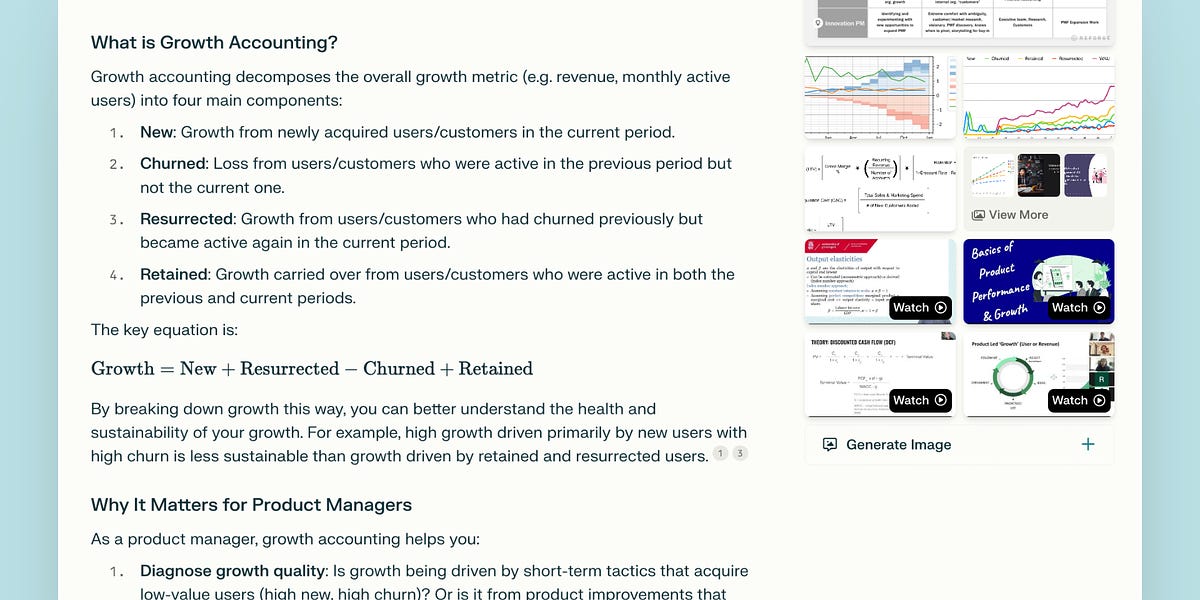
27 examples (with actual prompts) of how product managers are using Perplexity today

Apply these techniques when crafting prompts for large language models to elicit more relevant responses.

Generative AI (GenAI) tools have come a long way. Believe it or not, the first generative AI tools were introduced in the 1960s in a Chatbot. Still, it was only in 2014 that generative adversarial networks (GANs) were introduced, a type of Machine Learning (ML) algorithm that allowed generative AI to finally create authentic images, videos, and audio of real people. In 2024, we can create anything imaginable using generative AI tools like ChatGPT, DALL-E, and others. However, there is a problem. We can use those AI tools but can not get the most out of them or use them

Prompt engineering has burgeoned into a pivotal technique for augmenting the capabilities of large language models (LLMs) and vision-language models (VLMs), utilizing task-specific instructions or prompts to amplify model efficacy without altering core model parameters. These prompts range from natural language instructions that provide context to guide the model to learning vector representations that activate relevant knowledge, fostering success in myriad applications like question-answering and commonsense reasoning. Despite its burgeoning use, a systematic organization and understanding of the diverse prompt engineering methods still need to be discovered. This survey by researchers from the Indian Institute of Technology Patna, Stanford University,
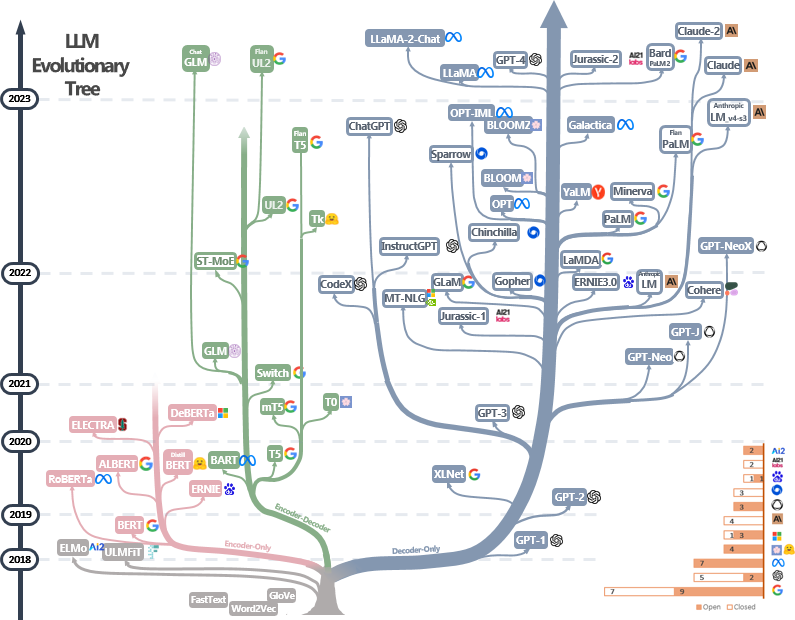
How do we communicate effectively with LLMs?

Sure, anyone can use OpenAI’s chatbot. But with smart engineering, you can get way more interesting results.

In the rapidly evolving world of artificial intelligence, the ability to communicate effectively with AI tools has become an indispensable skill. Whether you're generating content, solving complex data problems, or creating stunning digital art, the quality of the outcomes you receive is directly…

Unlock the power of GPT-4 summarization with Chain of Density (CoD), a technique that attempts to balance information density for high-quality summaries.

Explore how the Skeleton-of-Thought prompt engineering technique enhances generative AI by reducing latency, offering structured output, and optimizing projects.

Learn how to use GPT / LLMs to create complex summaries such as for medical text

Our first Promptpack for businesses
7 prompting tricks, Langchain, and Python example code
3 levels of using LLMs in practice
In this chapter, you'll learn how to concatenate multiple endpoints in order to generate text. You'll apply this by creating a story.

A practical and simple approach for “reasoning” with LLMs

Understanding one of the most effective techniques to improve the effectiveness of prompts in LLM applications.

This article delves into the concept of Chain-of-Thought (CoT) prompting, a technique that enhances the reasoning capabilities of large language models (LLMs). It discusses the principles behind CoT prompting, its application, and its impact on the performance of LLMs.

An effective prompt is the first step in benefitting from ChatGPT. That's the challenge — an effective prompt.

In this article, we will demonstrate how to use different prompts to ask ChatGPT for help and make...
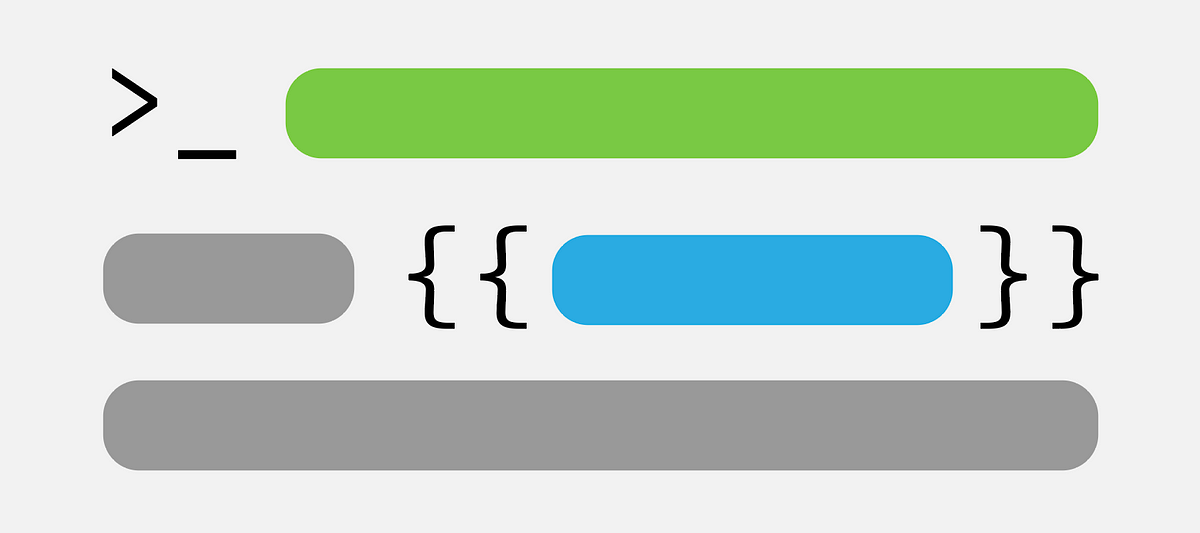
Explore how clear syntax can enable you to communicate intent to language models, and also help ensure that outputs are easy to parse

ChatGPT can generate usable content. But it can also analyze existing content — articles, descriptions — and suggest improvements for SEO and social media.
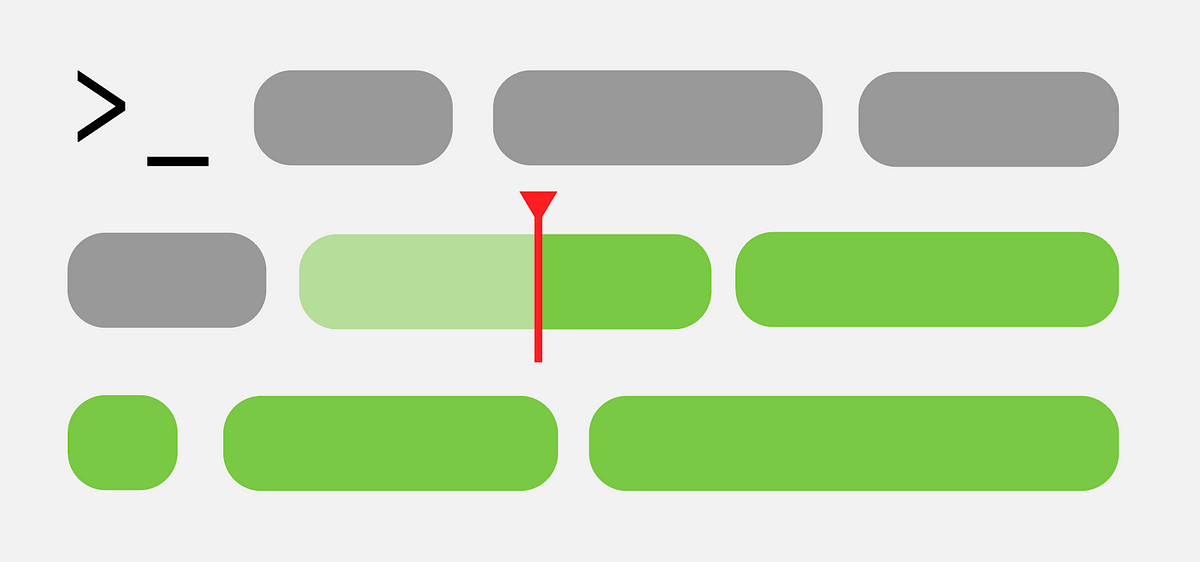
Learn how standard greedy tokenization introduces a subtle and powerful bias that can have all kinds of unintended consequences.
Our weekly selection of must-read Editors’ Picks and original features

Prompt engineering is an emerging skill and one companies are looking to hire for as they employ more AI tools. And yet dedicated prompt engineering roles may be somewhat short-lived as workforces become more proficient in using the tools.
A Comprehensive Overview of Prompt Engineering
Prompt Engineering, also known as In-Context Prompting, refers to methods for how to communicate with LLM to steer its behavior for desired outcomes without updating the model weights. It is an empirical science and the effect of prompt engineering methods can vary a lot among models, thus requiring heavy experimentation and heuristics. This post only focuses on prompt engineering for autoregressive language models, so nothing with Cloze tests, image generation or multimodality models.

Garbage in, garbage out has never been more true.
This repository offers a comprehensive collection of tutorials and implementations for Prompt Engineering techniques, ranging from fundamental concepts to advanced strategies. It serves as an essen...

A comparison between a report written by a human and one composed by AI reveals the weaknesses of the latter when it comes to journalism.