psychology

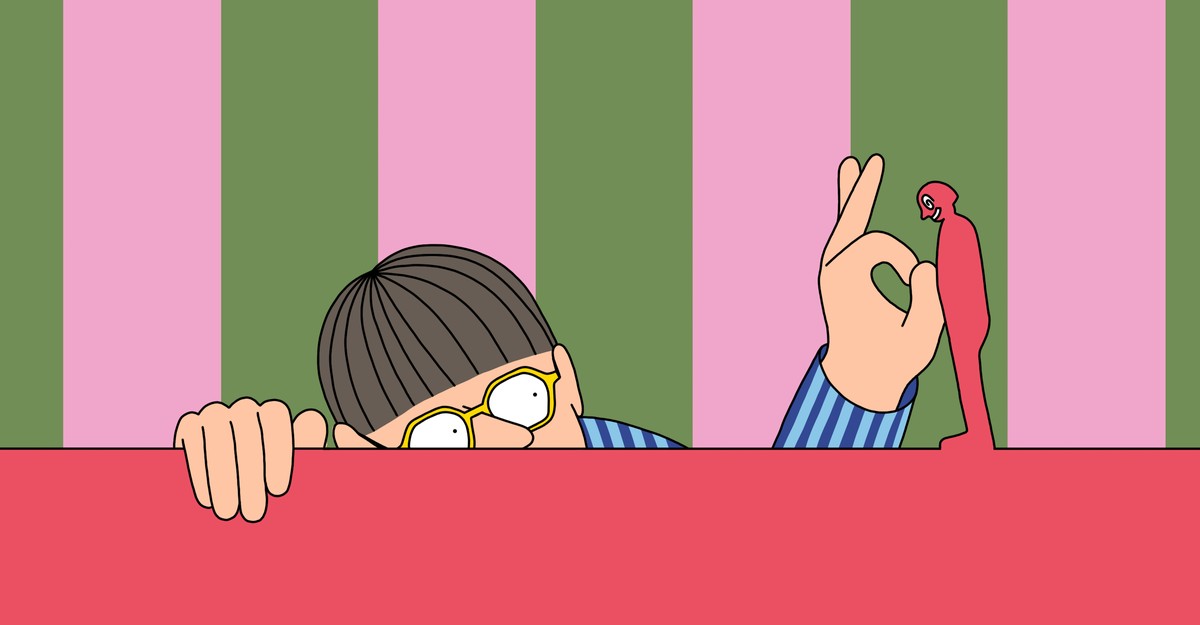
If you can recognize their signature move, then forewarned is forearmed.

Leslie Jamison reviews “Dress, Dreams, and Desire,” a new book by the fashion historian Valerie Steele, and discusses the accompanying exhibition at the Museum at the Fashion Institute of Technology, and the place that clothing had in the works of Freud and Lacan.

Many of us crave trivial details while ignoring much of the world around us. Research helps explain this selective curiosity

A differential diagnosis for the weird and the awkward

Rejection stings, but scientists suggest it’s more than just emotional pain. New research indicates our brains treat social slights as learning signals, helping us recalibrate who values us and shaping how we navigate relationships and future connections.
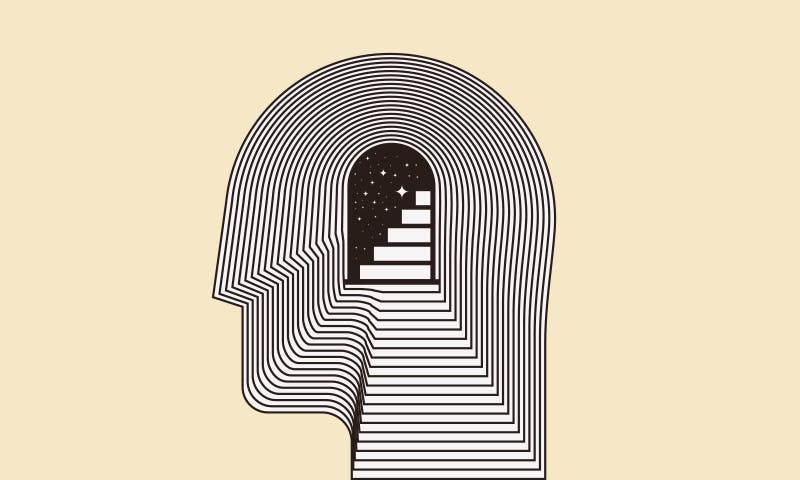
Neuroscientists can now explore the “wild west” in our heads in incredible detail—a boon to medicine and understanding what makes us tick.

Scientific research and historical accounts can help us identify and dissect the threat of ‘coercive persuasion’

Regardless of where you are in the pathway of understanding how the human psyche works, this list of must-read psychology books will upgrade your personal library.

A neuroscientist’s hunt for loneliness could help us better understand the costs of social isolation.

Iga Swiatek of Poland came out of nowhere to win the French Open in October. A sports psychologist was with her all the way.
Psychology and neuroscience are such rapidly growing fields of research, it’s easy to get confused. If you’ve sometimes been scratching your head trying to figure out who does what, this guide is for you. We will cover 40 major fields of psychology and neuroscience using plain language explanations.
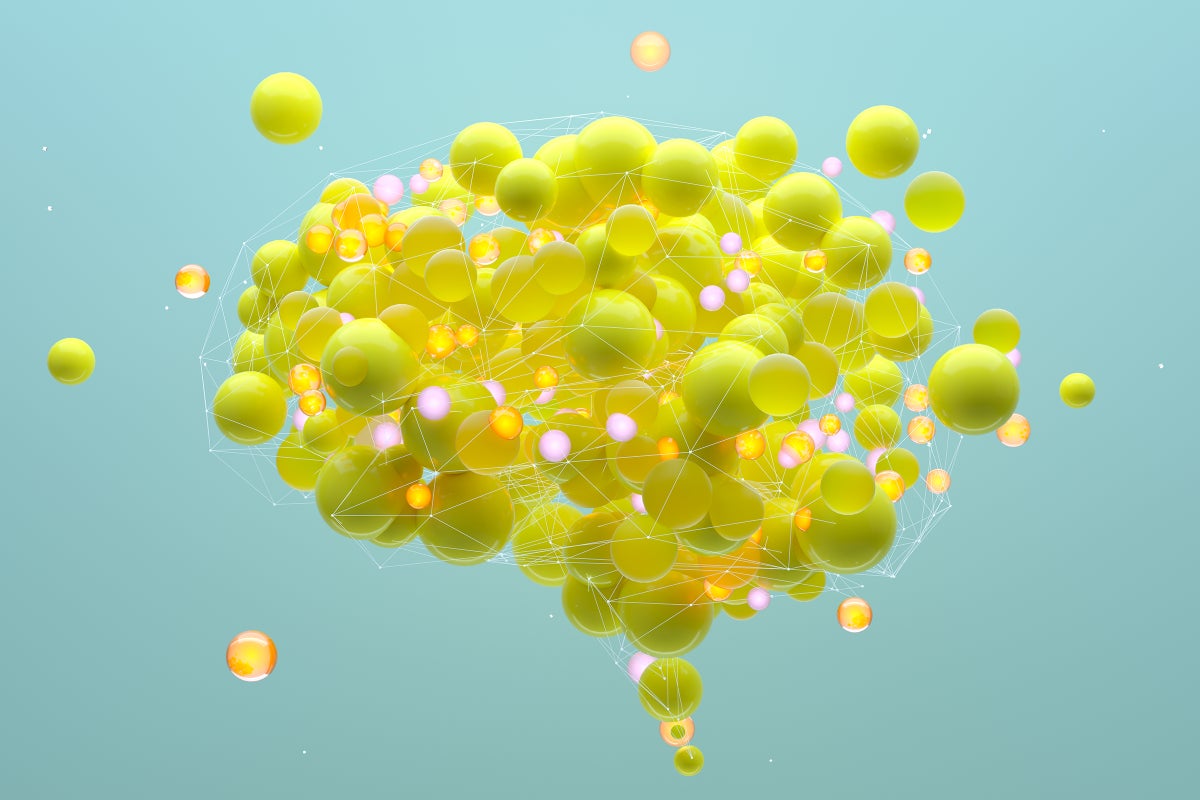
Scientists search for the neural basis of an enigmatic experience

Feeling stressed, irritable, or moody? Doing something productive with your hands might be just the thing that your brain and body need.

Most of us think that luck just happens (or doesn’t) but everyone can learn to look for the unexpected and find serendipity
And how to make it think differently.
:extract_focal()/https%3A%2F%2Fi2.wp.com%2Fdariusforoux.com%2Fwp-content%2Fuploads%2F2017%2F09%2Fassholes.png%3Ffit%3D665%252C499%26ssl%3D1)
Because some people never outgrow being bullies.
The condition has long been considered untreatable. Experts can spot it in a child as young as 3 or 4. But a new clinical approach offers hope.