whistleblowing

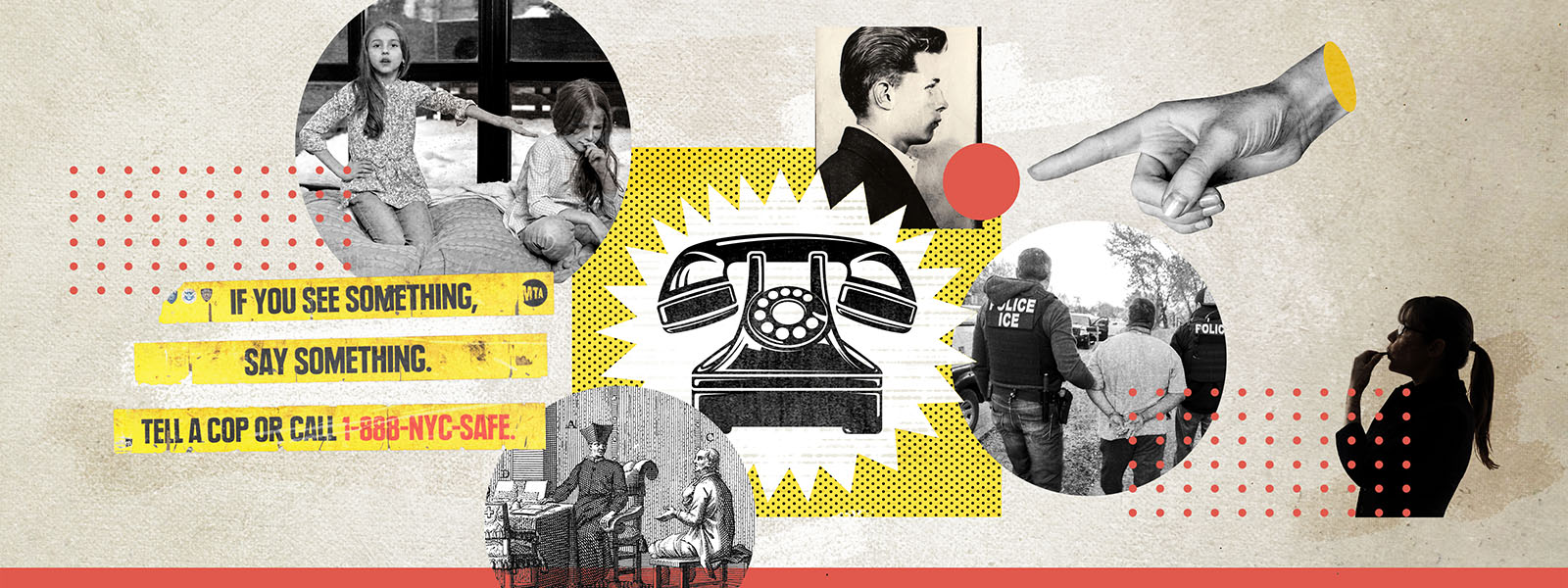
From tattling to whistleblowing, a sociologist explores what drives people to tell on one another

Traditional compliance tools aren’t enough. Behavioral science can help.
In the first Trump Administration, “they didn’t say ‘Fuck you’ to the courts,” Erez Reuveni said.

Why Don’t More People Support Whistleblowers? ...Legislatures Should Provide the Protections They Deserve [Author’s Note: I blew the whistle and was met with an experience so destructive that I did not have the words to describe what happened to me. I set out to learn if what happened to me is a known phenomenon and,

Why do issues remain open secrets in organizations, where multiple employees know about a problem or a concern, but no one publicly brings it up? Researchers recently explored this in a set of studies. They found that as issues become more common knowledge among frontline employees, the willingness of any individual employee to bring those issues to the attention of the top-management decreased. Instead of speaking up, what they observed among their participants was something like the bystander effect, a psychological phenomena describing how people stay on the sidelines as passive bystanders, waiting for others to act rather than do something themselves. If managers want to avoid the bystander effect so that problems don’t go unresolved, they should tell employees that their voices are not redundant and that they need to share their opinions even if others have the same information.

An analysis of more than 1.2 million records of internal reports made by employees of public U.S. companies reveals that whistleblowers are crucial to keeping firms healthy. The more employees use internal whistleblowing hotlines, the fewer lawsuits companies face, and the less money firms pay out in settlements. A one standard deviation increase in the use of an internal reporting system is associated with 6.9% fewer pending lawsuits and 20.4% less in aggregate settlement amounts over a three-year period.