optics-photonics

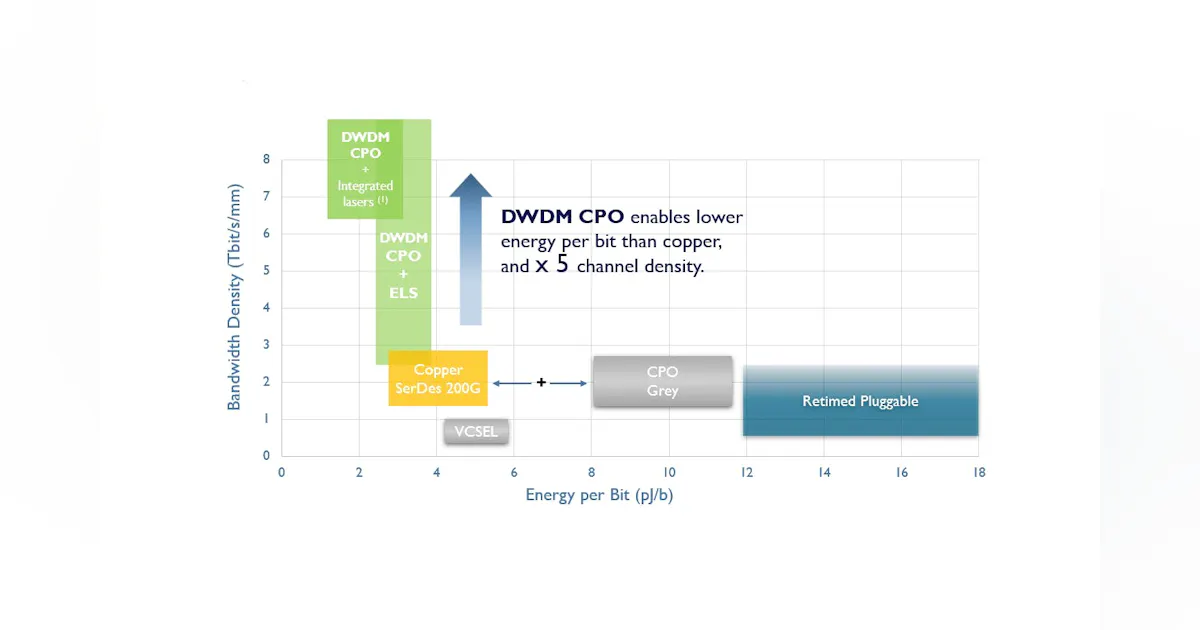
Dense wavelength-division multiplexing copackaged optics technology offers architectural advantages in cost, power, and performance that will compound as AI infrastructure scales...
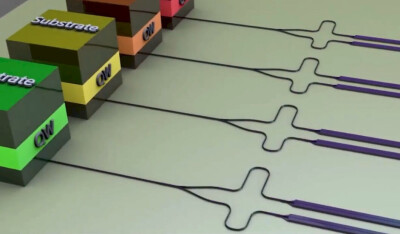
Earlier this spring, AMD, Broadcom, Meta Platforms, Microsoft, Nvidia, and OpenAI formed the Optical ...

Optical manufacturing bottlenecks, air conditioning as development infrastructure, and the anisotropy lesson every process quietly reteaches
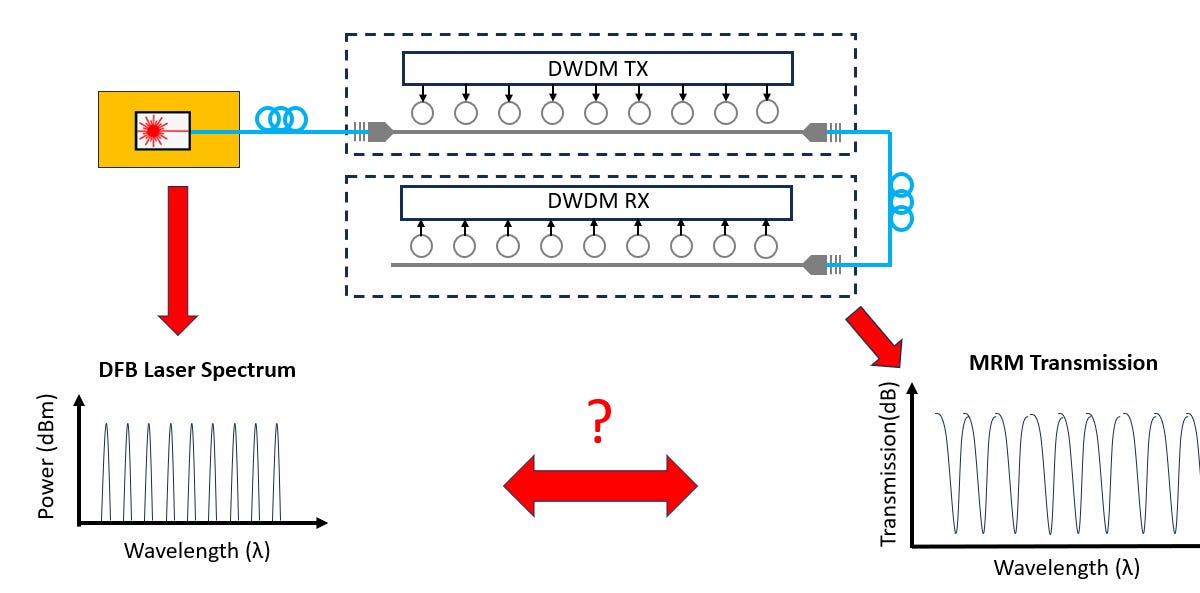
Key physics constraints and architecture challenges for scaling data rates in DWDM - ring modulator physics, clocking, CW-DFB Laser, and package integration
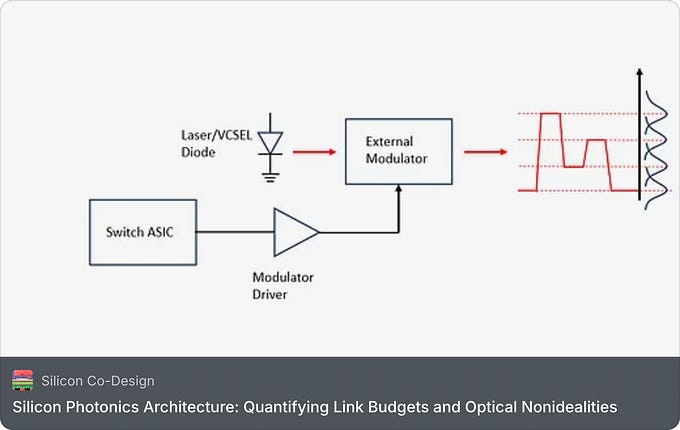
Silicon photonics is one of the hottest and fastest moving markets to address high speed data demands in co-packaged optics (CPO) in AI data centers. In this post I cover a few important high-level details to better understand silicon photonic circuits. These include: Link Budget Key Figures of Merit (Laser, sources of loss, eye quality, and receiver) Validation Challenges (wafer screening and thermal stability)
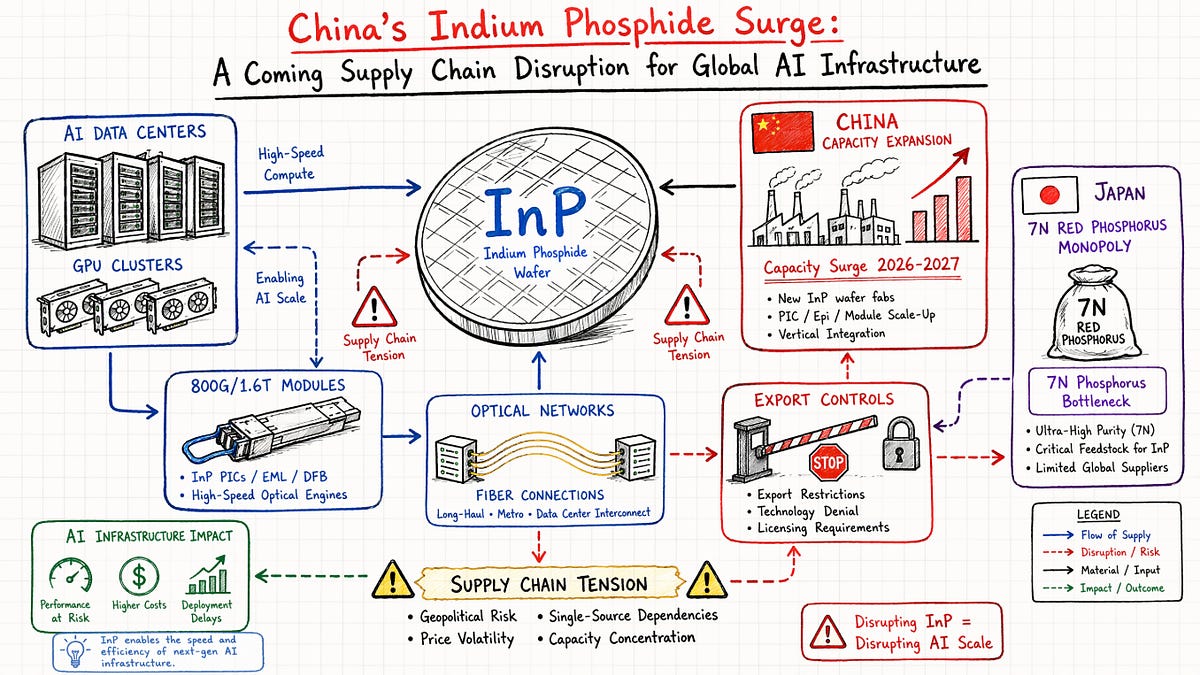
A Coming Supply Chain Disruption for Global AI Infrastructure

These III-V semiconductors are essential for super-high bandwidth optical interconnects.

So if you’re building or investing in photonic manufacturing, ask yourself: is this facility organised around a material or around a process? And if it’s a process, is there a design ecosystem that creates lock-in? Material without integration = component supplier. Integration without a PDK = custom shop. Integration with a design ecosystem = platform. I keep coming back to this hierarchy when I look at photonics pitches. #photonics #optics #ai | 14 comments on LinkedIn

Before GPS, how did aircraft navigate? One important technique was celestial navigation: navigating from the positions of the stars, planets...
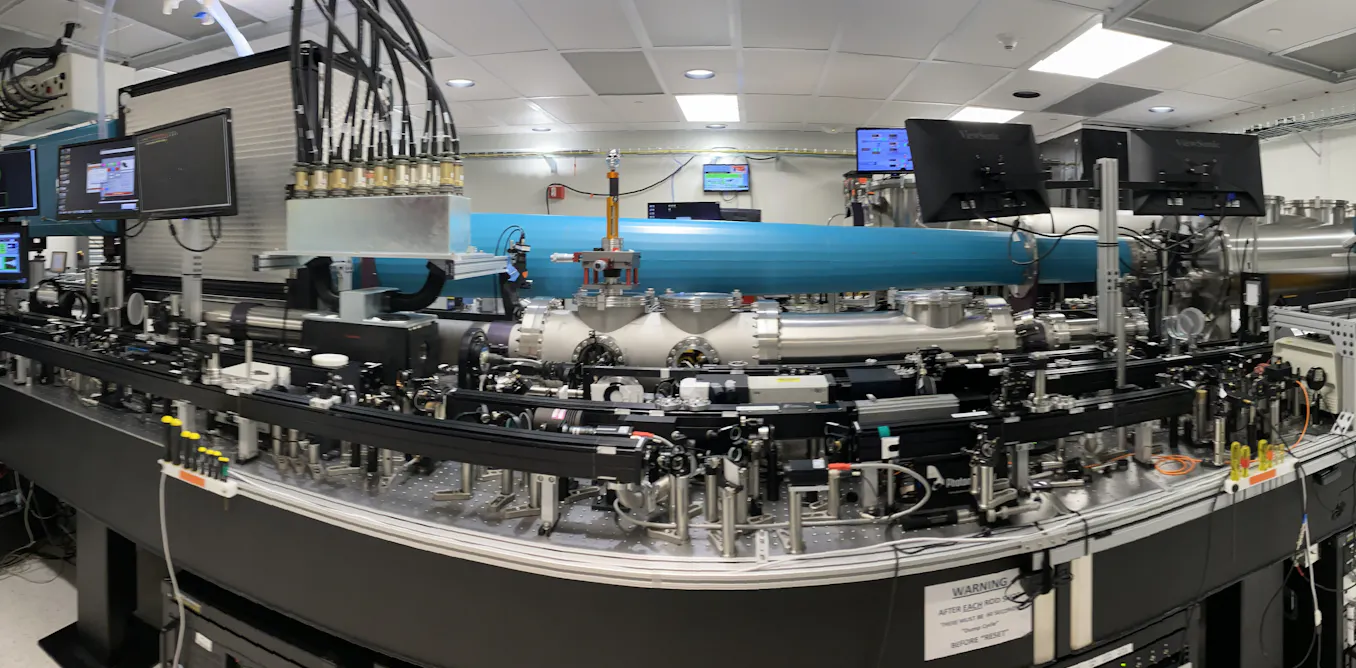
It would take hours to set up the perfect shot at the Texas Petawatt Laser facility. Once it fired, the beam released an incredible amount of energy.
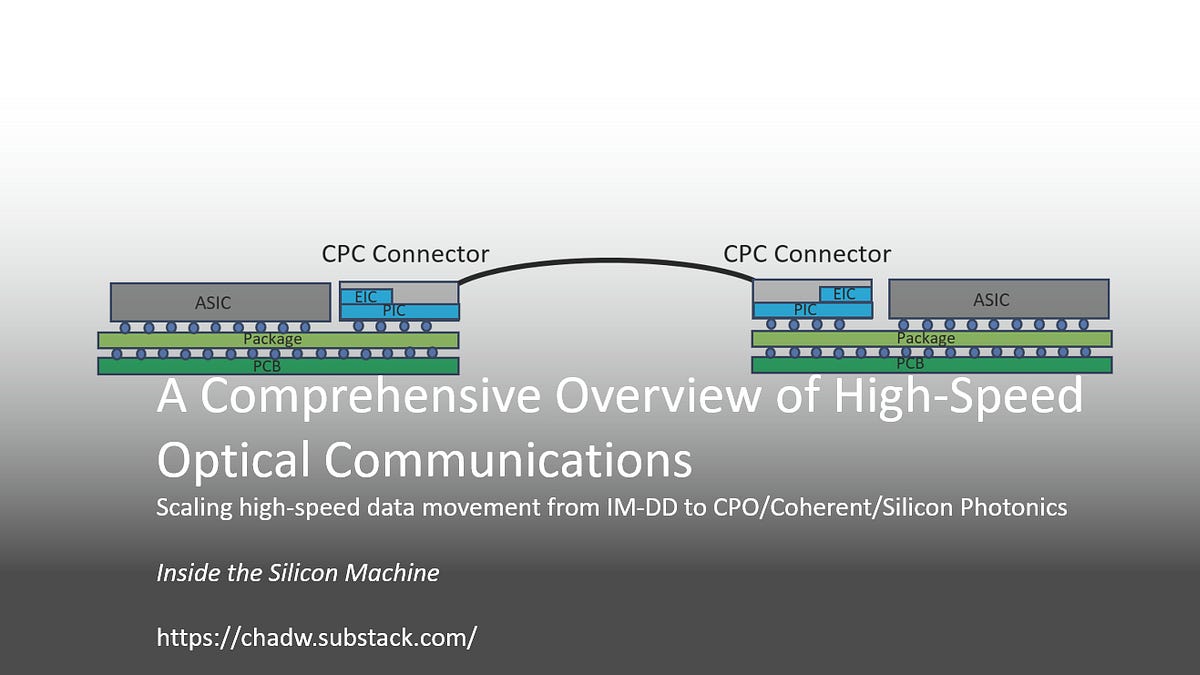
Scaling high-speed data movement from IM-DD to CPO/Silicon Photonics/Coherent

A new laser system aboard NASA’s Orion spacecraft is sending sharper video and more data back to Earth
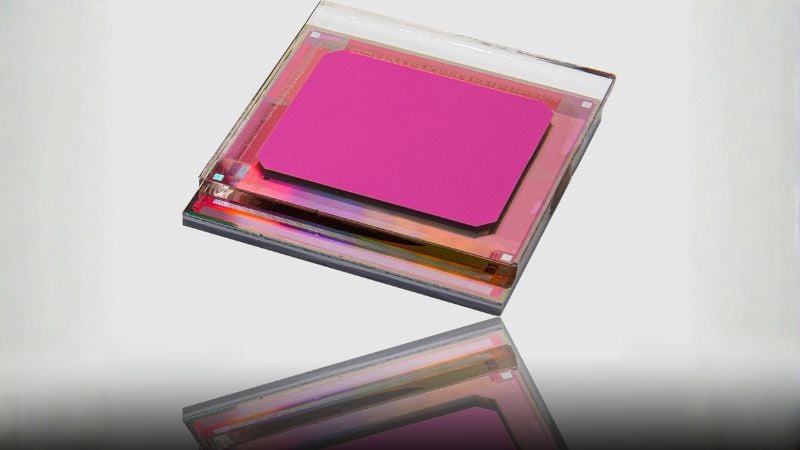
The startup's programmable chip uses a metasurface architecture to control light without moving parts.
Himax Technologies has long been seen as a peripheral player in the AI boom. But that perception may be about to change. Buried inside a series of recent TSMC patent filings lies an unexpected...

Interconnect efficiency is now essential and photonics can help
.jpg?mbid=social_retweet)
History was unmade last year, as engineers began the massive project of ripping the first-ever transoceanic fiber-optic cable from the ocean floor. Just don’t mention sharks.

Co-Packaged Optics (CPO) has long promised to transform datacenter connectivity, but it has taken a long time for the technology to come to market, with tangible deployment-ready products only arriving in 2025.
Fully integrated dToF modules and iToF VCSEL illuminators for short range applications. Laser sources for long range LIDAR systems.
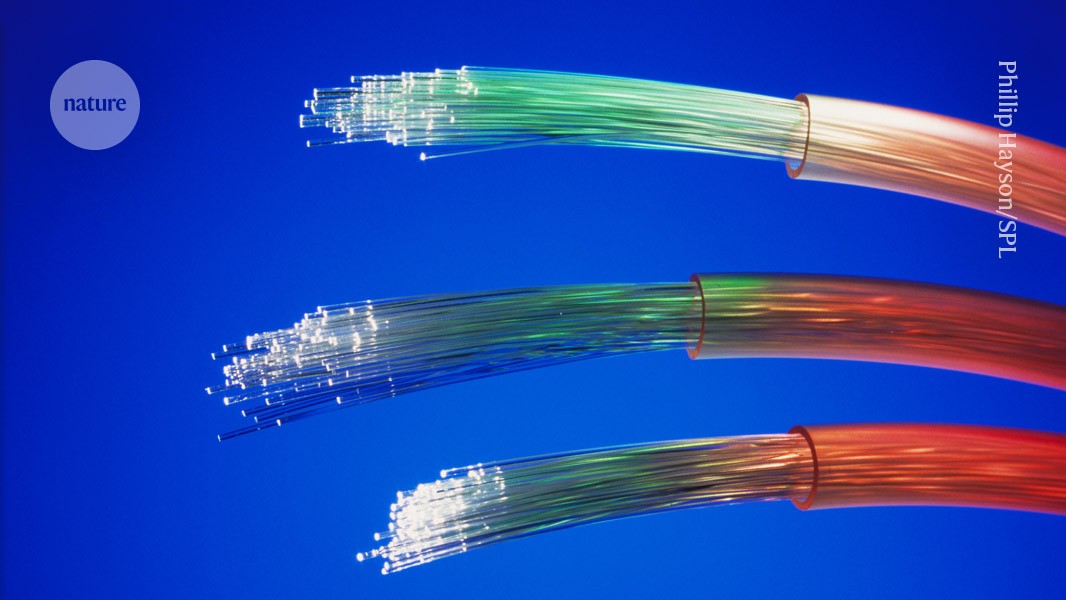
A cable design that sends light through air, rather than solid glass, could cut signal loss and make long-distance transmissions cheaper.

Traditional von Neumann architectures suffer from fundamental bottlenecks due to continuous data movement between memory and processing units, a challenge that worsens with technology scaling as electrical interconnect delays become more significant. These limitations impede the performance and energy efficiency required for modern data-intensive applications. In contrast, photonic in-memory computing presents a promising alternative by harnessing the advantages of light, enabling ultra-fast data propagation without length-dependent impedance, thereby significantly reducing computational latency and energy consumption. This work proposes a novel differential photonic static random access memory (pSRAM) bitcell that facilitates electro-optic data storage while enabling ultra-fast in-memory Boolean XOR computation. By employing cross-coupled microring resonators and differential photodiodes, the XOR-augmented pSRAM (X-pSRAM) bitcell achieves at least 10 GHz read, write, and compute operations entirely in the optical domain. Additionally, wavelength-division multiplexing (WDM) enables n-bit XOR computation in a single-shot operation, supporting massively parallel processing and enhanced computational efficiency. Validated on GlobalFoundries' 45SPCLO node, the X-pSRAM consumed 13.2 fJ energy per bit for XOR computation, representing a significant advancement toward next-generation optical computing with applications in cryptography, hyperdimensional computing, and neural networks.
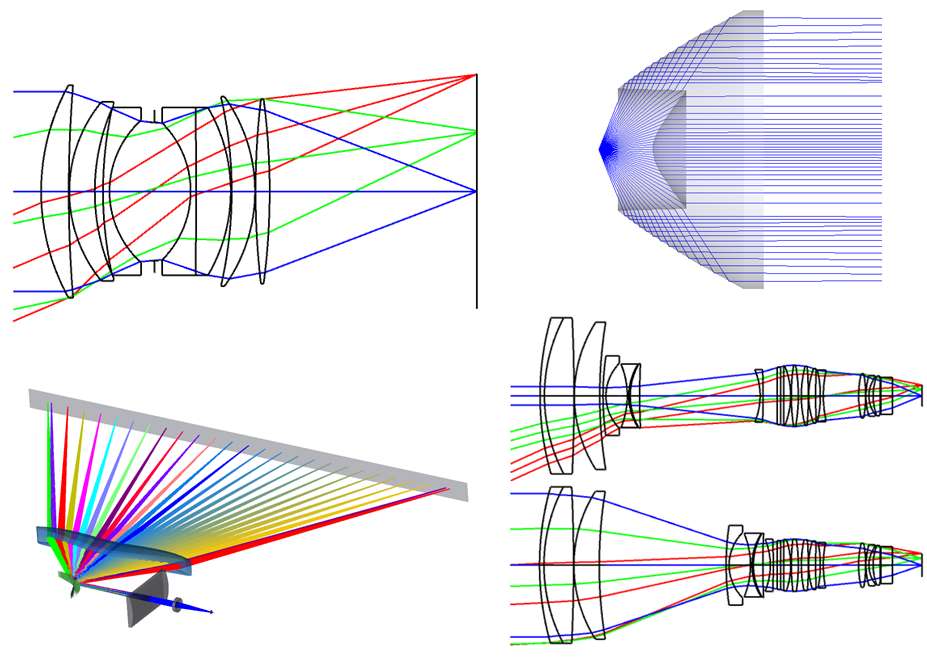
This Guide is a birds-eye-view of all the optical systems and lens design forms out there, and will be an essential tool for any lens designer's toolbox.
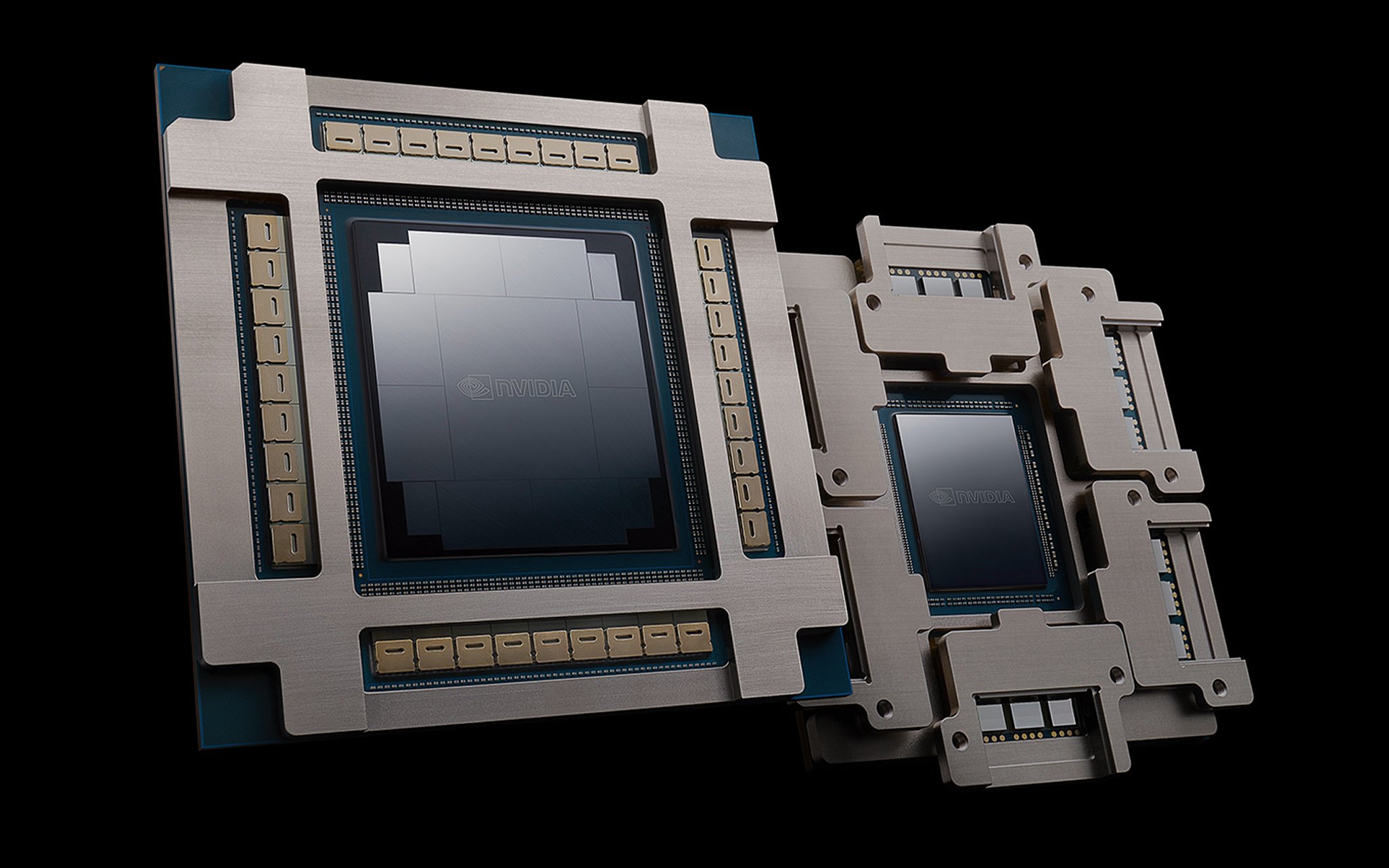
Nvidia's endorsement of co-packaged optics means the time is right

Lumai's breakthrough in AI acceleration with free-space optics promises energy cuts and faster processing.

Musings on systems, information, learning, and optimization.
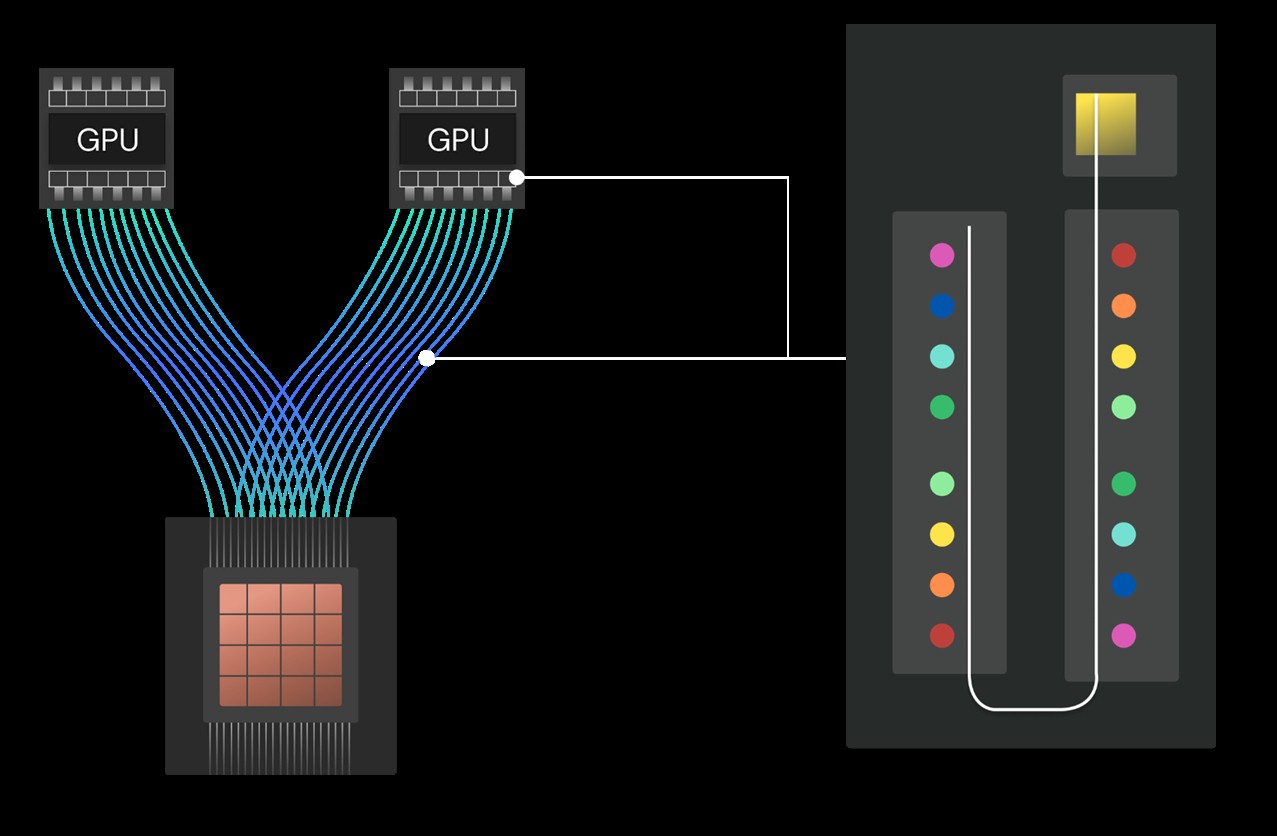
According to rumors, Nvidia is not expected to deliver optical interconnects for its GPU memory-lashing NVLink protocol until the “Rubin Ultra” GPU

A new technical paper titled “Integrated non-reciprocal magneto-optics with ultra-high endurance for photonic in-memory computing” was published by researchers at UC Santa Barbara, University of Cagliari, University of Pittsburgh, AIST and Tokyo Institute of Technology. Abstract “Processing information in the optical domain promises advantages in both speed and energy efficiency over existing digital hardware for... » read more

A new technical paper titled “Image Sensors and Photodetectors Based on Low-Carbon Footprint Solution-Processed Semiconductors” was published by researchers at Cardiff University. Abstract “This mini-review explores the evolution of image sensors, essential electronic components increasingly integrated into daily life. Traditional manufacturing methods for image sensors and photodetectors, employing high carbon footprint techniques like thermal evaporation... » read more

Intel has achieved a breakthrough in silicon photonics,unveiling world's first fully integrated optical compute interconnect for AI markets.

We explain how lasers work and all the fascinating ways they're being used.
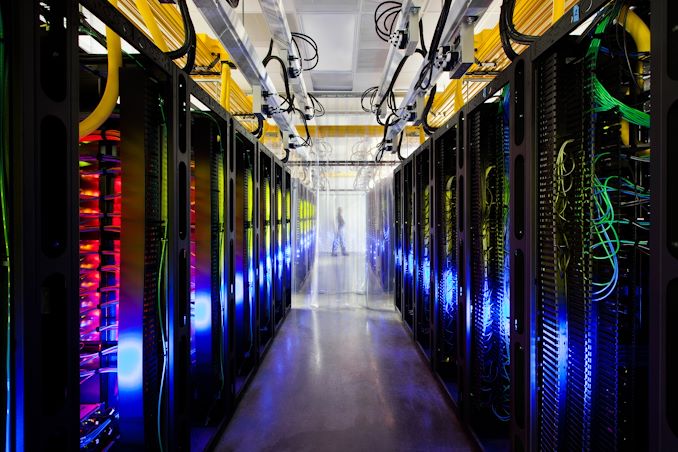

Some of the leaders of the networking industry showed up to the Optical Fiber Conference, including Broadcom, MediaTek, Semtech, and MaxLinear.
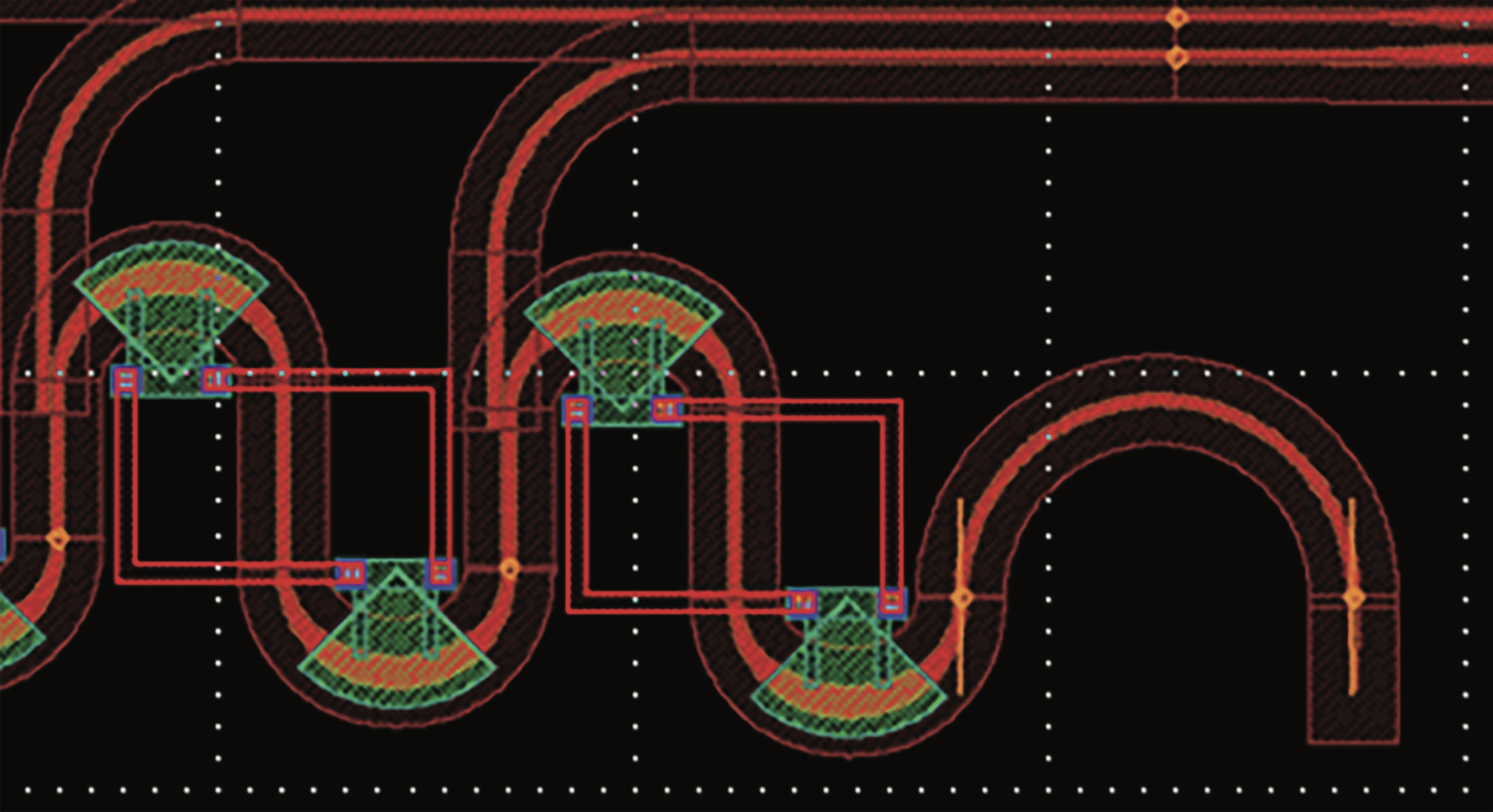
From curvilinear designs to thermal vulnerabilities, what engineers need to know about the advantages and disadvantages of photonics.

Leveraging novel photonic circuit designs, researchers hope to lower electricity consumption in data centers.

Stanford team achieves first-ever optical backpropagation milestone

Vaysh Kewada, CEO and Co-Founder of Salience Labs, advances AI by circumventing finite processing power with a revolutionary new chip design.

You can make many things with silicon photonics, but a laser is not one of them
“Metalenses” created with photolithography could change the nature of imaging and optical processing.

Easy to use cloud based optical exploration, simulation and design
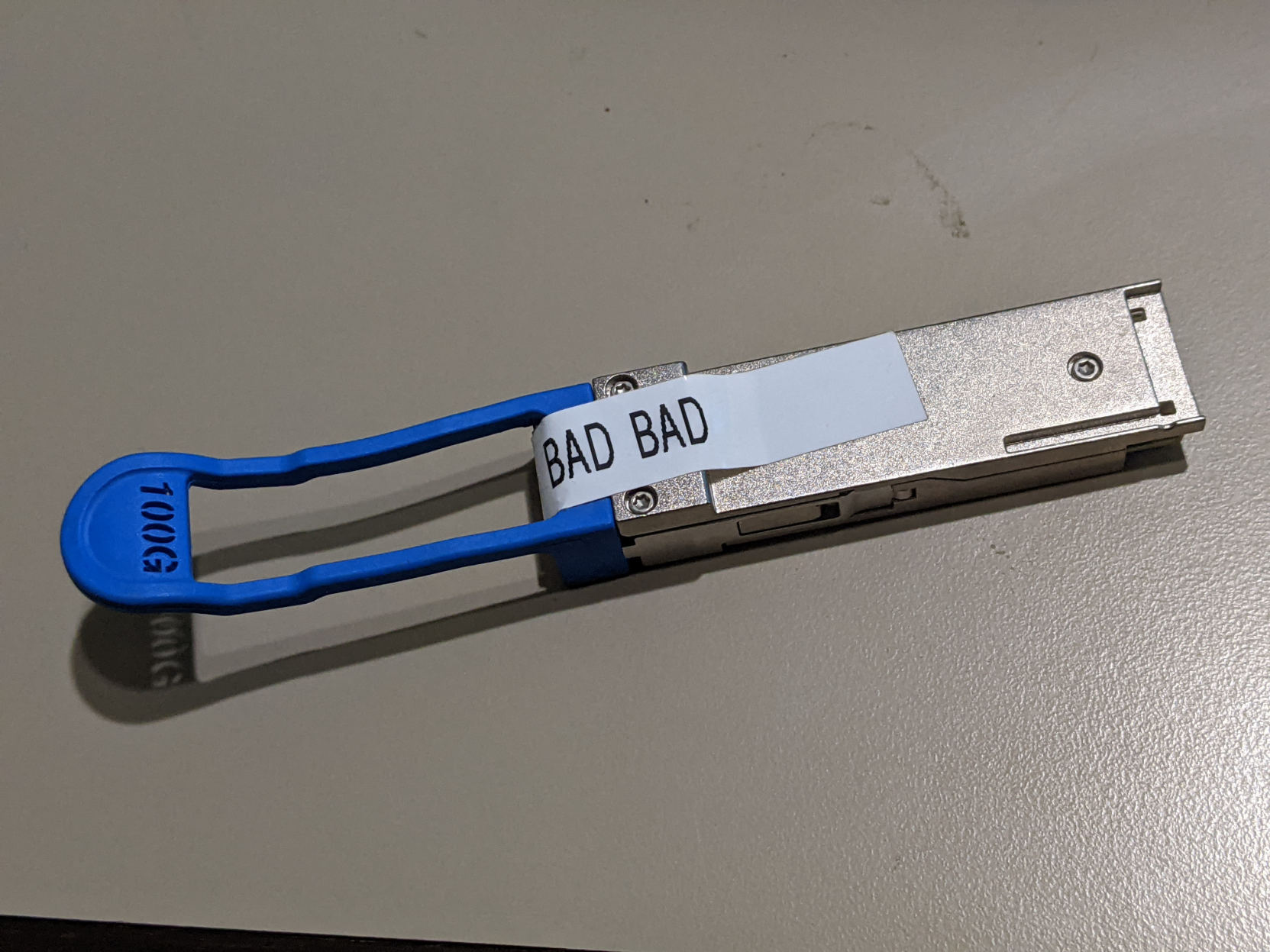
Attached: 2 images One of my nice friends at Hurricane Electric gave me a dead 100G-LR4 optic to tear apart for your entertainment, so for the sake of your entertainment, lets dig into it! 🧵
Ayar Labs solves bandwidth and power bottlenecks by moving data using light. We built the world's first optical I/O chiplets.

Intel® Silicon Photonics combines the manufacturing scale and capability of silicon with the power of light onto a single chip.

Intel Lab researchers push photonics one step further by demonstrating a tightly controlled, highly integrated eight-wavelength laser.
NANOG is the professional association for Internet engineering, architecture and operations.

Intel has demonstrated an eight-wavelength laser array on a silicon wafer paving the way for the next generation of integrated silicon photonics products.
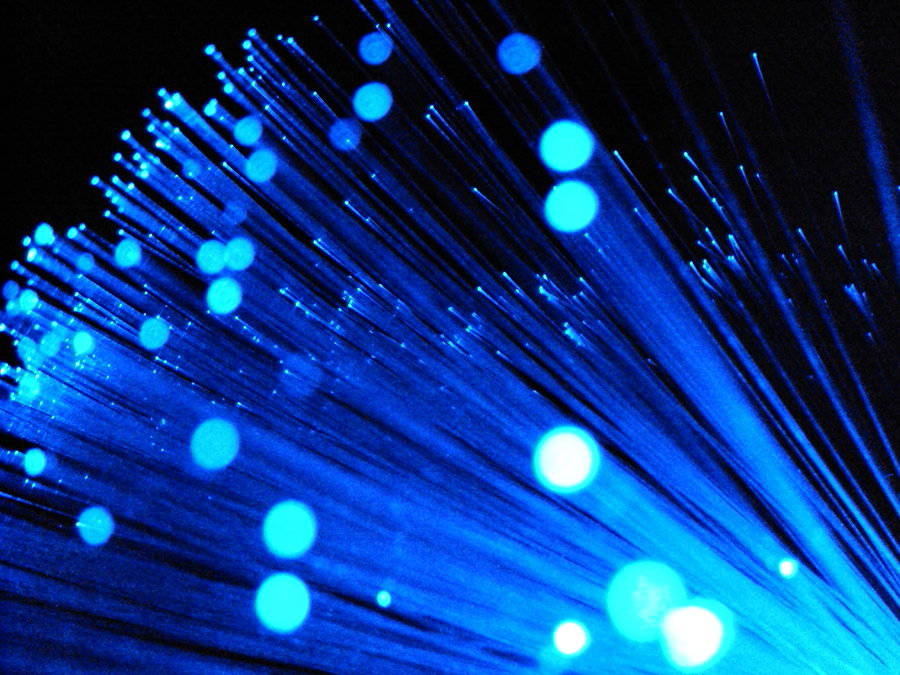
Star Trek's glowing circuit boards may not be so crazy
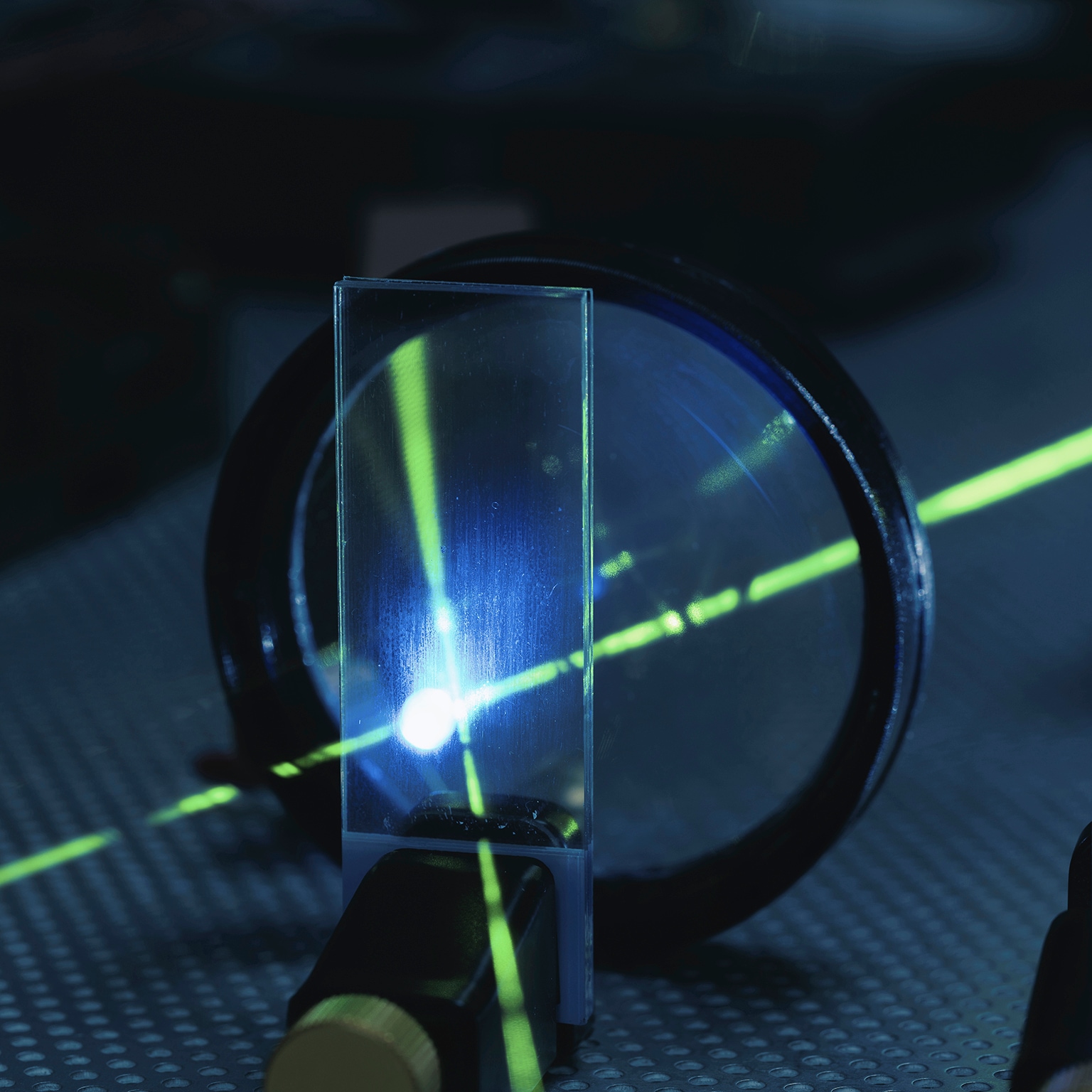
More end products are integrating lasers with sensors and optics, opening new opportunities for photonics manufacturers.
NANOG is the professional association for Internet engineering, architecture and operations.

The breakthrough is taking full advantage of the orbital angular momentum properties of a coherent light source, thus enabling multiplexing.

Learn some basic, foundational info about fiber optic communication systems in this primer.

Our current networking technology was unfathomable just ten years ago. Now thanks to using fiber optics, data transmits faster than before.

Silicon photonics is a promising technology, but it may take a while.

Boston-based startup Lightelligence's optical machine learning accelerator has entered prototyping stage, the startup announced.

Optalysys, a startup based in the United Kingdom, has introduced an entry-level optical coprocessor, the first such system of its kind on the market. The

The FCC voted last Thursday to relax the rules for retiring copper wiring. This change was specifically aimed at Verizon and AT&T and is going to make it a lot easier for them to tear down old …
Over the past six decades, advances in computers and microprocessors have completely reshaped our world.