The power of pareidolia
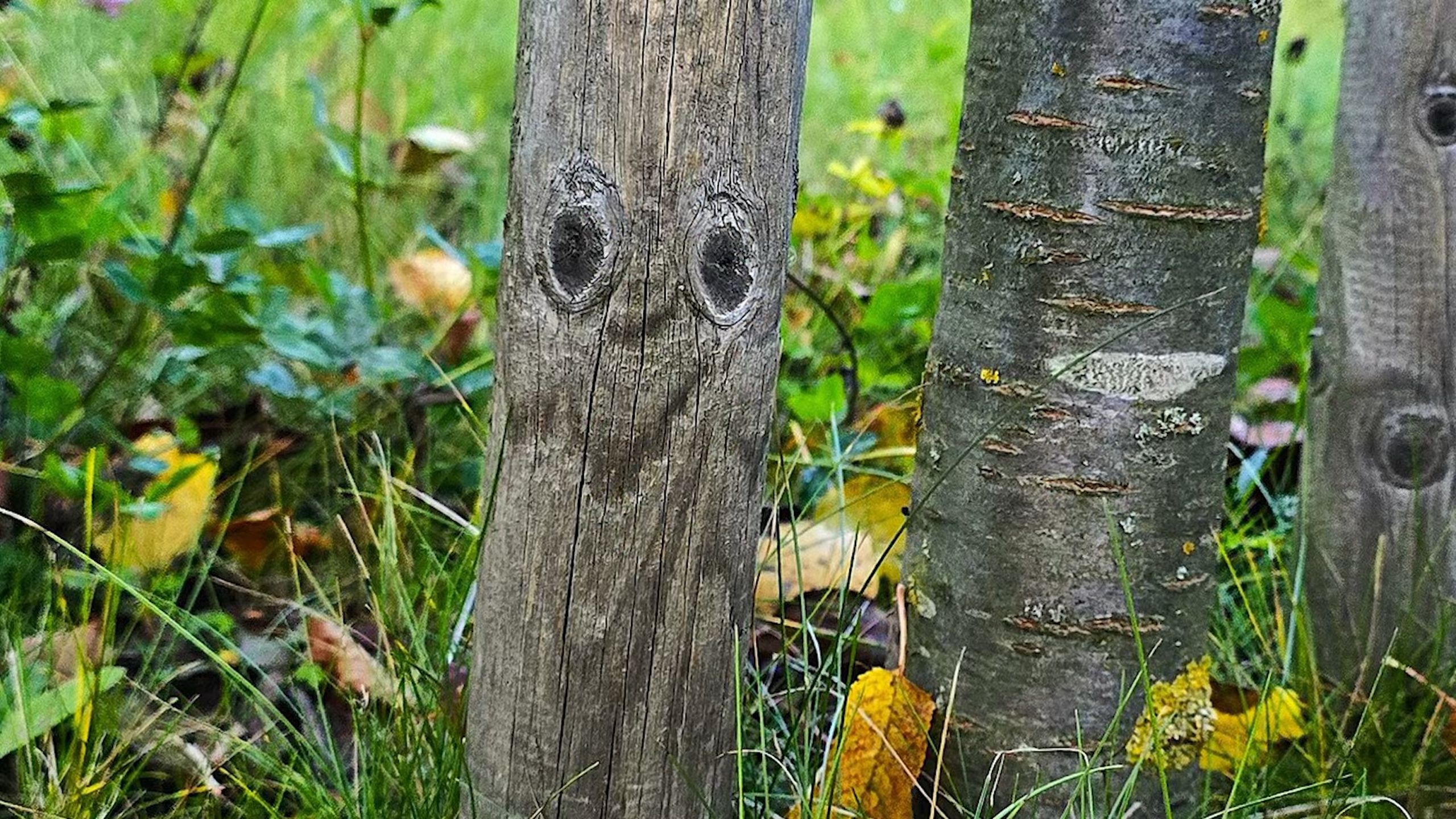
Why we see faces in unexpected places, and what it says about us
Why we see faces in unexpected places, and what it says about us
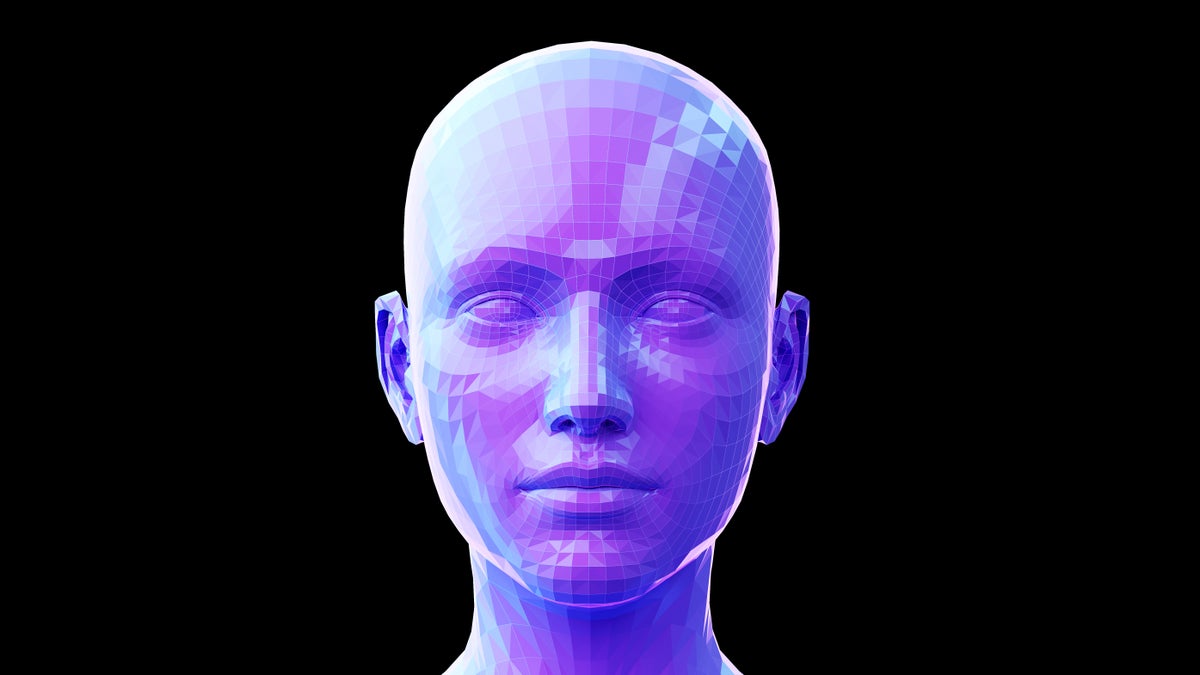
Training people to pay attention to the right visual cues nearly doubled how accurately they could spot AI-generated faces

When the human brain sees an emoji, it does the stupidest thing it could possibly do in that moment: it interprets it as a real human face.
Research shows that people are quick to form impressions of other people’s social class standing, which can have important consequences – but what specifically drives these impressions, and their relationship to judgements of harmful or advantageous stereotypes, has remained…

PimEyes is a paid service that finds photos of a person from across the internet, including some the person may not want exposed. “We’re just a tool provider,” its owner said.
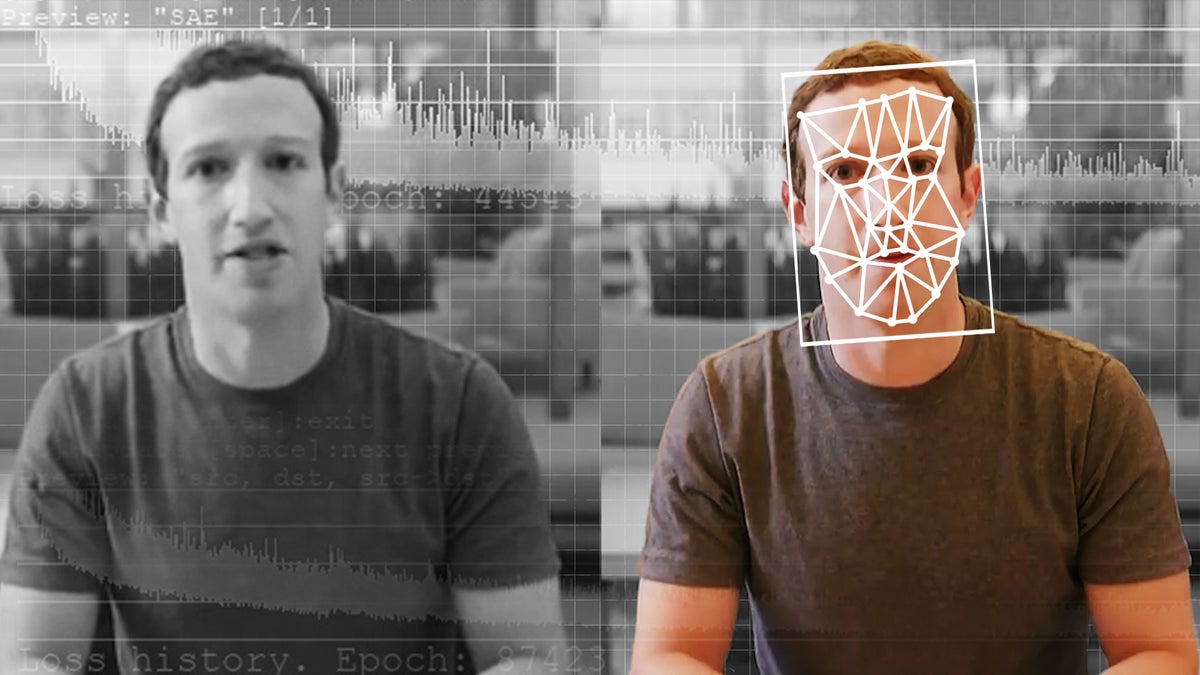
New research shows that detecting digital fakes generated by machine learning might be a job best done with humans still in the loop.
**Facial Recognition** is the task of making a positive identification of a face in a photo or video image against a pre-existing database of faces. It begins with detection - distinguishing human faces from other objects in the image - and then works on identification of those…
Sixty years ago, a sharecropper’s son invented a technology to identify faces. Then the record of his role all but vanished. Who was Woody Bledsoe, and who was he working for?

A journey toward seeing myself more clearly.

Computers can generate faces that look real. What a time to be alive. As it becomes easier to do so, you can bet that the software will be used at some point for less innocent reasons. You should p…