usermod Cheatsheet
Quick reference for modifying Linux user accounts with usermod and managing groups with groupadd, gpasswd, and groupdel
Quick reference for modifying Linux user accounts with usermod and managing groups with groupadd, gpasswd, and groupdel
Apache HTTP Server at a glance: service commands, file layout on Ubuntu and RHEL, virtual hosts, modules, .htaccess, redirects, TLS, reverse proxy, and log …
SSH client config directives at a glance: Host and Match patterns, keys, jump hosts, keepalives, multiplexing, port forwarding, host key checking, and tokens …

Extend a Linux partition and grow ext4, XFS, Btrfs, or LVM storage after a disk resize, with layout checks, safe ext4 shrink steps, and troubleshooting.
sudo at a glance: running commands as root, credential caching, environment handling, sudoers rule syntax, aliases, Defaults, and logging.
Keep essential ffmpeg commands close at hand, from stream inspection and lossless remuxing to CRF encoding, filters, subtitles, and GPU acceleration.

If you have ever run a long command over SSH and lost it because your connection dropped, you already understand the pain tmux solves. Tmux is a terminal multiplexer. In plain language, it lets you run and manage multiple terminal workspaces inside one terminal environment, and…

DNS record types map domains to servers, route email, publish verification data, and control certificate issuance. See zone-file examples and dig queries.
DNS record cards linking a domain to IP addresses, mail servers, and security policies
MX records route email

Use lsblk to list disks, partitions, filesystems, UUIDs, and mount points in Linux, then customize columns and produce JSON output for scripts.

Follow Linux logs in real time with tail -F, filter live output with grep, pause with less +F, and stream systemd service logs with journalctl -f.

Install AWS CLI version 2 on Linux, authenticate with aws login or IAM Identity Center, manage profiles, and verify access to your AWS account.

Convert MP4 video to MP3 audio from the Linux command line with ffmpeg, including quality settings, lossless extraction, trimming, and batch conversion.
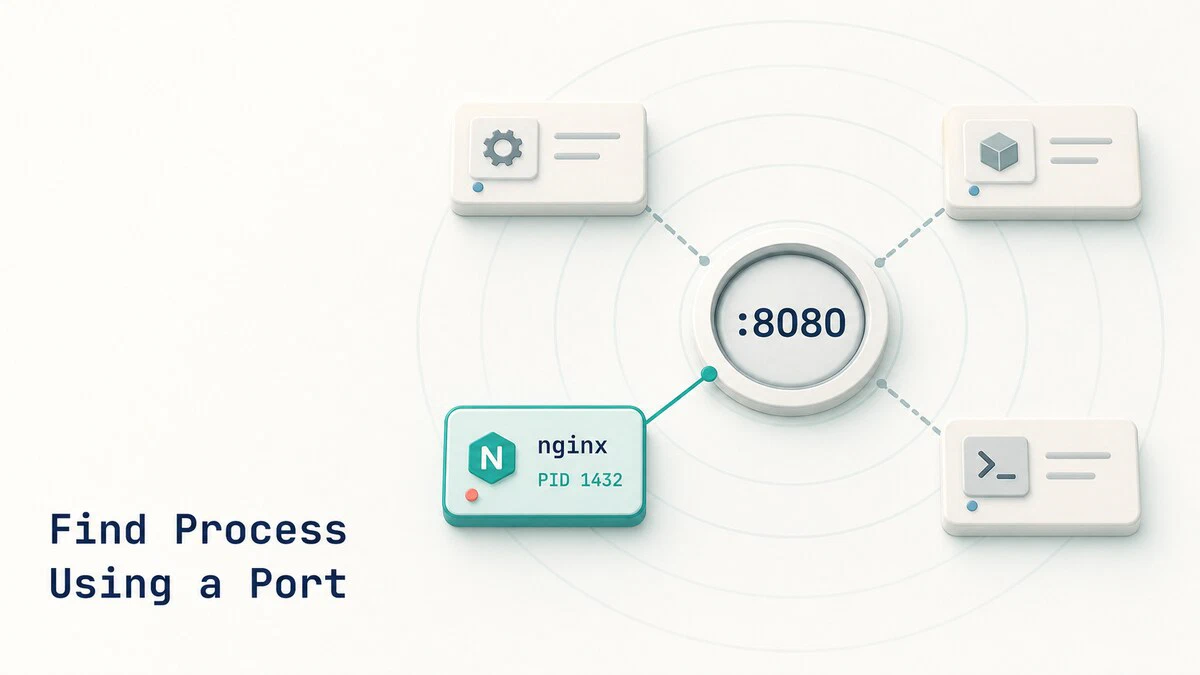
Find the Linux process listening on a TCP or UDP port with ss, lsof, fuser, or netstat, then inspect and stop it safely.
Quick reference for the mount command: mount and unmount filesystems, mount options, UUID and label mounts, network shares, and /etc/fstab entries

Identify the hardware in a Linux machine: list USB devices with lsusb, find PCI cards and their drivers with lspci, and get a full inventory with lshw.

An inode stores Linux file metadata, not its name or data. See how inode numbers and hard links work, then check inode usage with ls, stat, and df.
Docker Compose quick reference: lifecycle commands, Compose file directives, health checks, environment variables, profiles, scaling, and cleanup.

Configure Ubuntu networking with Netplan using practical YAML examples for DHCP, static IP addresses, DNS, Wi-Fi, bridges, and safe remote changes.

Use smartctl in Linux to check SMART health, read disk attributes, run self-tests, troubleshoot USB enclosures, and monitor NVMe wear.
Quick reference for Markdown syntax covering headings, formatting, links, images, lists, tables, code blocks, blockquotes, and common extensions.
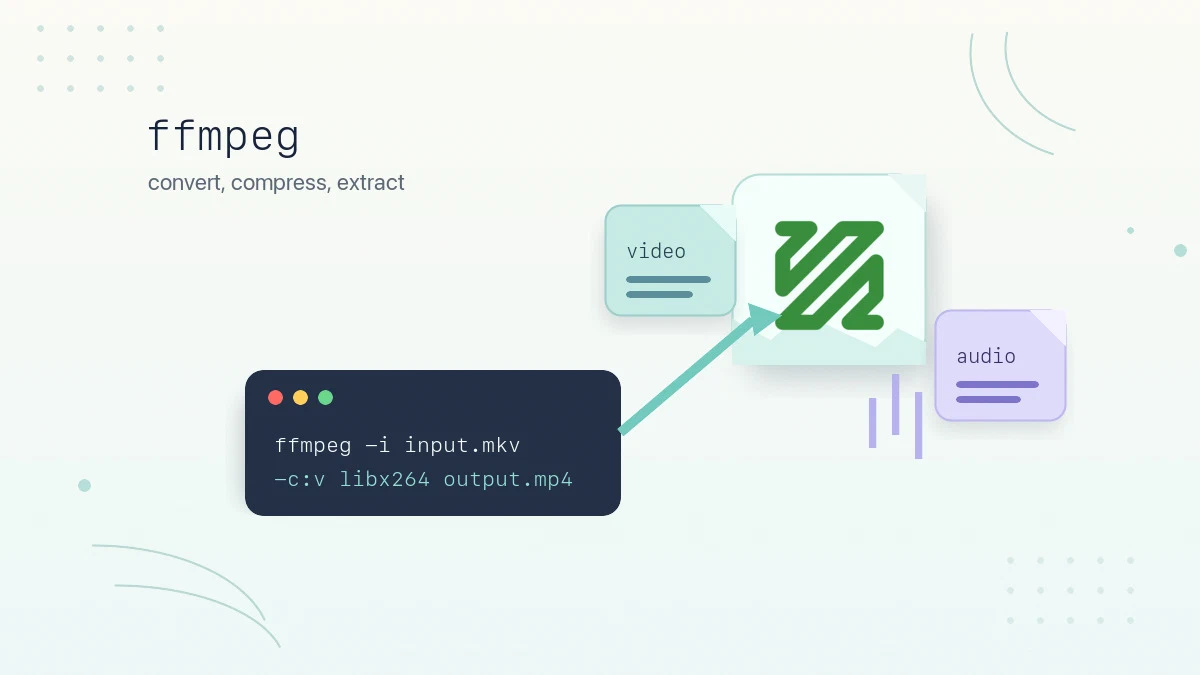
Practical ffmpeg examples for converting between formats, compressing video with CRF, extracting audio, trimming clips, resizing video, and batch processing files on Linux.
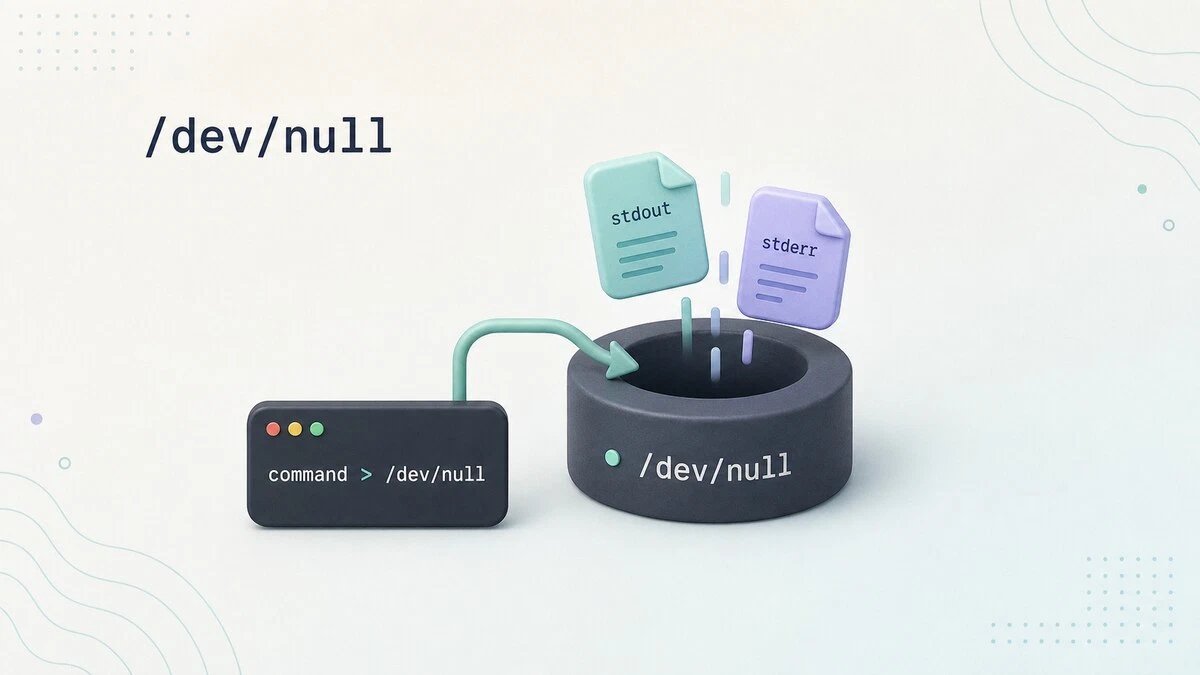
The Linux /dev/null device discards anything written to it and returns EOF when read. This guide shows how to silence stdout, stderr, cron output, and empty files.
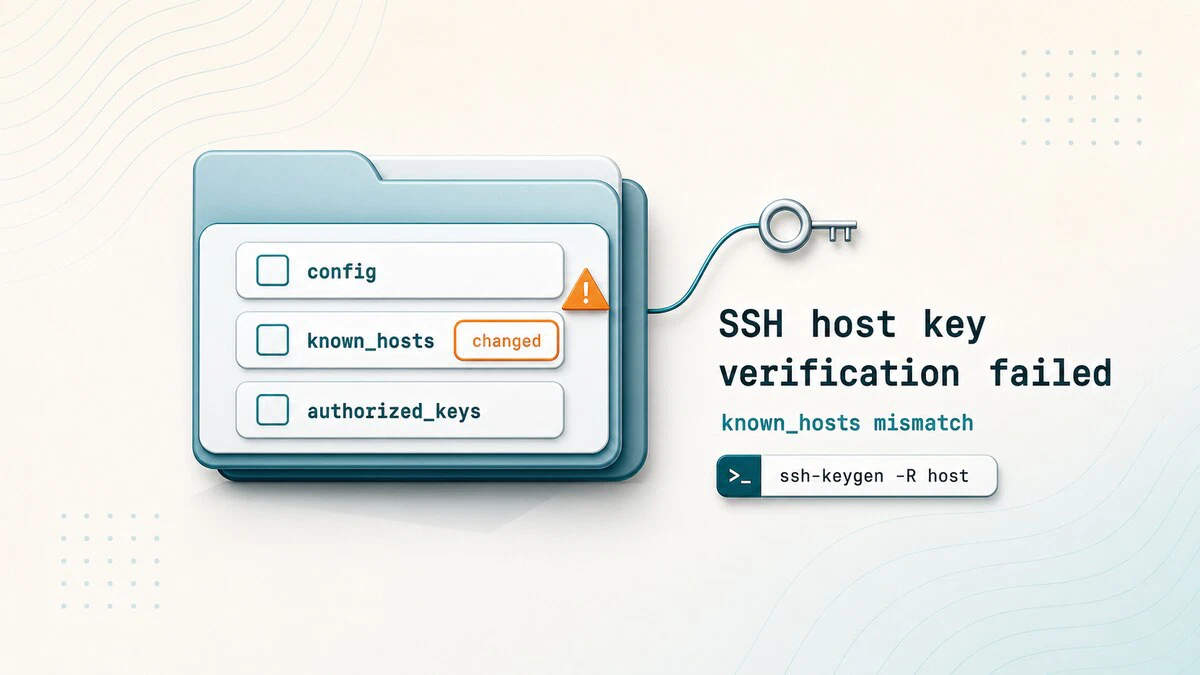
Resolve the SSH Host key verification failed error by removing the stale known_hosts entry with ssh-keygen -R after verifying the server is genuine.
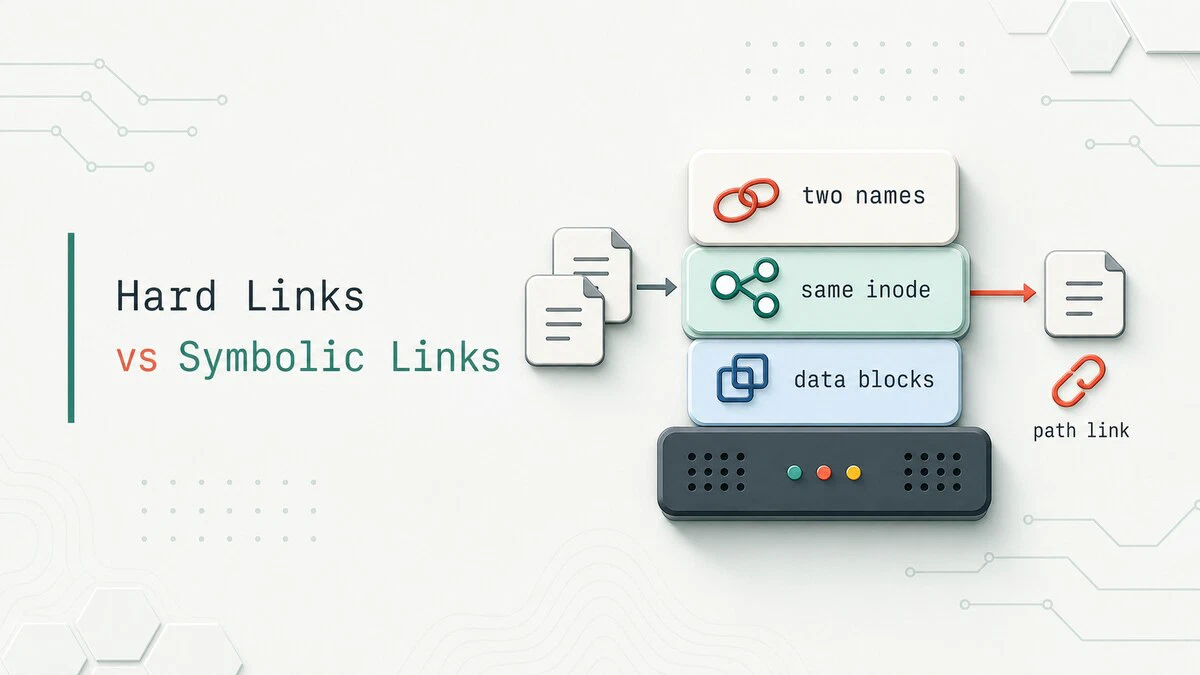
Understand the difference between hard links and symbolic links in Linux: how inodes work, when each type breaks, and which one to use for a given task.
Check whether a command exists in Bash with command -v, capture its path, validate several dependencies, and compare type, hash, and which.
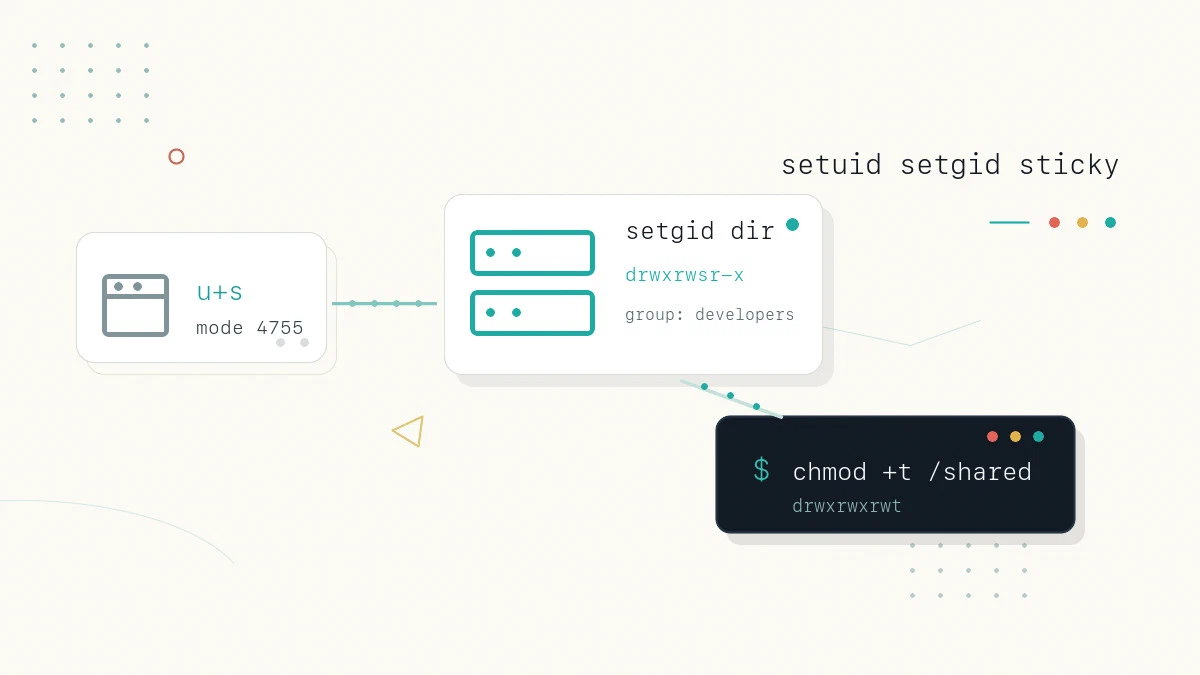
Understand the setuid, setgid, and sticky bit special permissions in Linux: what each one does on files and directories, how to set them, and the security risks.
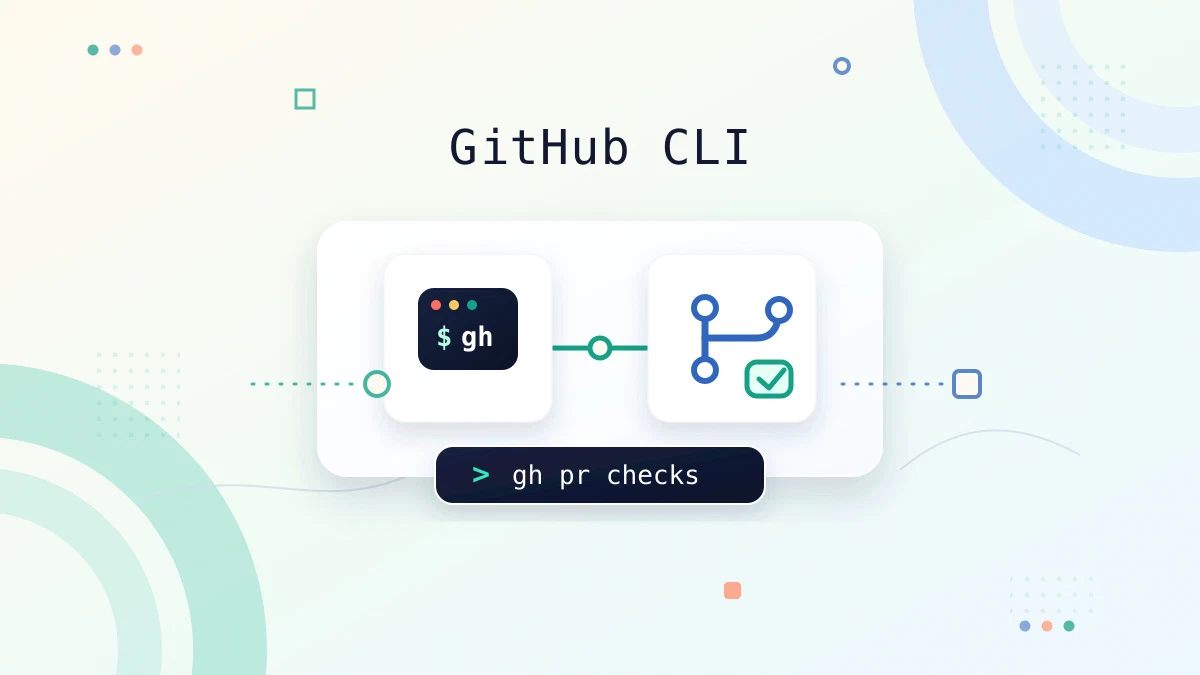
Use GitHub CLI to create and clone repositories, manage pull requests and issues, inspect workflow runs, publish releases, and call the GitHub API.
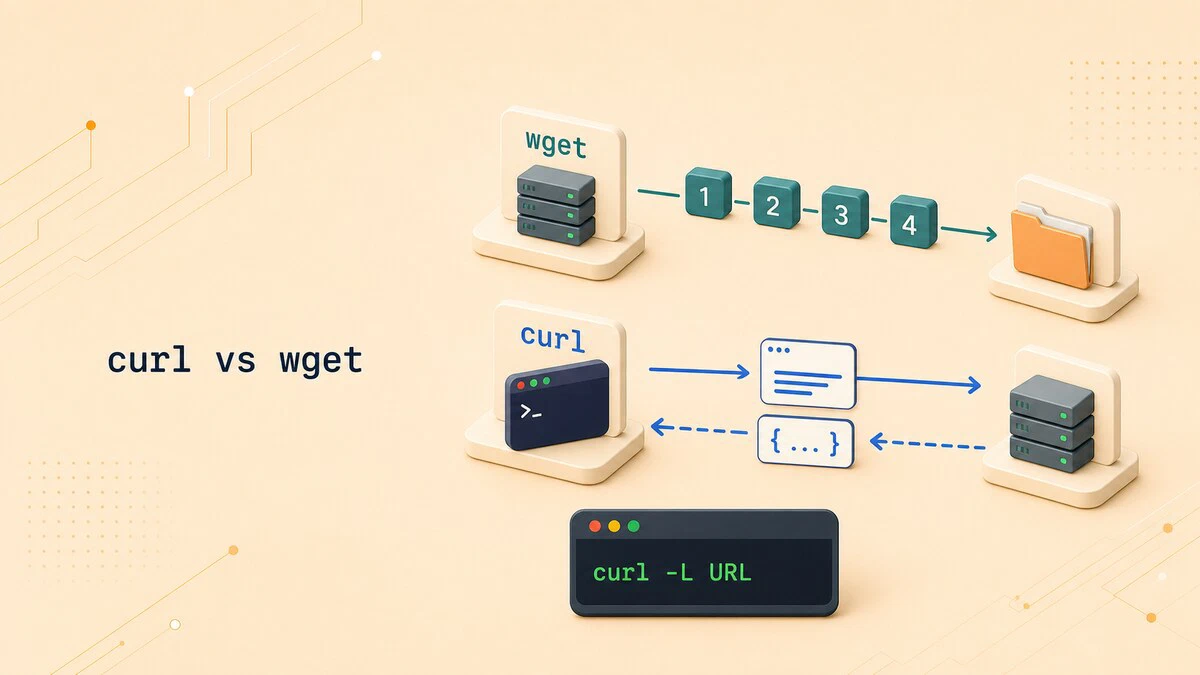
Compare curl vs wget defaults, protocols, redirects, recursive downloads, API requests, and resume options to choose the right command for each task.
The most visible difference is the default output. wget saves the response to a file, while curl writes it to standard output.
Proper TCP socket splicing reduces the load on userspace processes and enables more efficient data forwarding. We realized that Linux Kernel's SOCKMAP infrastructure can be reused for this purpose.
as you may know, we run a global network of reverse proxy services.
SOCKMAP
Install Ollama on Ubuntu, run large language models locally, manage downloaded models, use GPU acceleration, and send prompts through the local API.

Bash subshells run commands in an isolated shell environment. This guide explains parentheses, variable scope, directory changes, command substitution, pipelines, and exit codes.
Quick reference for extracting fields, bytes, and characters with cut in Linux

Use hostnamectl to view and change the Linux hostname. Covers static, transient, and pretty names, system metadata, remote hosts, and common errors.

Linux pipes connect command output to another command's input. Learn the | operator, pipefail, stderr piping, xargs, named pipes, and process substitution.

Practical Bash array operations for checking length, finding values, slicing, reversing, iterating, appending, prepending, and removing elements.

Practical OpenSSL guide for Linux: generate private keys, create CSRs and self-signed certificates, convert formats, inspect certificates, and test TLS connections.

This guide explains how to pass arguments to Bash scripts, read positional parameters, loop over $@, set defaults, validate input, and parse flags with getopts.
Quick reference for rebooting and scheduling restarts on Linux
Quick reference for recursive text searches with the ripgrep command

The whois command looks up domain registration, registrar, name server, expiry, IP allocation, and AS number details from Linux.

How to do arithmetic in Bash with the (( )) operator, $(( )) expansion, the let builtin, and bc or awk for floating-point math the shell cannot do natively.
Step-by-step instructions for installing Podman on Ubuntu, running rootless containers, building images with Buildah, and switching from Docker.

Bash string manipulation using parameter expansion: extract substrings, replace text, strip prefixes and suffixes, change case, and check for substrings with practical examples.
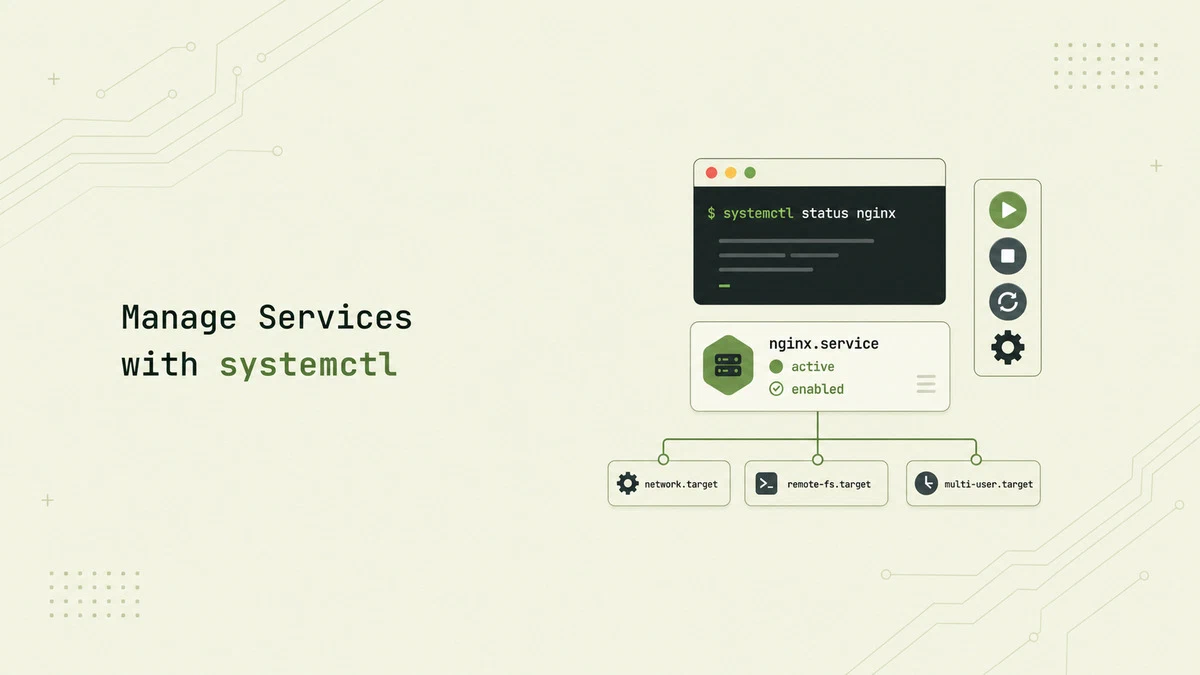
Manage services on systemd-based Linux distributions with systemctl. This guide explains how to start, stop, restart, enable, and disable services, reload unit files, and inspect service status.
Practical Bash best practices for writing safer and more predictable scripts, covering strict mode, quoting, error handling, and everyday patterns.

Software engineers are, if not unique, then darn near unique in the ease with which we can create tools to improve our own professional lives; this however can …
Quick reference for the Linux sftp client, covering login, navigation, transfers, and remote file management over SSH
Quick reference for fdisk commands: list disks, create partition tables, add partitions, change partition types, write changes, and quit safely