DeepSeek open-sources Huawei chip tools as a simpler alternative to CUDA

‘Independent, self-controlled’: DeepSeek open-sources TileLang and six modules for Huawei’s Ascend chips, offered as an alternative to Nvidia’s CUDA.
‘Independent, self-controlled’: DeepSeek open-sources TileLang and six modules for Huawei’s Ascend chips, offered as an alternative to Nvidia’s CUDA.

In gory detail: reliability, performance, support, pricing—and, of course, security—in our most thorough analysis of GPU cloud providers globally.

Today’s tidal wave of queries is forcing hardware makers to pivot
Note: ### The AI Inference Revolution Is Here [IEEE Spectrum article](#rid:1854764141) — a survey of how the shift from AI training to AI **inference** is reshaping chip and memory design. **The shift** Since 2020, the AI story was about training ever-bigger models. In 2026 the spotlight has moved to inference — putting trained models to work. People actually use LLMs now, reasoning models run…
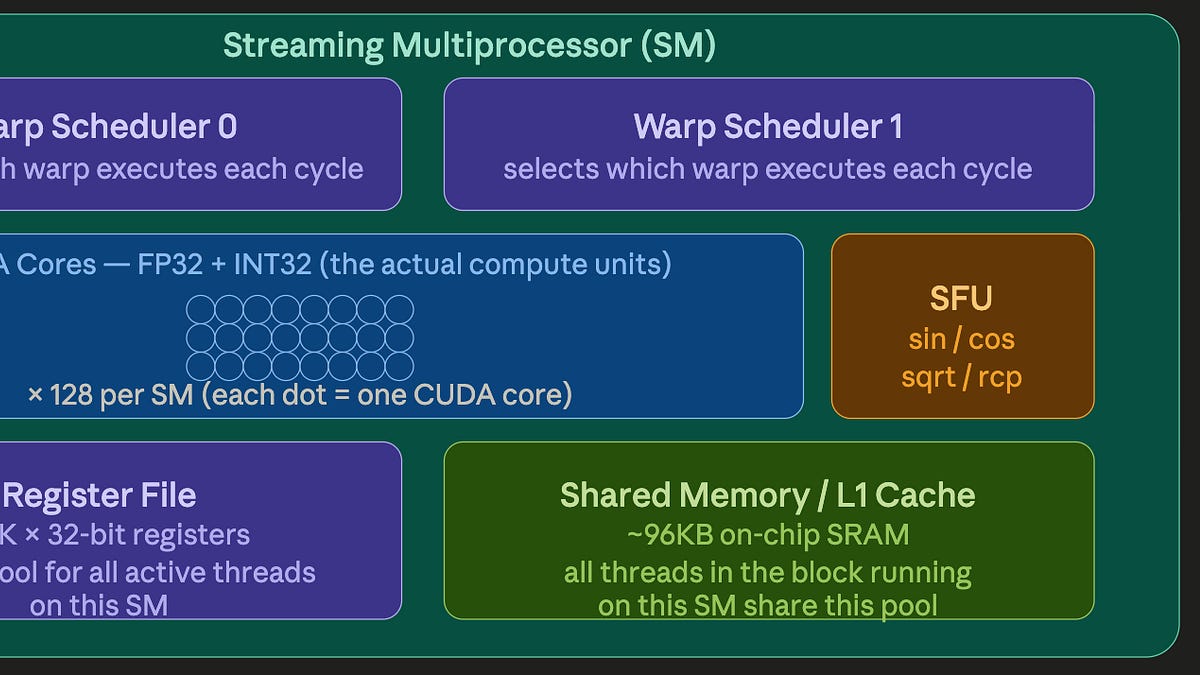
Understanding Threads, Warps, Streaming Multiprocessors, and the Complete Kernel Execution Pipeline
From Huawei's Ascend to a wave of GPU startups — thirteen companies racing to replace Nvidia
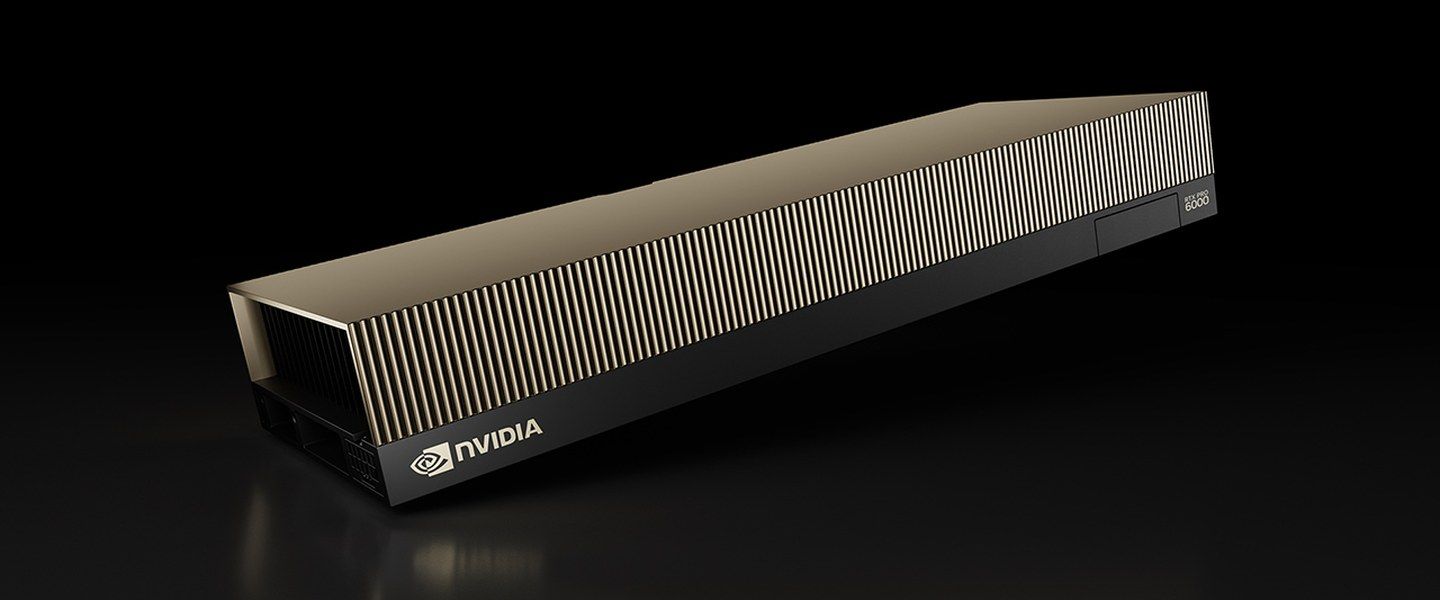
Maximize parallelism across 8x RTX PRO 6000's: high-concurrency inference, model fleets, and 70B fine-tuning.
A look at AI Chip Architectures. NVIDIA, AMD, TPUs, Trainium, Groq, Cerebras.
A curriculum for learning about gpu performance engineering, from scratch to what the frontier AI labs do - wafer-ai/gpu-perf-engineering-resources
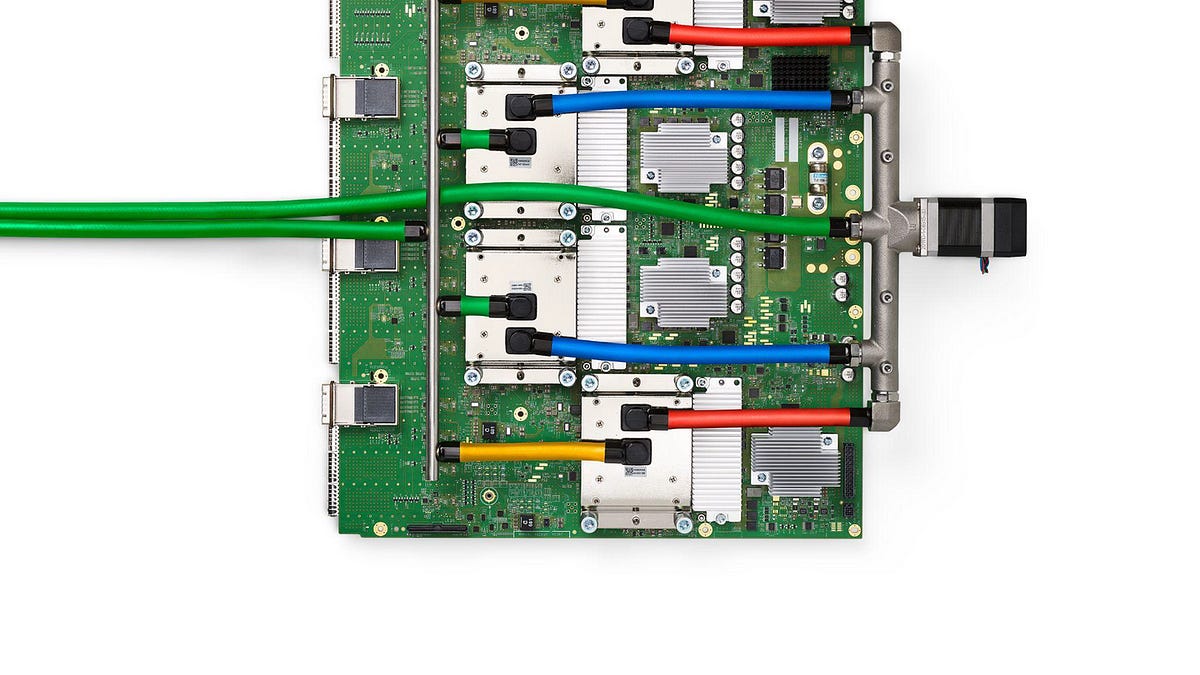
A sample of the designs that followed Google's first Tensor Processing Unit.
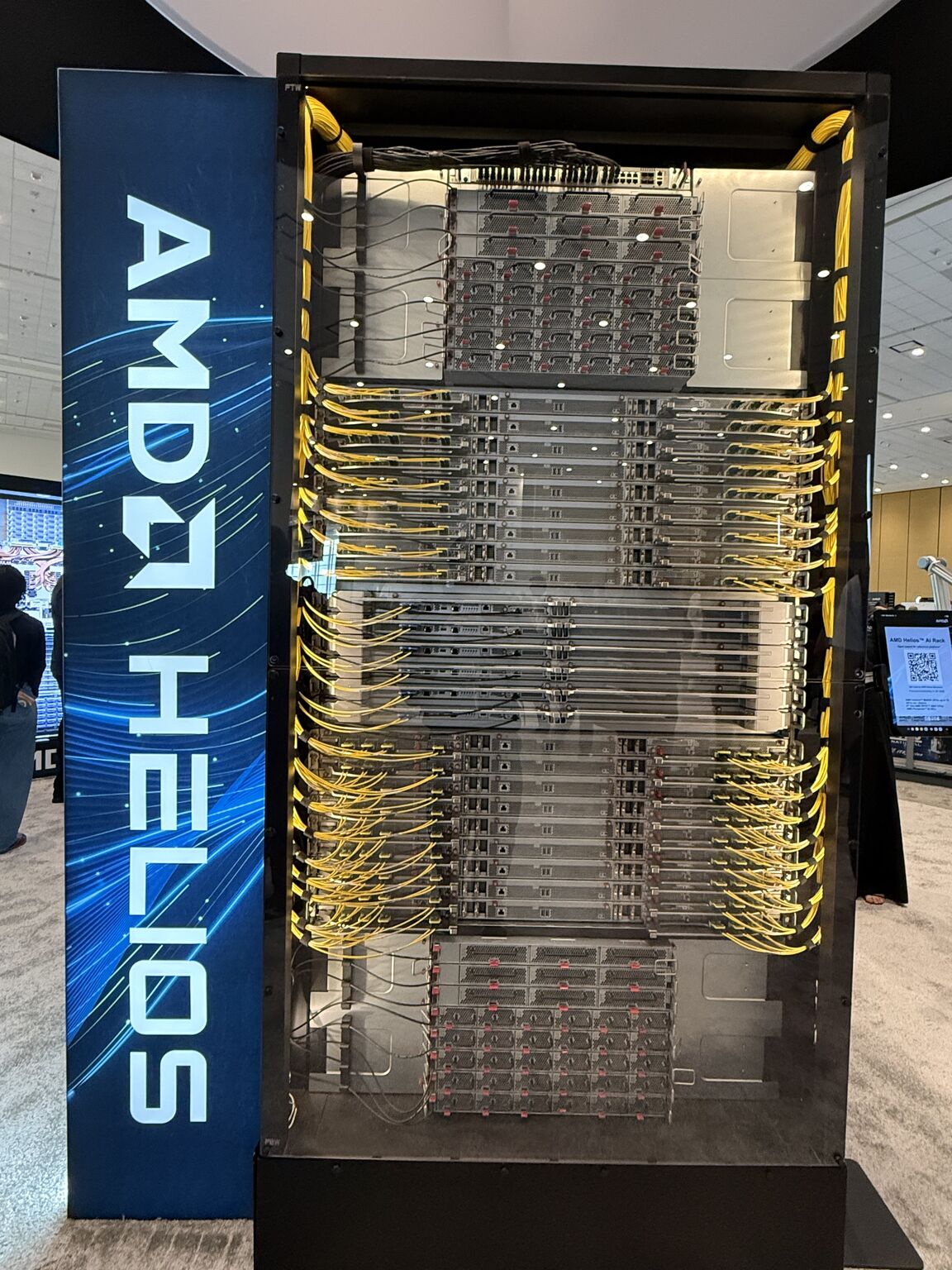
let's talk more technical details about AMD's Helios! Anthropic just signed a $5B deal with AMD. and AMD's own version of GTC, Advancing AI, is happening today and tomorrow. the high level details are: 72 MI455X GPUs, 432GB of HBM4 each, and 2.9 exaflops of FP4. but the most…
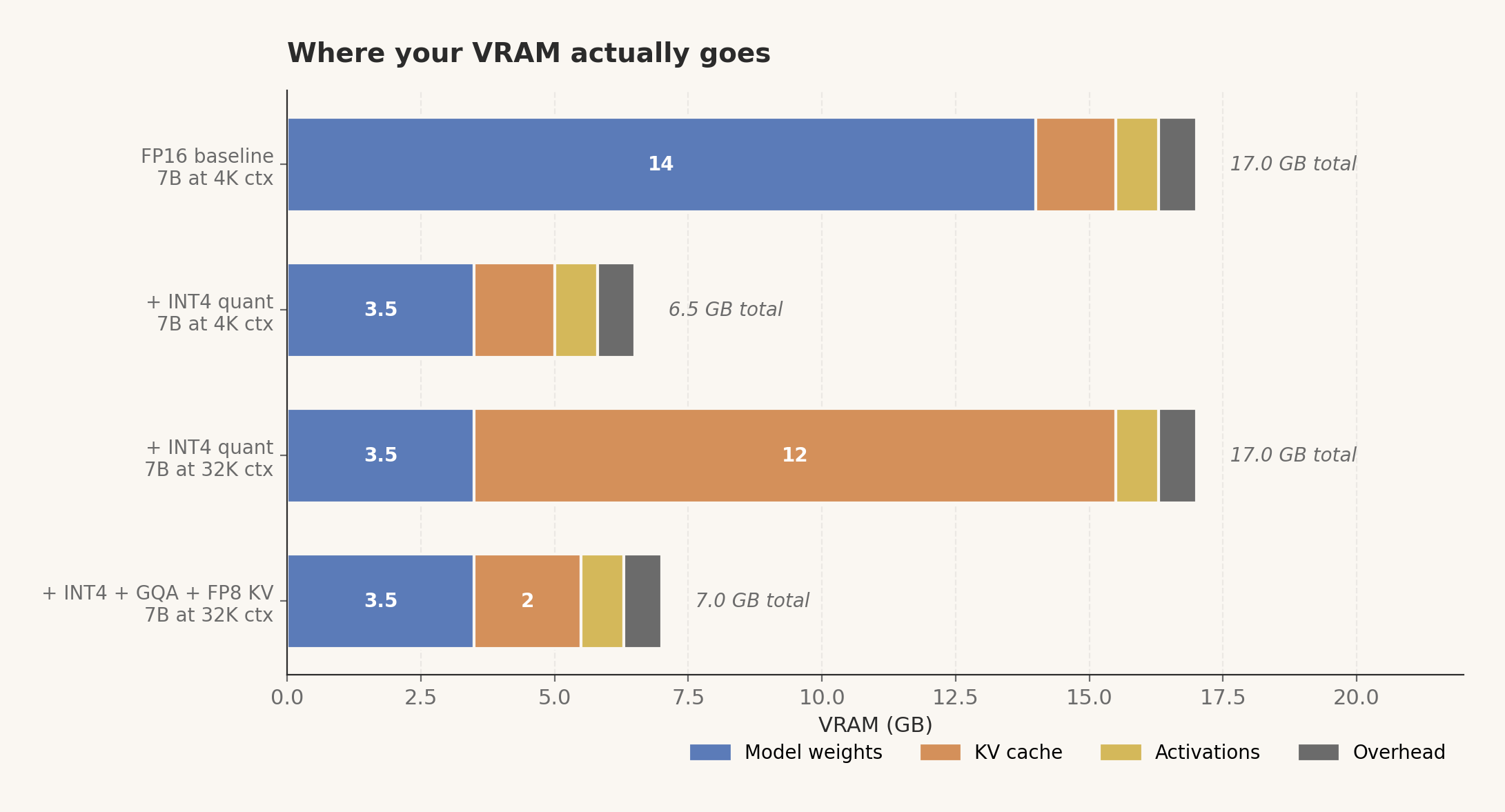
The Practical Guide to LLM Inference on Consumer Hardware A practical walk through quantization, KV caches, Flash Attention, Mamba, MoE, and the runtimes that tie it all together — without the …
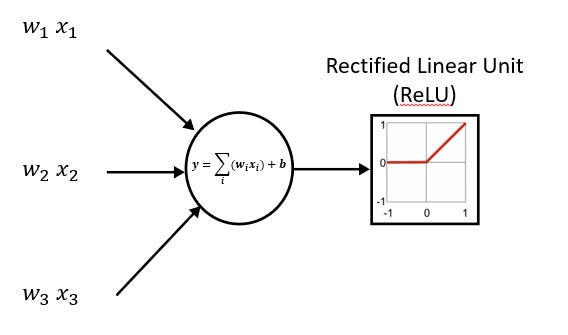
Learning from a classic AI accelerator - Eyeriss

Note: https://gist.github.com/bjpcjp/c85fa4214c1b59c3aa578a6e8e9d871c

The 8-year-old NVIDIA V100 outperformed the RTX 3060 and RX 7800 XT in AI LLMs, achieving 130 Tokens/s at only $200 total cost with mods.

A report from Cast AI reveals that average GPU utilization in the tech industry is only 5%, indicating widespread inefficiency

xAI is reportedly able to utilize just over 10% of its entire NVIDIA GPU fleet, as report suggests lackluster AI software stack optimizations.

HBM, GDDR, and SRAM compared: how memory hierarchy, bandwidth, and capacity determine AI accelerator performance, cost, and which workloads each chip can serve.
prefill (processing the prompt), which is often compute-bound
decode (token-by-token generation), which is usually memory-bound

Tenstorrent has previewed its optimized AI model, which is powered by the Blackhole servers, offering blazing-fast video generation speeds.

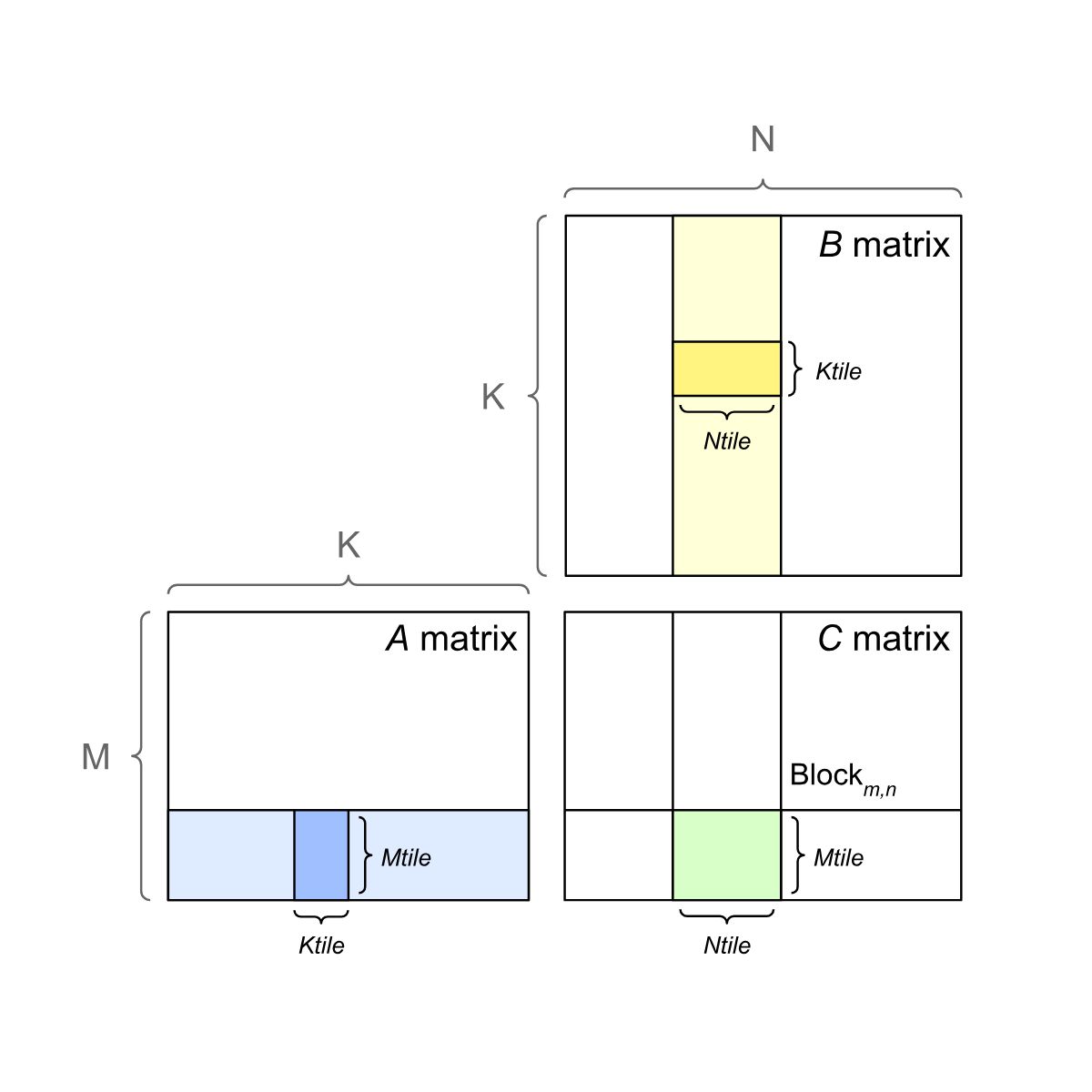
Flash Attention is a simple algorithm: tiled back-to-back matmuls with an online softmax algorithm in between. The algorithm fits in a few dozen lines of pseudocode. Yet Flash Attention 4's production kernel is 2,875 lines, and the hardest part to get right isn't the math. It's…
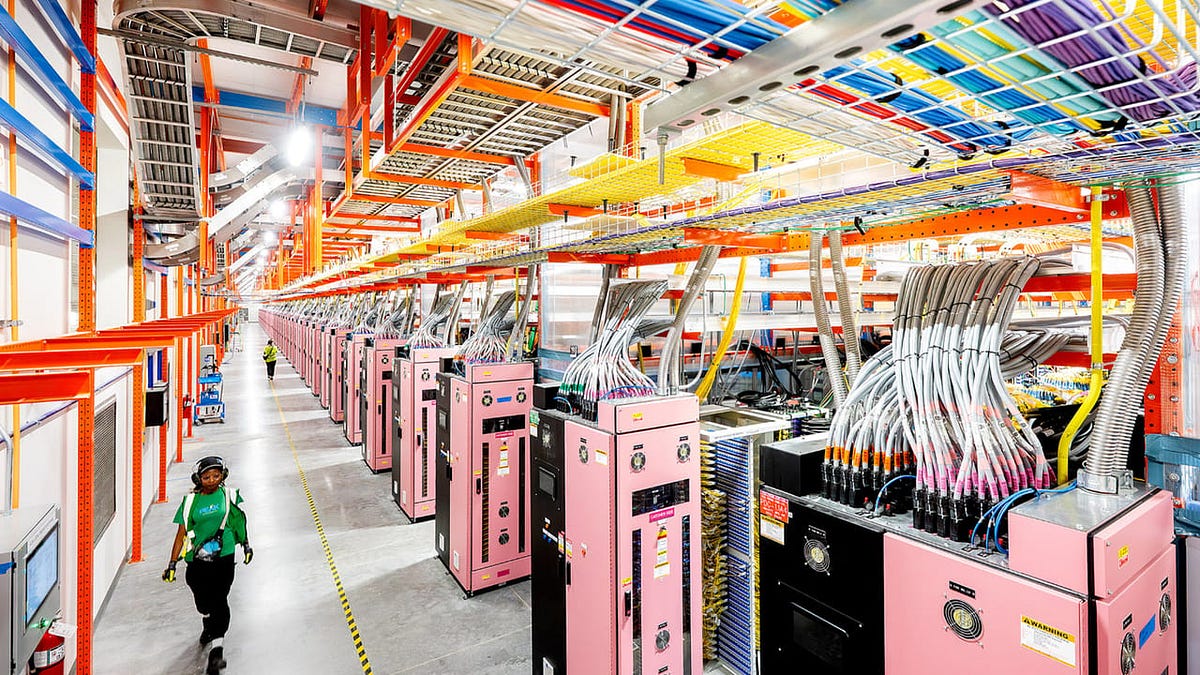
Why Anthropic’s integration into hyperscaler silicon programs may give it a lasting advantage in the economics of frontier AI.
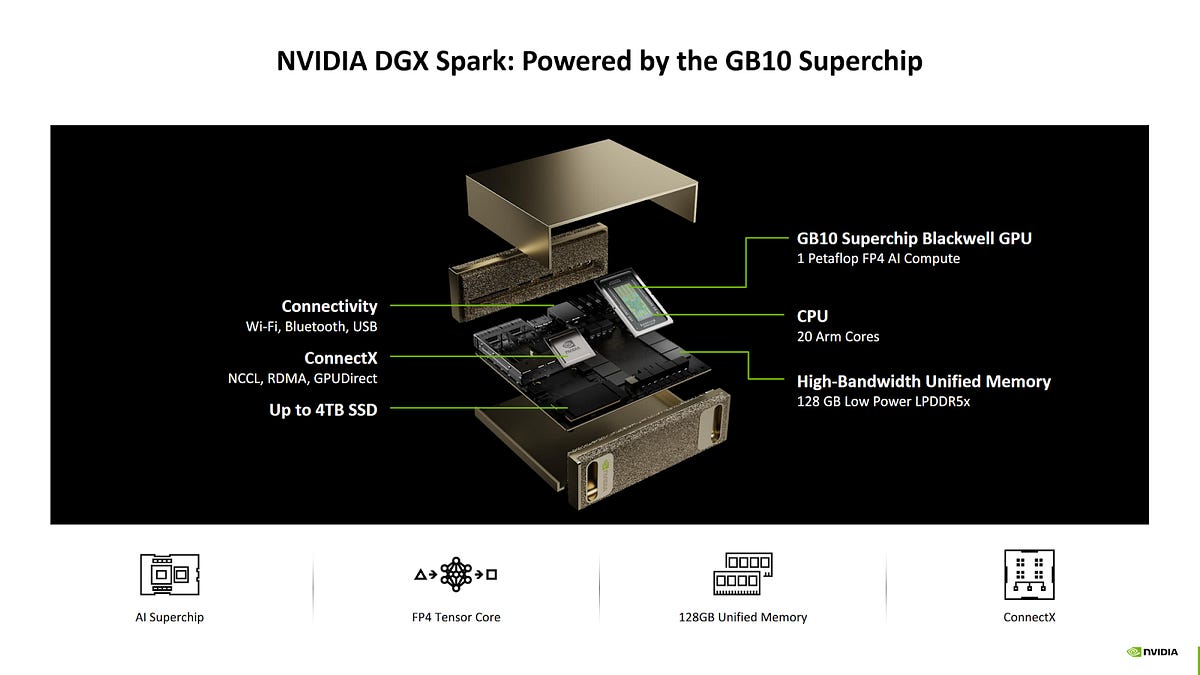
Looking at Nvidia's latest effort to make a big iGPU

Amazon shortened GPU depreciation while Meta extended it—same month, same technology. The $3.6B divergence exposes the accounting discretion behind AI infrastructure economics.

NVIDIA is formally announcing its Rubin AI platform today which will be the heart of next-gen Data Centers, with a 5x upgrade over Blackwell.
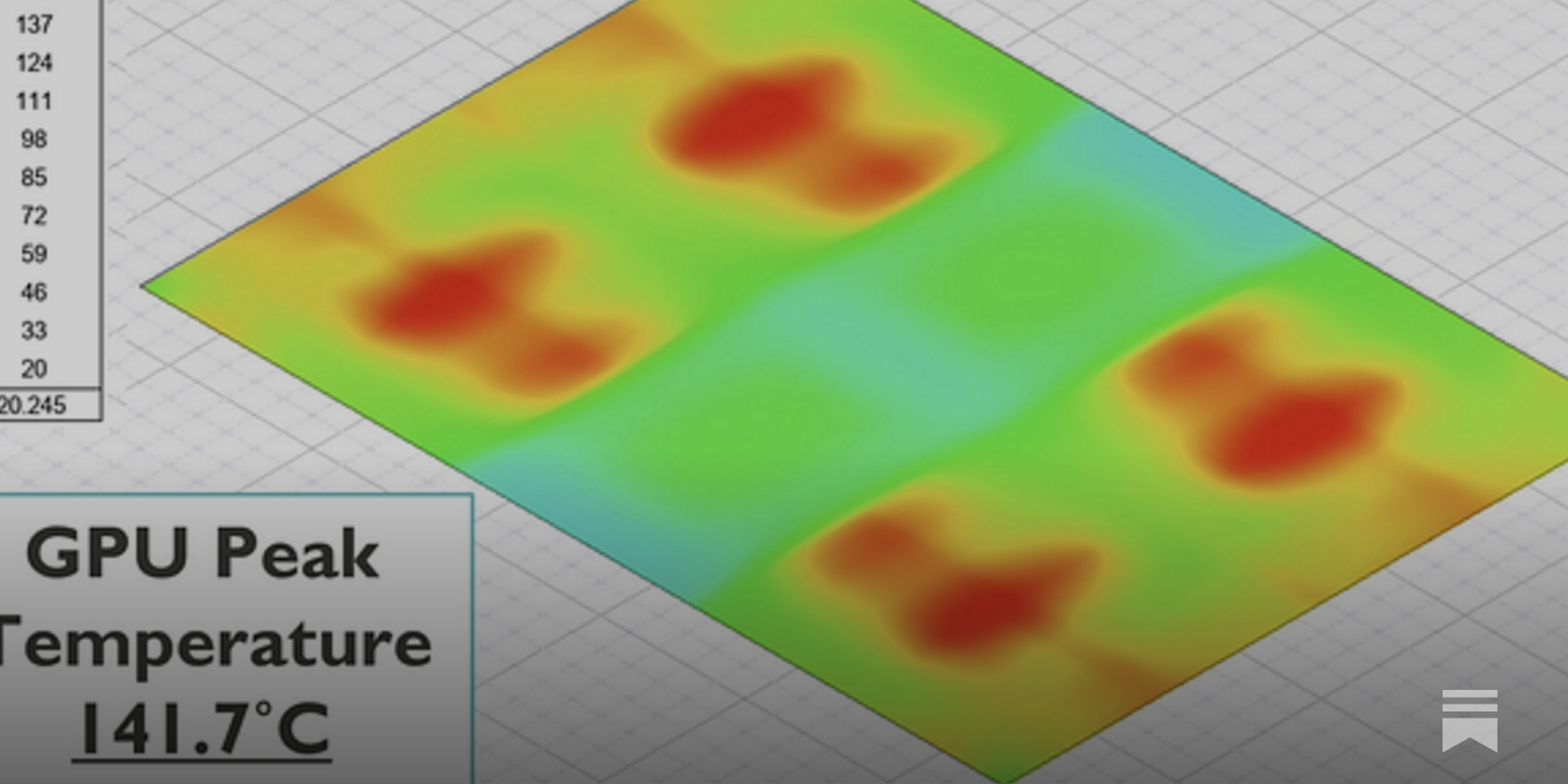
Future AI Accelerators Might Need To Be Slower To Be Faster
This means a singular high-powered compute die consuming ~400W, with multiple 12-Hi HBM stacks.
peak GPU temperature of 69.1ºC, with the HBM silicon reaching around 60ºC in its worst case.

TPUv7 offers a viable alternative to the GPU-centric AI stack has already arrived — one with real implications for the economics and architecture of frontier-scale training.
The mechanism behind this is a time-resource matrix: A scheduling framework that orchestrates compute, memory and control resources across time. Much like a train timetable, scalar, vector and matrix operations move across a synchronized compute fabric without pipeline stalls or contention.
By predicting exactly when data will arrive — whether in 10 cycles or 200 — Deterministic Execution can slot dependent instructions into the right future cycle. This turns latency from a hazard into a schedulable event, keeping the execution units fully utilized and avoiding the massive thread and…

Nvidia announced the Rubin CPX, a solution that is specifically designed to be optimized for the prefill phase, with the single-die Rubin CPX heavily emphasizing compute FLOPS over memory bandwidth…

NVIDIA has surprisingly unveiled a rather 'new class' of AI GPUs, featuring the Rubin CPX AI chip that offers immense inferencing power.

The idea isn't novel, but presents major challenges. Tensordyne thinks it has solved them, and promises massive speed and efficiency gains as a result.
By using Logarithmic Number Systems (LNS), you can slash both the energy cost and silicon area cost of AI inference computations. How much? Tensordyne says that its upcom
Because AI compute is primarily composed of matrix multiplication, this radically simplifies the workload, and allows the functional units of Tensordyne's chip to be significantly smaller. In turn, more of the die can be SRAM cache (6x as much versus the competition), which improves both…

NVIDIA has provided an in-depth look at its fastest chip for AI, the Blackwell GB300, which is 50% faster than GB200 & packs 288 GB memory.

80x Faster Python? Discover How One Line Turns Your Code Into a GPU Beast!

Examining RDNA 4's out-of-order memory accesses in detail, and investigating with testing
A100
67.77 million GPU device-hours across 10,693 GPUs.

Graphics Processing Units (GPUs) have become a de facto solution for accelerating high-performance computing (HPC) applications. Understanding their memory error behavior is an essential step toward achieving efficient and reliable HPC systems. In this work, we present a…
Table of Contents Motivation Optimization goal of GPUs Key concepts of GPUs - software and...

The NVIDIA Collective Communication Library (NCCL) is a critical software layer enabling high-performance collectives on large-scale GPU clusters. Despite being open source with a documented API, i…

This review compares wafer-scale AI accelerators and single-chip GPUs in terms of performance, energy efficiency, and cost for high-performance AI applications. It highlights enabling technologies, such as CoWoS, and explores future directions including 3D integration, photonic…
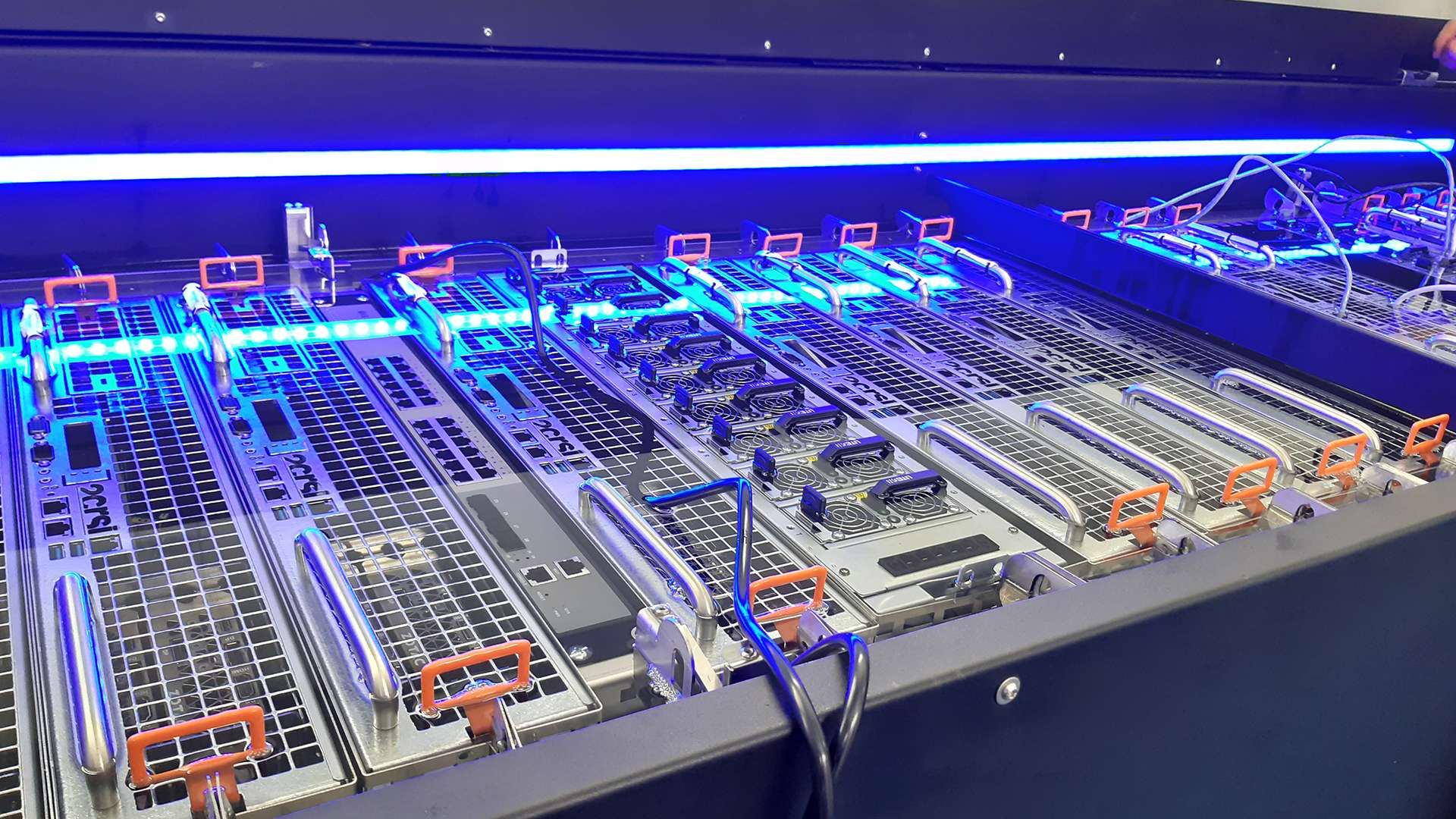
It is going to get hot.

Explore the Google vs OpenAI AI ecosystem battle post-o3. Deep dive into Google's huge cost advantage (TPU vs GPU), agent strategies & model risks for enterprise
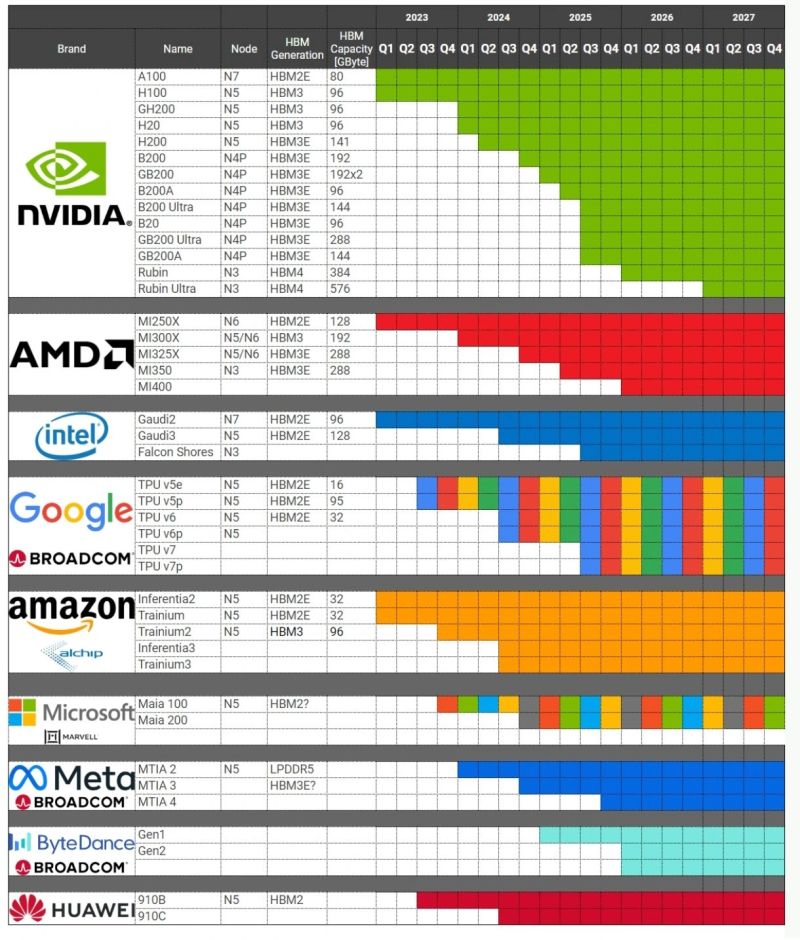
The Future of AI Accelerators: A Roadmap of Industry Leaders The AI hardware race is heating up, with major players like NVIDIA, AMD, Intel, Google, Amazon, and more unveiling their upcoming AI accelerators. Here’s a quick breakdown of the latest trends: Key Takeaways: NVIDIA…
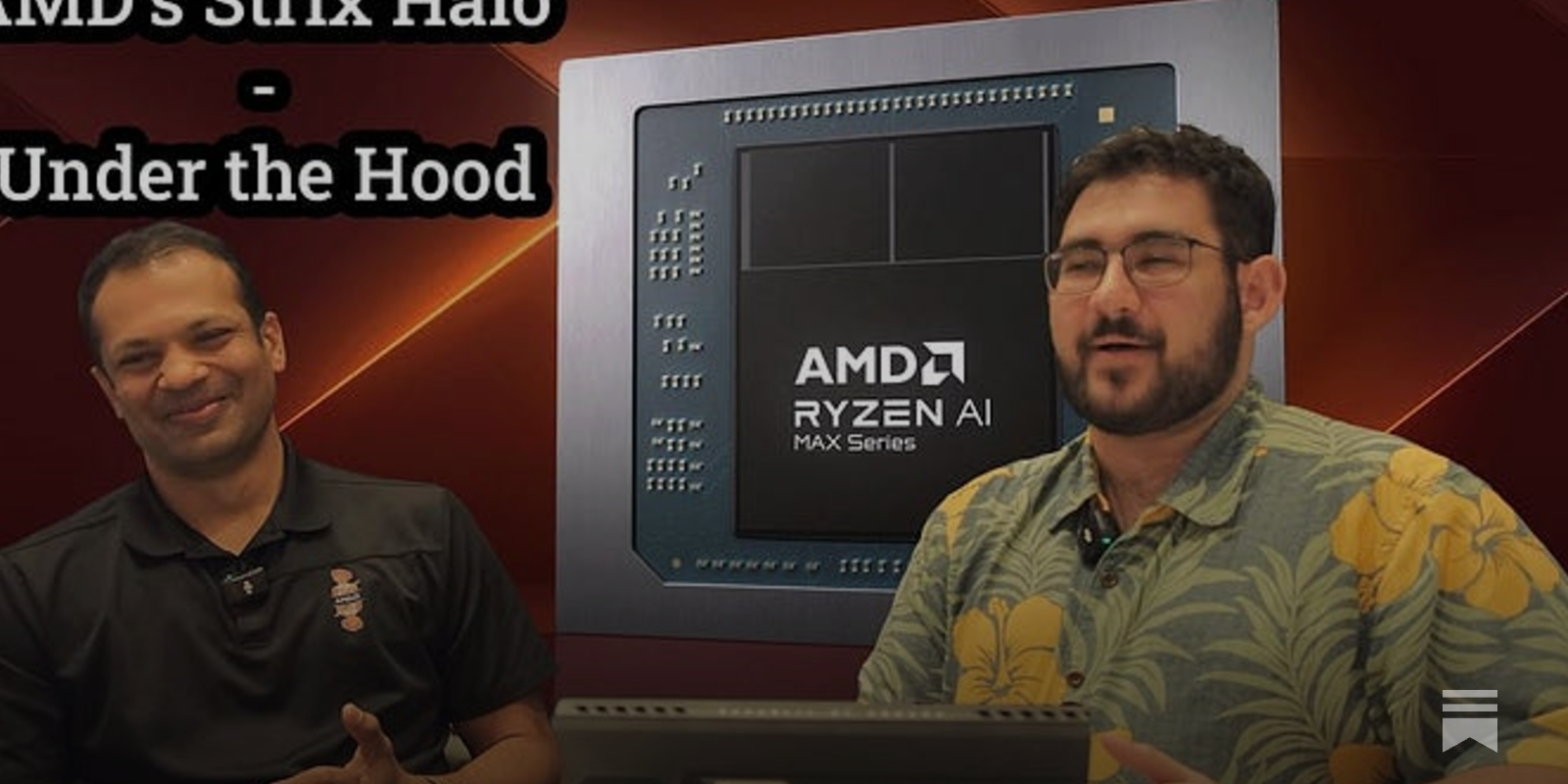
Hello you fine Internet folks,
Parallel thread execution (PTX) is a virtual machine instruction set architecture that has been part of CUDA from its beginning. You can think of PTX as the…

Do my tears surprise you? Strong CEOs also cry.
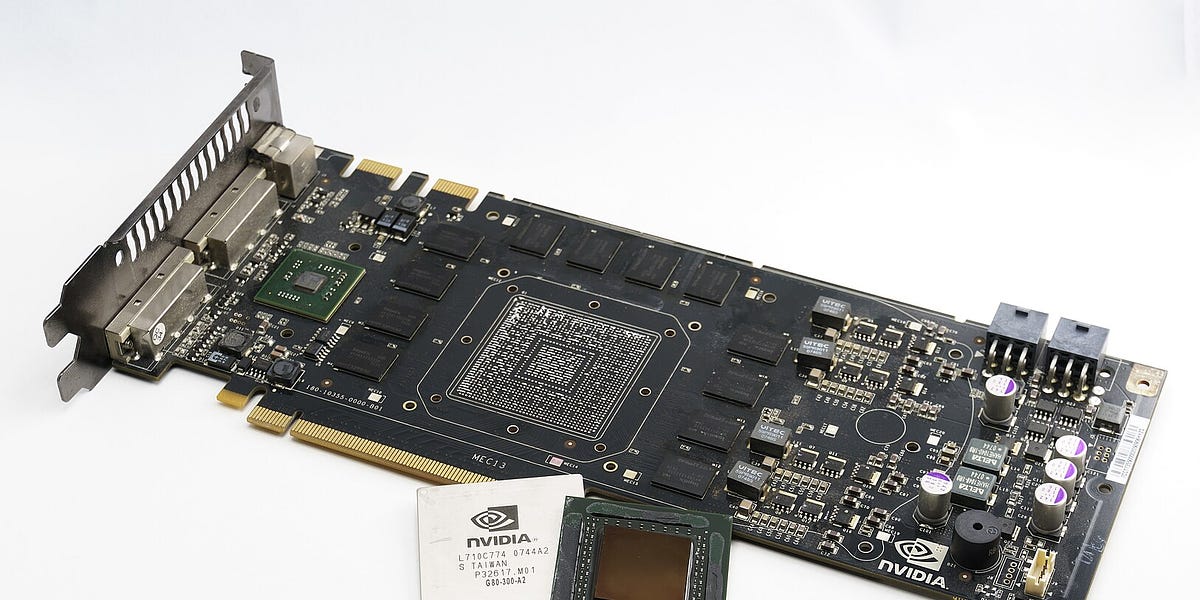
Getting 'low level' with Nvidia and AMD GPUs