NVIDIA Unveils NVHBM Memory To Turbocharge AI Chip Speeds By 30%
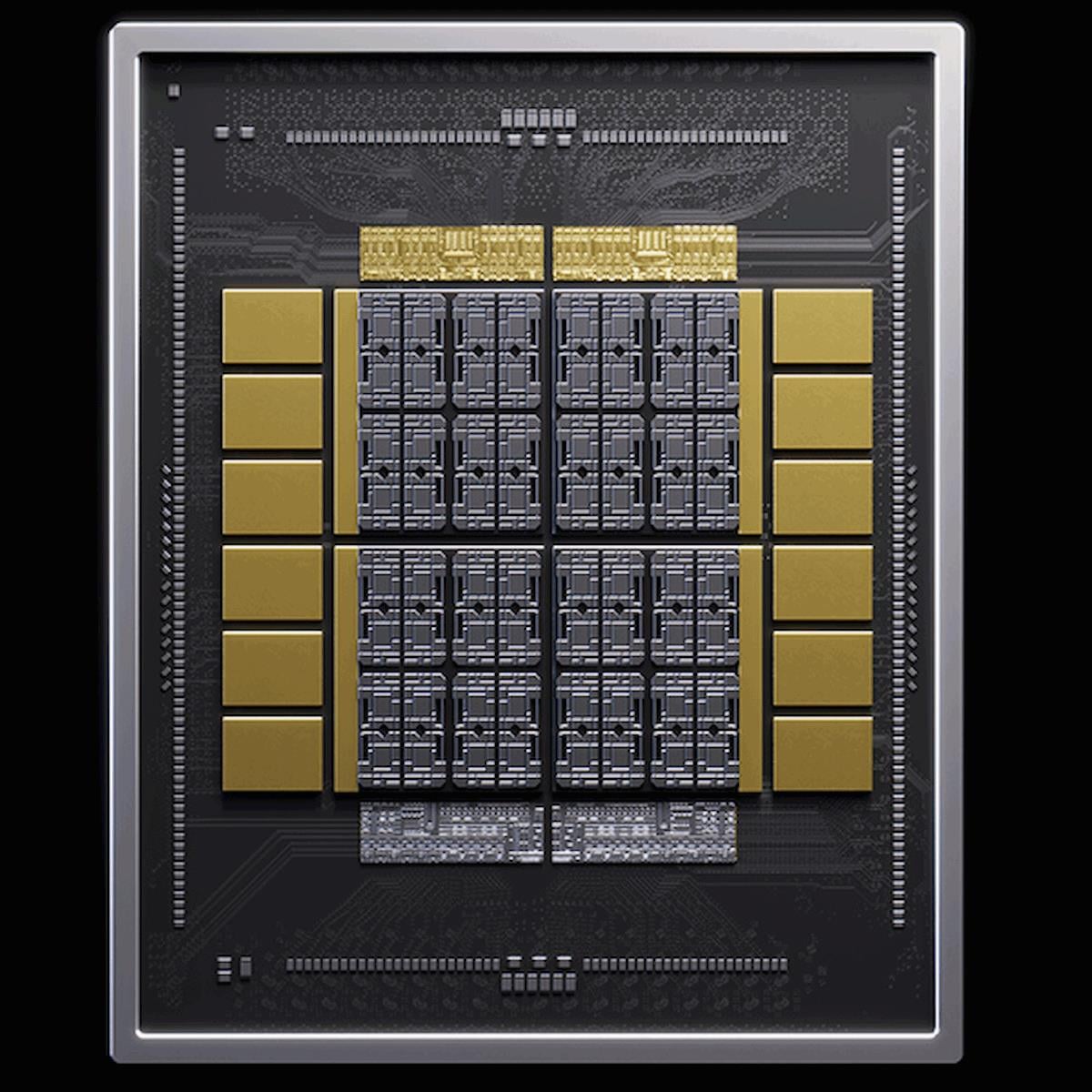
NVIDIA's NVHBM is a new memory technology that partners can license, offering improved efficiency and performance over standard HBM.
NVIDIA's NVHBM is a new memory technology that partners can license, offering improved efficiency and performance over standard HBM.
A look at AI Chip Architectures. NVIDIA, AMD, TPUs, Trainium, Groq, Cerebras.

NVIDIA's dark fiber gambit across the United States appears to be its ultimate insurance policy against the rise of ASICs.
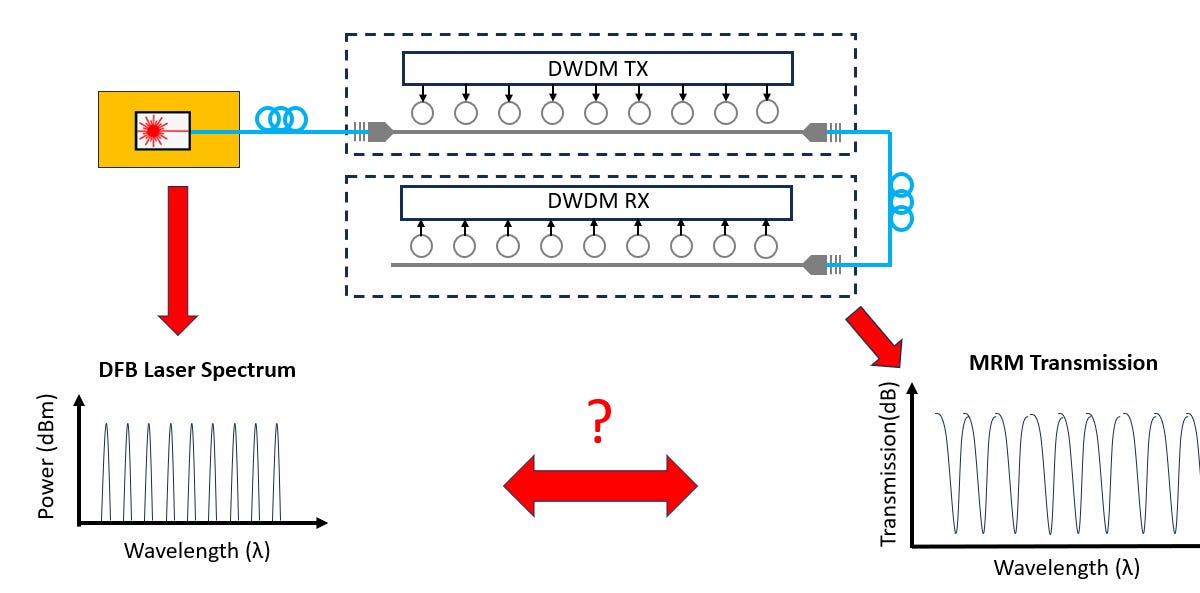
Key physics constraints and architecture challenges for scaling data rates in DWDM - ring modulator physics, clocking, CW-DFB Laser, and package integration

According to benchmark platform Artificial Analysis, Nvidia's new Nemotron 3 Ultra is the most capable open AI model from the US to date.
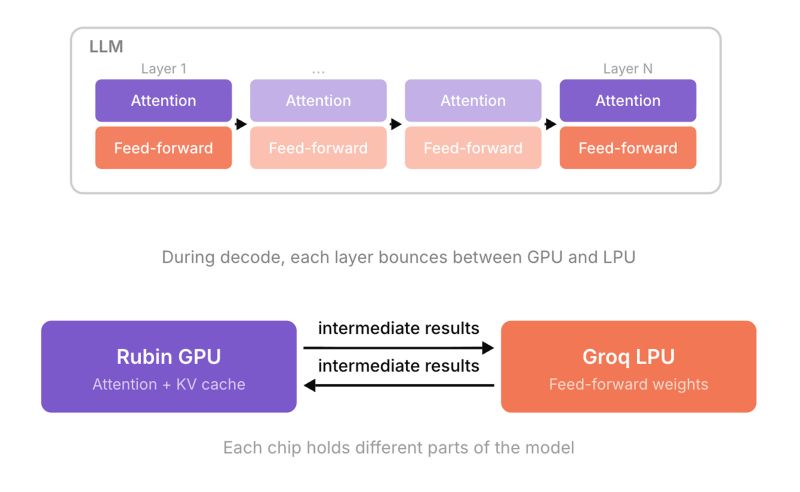
why did NVIDIA cancel the Rubin CPX and replace it with a Groq LPU? LLM inference has two phases. prefill processes the whole prompt at once and is compute-bound. decode generates one token at a time and is memory-bound, reading the full model weights and KV cache for every…

Nvidia researchers developed dynamic memory sparsification (DMS), a technique that compresses the KV cache in large language models by up to 8x while maintaining reasoning accuracy — and it can be retrofitted onto existing models in hours.

NVIDIA is formally announcing its Rubin AI platform today which will be the heart of next-gen Data Centers, with a 5x upgrade over Blackwell.

Nvidia announced the Rubin CPX, a solution that is specifically designed to be optimized for the prefill phase, with the single-die Rubin CPX heavily emphasizing compute FLOPS over memory bandwidth…

NVIDIA has surprisingly unveiled a rather 'new class' of AI GPUs, featuring the Rubin CPX AI chip that offers immense inferencing power.

NVIDIA has provided an in-depth look at its fastest chip for AI, the Blackwell GB300, which is 50% faster than GB200 & packs 288 GB memory.

Nvidia quietly launched a groundbreaking AI model that surpasses OpenAI’s GPT-4 and Anthropic’s Claude 3.5, signaling a major shift in the competitive landscape of artificial intelligence.

So, when I suspend my laptop, then wake it up later, my laptop does turn on, I'm able to, for example, turn up and down the volume with audio confirmation using the kepboard, but my screen remains ...
This post is the seventh installment of the series of articles on the RAPIDS ecosystem. The series explores and discusses various aspects of RAPIDS that allow its users solve ETL (Extract, Transform…
See how to build end-to-end NLP pipelines in a fast and scalable way on GPUs — from feature engineering to inference.

In this post we take a look at how to use cuDF, the RAPIDS dataframe library, to do some of the preprocessing steps required to get the mortgage data in a format that PyTorch can process so that we…

Historically speaking, processing large amounts of structured data has been the domain of relational databases. Databases, consisting of tables that can be joined together or aggregated…
This series on the RAPIDS ecosystem explores the various aspects that enable you to solve extract, transform, load (ETL) problems, build machine learning (ML) and deep learning (DL) models…
NVIDIA has released RAPIDS cuDF unified memory and text data processing features that help data scientists continue to use pandas when working with larger and text-heavy datasets in demanding…