Can the US build a DJI?
How DJI achieves its exceptional margins, from a teardown of two popular drones.
How DJI achieves its exceptional margins, from a teardown of two popular drones.

After a plague-ridden crusade left Venice drowning in debt, the republic created the world's first bond market, changing the relationship between the government and its citizens.

Brittle prosperity is when strong economic data rests on a few booming sectors and never reaches most households. Why the AI economy fits the pattern.

Recent findings reveal that even simple pricing algorithms can make things more expensive.

Industry insiders explained during the FOS Asset Class event why market making is not the same as the “house” in traditional sports betting.
Homeowners who bought at the peak of Austin's real estate frenzy are eating huge losses or crossing their fingers for a comeback.

Food prices today for onions, potatoes, tomatoes, lettuce, avocados and strawberries: USDA wholesale and shipping point quotes with price charts, change against a year earlier, grocery ad prices by region and daily updates. Latest report 18 Sep 2026.
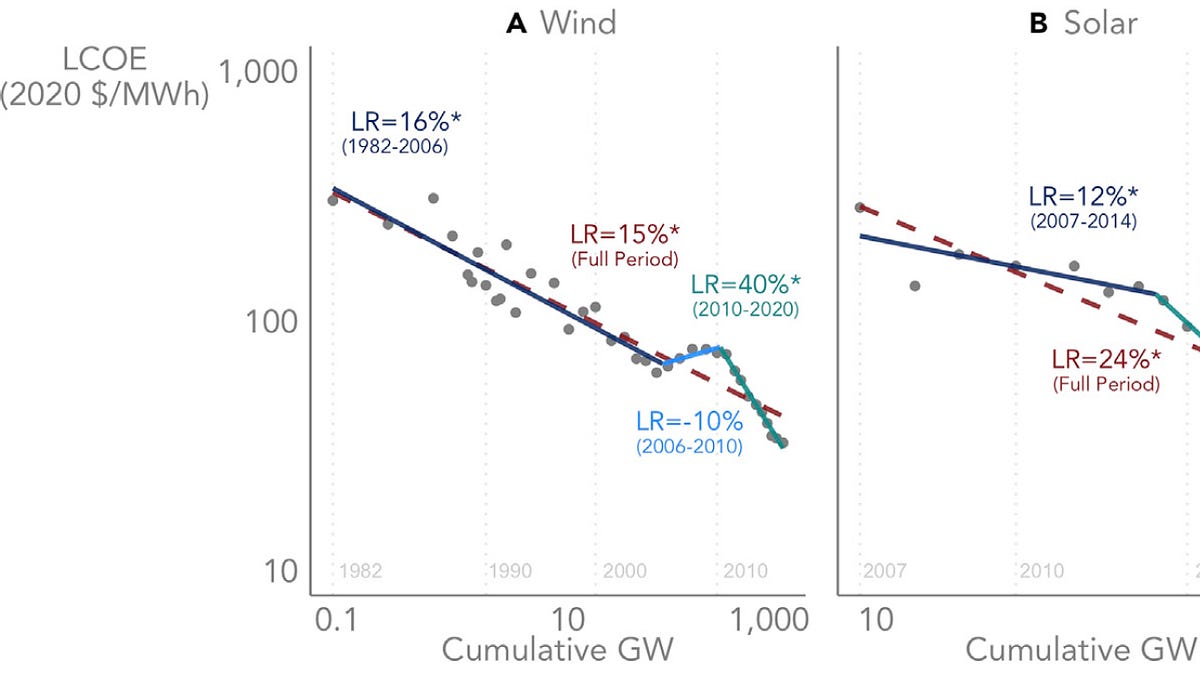
Sunlight into methane for fracking prices
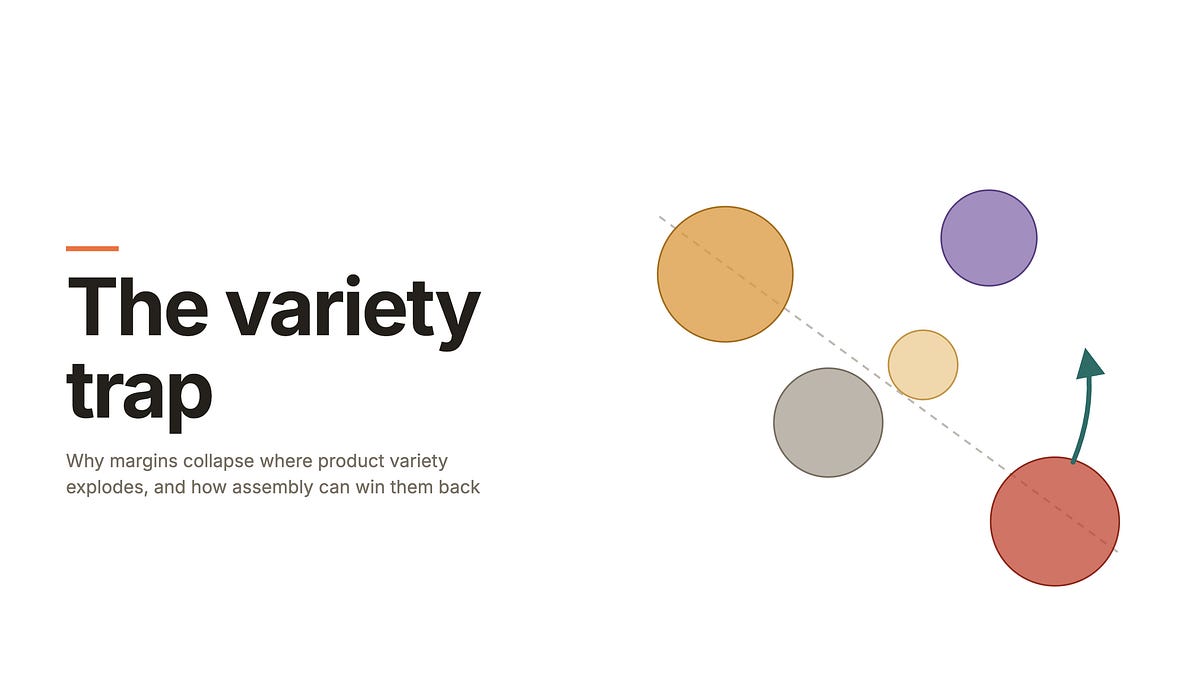
Why Margins Collapse Where Product Variety Explodes, And How Assembly Can Win Them Back
In much of the West, the importance of these close relationships was lost, with competitive bidding and more transactional relationships becoming the norm.
In this model, vertical integration is not about owning everything. It is about owning the layers of the stack where outsourcing would slow learning, limit final integration or affect product performance.

Have you talked about why?

The permission gap is the distance between the part of a system that sees a local problem and the part allowed to fix it. More data does nothing to close it.
In the industry, waiting for a town to grow is called land banking.
That land isn’t waiting for a decision to build. It’s waiting for a decision about what kind of store to build.

Lu Dadao of the Chinese Academy of Sciences warns that oversized, underused HSR infrastructure has ignored basic economic logic, weakened public finances, and derailed regional planning.

The best teams are, on average, the ones paying players the most, but there's a wide disparity between the schools at the top and the bottom of major conferences.

See which countries have the largest central bank assets relative to GDP, led by Hong Kong at 130%.
Note: I'll pull up the article for you. Here's a summary of **Ranked: Central Bank Assets as a Share of GDP by Country**: ### Main takeaway Central bank balance sheets grew sharply after the 2008 financial crisis as authorities responded to successive economic shocks. This piece ranks 20 major economies and financial centers by central bank assets as a share of GDP, using the latest Q1/Q2 2026 data…

Commercial lease law, rent indexing and planning rules explain the retail mix other countries are losing

“Pay-what-you-want” isn’t just for museums and churches.

Two tribes dominate every conversation about gold, and both lose money reliably.

An economist watched people pay $40 for a $1 bill. Here's why smart people always lose.

America's biggest egg company can't set the price of a single egg, which is the whole story, in both directions.
Eggs.org is the home of the Egg Clearinghouse,
It is a clearing mechanism for the slack in the system, and it is tiny.

A given level of LLM intelligence costs about a thirtieth of what it did a year ago, and the rate of decline is accelerating. Using Artificial Analysis's measured cost per task, this post traces the falling price of each capability level, explains why cheaper intelligence leads…
A great deal of useful work does not require the smartest model available, but a model that is good enough, applied many thousands of times
At today’s prices a full pass over the corpus costs a little over a hundred dollars with a model whose capability was at the frontier in the spring. At the prices of this past March, the same pass with the same level of capability would have cost several thousand dollars, and a year ago that…

Big Tech is working its way through all four stages of a money-spending matrix legendary economist Milton Friedman outlined.
Milton Friedman, the legendary economist, laid out a simple matrix. Spend your own money on yourself and you’re disciplined on cost (it’s your money) and clear on value (you know what you want.). That’s an efficient economy, though not a very vibrant one. Spend your own money on someone else and…
big tech companies are spending other people’s money on other people.

All that glitters is not gold: The most valuable things in the world!
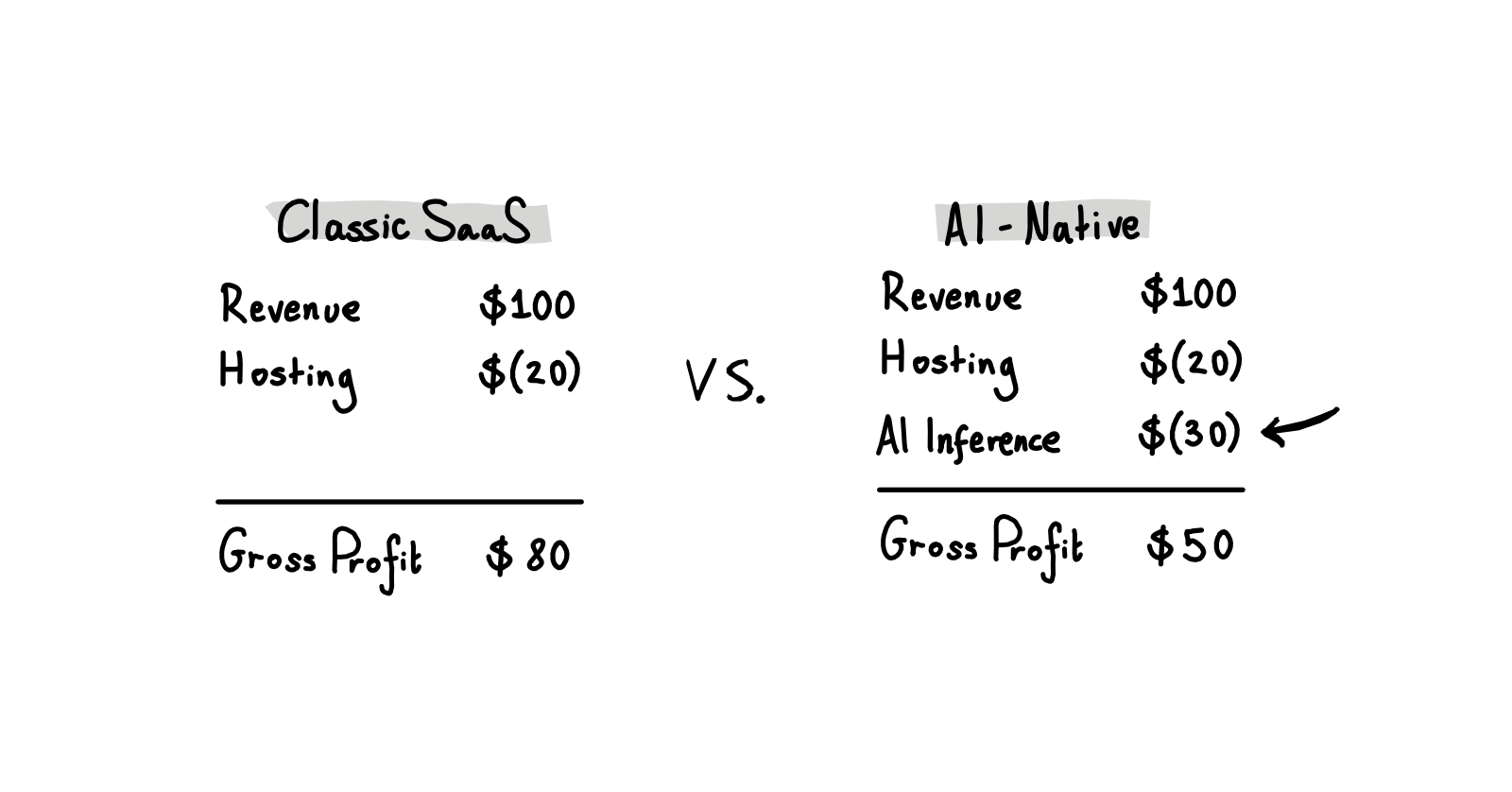
Why AI is compressing software margins, and what that does to the SaaS playbook

America’s greatest rival is single-handedly averting a global energy crisis. No one knows how the country is doing it—or why.
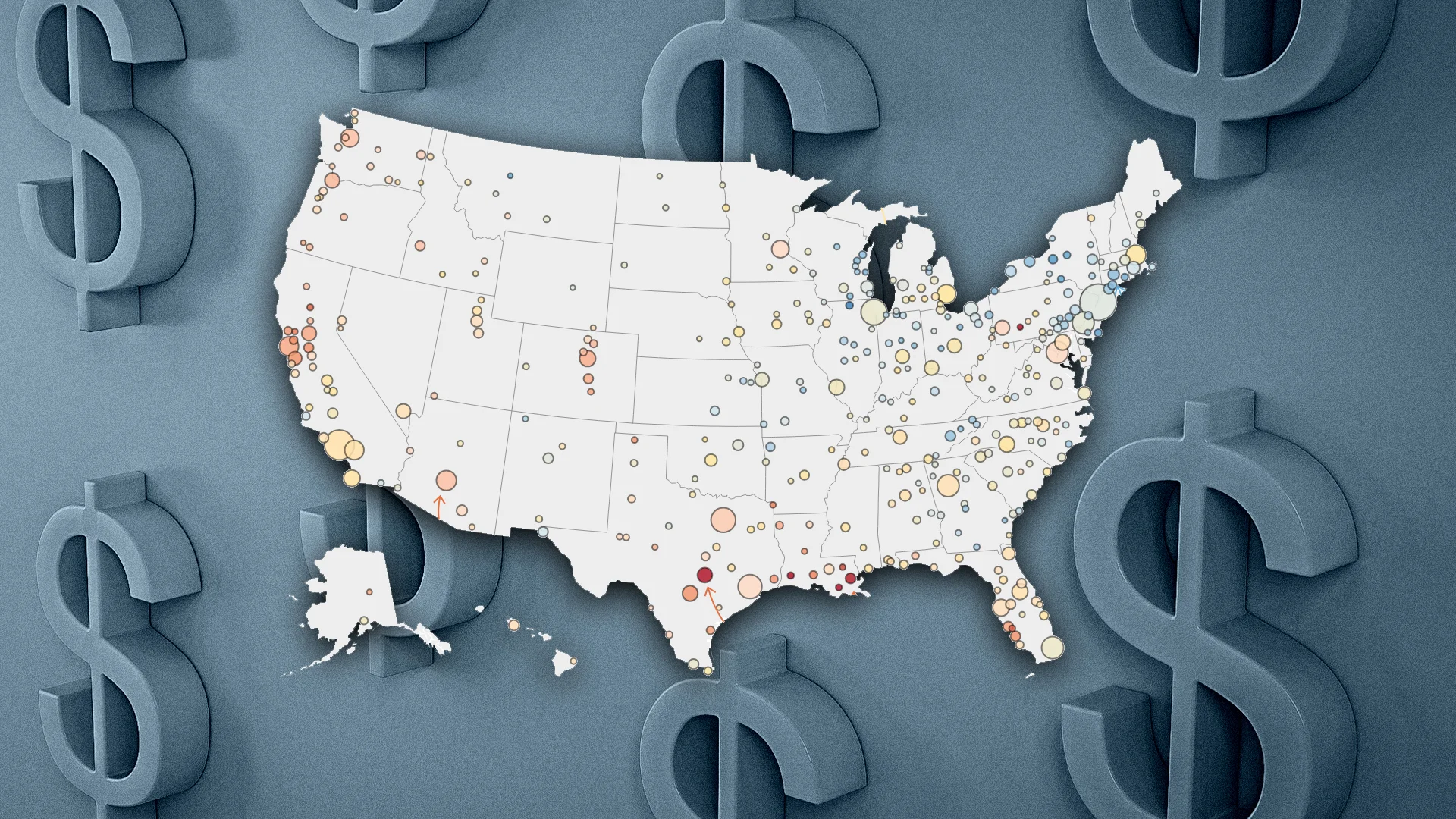
Zillow slightly upgrades its national home price outlook—predicting that over the next 12 months, U.S. home prices are likely to shift +0.0%.

Kelefa Sanneh reviews “Food Justice Undone: Lessons for Building a Better Movement,” by Hanna Garth.

Who owns downtown buildings? The answer has remarkable implications for our city's future

Building a moat is the difference between having fun with business, vs eating glass all day, every day, for years. This is how moats are actually built.
It’s also true that Power is much easier to identify than it is to build.
Bandag

Waking up to the crushing cost advantage phytoplankton carbon has

How power and transparency affect efforts to stamp out bribery.
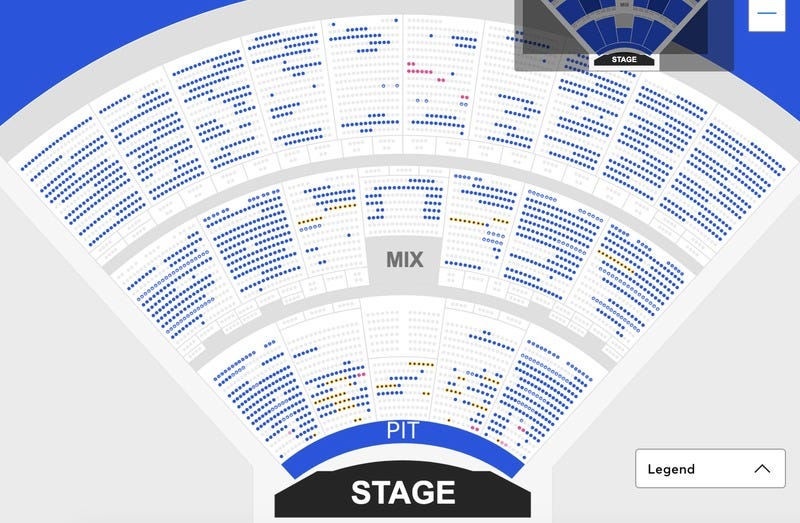
The concert business has a trust problem. The economics are just where it shows up first.

Why the poorest people in the world spend fortunes burying their dead
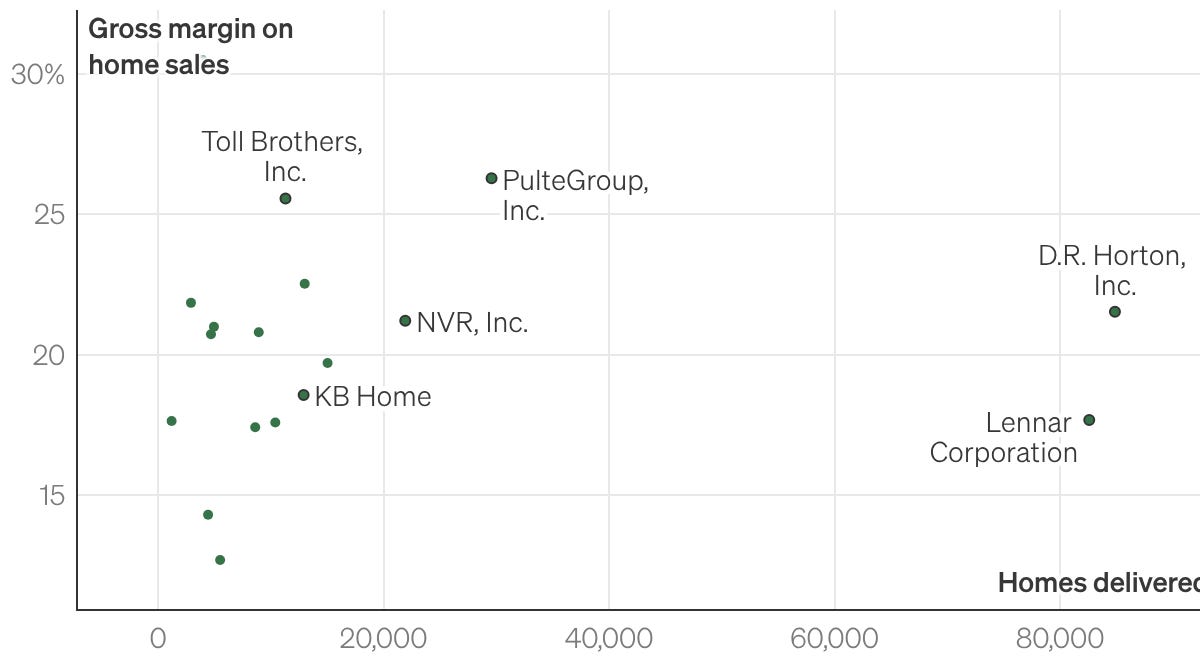
Over the last few months we’ve examined the extent of the construction industry’s productivity problem.

Manoj Singh wrote an article for Investopedia titled Understanding the Federal Reserve’s Balance Sheet (20 February 2026).
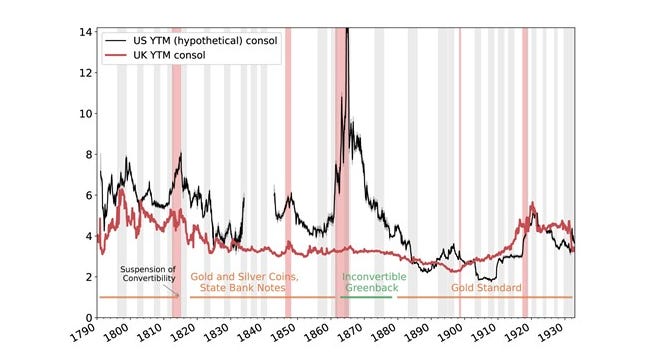
If you buy into this Pflueger/Yared perspective, then the price of exorbitant privilege is outspending your military adversaries. And the US has outspent other advanced economies by a large margin when you express defense spending as a fraction of GDP. I took its NATO partners…

Making all that whey is complicated.
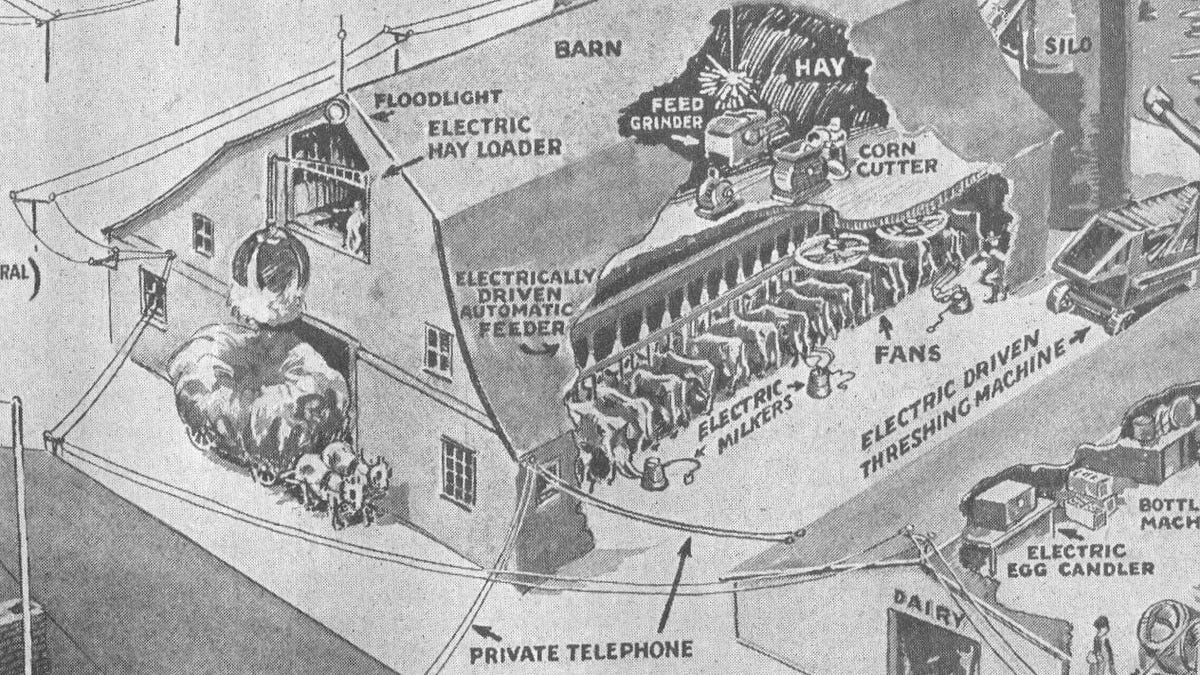
The Weekend Windup #29 - Cool reads, events, links, and more

How Britain built a system where cargo-dependent nations pay rent forever. And why that system is finally cracking.

We all know they’re casinos. It’s time to look at the data behind the froth.
The vast majority of these bets are not on questions that might produce useful information. Roughly 90% of Kalshi’s trading volume (dollars exchanging hands between bettors) is from sports betting, making Kalshi effectively a sports gambling website with a small prediction market attached. I find…
I’ve found that the benefits of prediction markets fall into five different categories.

Two years ago, my wife went on her morning walk past the school across the street, when she saw the school’s custodian—dead on the sidewalk of what we later learned was a heart attack.

The jobs are coming back, despite President Trump’s tariffs and harsh immigration enforcement.
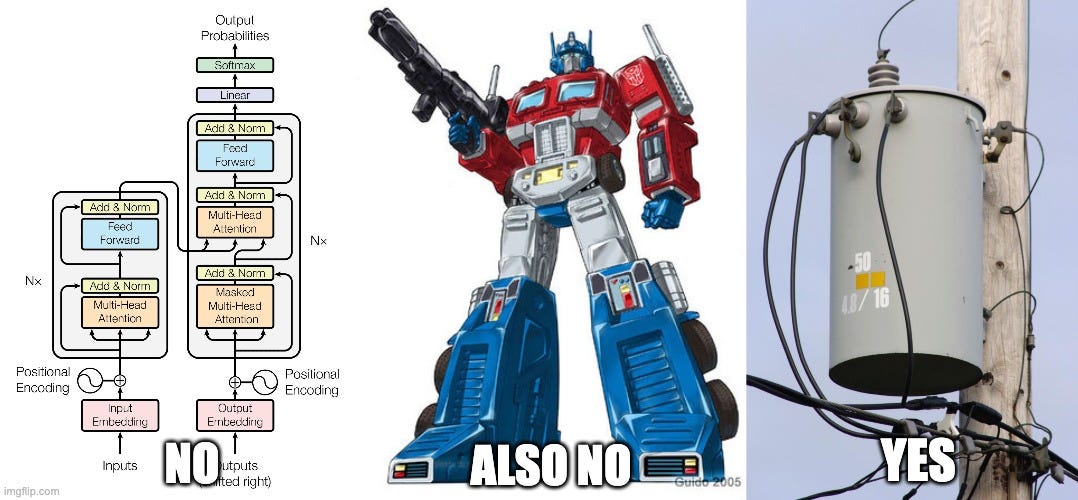
And the long slouch towards cyberpunk

There is a closing window to stop Waymos from creating omnigridlock.
Amazon shortened GPU depreciation while Meta extended it—same month, same technology. The $3.6B divergence exposes the accounting discretion behind AI infrastructure economics.

Over the course of 2025, the average tariff rate on U.S. imports increased from 2.6 to 13 percent. In this blog post, we ask how much of the tariffs were paid by the U.S., using import data through November 2025. We find that nearly 90 percent of the tariffs’ economic burden…
Removing them can turn a service people tolerate into one they’re happy to use.
You’ve probably seen this famous graph that breaks out various categories of inflation, showing labor-intensive services getting more expensive during the 21st century and manufactured goods getting less expensive.