Why barcodes are about to go extinct
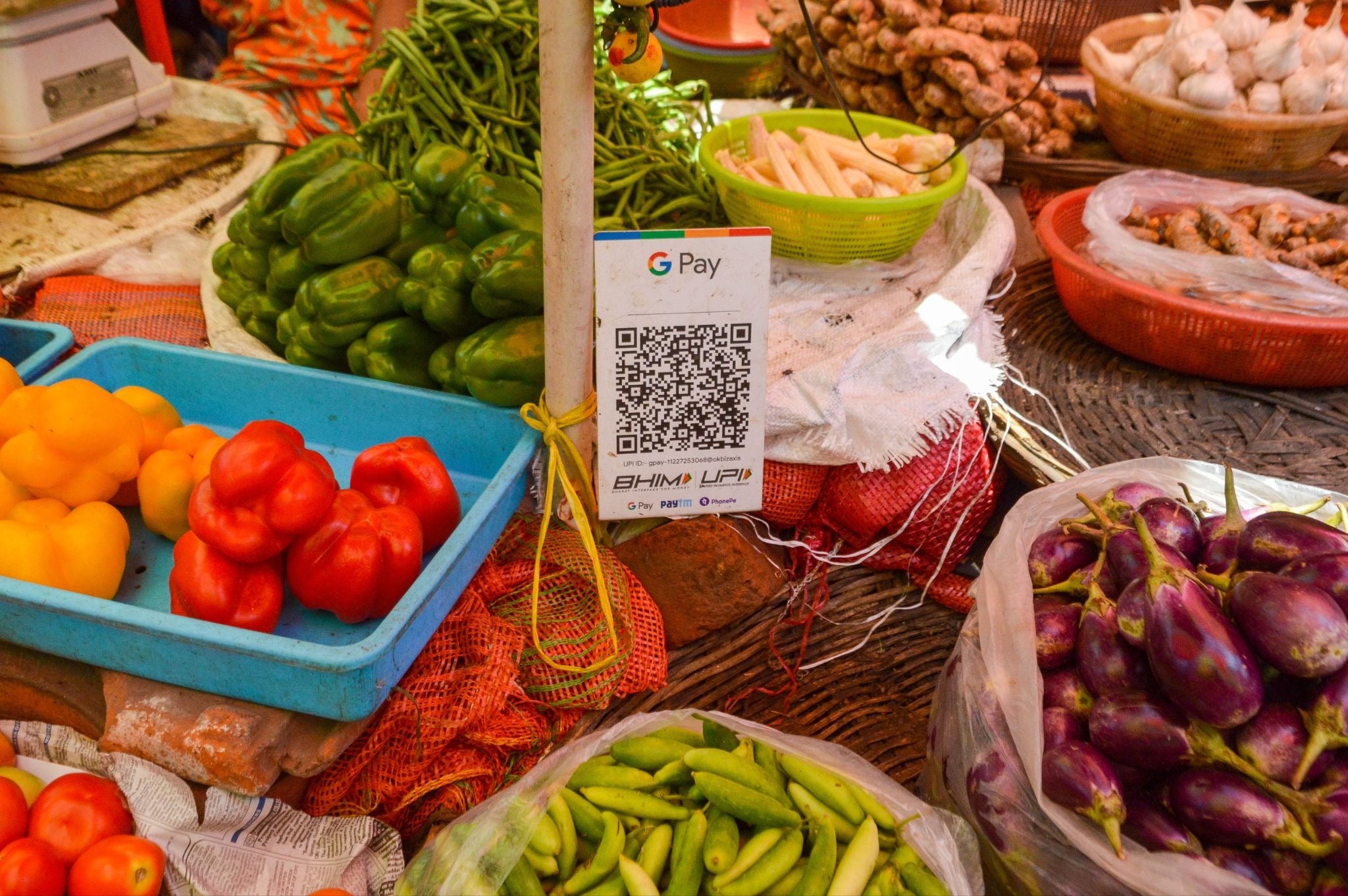
Why barcodes are about to go extinct and QR codes are set to take over, transforming the future of retail.
Why barcodes are about to go extinct and QR codes are set to take over, transforming the future of retail.
We all know that a product’s price influences demand. Yet there are still retailers who regard pricing and forecasting as two separate activi
The price elasticity of basic necessities such as milk, eggs and bread is low. Consumers will always continue to buy these.
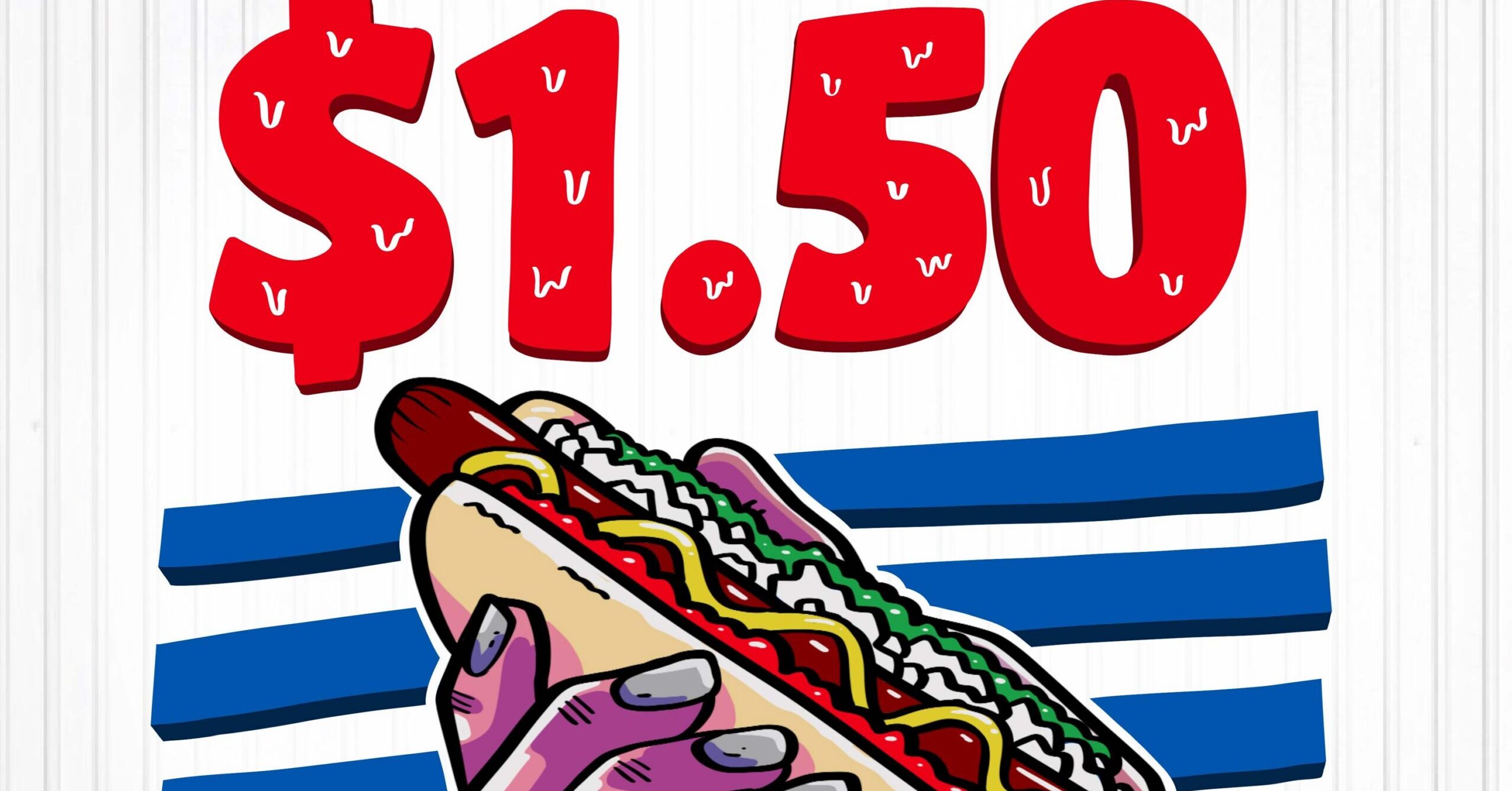
The price and quality of the $1.50 Costco frank haven’t budged in 40 years. It’s the last—and best—deal in the country.
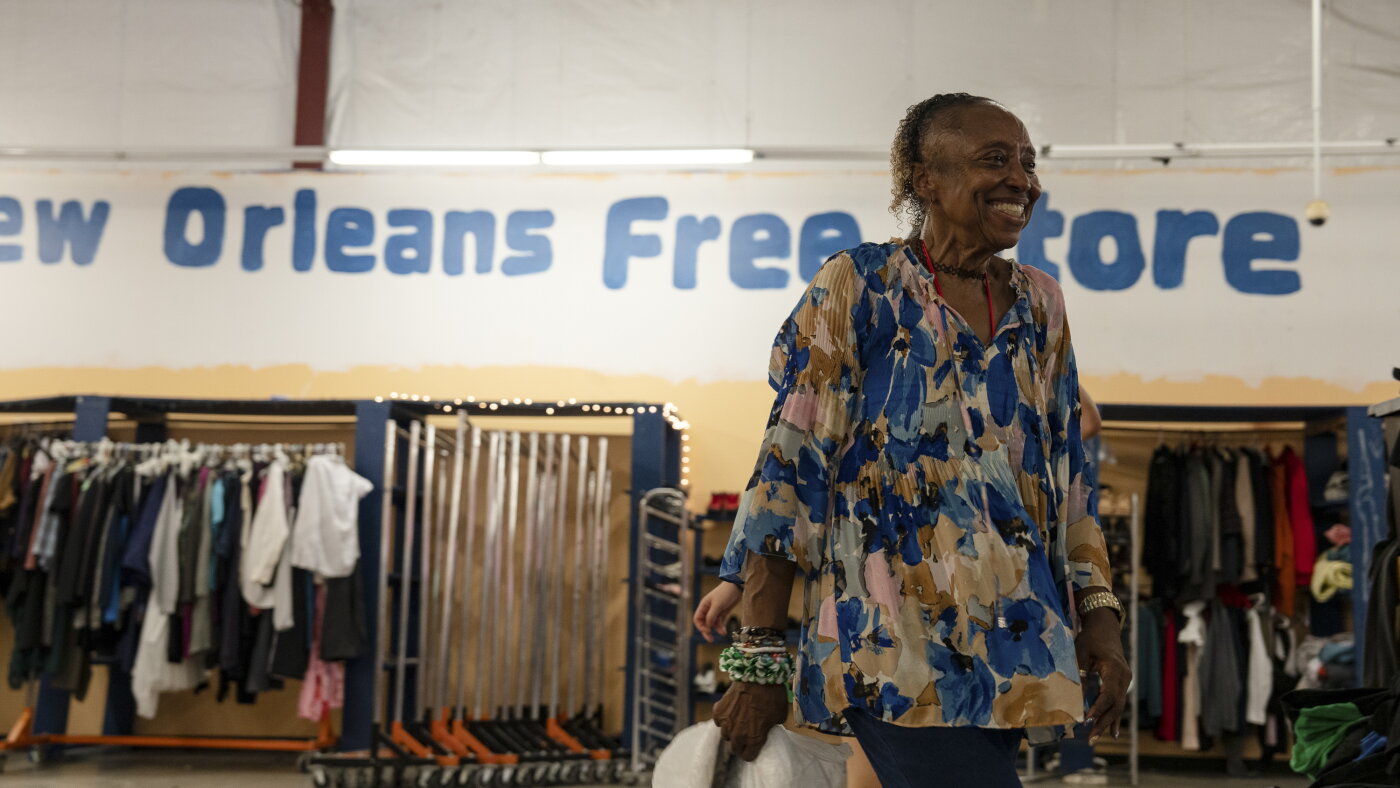
In the Lower Ninth Ward, an old Family Dollar stands covered in graffiti. It looks abandoned. But inside, it's a treasure trove — clothing, home goods, toys and books. And everything is free.

The viral experiments are testbeds for autonomous AI
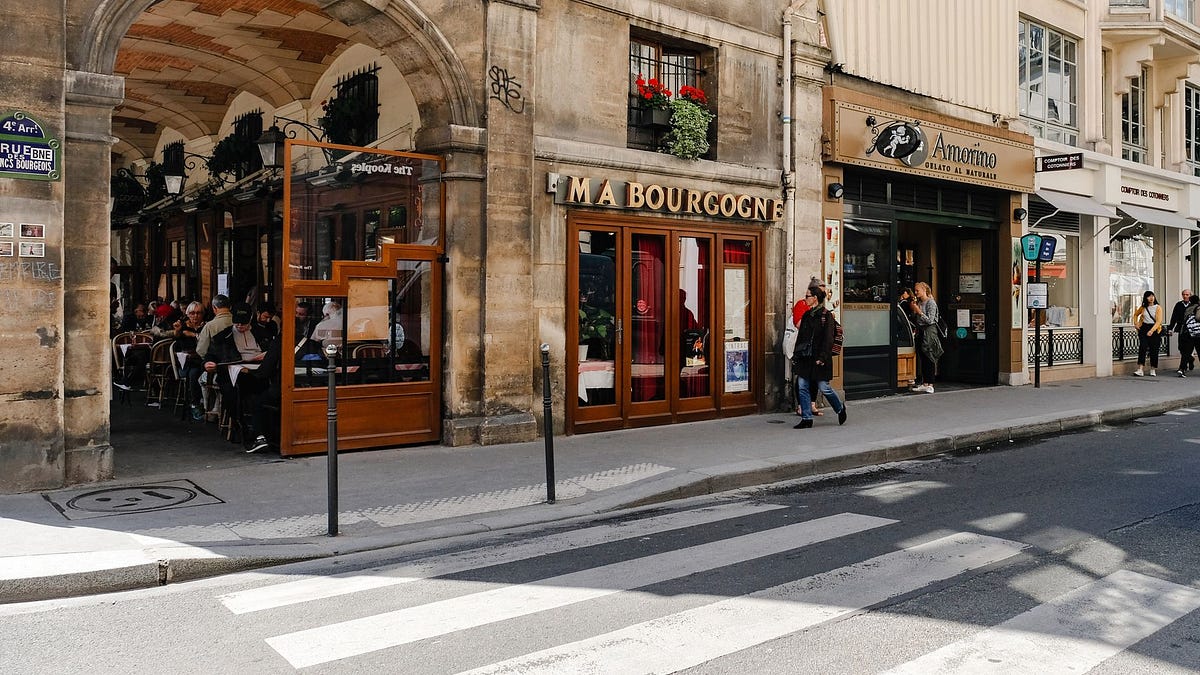
Commercial lease law, rent indexing and planning rules explain the retail mix other countries are losing

Most people who want to start a clothing brand begin in completely the wrong place. They open a design programme, sketch out a collection

Retailers need to stop owning so much inventory risk and start operating more like platforms.
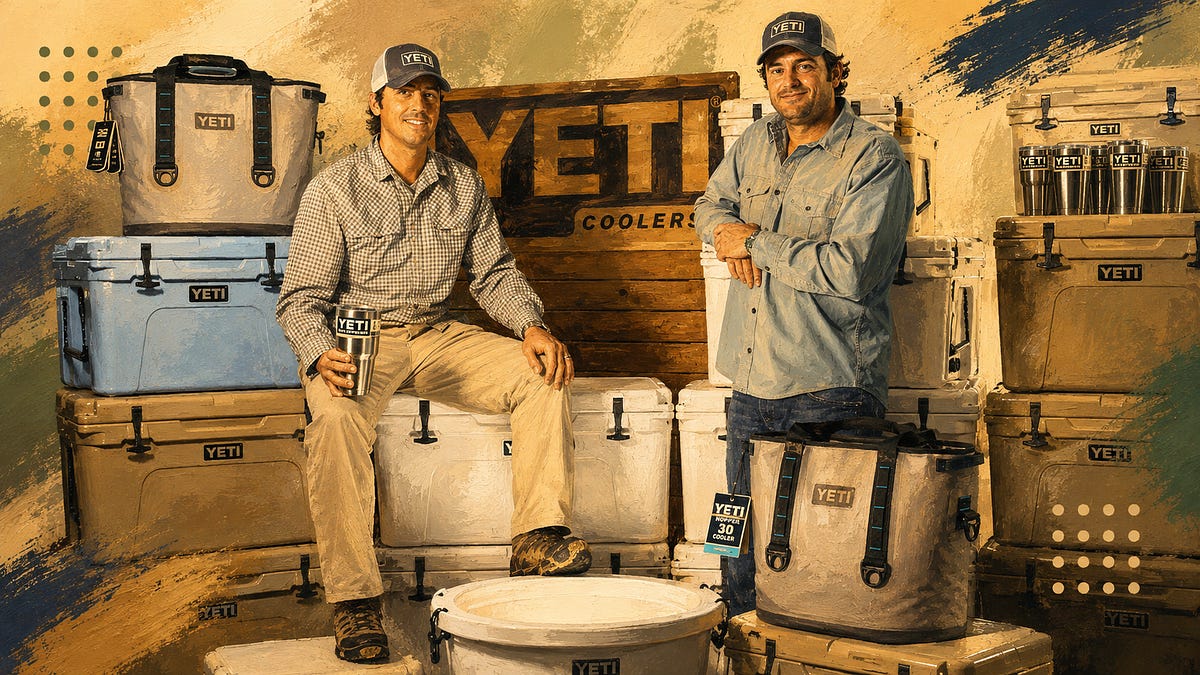
Guy Raz Newsletter – August 27, 2026

Shoppers' changing habits are fueling a major shift in what types of businesses are occupying storefronts.
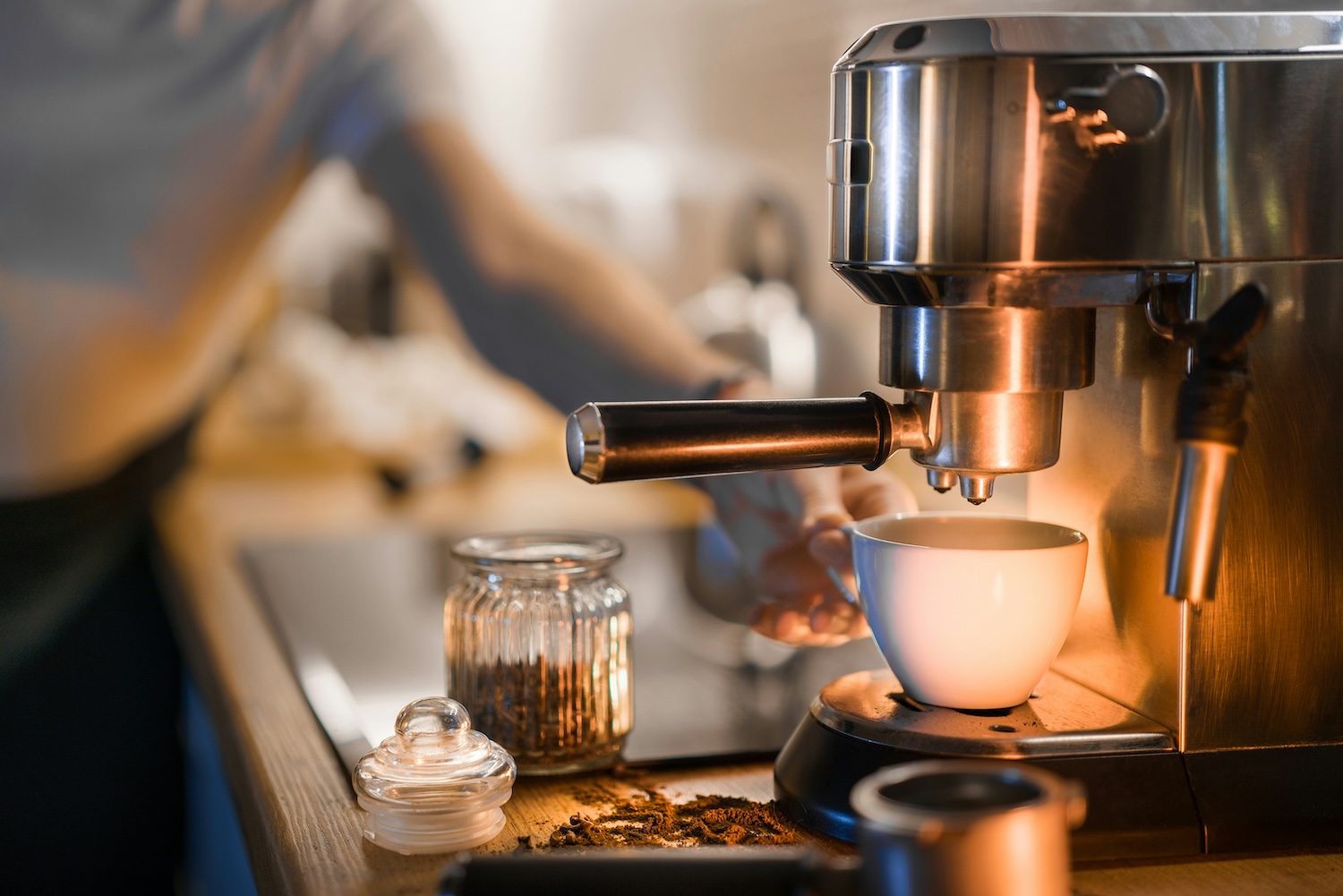
Coffee has become one of the most effective tools retailers have for encouraging customers to stay longer and engage more deeply with a space

Written by Smartech Daily Team This article has been originally published on Smartech Daily and republished at Dataconomy with permission.
Large retailers like Amazon, IKEA, and Netflix operate “closed-loop” systems. A gift card is essentially a private currency issued by a corporation. Because these vouchers are digital codes, they can be distributed and settled much faster than a bank wire.
slippage
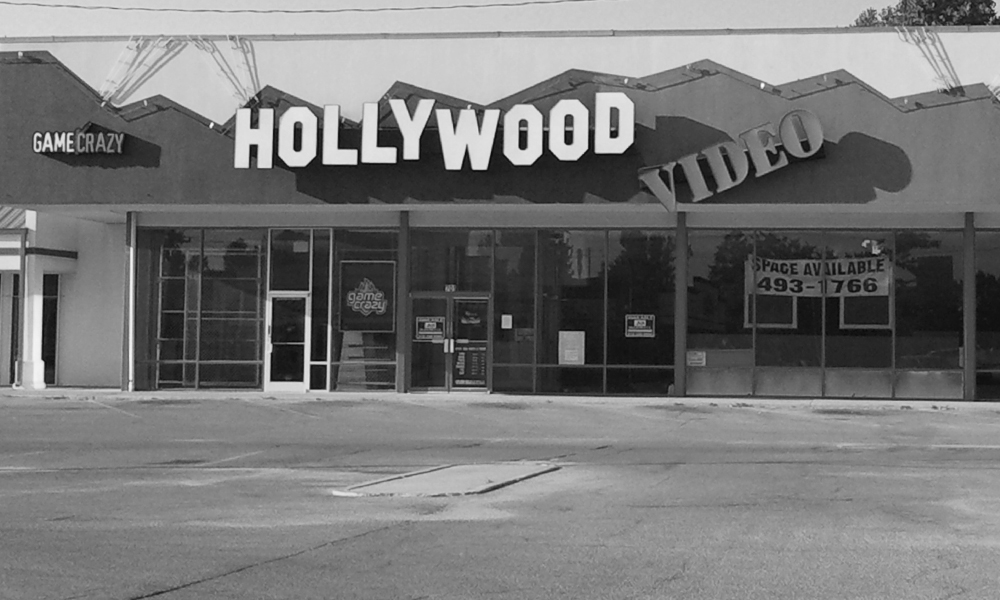
Decades before recommendation algorithms, video stores served as social hubs where conversation and camaraderie became a form of taste-making.

As backlash grows to AI-generated food photos and flyers, some restaurants are leaning into a distinctly handmade approach
To me, a restaurant that employs AI art is capitulating to the culture of slop, akin to reheating premade food from Sysco. It’s impossible to square with a value system that cares about craft and integrity.
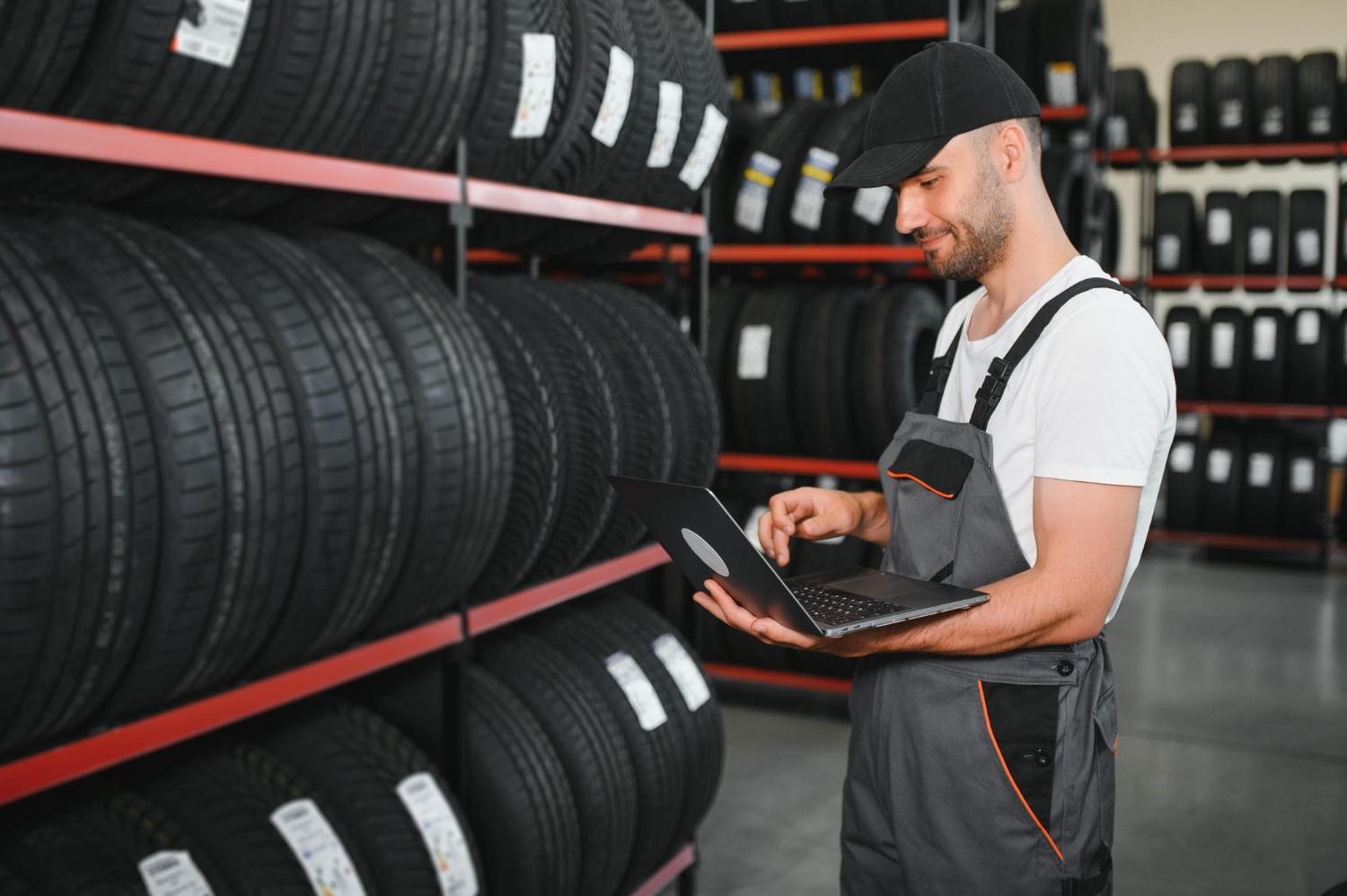
For most of the last twenty years, tyres were held up as an example of a category that could not fully move online.
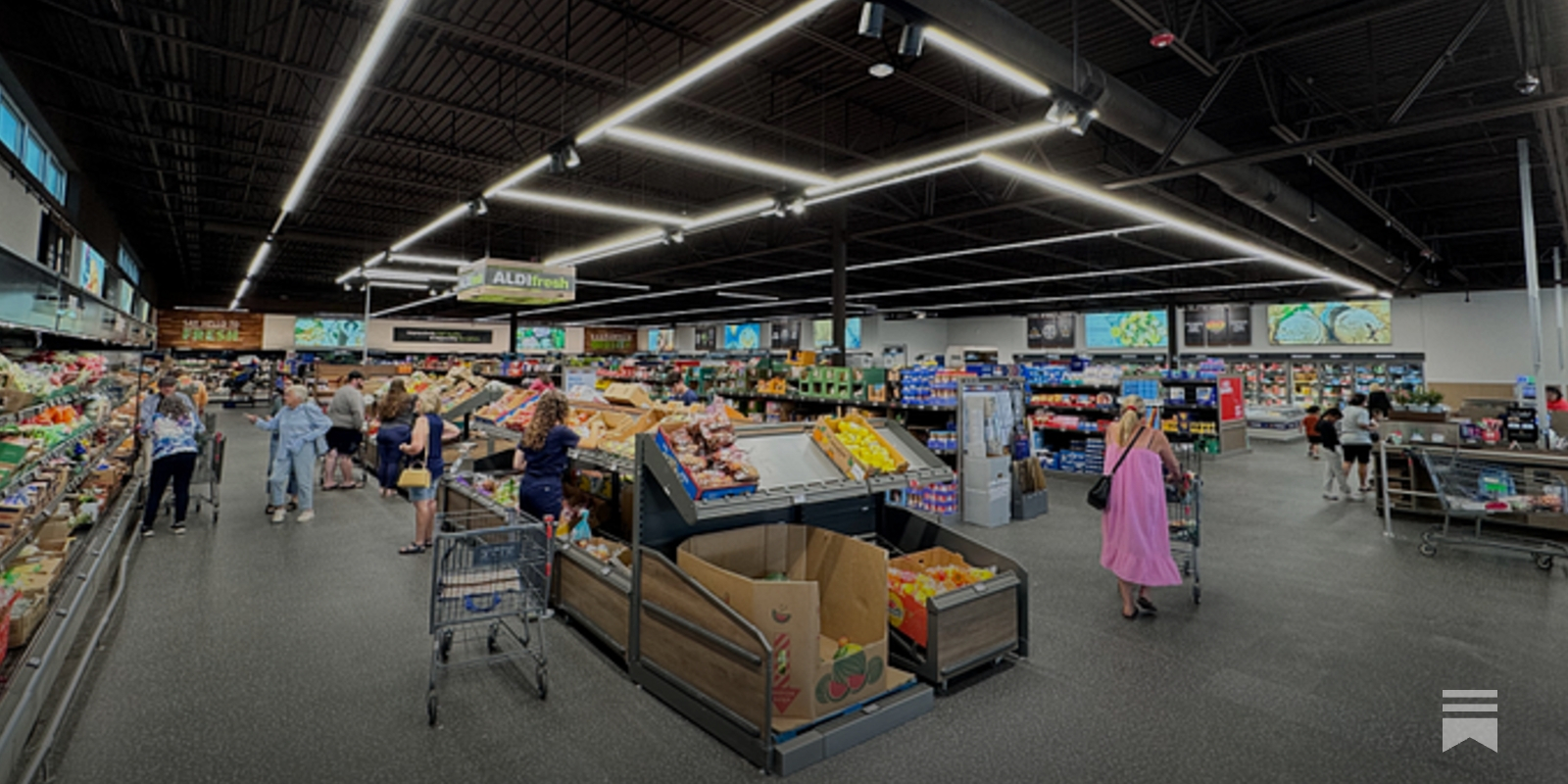
Aldi is disrupting the U.S. grocery business
Home Depot has been on a building and acquisitions spree, rapidly taking over a half-dozen logistics companies. Is it also creating an opportunity for organized labor?

Repeat purchases aren't proof of loyalty. Incrementality is.
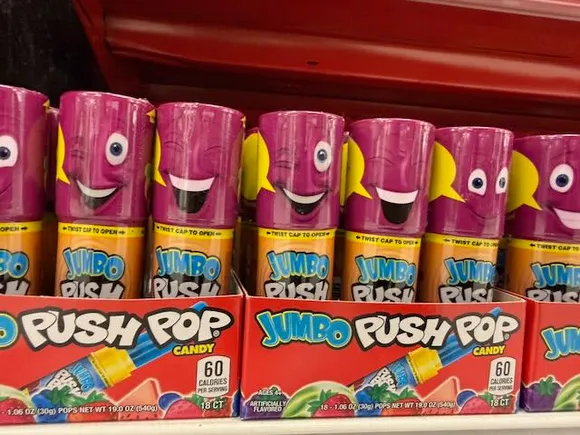
The candy maker scrapped its volume-for-price playbook and adopted a collaborative approach to sharing the pain.
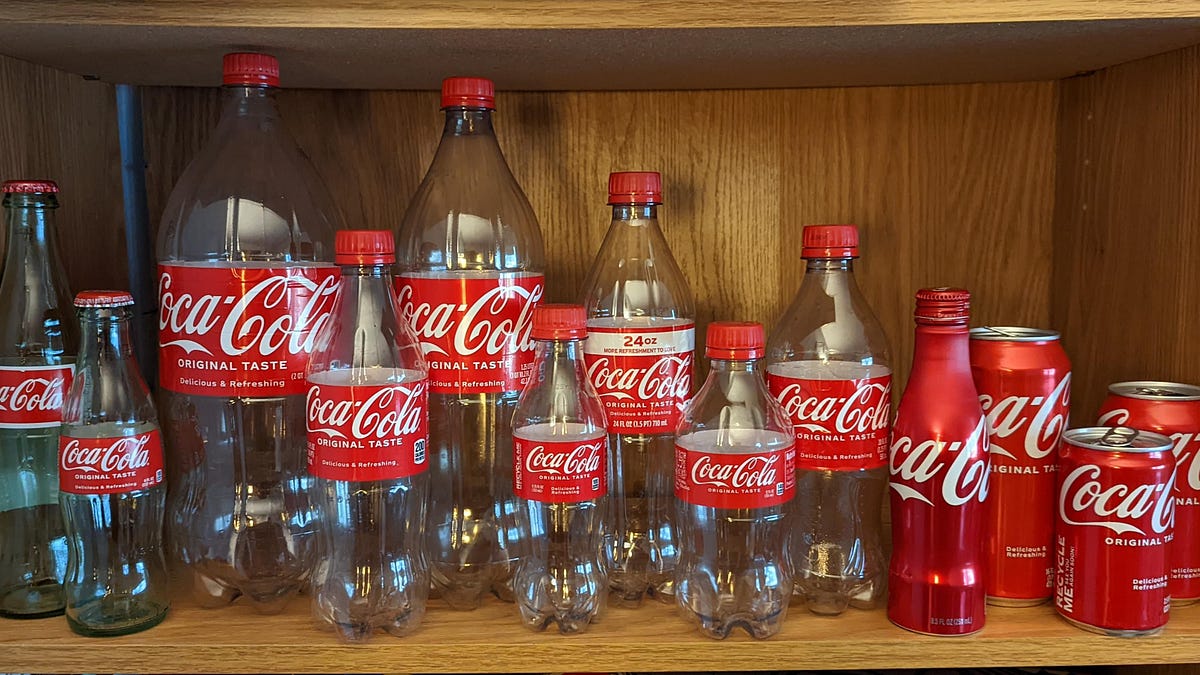
Costco is built different

How an Italian orphan built a $27 billion monopoly that controls the brands, the stores, the lenses, and the insurance.

Grocery stores are seeing a significant shift in loyalty and spend. What's the next move?

Why did Allbirds fail to make it in the retail market?

Culinary jobs have the potential to be a perfect fit, and a new effort is afoot to help autistic workers land them.
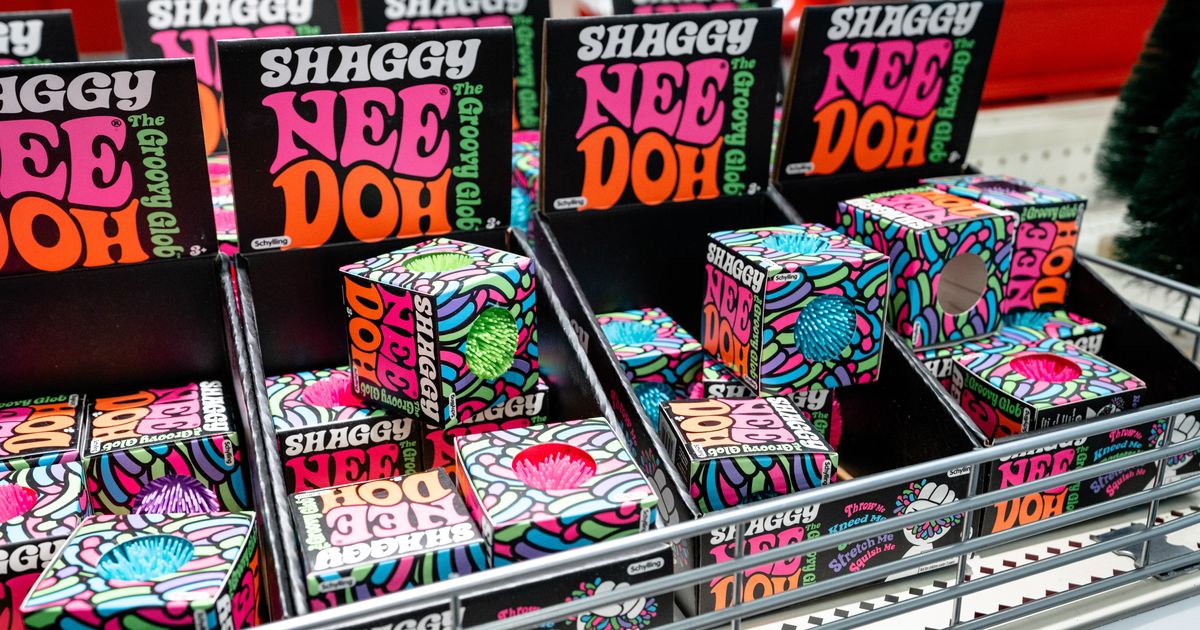
Plus tips for finding a Dohnut, a JellySquish, or any other Needoh you desire.

New research finds that ad effectiveness depends on more than just how close a consumer is to your store—it matters how close they are to your rival.

Marisa Meltzer on 20 years of stockpiling products that feel, smell, and work better than their American counterparts and doling them out to the underserved masses (her friends and colleagues).
How shopping became a game of snagging mediocre, limited-run products
Generally speaking, a drop is just a slightly different way of releasing products.
and to prioritize avoiding loss over gaining rewards
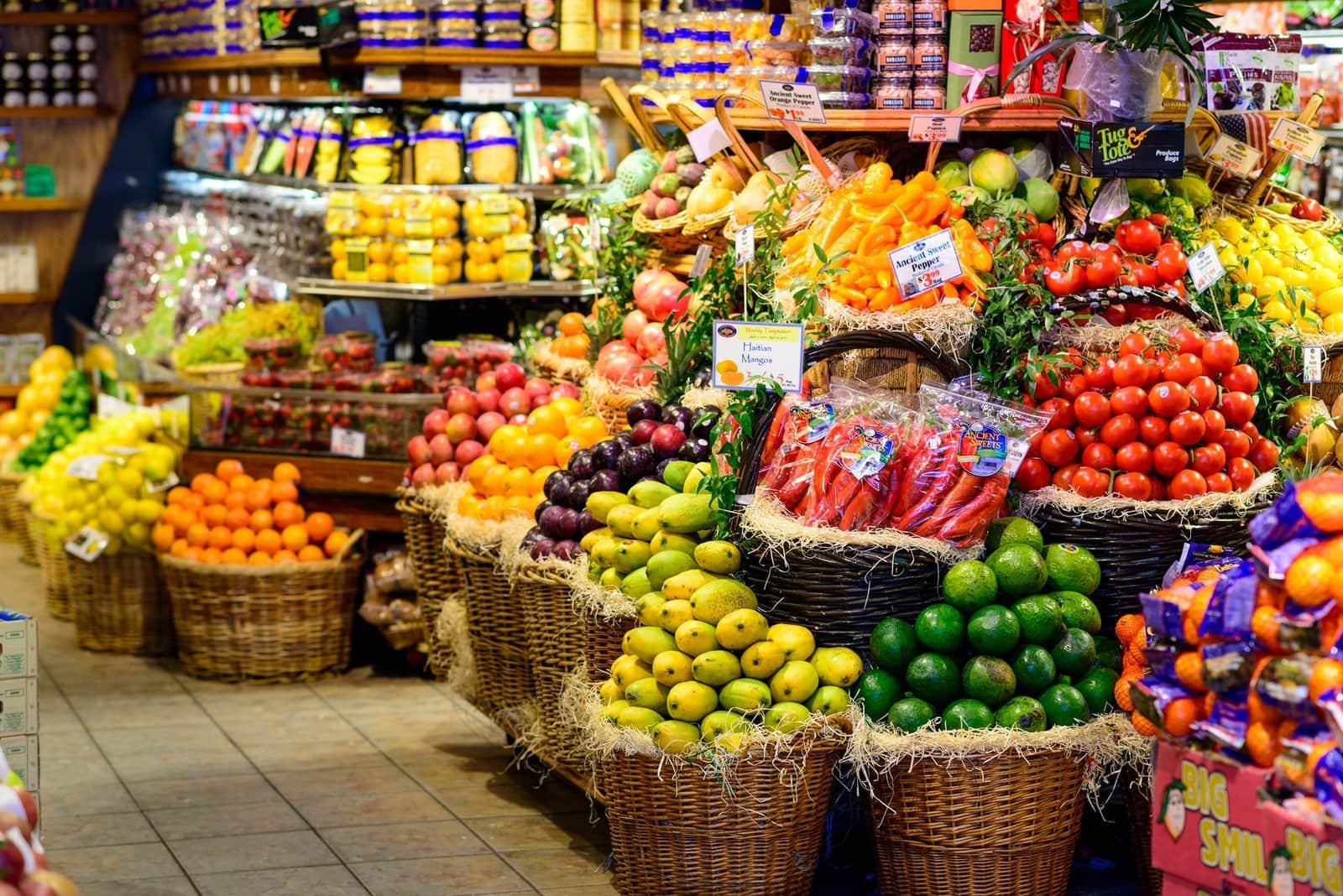
Gourmet grocers are leaning into the experience.
Von Maur has made a different play than several other retailers. Is it working?
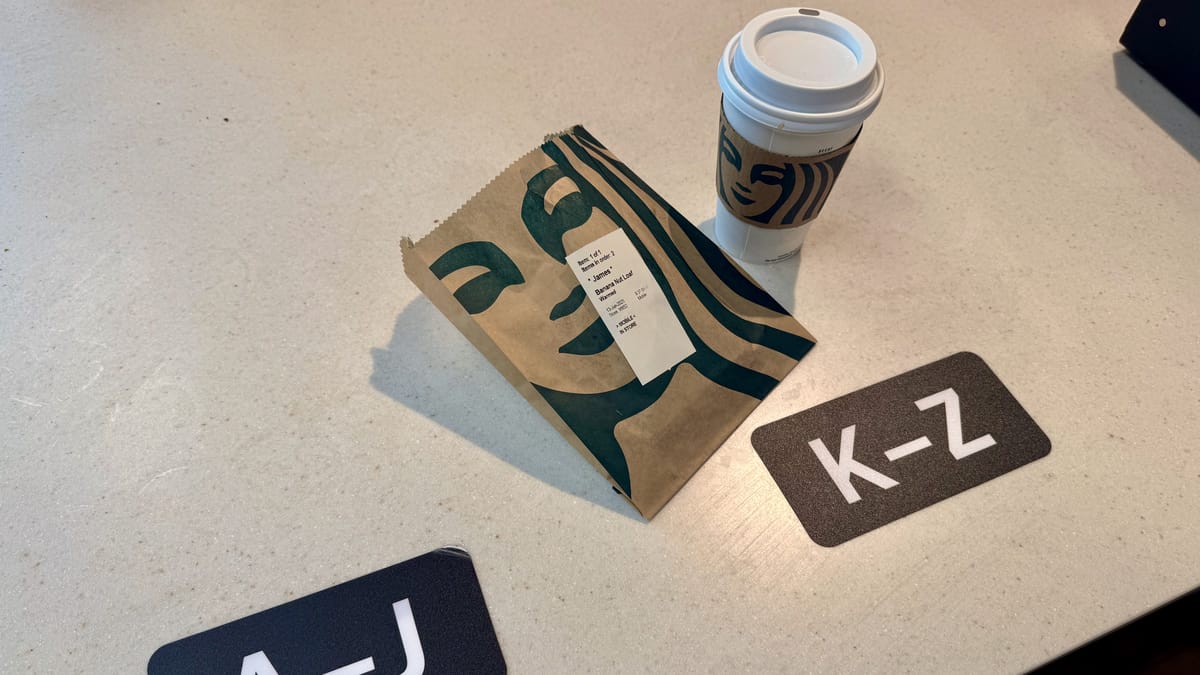
Starbucks ascended as a "third space." Maybe it should run like a 3PL.
Large cities move fast and need retail spaces that can keep up with shifting demand. Brands have started to rely on smaller stores that fit busy streets, tight corners, and varied foot traffic. Customers respond well to shops that feel simple, quick, and easy to use. These…
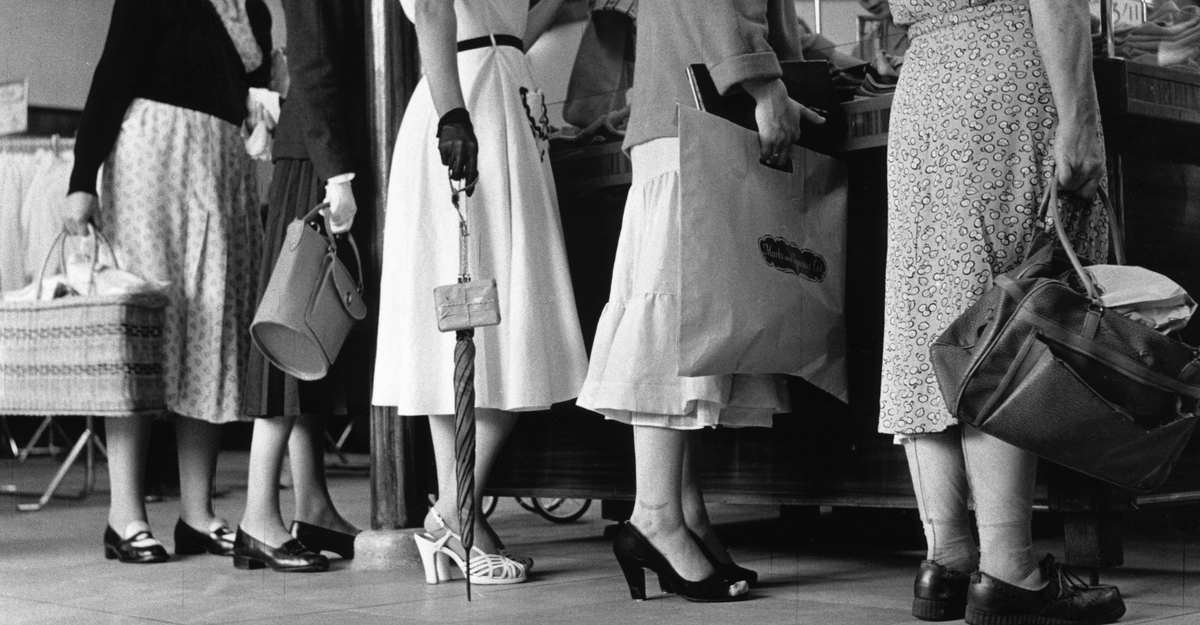
Many Americans would rather wait for it than interact with a human.

They’re no longer terrible—in fact, they’re often the draw.

CEO Chris Nicholas aims to double sales at the Walmart unit with a focus on driving “disruptive value.”
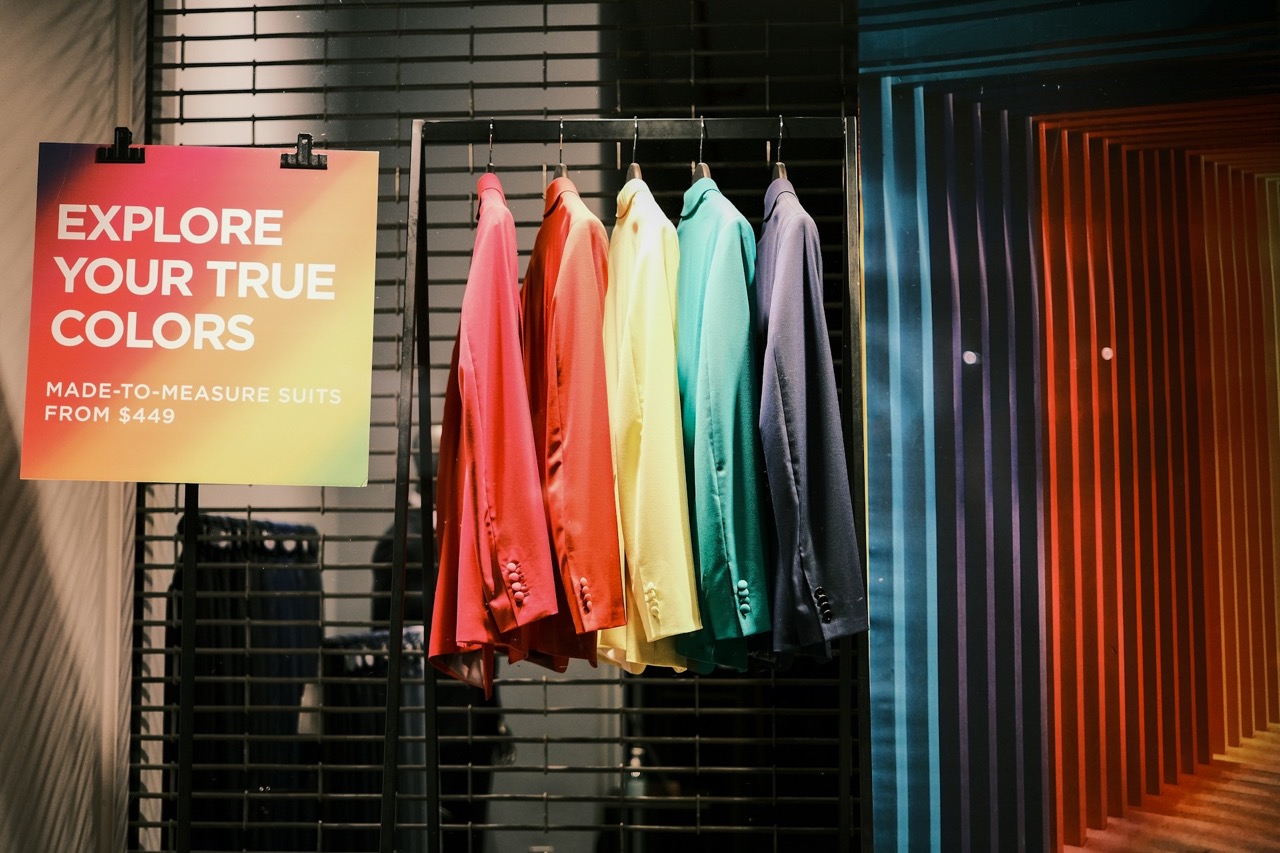
Step into a flagship on Oxford Street or a pop-up in Manchester and the same truth applies: what shoppers see first shapes what they do next. Visual cues, whether bold colour blocking, angled shelving, or lighting accents, are the quiet persuaders of retail. They do more than…
Streaming services like Netflix rely on hero carousels and thumbnail previews to guide viewers quickly to featured titles. The platform does not overwhelm users with choices. It uses visual hierarchy to make decisions feel effortless. Social media apps such as Instagram and TikTok use colour…
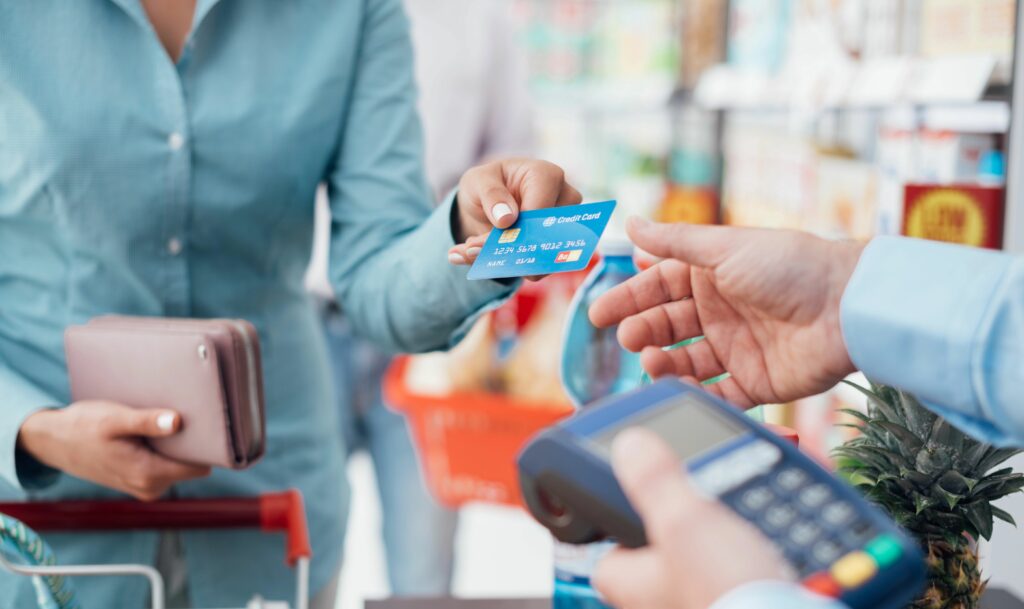
Dynamic pricing remains a hotly contested concept in retail, particularly grocery. What if the pricing model was deployed solely to the benefit of consumers?
According to the WSJ, store associates highlight items about to expire, causing an electronic in-house pricing system to check every 15 minutes as to how they are selling, and whether further discounts are needed. The article states, “Prices on any one item are cut a maximum of four times in a day…
, in-store shoppers only see price cuts. Any increases are made when stores are closed.
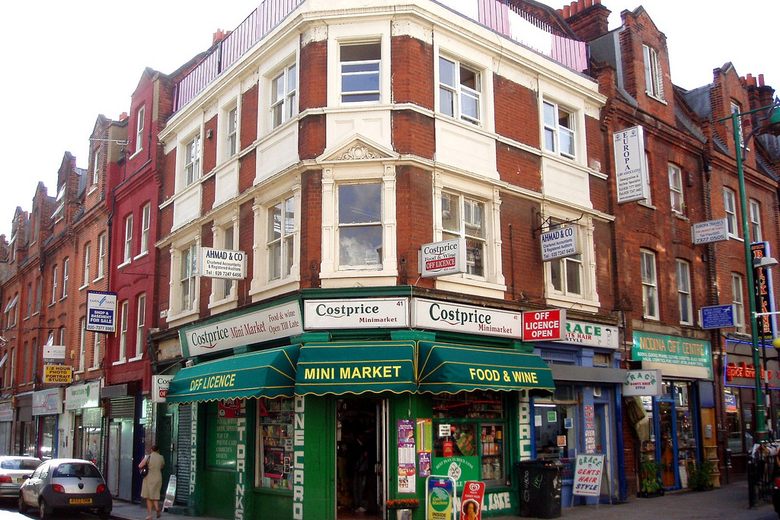
Bodega, deli, offy, party store, and more.

We analyze the home pages of 10 marketplaces to spot common merchandising traits.

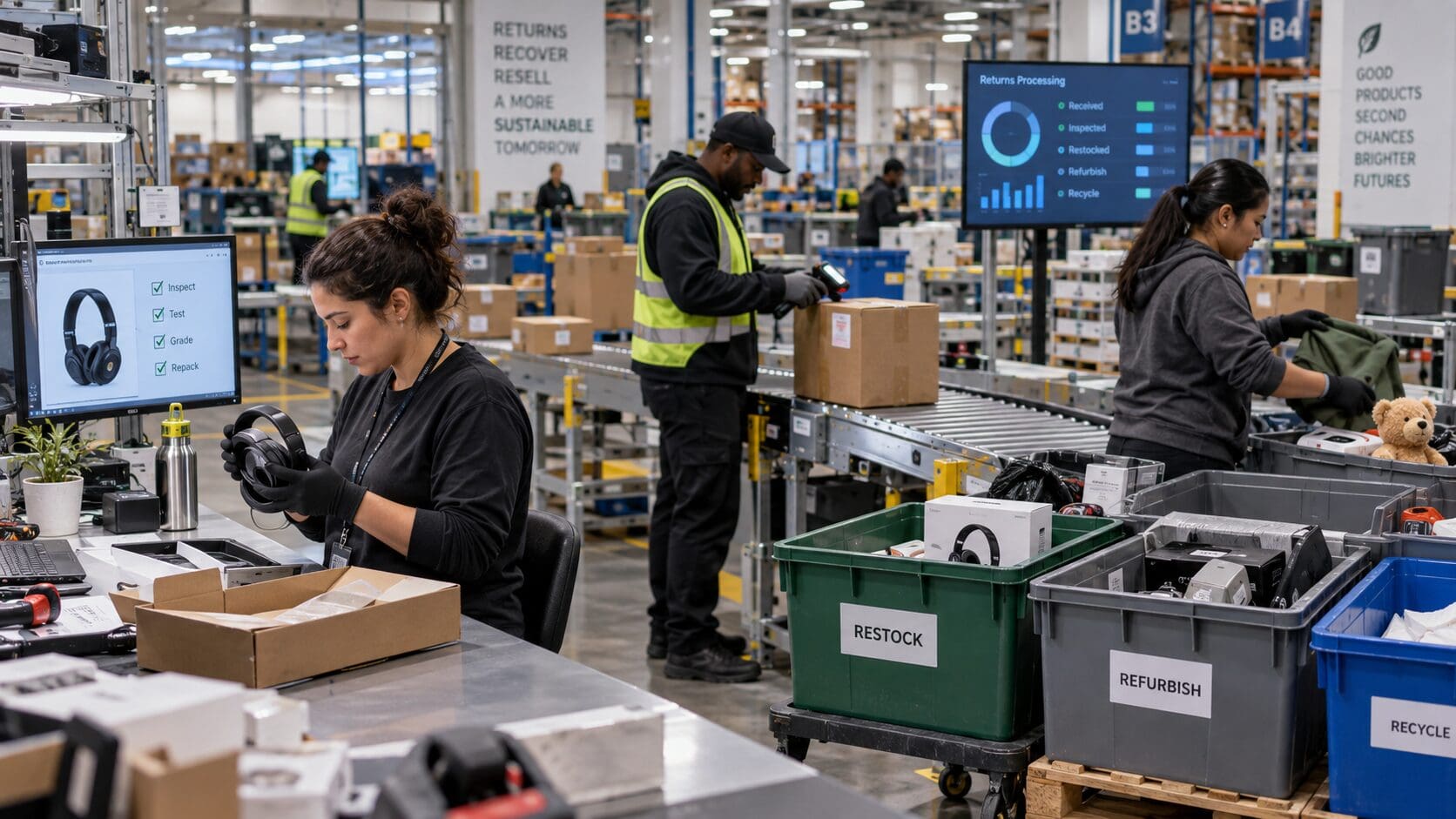
As retailers slow down orders for foreign goods because of tariffs, companies that recirculate overstocked or returned items may help fill the gap.

Regarding marketing and selling products to consumers, product imagery is unquestionably one of the most important selling points. When considering the prevalence and dominance of e-commerce and digital shopping channels, traditional brick-and-mortar retail stores may question…

Culture, marketplaces, and economics contribute to consumer demand for used clothing. Merchants can benefit.
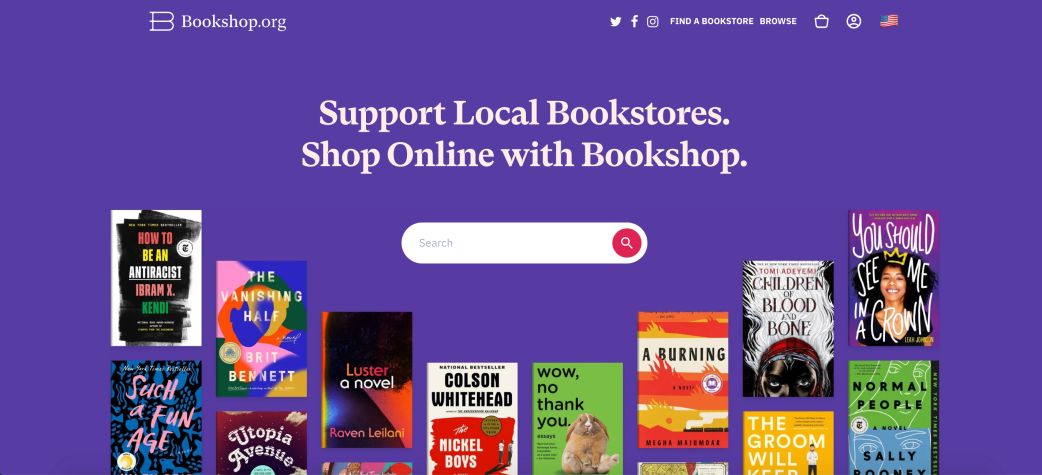
Barnes & Noble had invested significantly in revitalizing its physical stores, and it wasn't ready to make the e-commerce jump.

Cardboard boxes hold a world of meaning — a geography of consumption, disposal, and reuse — that spans from Amazon to the Container Corporation of America.
Cardboard’s ubiquity rests on simple claims: I can hold that, and I can go there.
But first I want to show you how a cardboard box is made.

In a survey, nearly 60 percent of retailers said they had policies that refund customers for items that aren’t financially viable to send back.
Fifty-nine percent of retailers have keep-it policies for items that aren’t financially viable to ship back, according to a 2023 survey on holiday shopping trends by goTRG, now called ReturnPro, a firm that helps retailers including Walmart manage returns. Most companies don’t advertise the policy…
for every $1 billion in sales, the average retailer sustained $145 million in returns.
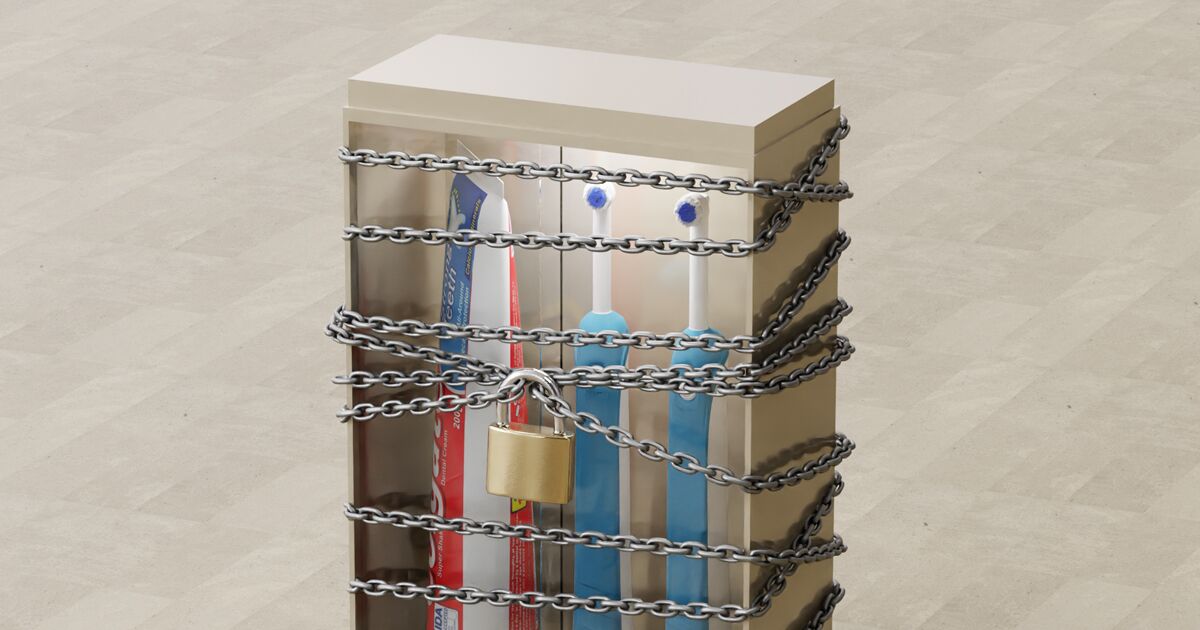
CVS, Target and other chains have barricaded everything from toiletries to cleaning supplies. It’s backfired in almost every way.
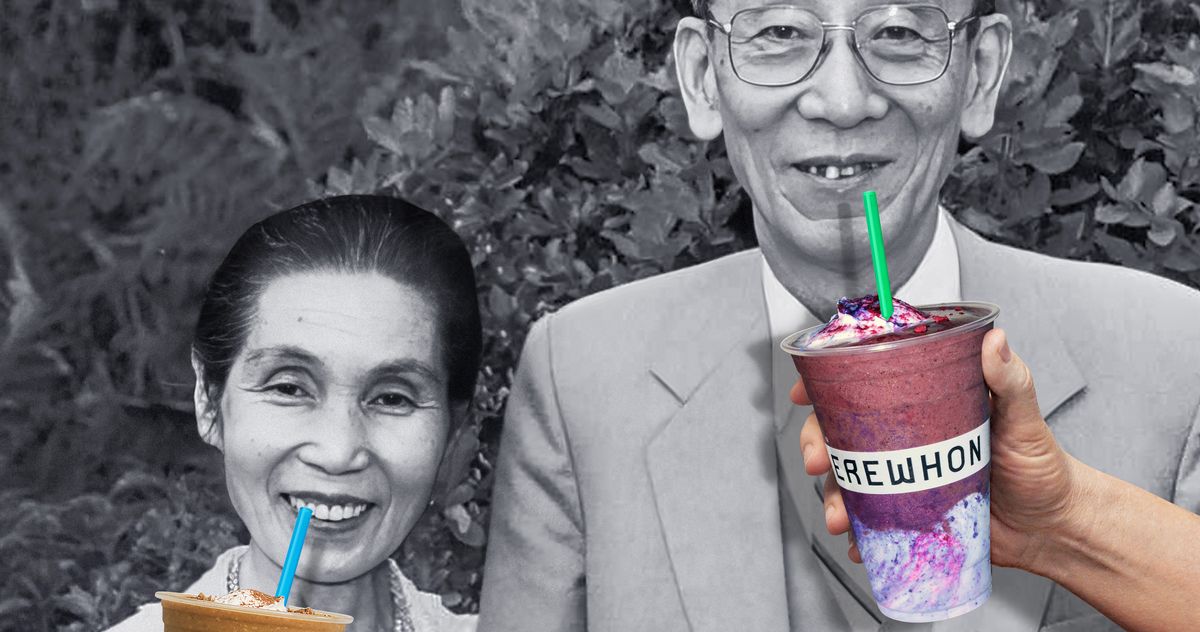
Japanese utopians. Corporate glow-ups. $400 smoothies. The strange history of the world’s most cultish grocery store.

Nobody in America loves anything as much as Texans love H-E-B
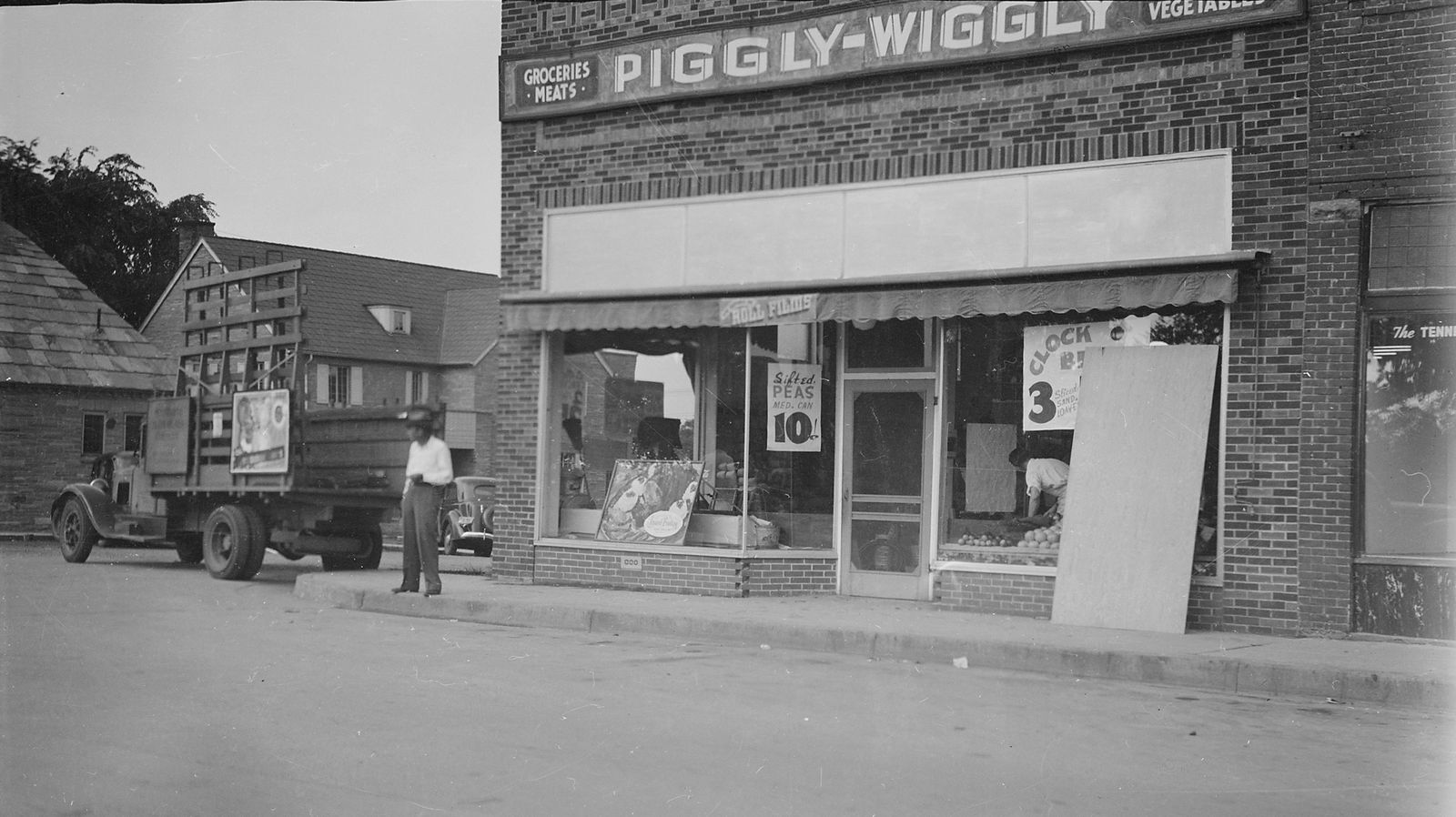
What's in a name?