influence-persuasion
278 bookmarks · page 1 of 6
2026-09-20 · firstround.com
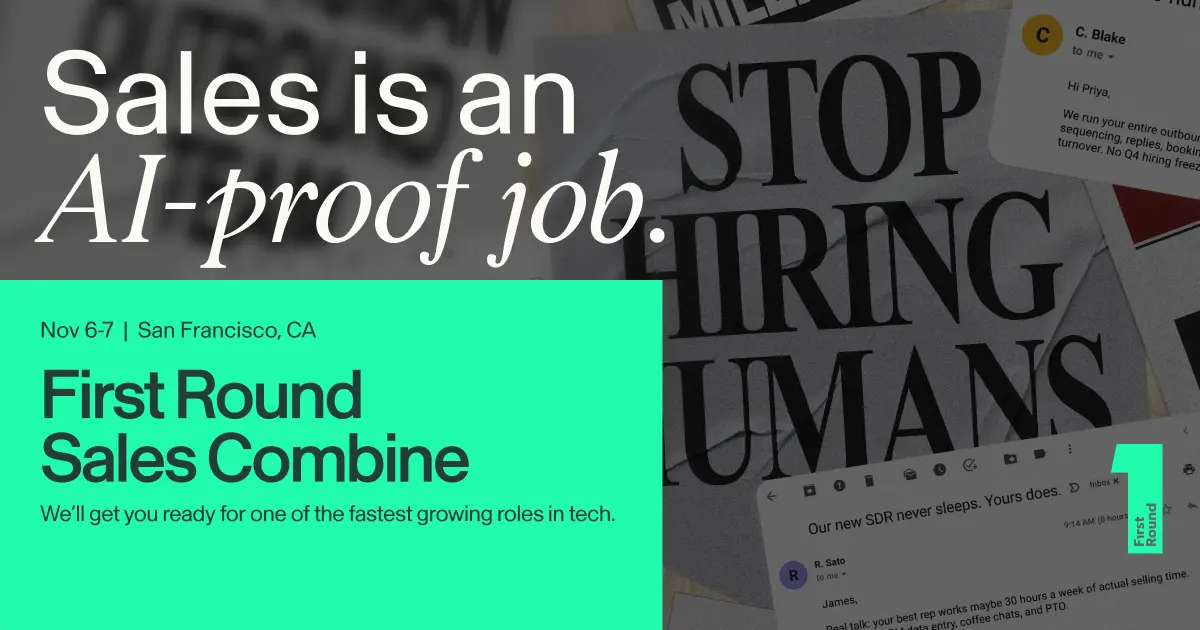
First Round’s Emery Rosansky explains why AI makes great sellers more valuable, not less, and shares the habits and human skills that define exceptional salespeople.
2026-09-15 · theatlantic.com

The key to persuasion is not beating people over the head with your better ideas—it’s listening sincerely to what they have to say.
2026-09-06 · vice.com

A psychotherapist says noticing and naming other people’s strengths can make you seem warmer, more memorable, and more charismatic.
2026-09-05 · bbc.com

Popularity, one of the defining fixations of adolescence, seems to be seared into our consciousness for decades after we leave school.
2026-08-28 · thenextweb.com
UGC Roster founder Gabriele Muratori, 19, explains why the brands growing fastest on his 200+ brand marketplace are shifting from single influencer bets to high-volume, testable creator content fed into paid ads.
2026-08-16 · craigunger.substack.com

Not that long ago, the press could root out corruption, topple presidents, and end wars. Now, even the biggest scoops have little impact. Here's how and why the media lost its mojo.
2026-08-11 · knowablemagazine.org

Most people care what others think of them. In many situations, that can be leveraged for the common good.
2026-08-10 · themindcollection.com

A reflection on the Tenth Man Rule, a form of institutionalised devil's advocacy. How can we benefit from a professional pain in the neck?
2026-08-01 · open.substack.com

a field guide to jobs, cold emails, and making yourself legible to the right people
2026-07-30 · thereader.mitpress.mit.edu
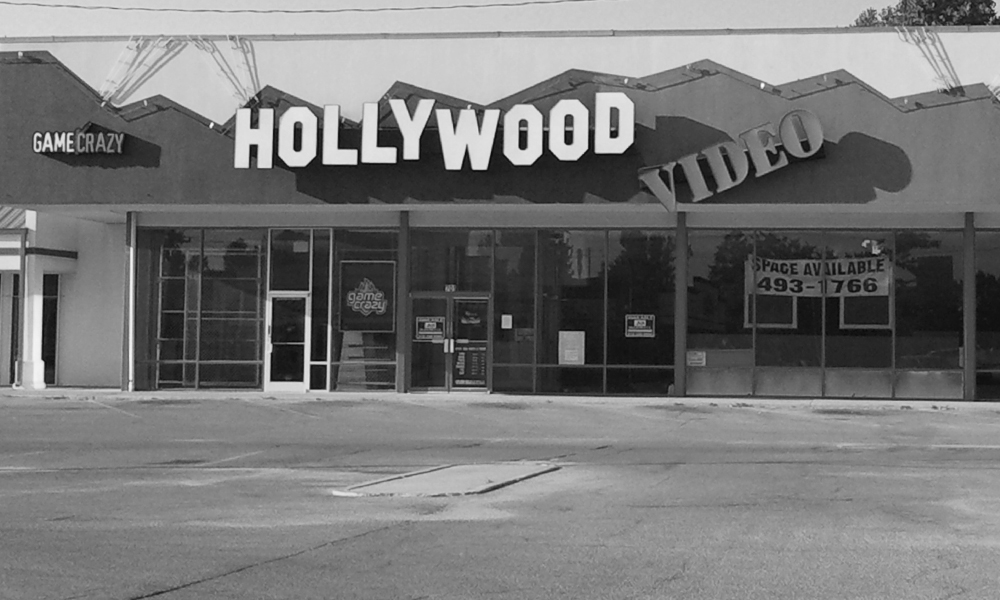
Decades before recommendation algorithms, video stores served as social hubs where conversation and camaraderie became a form of taste-making.
2026-07-21 · open.substack.com
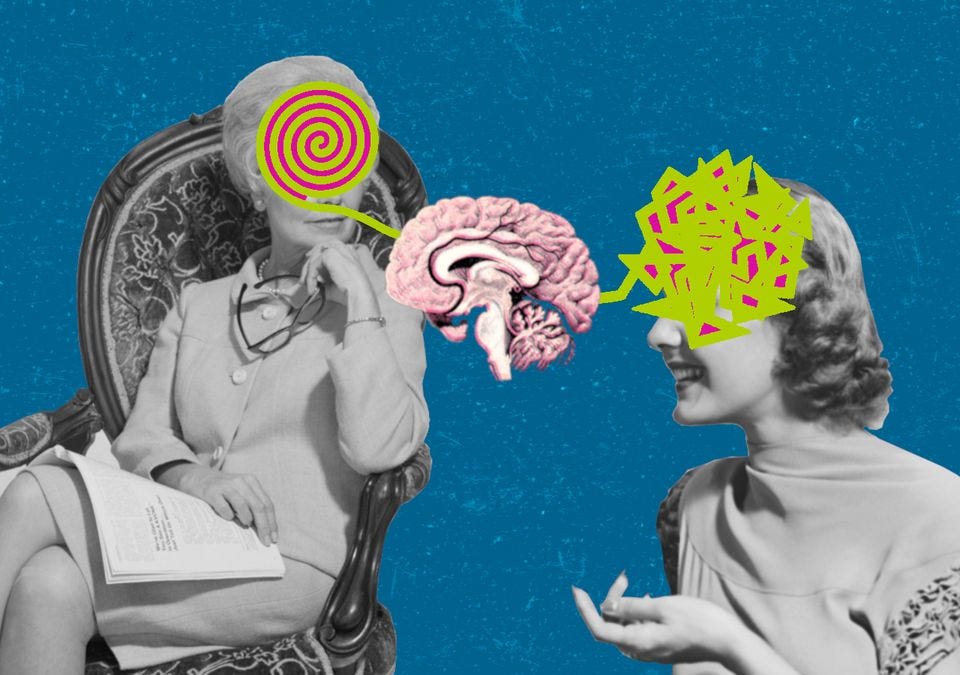
The Socratic method isn't about being nice. It's about making someone hear themselves.
2026-07-02 · pradyuprasad.com

Pradyumna's site
There is only one principle. Put yourself in their mind
If you get a no, a good response is for you to thank them for their time and move on
2026-07-01 · wangcong.org
I am a software engineer, and I used to enjoy arguing with people for technical correctness. Code reviews, design meetings, mailing-list threads, dinner tables. If someone was wrong, I wanted them to know it, and I wanted them to know exactly why. I collected counterarguments…
2026-06-06 · open.substack.com
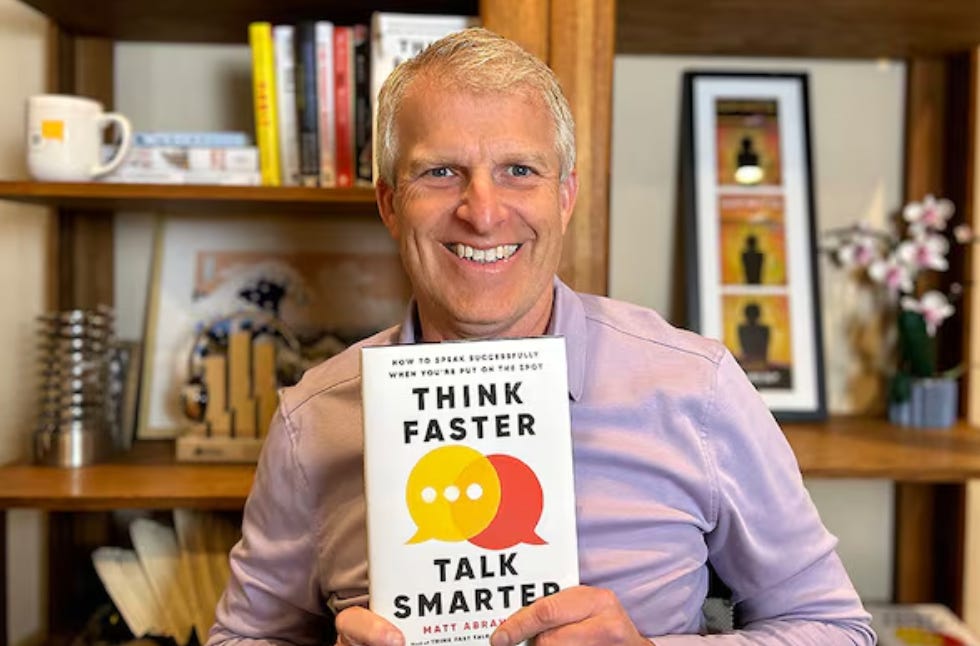
The uncomfortable truth about being heard
Real success has three signals that are easy to test for: the audience understood the message, the audience felt something specific, and the audience did something afterward
Before you speak — in a meeting, an email, a difficult conversation, a keynote — answer three questions honestly. What do I want them to know? What do I want them to feel? What do I want them to do?
2026-05-27 · open.substack.com

The skill I used undercover, the science behind why it works, and four things anyone can do today to walk into any situation with an advantage.
2026-05-24 · vulture.com
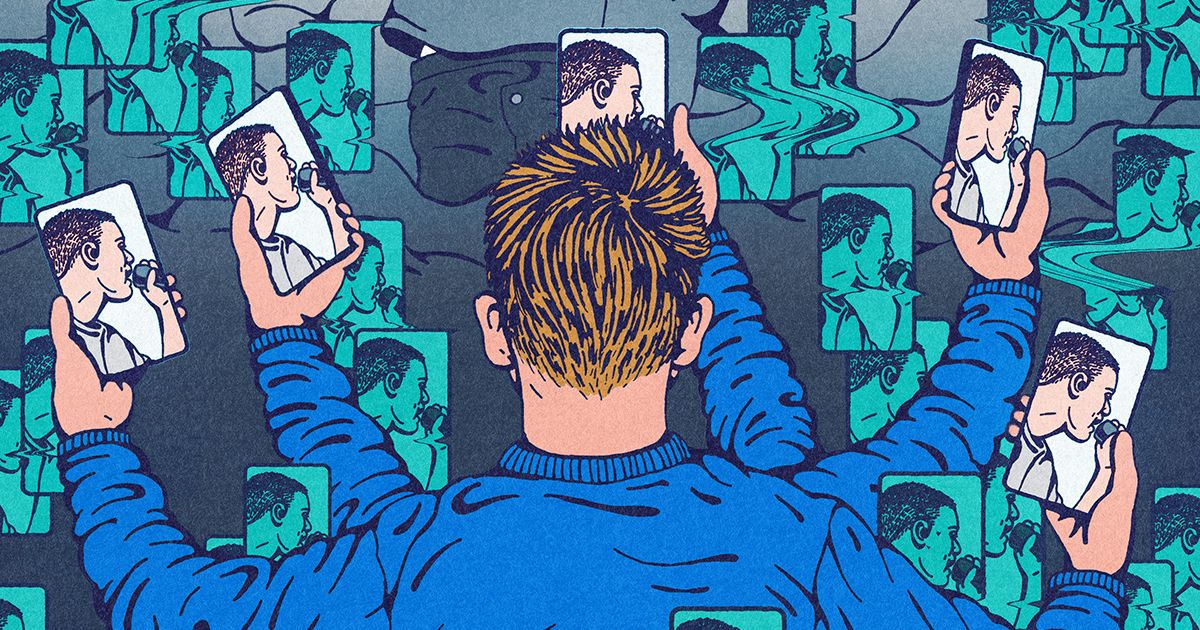
What if every viral song, movie, meme, influencer, and celebrity drama in recent memory was the result of a stealth marketing campaign?
2026-05-15 · slate.com

Yes, it's good to do good things. It may be even more effective to tell people you're doing them.
2026-05-07 · arstechnica.com

As social media splinters, how can we keep the new online spaces from devolving into toxic pits of despair?
2026-04-28 · uxmag.com
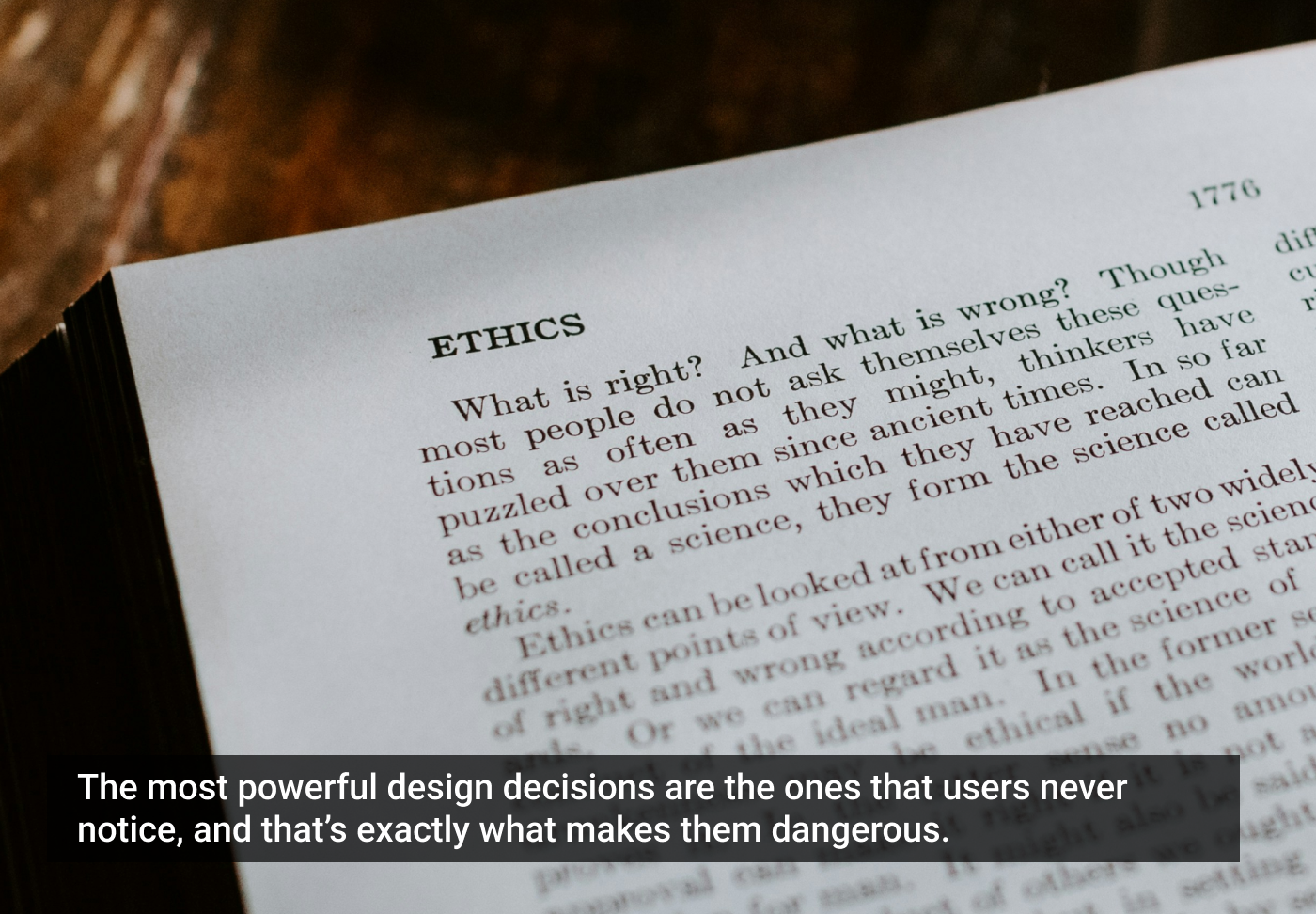
Each nudge in your design is a silent choice about who you are designing for, the user or the business. This article deconstructs the psychology of micro-signals such as defaults, color hierarchy, and progress indicators and identifies where helpful guidance ends and…
2026-04-16 · open.substack.com
Fundamentals is a new series that highlights my core concepts in communication, leadership, and influence that I personally keep coming back to.
2026-04-09 · substack.com
18 years of school trained you to answer questions. In real life? That ruins conversations. Someone says, "You're always late." You answer, "No I'm not!"—and boom, fight starts. Instead, try this: "I understand." Repeat what they said in your own words. Then ask an open…
2026-03-17 · launchclub.ai

Most people fail on Reddit because they write comments like ads. Reddit eats ads for breakfast. It's better to follow a Reddit comment framework that
2026-03-16 · behavioralscientist.org

How science can get it right and still miss the point.
No one in the Story Station actually questioned the character of refinery workers. In fact, Philly Thrive members went out of their way to affirm workers’ need for jobs.
Compare Bennett’s approach to that of refinery workers.
2026-03-03 · ted.com

In the age of social media and wellness trends, the comments section is as good as a cult compound, says linguist and cultural commentator Amanda Montell. Using Taylor Swift's throng of devoted Swifties as her guide, she exposes three sneaky language tactics that cults use to…
2026-03-02 · theguardian.com

Forget fear of public speaking. A lot of people now shy away completely from speaking to anyone in public. But if we learn to do this it’s enriching, for ourselves and society
2026-02-23 · feeds.feedblitz.com
Sarcasm is an easy way to amplify feedback. It has two hidden costs: It reveals low status. People with power don’t need to use sarcasm to make a point. If you want to lead with status, using…
2026-02-18 · newsletter.weskao.com

Your ability to answer questions is a competitive advantage. Here’s how to uncover the deeper underlying question.
2026-02-04 · open.substack.com
When I give honest feedback, I don’t want people to argue with me. Here's a simple technique I use so my direct reports are more likely to listen with an open mind.
2026-01-14 · zandercutt.com

Why every purchase is a performance “I am not who you think I am; I am not who I think I am; I am who I think you think I am.” — Thomas Cooley About a month ago, I published what has become my mo…
2026-01-13 · theconversation.com
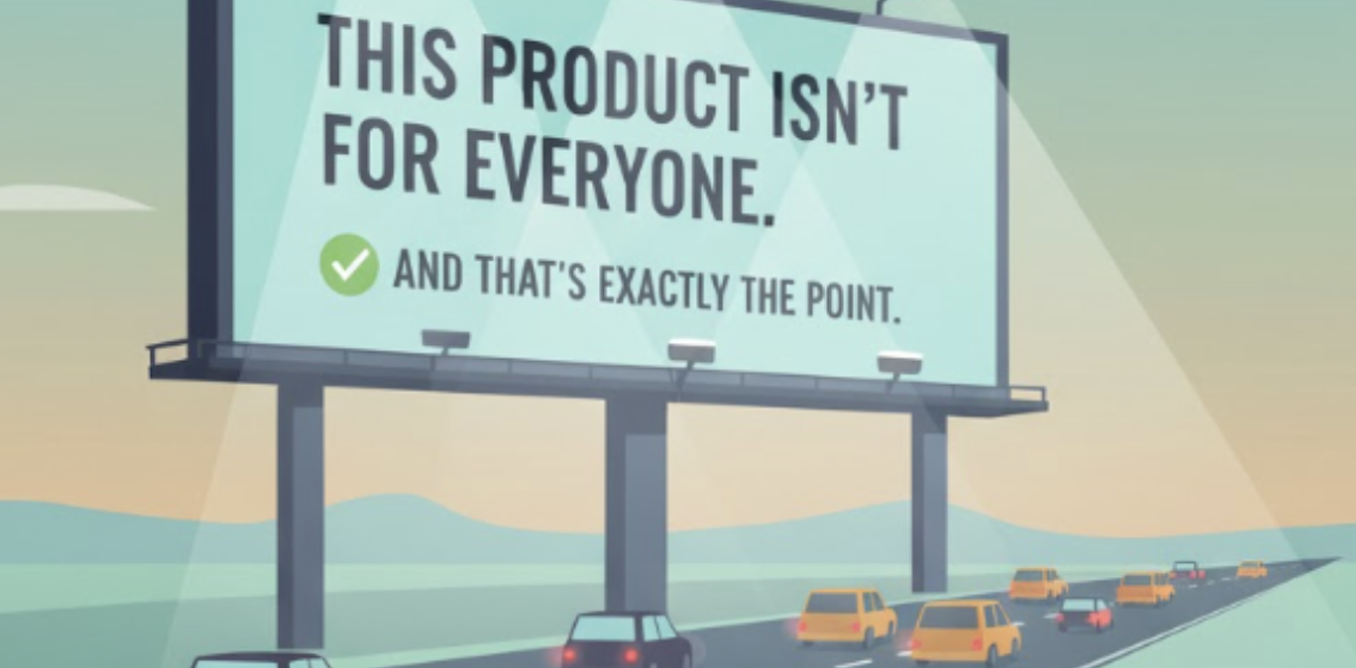
By openly saying, ‘This isn’t for you,’ brands signal focus and specificity. That helps the right customers feel a stronger connection.
2025-11-27 · choicehacking.com

Netflix uses a process called AVA (aesthetic visual analysis) to create thumbnails straight from its content, then decide which thumbnails will work best for which customers.
This principle describes how likely an object, ad, or image is to stir our emotions.
2025-10-24 · ted.com
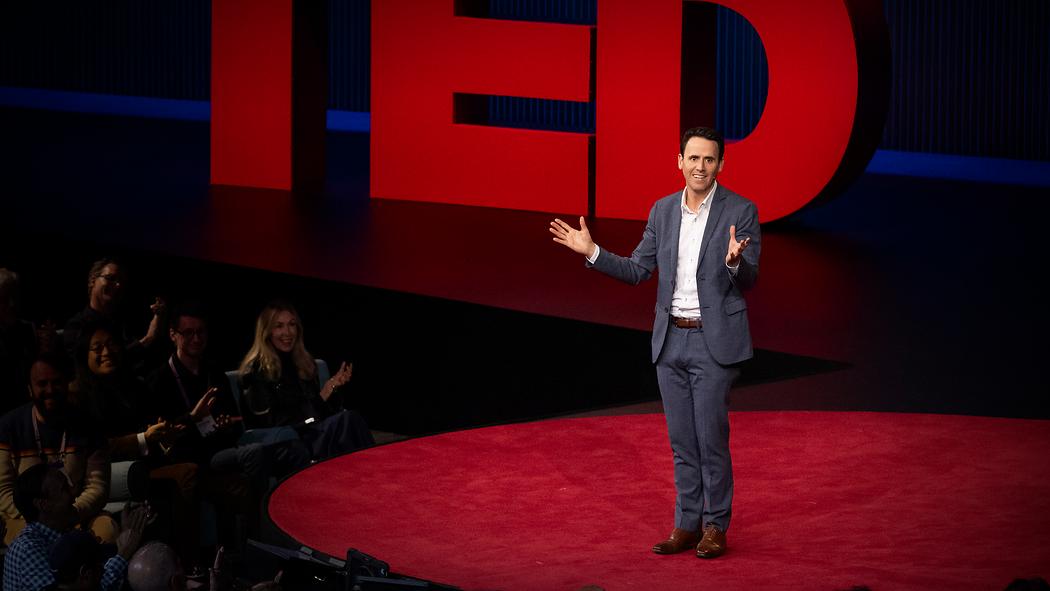
Have you ever wanted to read someone's mind? Mentalist Oz Pearlman is billed as one of the world's greatest mind readers ... and yet, he says he doesn't have any special powers. In this spectacular talk meets psychic-inspired magic show, he demonstrates his skills on a live…
2025-10-15 · theconversation.com

Conversations around misinformation that assume everyone cares about literal truth may be missing the point.
suggests that some people consider it a “win” to lean in to known falsehoods.
The strongest predictor of whether someone believed in COVID-19-related misinformation and risks related to the vaccine was whether they viewed COVID-19 prevention efforts in terms of symbolic strength and weakness. In other words, this group focused on whether an action would make them appear to…
2025-10-02 · atvbt.com

Parties are a public service; here's how to throw them.
2025-09-15 · open.substack.com
intro requests that don’t suck
2025-09-03 · vice.com

In two studies, Northumbria University set out to identify which dance moves heterosexual men and women find the most attractive.
2025-08-14 · arxiv.org
2025-08-05 · ucsf.edu

UCSF’s Joseph Pierre, MD, unveils why even bright minds embrace false information. His new book, "False," dissects cognitive biases and our digital world’s role, offering a powerful three-step approach to navigate the post-truth era and rediscover common ground.
2025-07-19 · nytimes.com

Mazi VS has become a major influencer by flaunting his expensive lifestyle and his big-winning wagers. Other gamblers say he can’t be what he seems.
2025-04-23 · open.substack.com
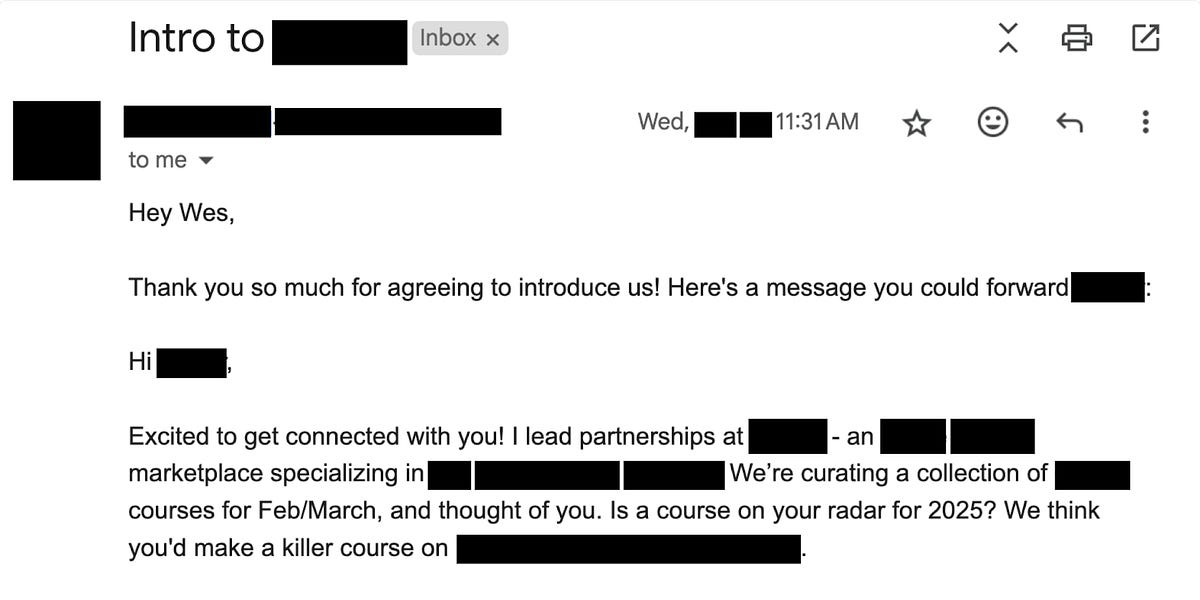
Your note sucks because you don't sound sincere. Do these 6 things to make your note more persuasive before you hit send.
2025-04-22 · projectcharisma.com

An in-depth breakdown of charismatic leadership tactics and how to tap into your own charisma when speaking in public.
2025-04-08 · effectiviology.com
2024-12-15 · statecraft.pub

"I'm now going to offer you a megalomaniac explanation of the course of events"
2024-11-24 · newsletter.weskao.com
There’s a right and wrong way to proceed. Here’s how to increase the chances your leader listens and takes action--while reducing the chance they feel threatened.
2024-10-25 · smithsonianmag.com
/https://tf-cmsv2-smithsonianmag-media.s3.amazonaws.com/filer_public/b1/ca/b1caa6be-175b-4479-8abf-7c648eeeeca5/dhnwxp.jpg)
The terms “snake oil” and “snake-oil salesperson” are part of the vernacular thanks to Clark Stanley, a quack doctor who marketed a product for joint pain in the late 19th century
2024-10-19 · bbc.com

Forty years ago, Bob Cialdini published a groundbreaking book on the power of influence. In our digital age, these rules may have become even more powerful.
2024-05-21 · sciencedirect.com

Powerholders make decisions that impact not only their own situation, but also the outcomes of those who depend on them. The implications of being in …
2024-05-05 · theatlantic.com
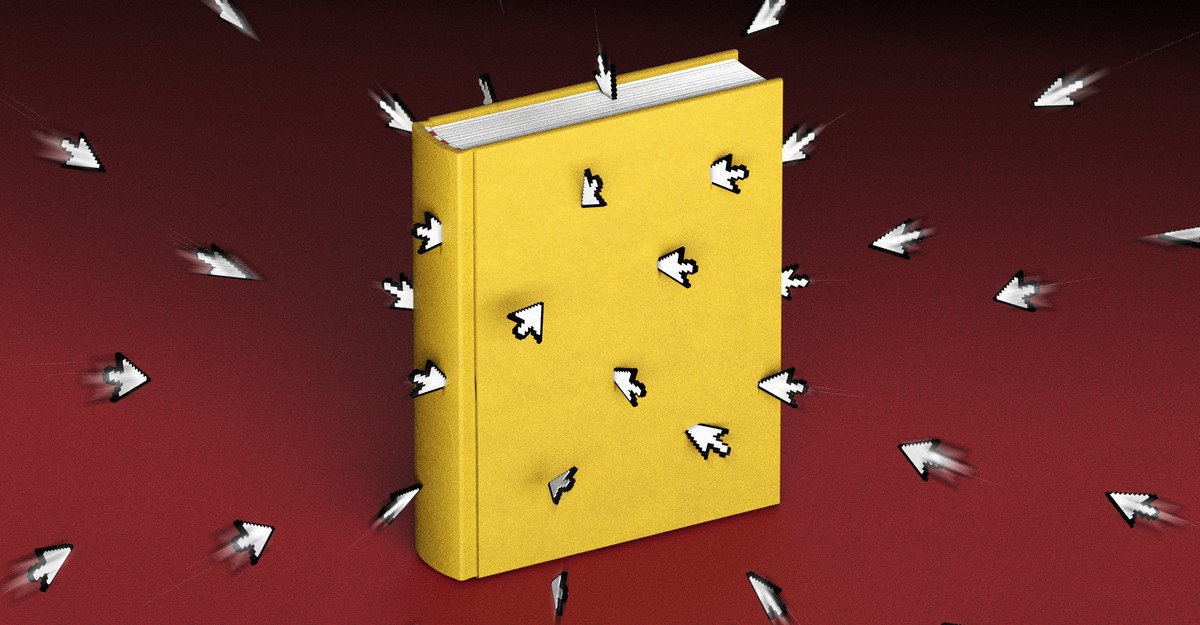
The internet makes most information instantly available. What if that’s why mass culture is so boring?
2024-04-26 · ted.com

"Storytelling is one of the most powerful marketing and leadership tools there is," says communications expert Kelly D. Parker. She explains how stories make proposals of all kinds more memorable — and shows how you can craft a compelling narrative to connect, persuade and drive…
2024-04-16 · thepowermoves.com

If you are looking for The Dictator's Handbook, this post provides you a summary, overview and criticism of one of the best works of political analysis