Build Wide, Ship Narrow | Blog
Splitting a finished branch into small PRs used to be the expensive part, so we decided the boundaries before the code existed. That cost collapsed. Now the code can tell you where to cut it.
Splitting a finished branch into small PRs used to be the expensive part, so we decided the boundaries before the code existed. That cost collapsed. Now the code can tell you where to cut it.

Follow Linux logs in real time with tail -F, filter live output with grep, pause with less +F, and stream systemd service logs with journalctl -f.
I have never watched the AMC show Halt and Catch Fire, and for a long time I only knew the title, but nothing about the show. Something about it always reminded...
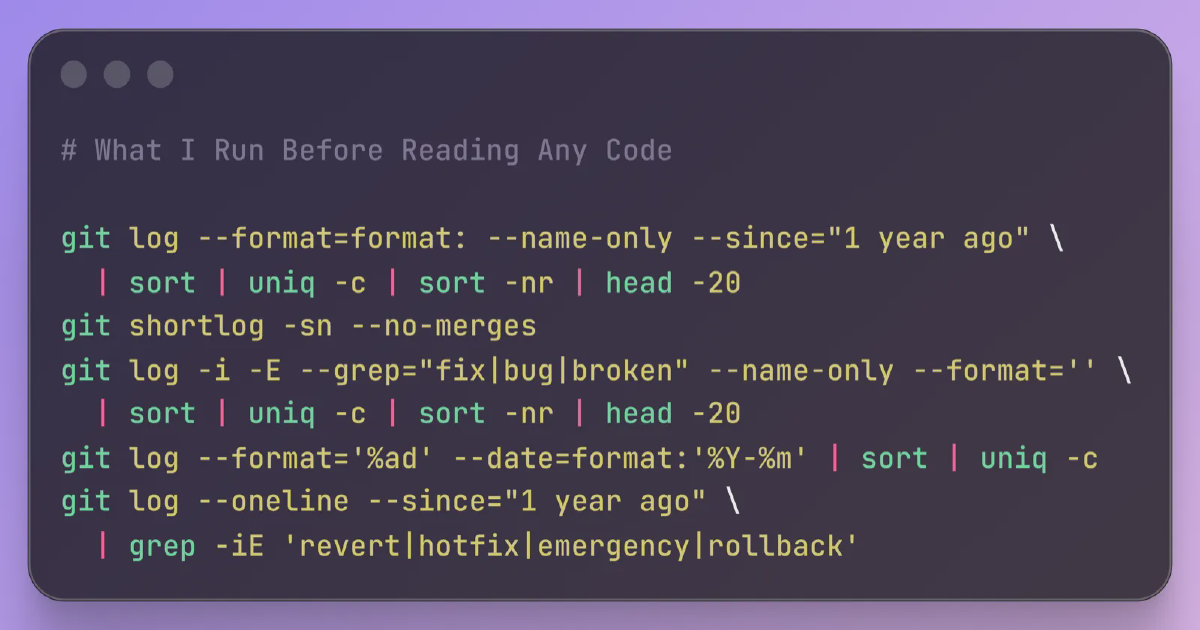
Five git commands that tell you where a codebase hurts before you open a single file. Churn hotspots, bus factor, bug clusters, and crisis patterns.
The 20 most-changed files in the last year.
Every contributor ranked by commit count.
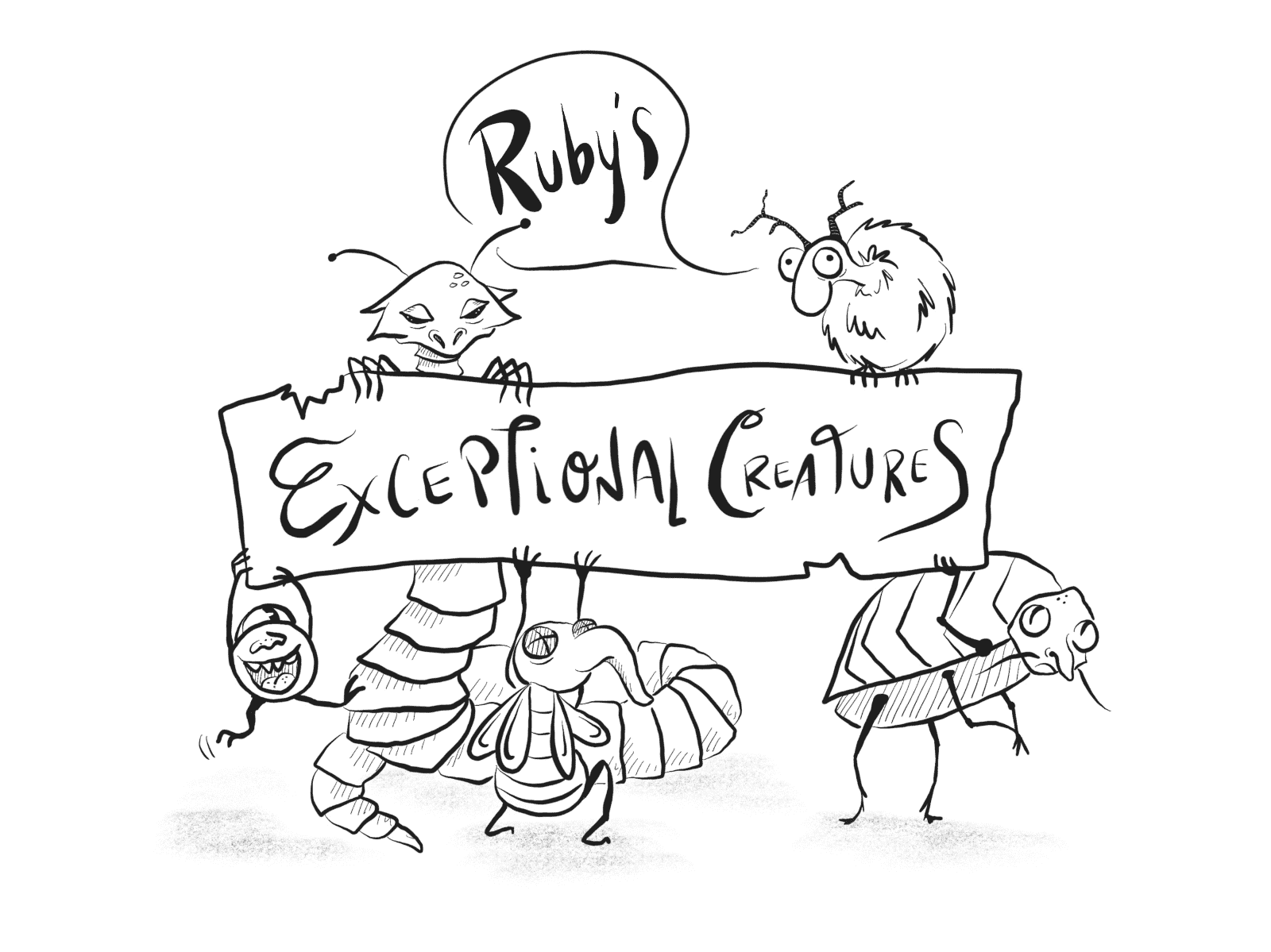
Exceptional Creatures is Honeybadger.io's documentation of Ruby's exception system, with a twist. Collect them all!

In this article, we’ll look at advanced error-handling techniques that go beyond the standard try-except mechanism with practical examples and tips to help you improve the robustness of your Python applications.
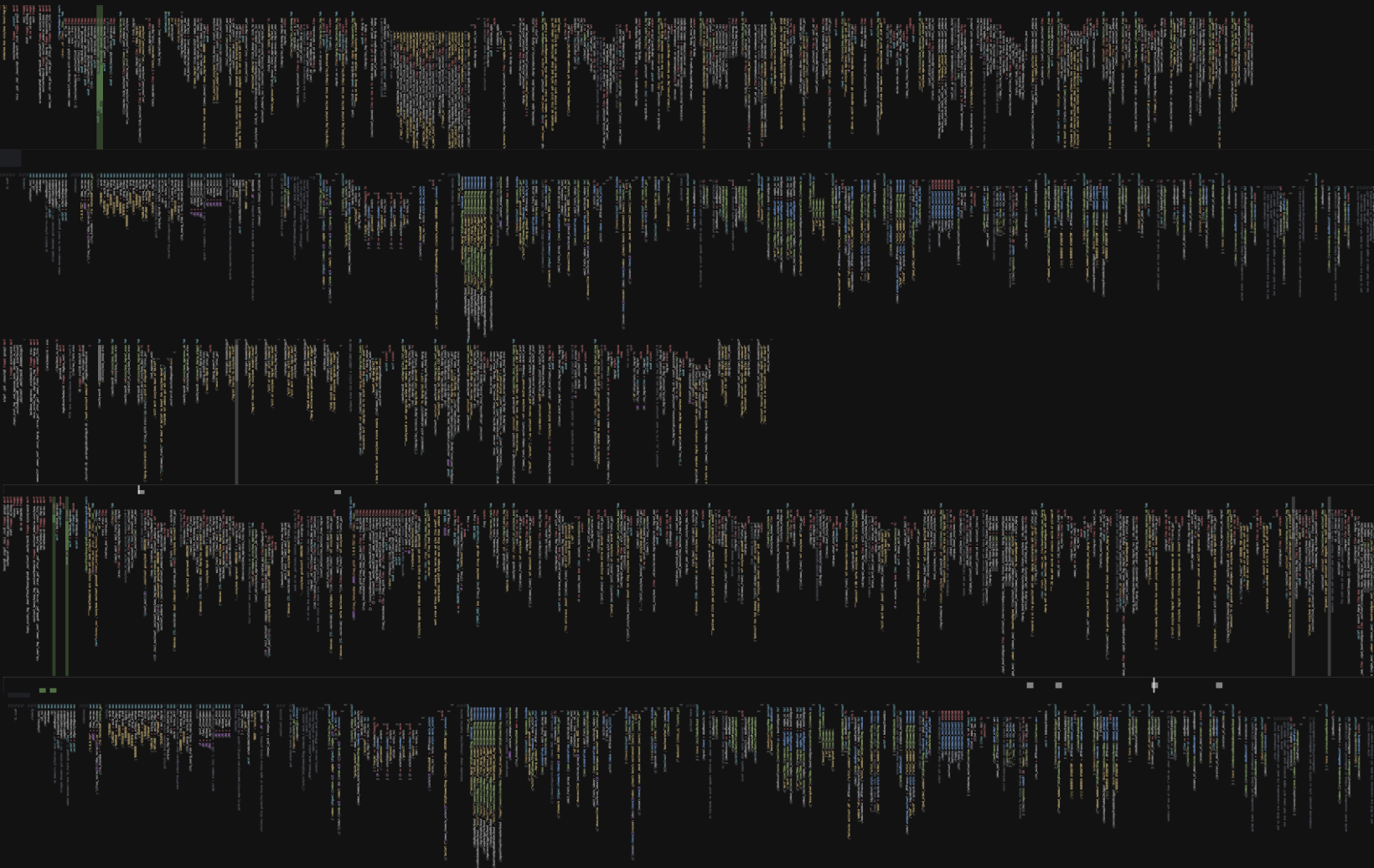
Not long ago, I was auditing a codebase for work (looking for bugs) when I realized that despite the quality of the code, I was becoming mentally fatigued extremely quickly and had a hard time working on it for long stretches of time…
Logging crash course with common logging issues addressed
Why I stopped using print() statements for debugging and why you should too
Even if you write clear and readable code, even if you cover your code with tests, even if you are very experienced developer, weird bugs will inevitab...

How you can use a few simple static code analysis tools to avoid common programming bugs.
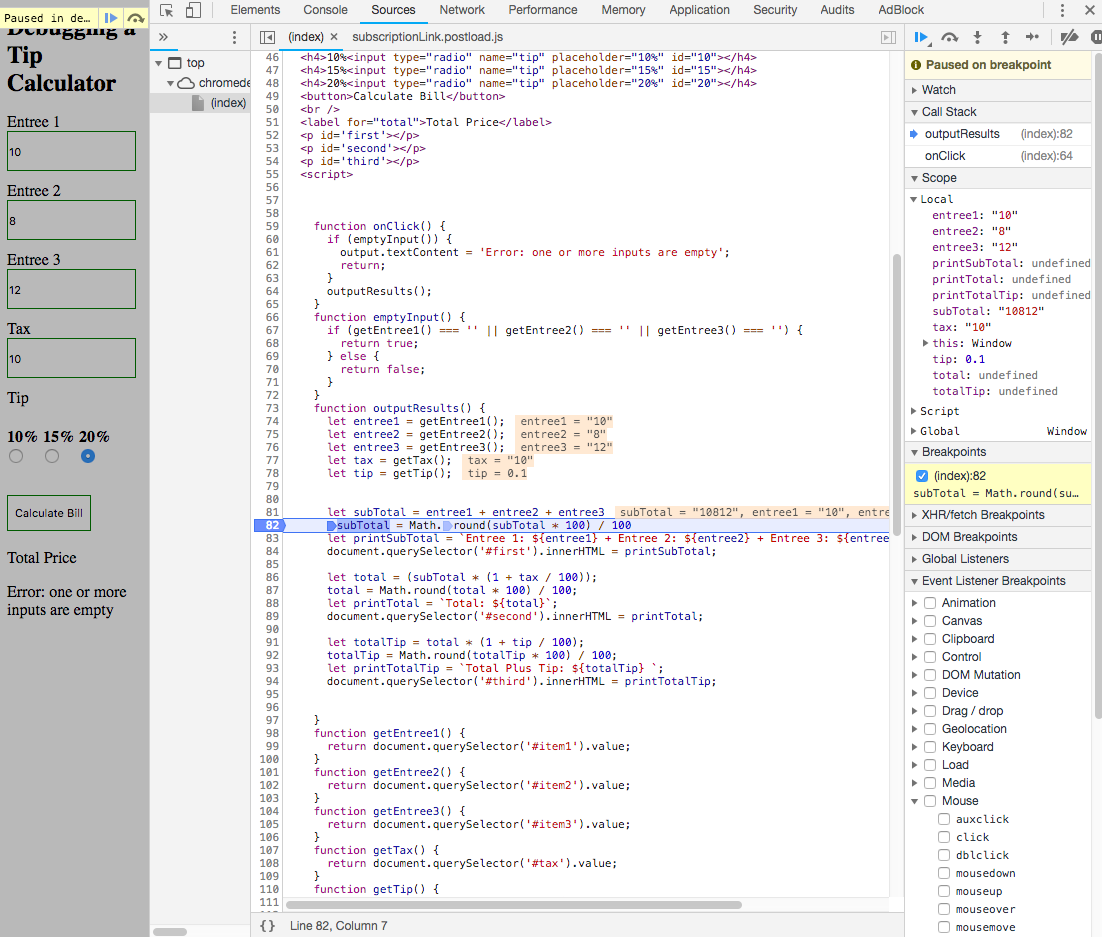
Debug More Efficiently