What Could Explain the Gallium Anomaly? | Quanta Magazine

Physicists have ruled out a mundane explanation for the strange findings of an old Soviet experiment, leaving open the possibility that the results point to a new fundamental particle.
Physicists have ruled out a mundane explanation for the strange findings of an old Soviet experiment, leaving open the possibility that the results point to a new fundamental particle.

“Every one of the stars in the sky uses fusion to generate enormous amounts of energy. Why shouldn’t we?”
They hold the keys to new physics. If only we could understand them.
An Intuitive and Visual Guide to Maxwell's Equations

We explain how lasers work and all the fascinating ways they're being used.

Electric cars and laptop batteries could charge up much faster and last longer thanks to a new structure that can be used to make much better capacitors in the future.

A physicist explains the planetary orbit in Netflix's 3 Body Problem based on computational analysis run in more than 10 billion bodies.

Your most frequently asked questions about gravity, answered. Now with more spooky action at a distance!

Electron tornadoes that mimic “magnetic monopoles” emerge from specks of rust
Lawrence Livermore's Forensic Science Center played a crucial role in helping to solve a notorious 1990s murder case.

The positively charged particle at the heart of the atom is an object of unspeakable complexity, one that changes its appearance depending on how it is probed. We’ve attempted to connect the proton’s many faces to form the most complete picture yet.

Altermagnets, theorised to exist but never before seen, have been measured for the first time and they could help us make new types of magnetic computers
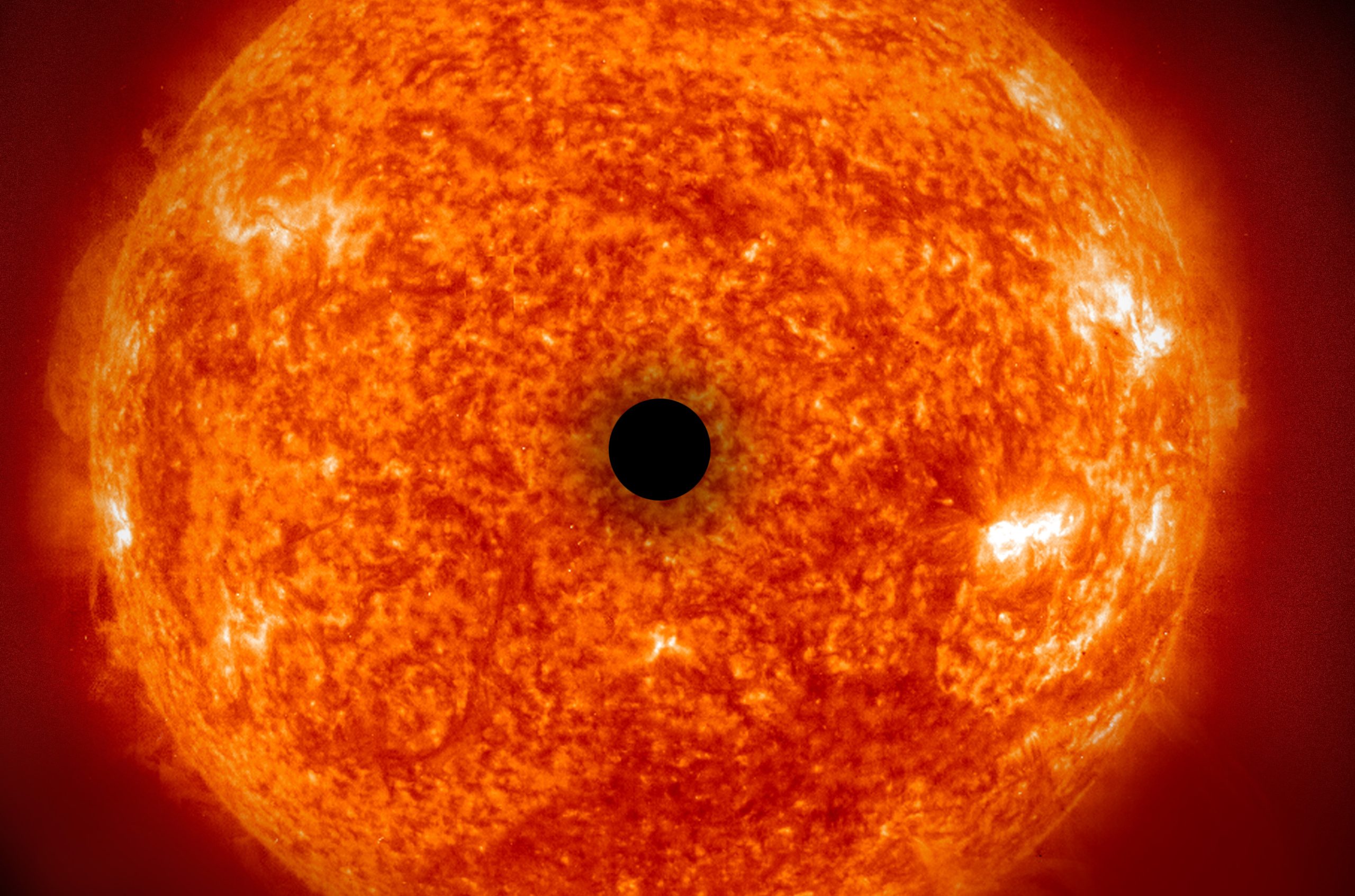
The tangled history of humanity’s search for the solar system’s uncharted planets.

Renate Loll has helped pioneer a radically new approach to quantum gravity. She assumes that the fabric of space-time is a blend of all possible fabrics, and she has developed the computational tools needed to calculate the far-reaching implications of that assumption.
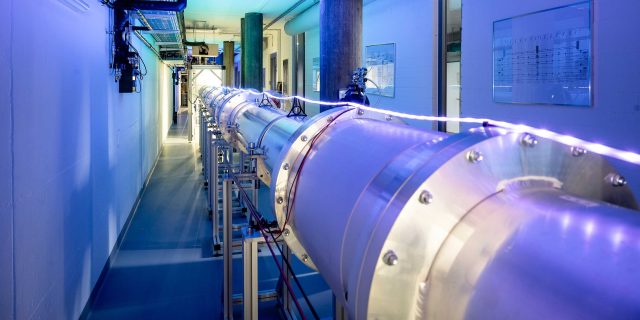
Experiment linked qubits using a supercold wire over 30 meters long.

From ancient fables to the latest science theory, invisibility represents some of humankind’s deepest fears and desires
“Metalenses” created with photolithography could change the nature of imaging and optical processing.
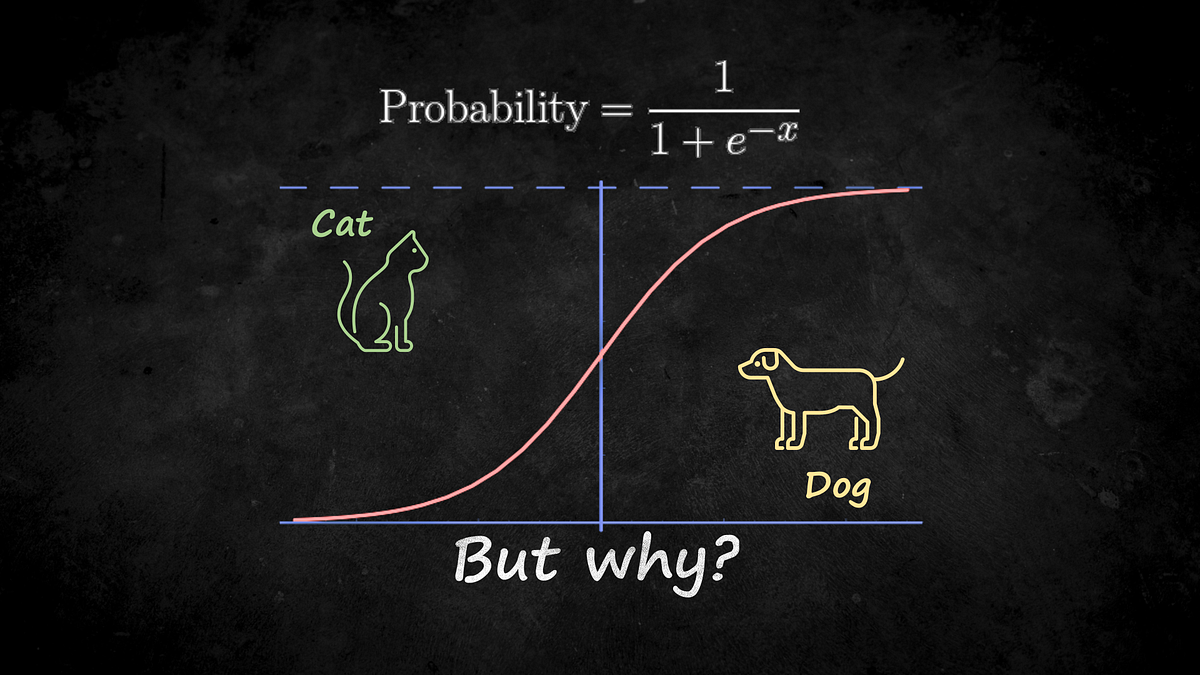
Why do we use the logistic and softmax functions? Thermal physics may have an answer.
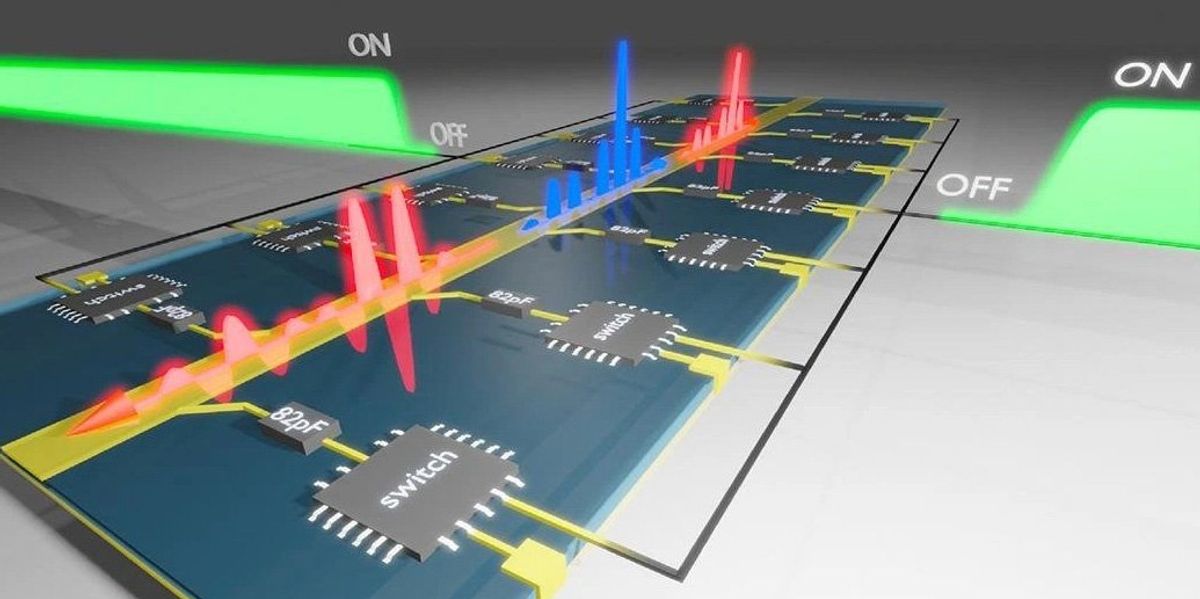
There are already applications in wireless, radar, and optical-computing
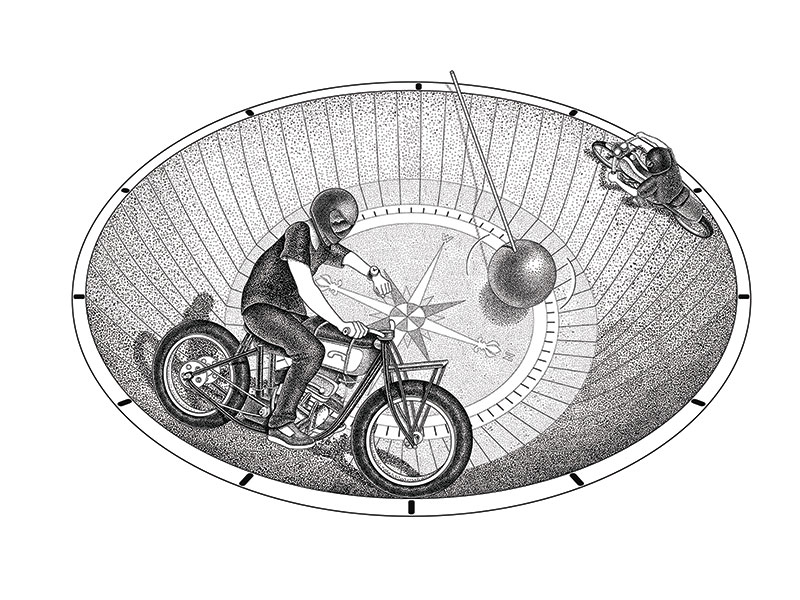
The science of the perfect second

Maintenance of the software that’s used for the hardest physics calculations rests almost entirely with a retiree. The situation reveals the problematic incentive structure of academia.

Scientists used a quantum computer to explore the ultimate escape route from a black hole.
{MetaDescription}
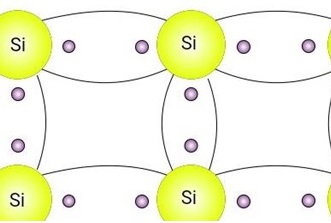
Extrinsic semiconductors have been doped with specific chemicals. This process helps to modify the electrical properties of a relatively pure semiconductor crystal.
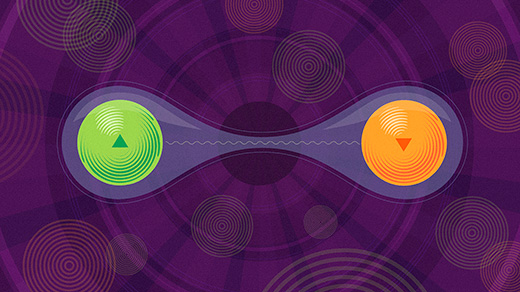
The root of today’s quantum revolution was John Stewart Bell’s 1964 theorem showing that quantum mechanics really permits instantaneous connections between far-apart locations.

They can fall from potentially infinite heights and survive. They can pivot off of nothing to land on their feet. Scientists still can’t fully explain why.
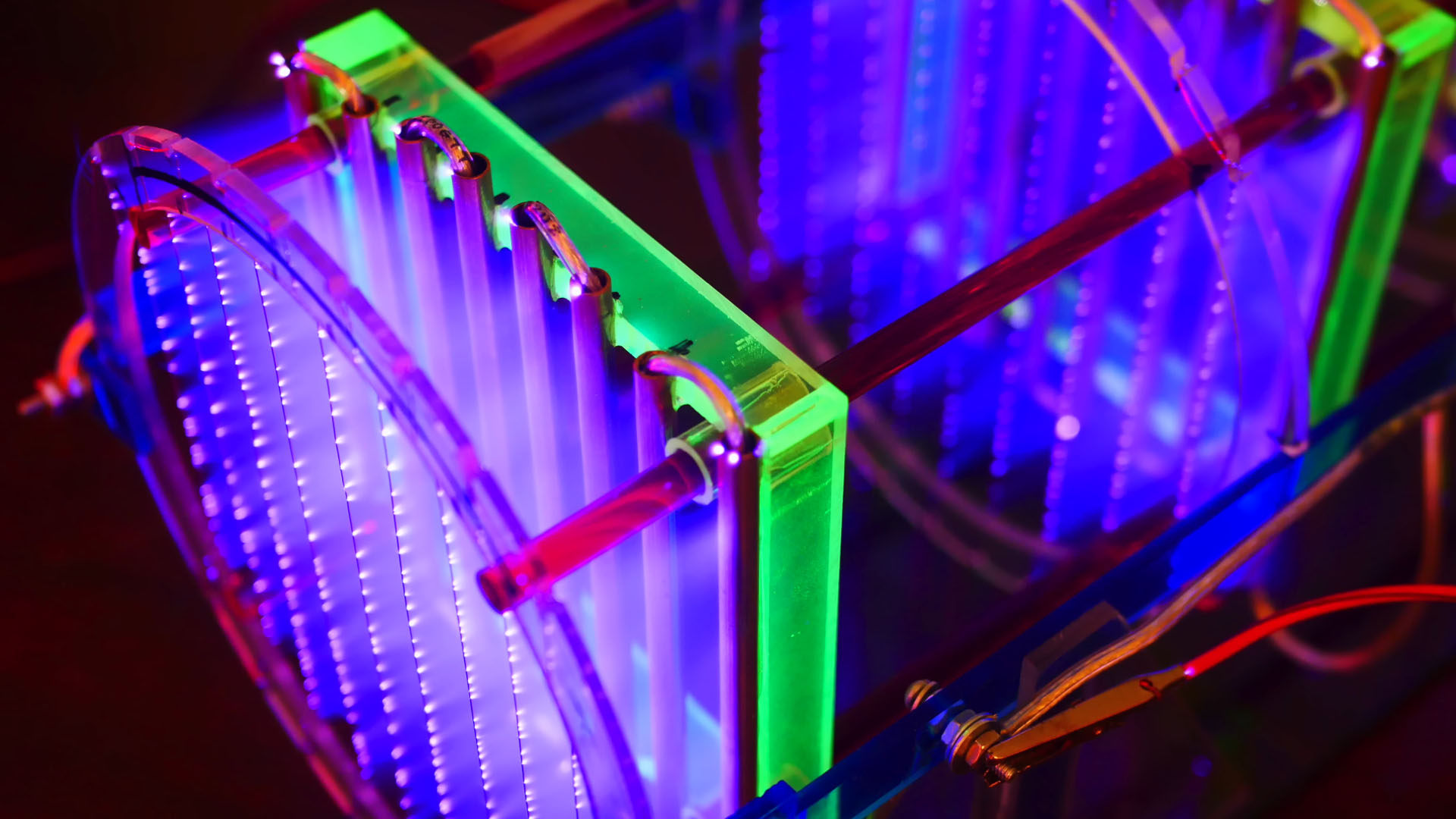
Ionic propulsion is typically pretty weak. However, this setup has potential.

The key to understanding the origin and fate of the universe may be a more complete understanding of the vacuum.
A new biography of the physicist and the particle he predicted reveals his disdain for the spotlight

The existence of the Higgs boson completes the standard model of particle physics.

The color debate that broke the internet raised new questions about the relationship between perception and consciousness.
:extract_focal()/https%3A%2F%2Fpocket-syndicated-images.s3.amazonaws.com%2Farticles%2F7941%2F1654910604_62a3ed82a035b.png)
Some of today’s quantum physicists are tinkering with an esoteric phase of matter that seems to disobey some of our laws of physics.
Quantum computers may derive their power from the “magical” way that properties of particles change depending on the context.
The Fermi Paradox: There should be 100,000 intelligent alien civilizations in our galaxy — so why haven't we found any of them?
Their magnetic fields—the strongest we’ve observed—could melt you from 1,000 km away.
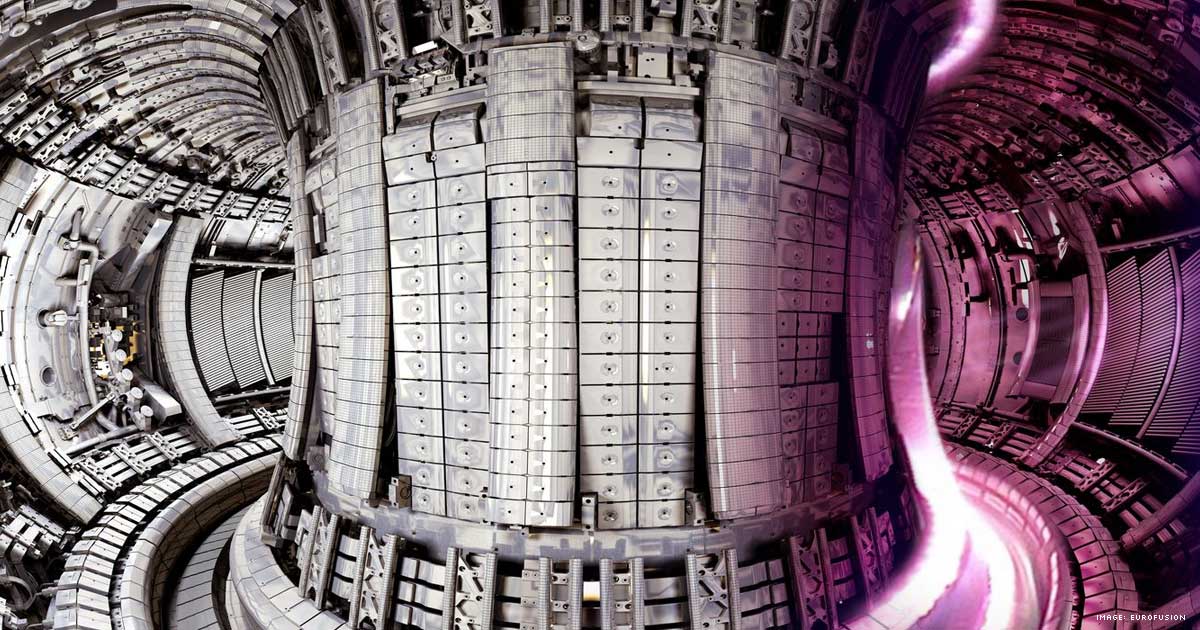
Despite repeated claims that the prospects for commercialization have never looked brighter, the stark reality is that practical fusion-based electric power remains a very distant prospect.
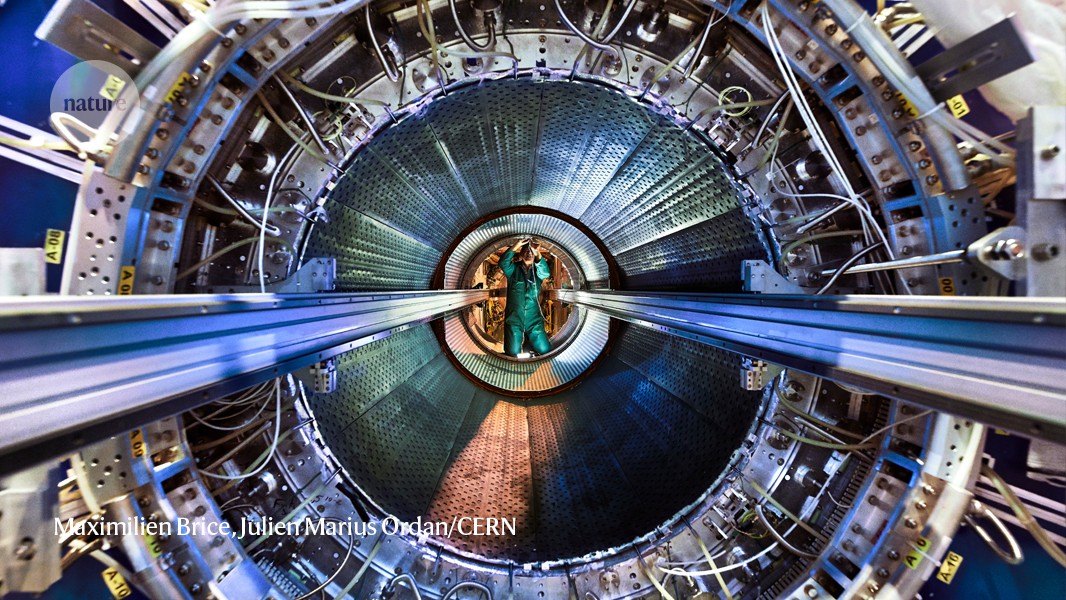
Nature - The particle-smashing machine has fired up again — sparking fresh hope it can find unusual results.

Physicists are investigating if nuclear isomers could build the world’s most accurate clock or support the next generation of batteries.
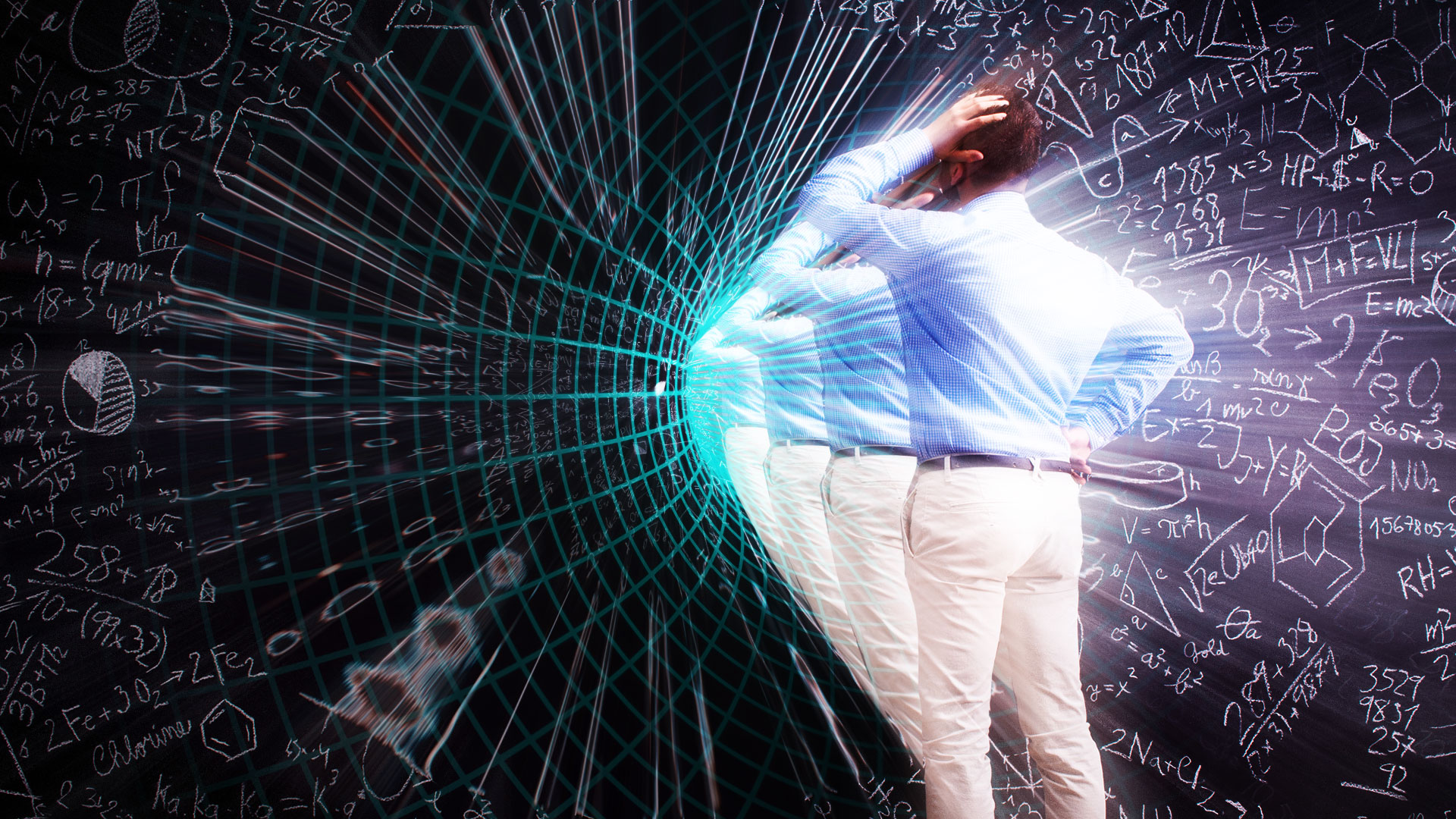
Planning a trip to the Andromeda Galaxy? Not so fast.
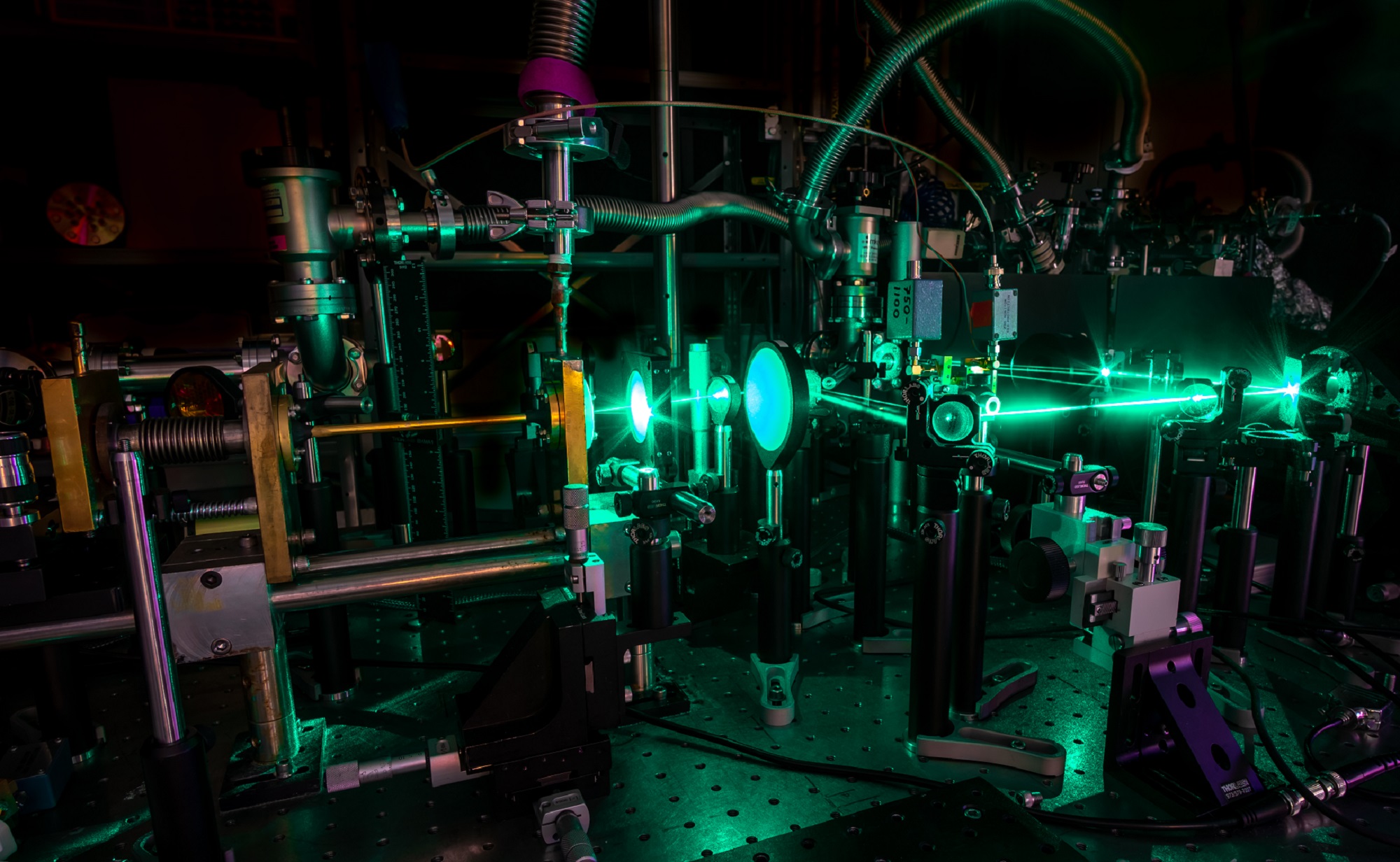
In the far infrared band of the electromagnetic spectrum, engineers are exploring the terahertz gap, which could lead to a wave of faster, more sensitive technologies.
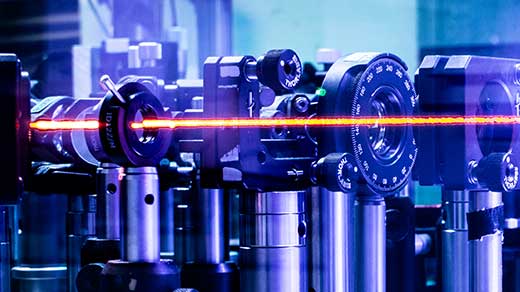
Two teams have shown how quantum approaches can solve problems faster than classical computers, bringing physics and computer science closer together.
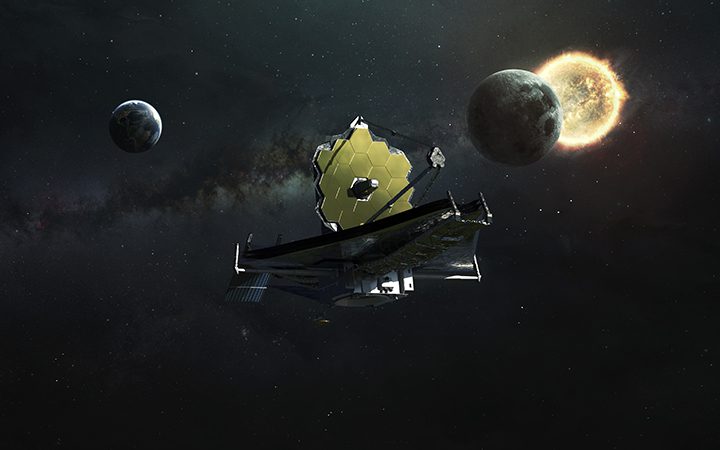
The James Webb Telescope, the long-awaited successor to the Hubble Telescope, was launched on Christmas Day, December 25th, 2021 and has, over the course of several weeks, been heading out to its final destination, an odd point in space called L2. While Lagrange points are well…

Antimatter has fueled many a supernatural tale. It's also fascinating all by itself.

James Clerk Maxwell's equations are a big deal in physics, explaining the fundamentals of electricity and magnetism. Here's the gist of how they work.


For the first time, a large high-temperature superconducting electromagnet was ramped to a field strength of 20 tesla, the most powerful magnetic field of its kind ever created. The demonstration helps resolve the greatest uncertainty in the quest to build the first fusion power…
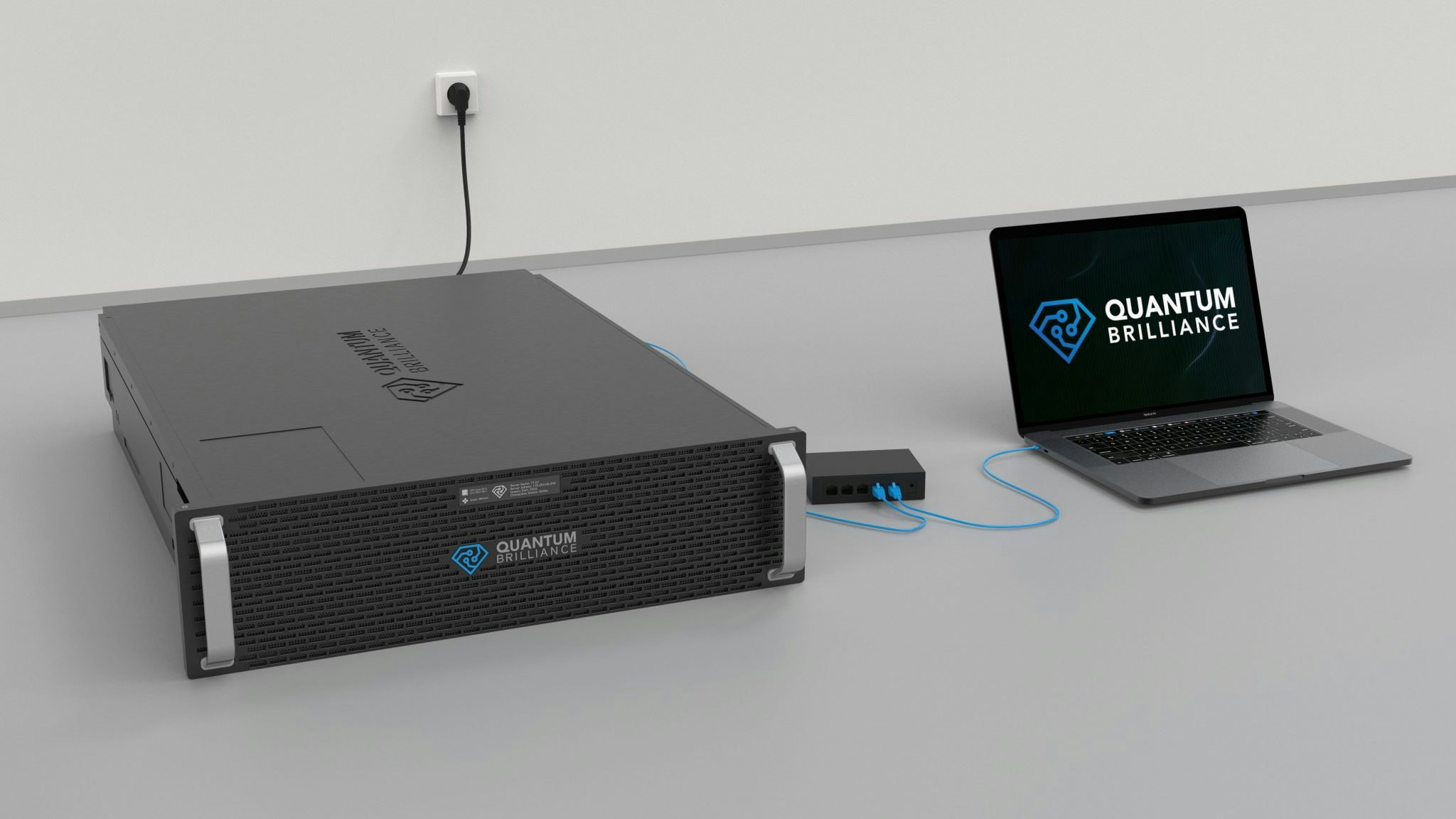
Quantum Brilliance has developed a diamond-based quantum computer that can run at room temperature and be miniaturised.

Even scientists who were skeptical of work at the National Ignition Facility called the results a success.