Why Is My Brain Tingling?
The neuroscience of “autonomous sensory meridian response”
The neuroscience of “autonomous sensory meridian response”
:extract_focal()/https%3A%2F%2Fcompote.slate.com%2Fimages%2F99ff8f76-d721-4ec7-871d-8ddfb5440c90.jpg)
How the scientist who founded the science of mistakes ended up mistaken.
:extract_focal()/https%3A%2F%2Fs3.amazonaws.com%2Fpocket-syndicated-images%2Farticles%2F2965%2F1578950994_GettyImages-1089998688.jpg)
What is the relationship between how we reason and the reasons we come up with?
:extract_focal()/http%3A%2F%2Fstatic.nautil.us%2F15684_1c596d6658b237e7a2aec3b1ed11dab3.jpg)
What is neuroscience doing to art?
:extract_focal()/https%3A%2F%2Fpocket-syndicated-images.s3.amazonaws.com%2Farticles%2F1895%2F1621968717_GettyImages-1000501530.jpg)
In a fascinating look at language, a professor lays out how political parties can sway supporters with tiny tweaks in word choice.
Nautilus is a different kind of science magazine. Our stories take you into the depths of science and spotlight its ripples in our lives and cultures.

A journey toward seeing myself more clearly.

Neuroscience has found that gestures are not merely important as tools of expression but as guides of cognition and perception.
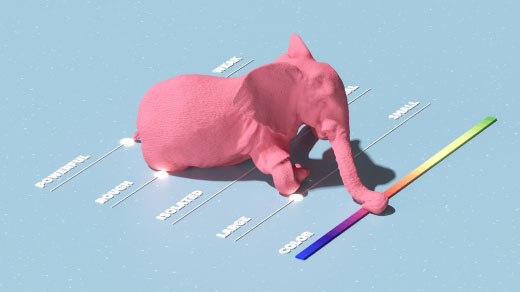
Emerging evidence suggests that the brain encodes abstract knowledge in the same way that it represents positions in space, which hints at a more universal theory of cognition.
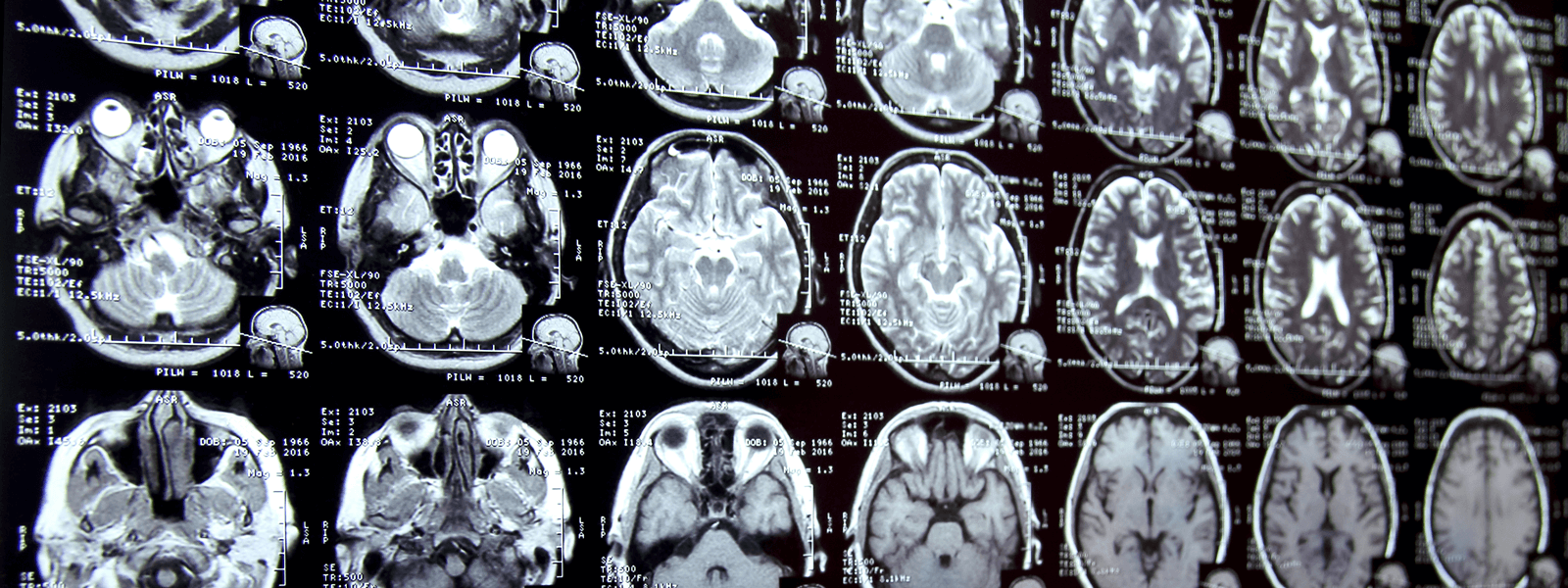
Scientists are developing AI systems called deep neural nets that can read medical images and detect disease — with astonishing efficiency
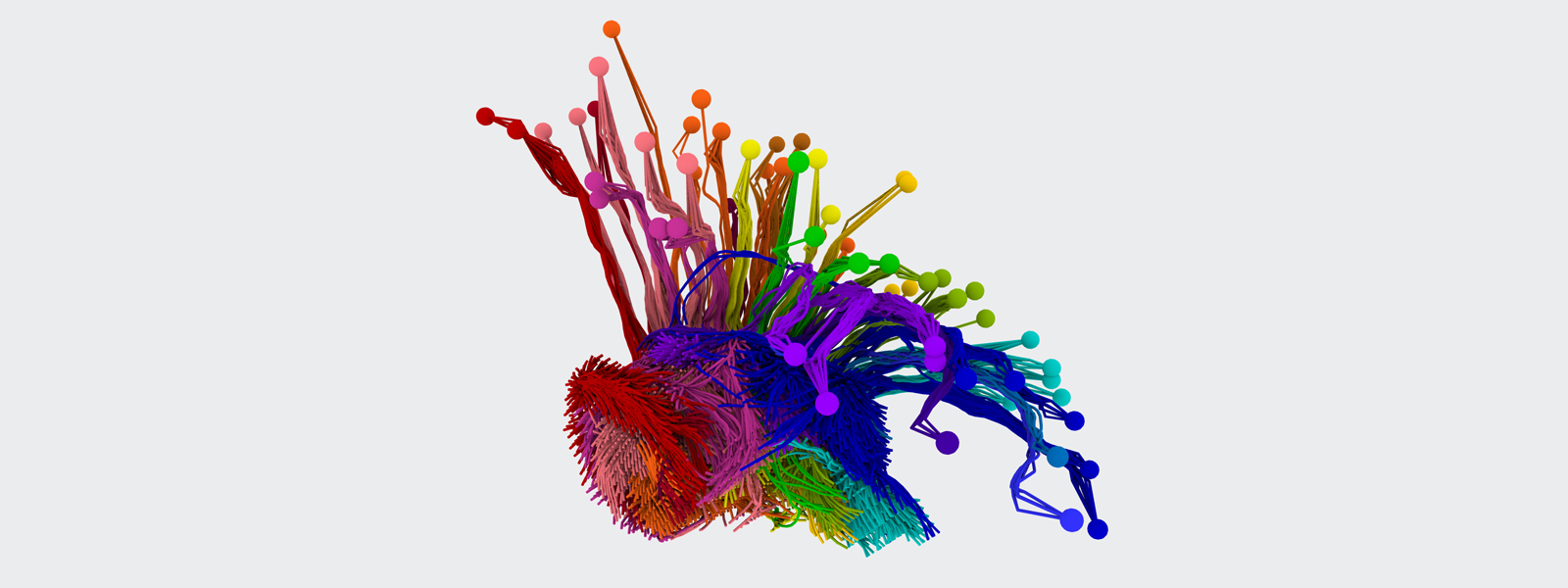
The thalamus has traditionally been viewed just as the brain’s sensory relay station. But it may also play an important role in higher-level cognition, MIT’s Michael Halassa explains in a Q&A.
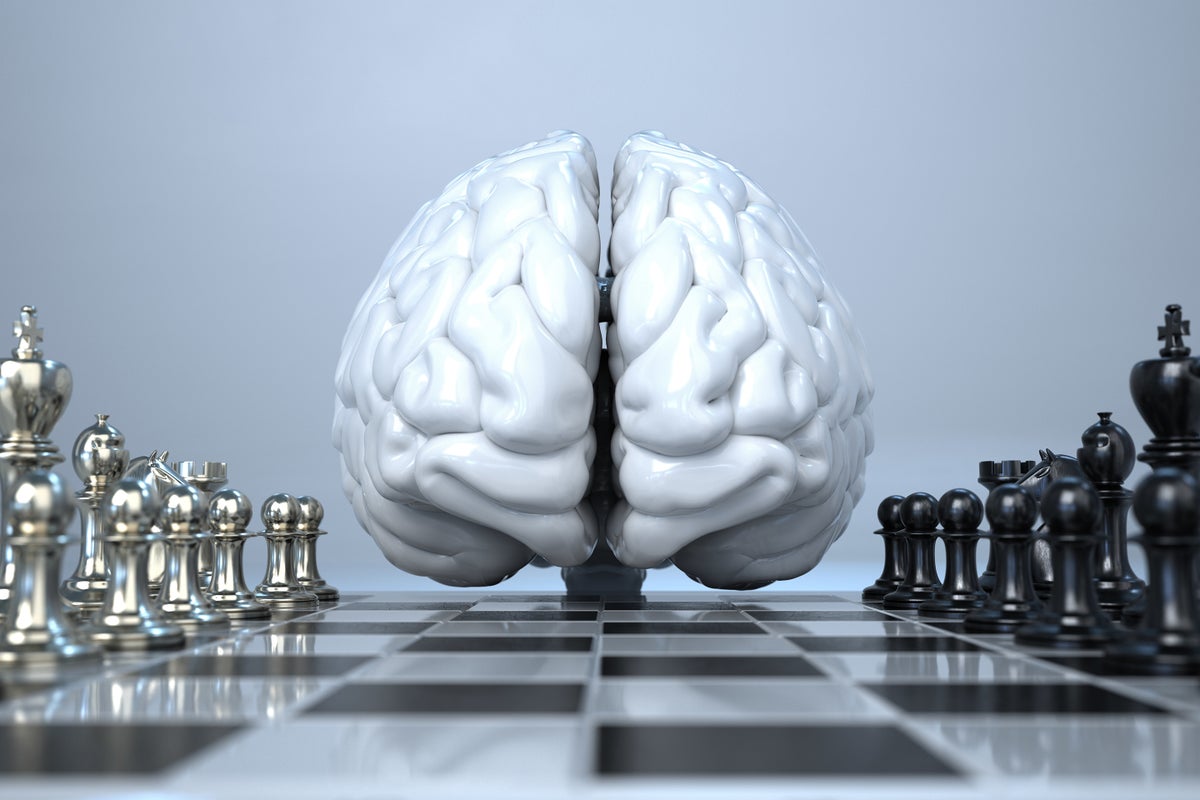
Neuroscientists at the University of Barcelona set about on a search for brain areas involved in chess-related tasks so that surgeons could avoid them when removing a tumor

COGNITIVE WORLD Optimizes the Journey to AI transformation.

New Caledonian crows were trained to seek rewards by tearing paper of a certain size, demonstrating what researchers say is quite advanced toolmaking.

Zvonimir Orec via Shutterstock Nautilus Members enjoy an ad-free experience. Log in or Join now . Last July, Chris Perry went on an Alaskan cruise with her family to celebrate her parents’ 50th wedding anniversary. When she boarded the massive Norwegian Sun cruise ship, she felt…
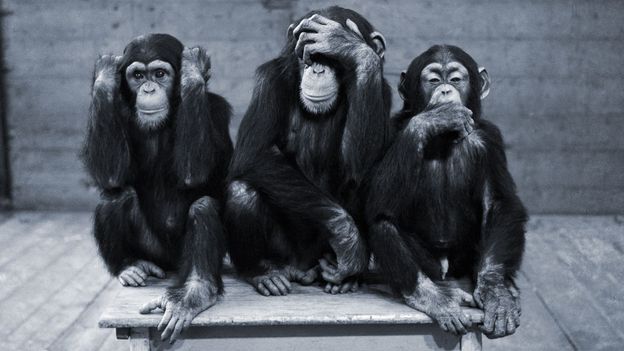
The obvious answer is five: vision, hearing, touch, smell, and taste. But the reality may not be so simple.