Itamar Simonson: What Makes People Collect Things?


The limitations of algorithmic curation of news and culture has prompted a return to the use of actual humans to select, edit, and explain. Who knows, this might spread to another less traditional…
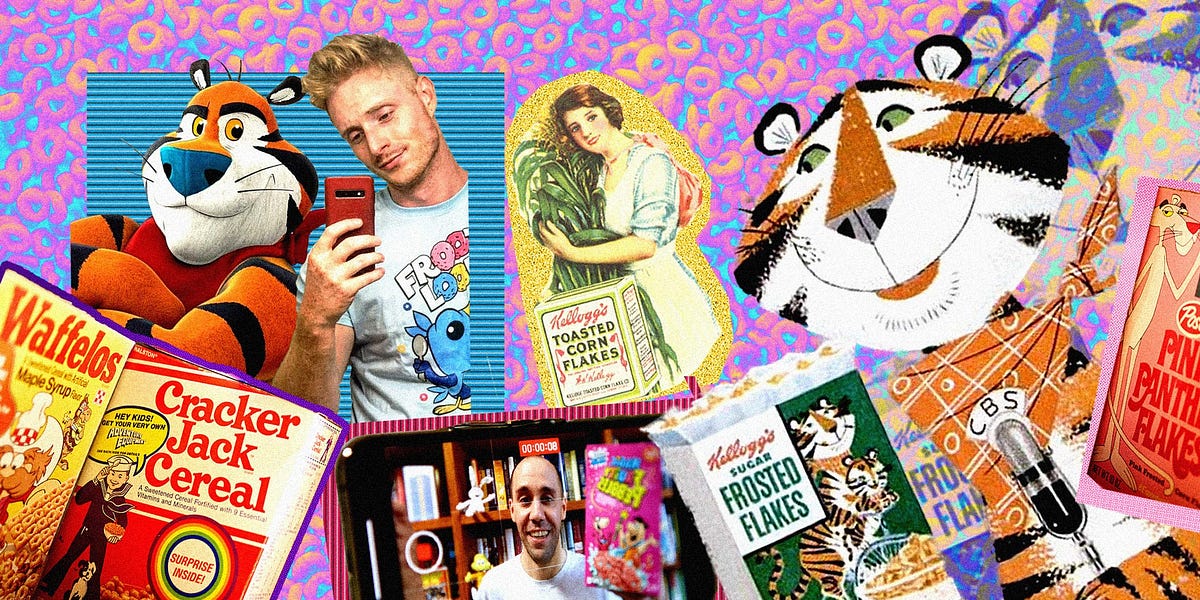
The world’s most obsessive breakfast-food fans demonstrate just how far humans will go for the sweet taste of nostalgia.

We’ve all watched from the sidelines as companies have come out in a burst of glory, and then, two years later, spent their venture capital, lost their user base, and failed to monetize. This begs the question - what are the factors that drive a company’s survival, differentiate…

By Stephanie Tilenius, an entrepreneur in residence at Kleiner Perkins Caufield & Byers The Wild West of online marketplaces is over. From 1999 until 2006, eBay and Amazon Marketplaces dominated the field, offering platforms that brought buyers and sellers together. But over the…

Personalization algorithms influence what you’ve chosen yesterday, what you choose today and what you’ll be choosing tomorrow. Simultaneously, there seems to be something wrong with personalization. We are continuously bumping into obtrusive, uninteresting ads. Our digital…

More and more companies are announcing new products based on human curation, even as the most important content players — Google and Facebook — rely on algorithms. When does curation make sense, an…

Remember downloading songs? Even in 2022, it’s still a viable—and rewarding—way to collect music.
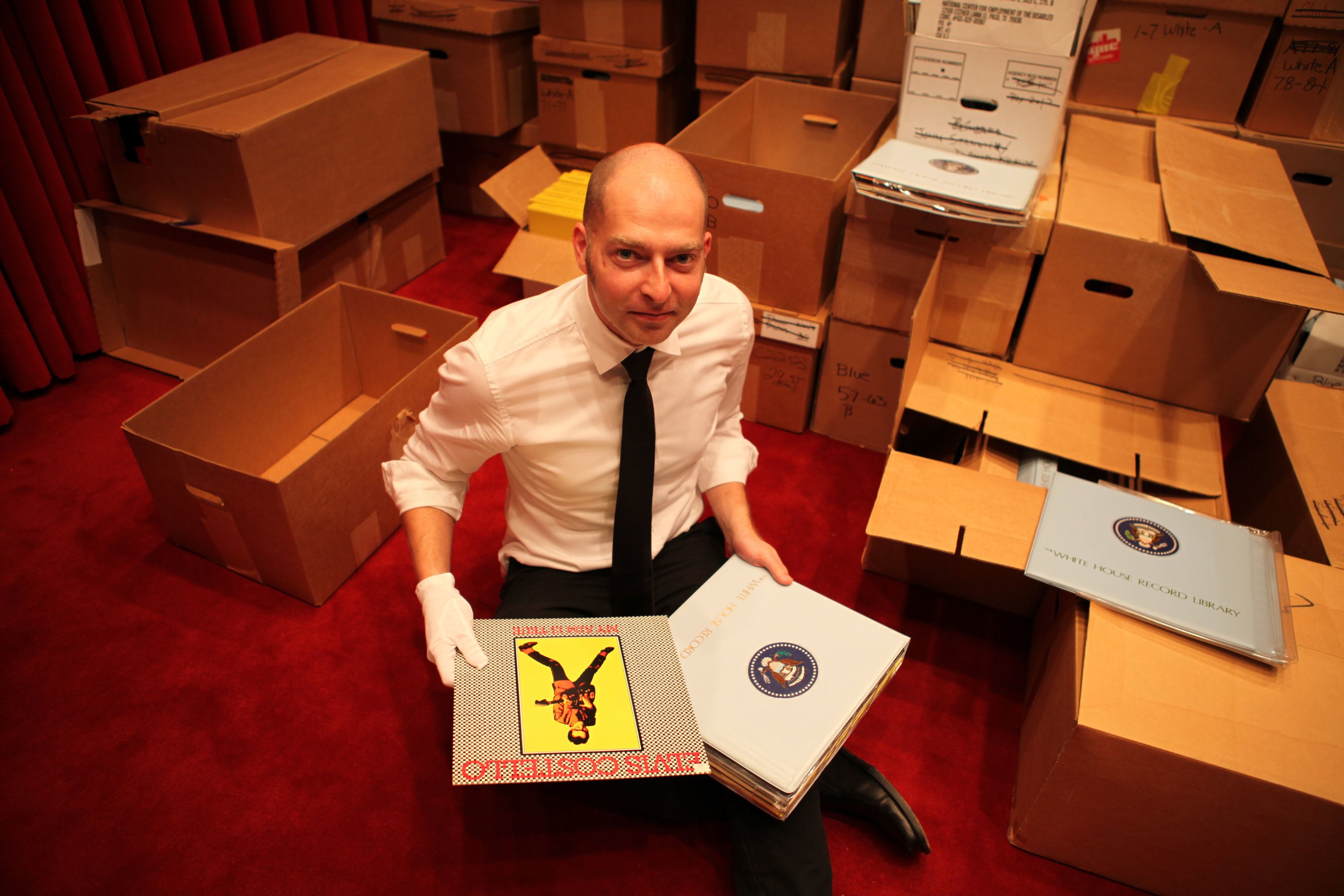
Jimmy Carter’s grandson, John Chuldenko, is unlocking White House mysteries. The record collection is an archive of the nation's music taste back in the 70's.

The rising prices of Rolexes and Pateks have collectors turning to what one expert called “the dead brands society.”

I know, we're all doing vinyl and there has probably been no better time to be a vinyl junkie, given the number of places selling it and the...

Have you ever bought an item and then just not gotten around to using it because the time never felt right? Researchers now have the data for what they call ”nonconsumption”—and it may explain how clutter accumulates.

Dozens of “rare Cheetos,” shaped like everything from Donald Trump to a squirrel, are up for sale on eBay. But who’s buying?

Things got weird when a 19-year-old artist shared her unique hobby online.
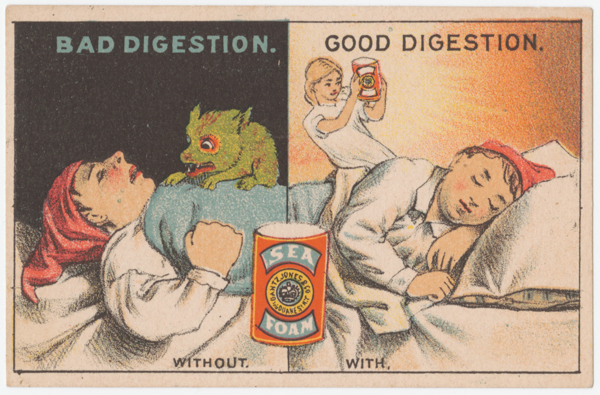
Collectors swapped ads featuring pretty pictures, demons, and chefs bursting out of giant pickles.

Their collections may look like trash to you, but these guys know every can has a story—and some have shockingly high price tags, too.

Most of us try to avoid radiation, but not Andrew Walker, who collects radioactive objects. The surprising part? These items can be found in a variety of common places.
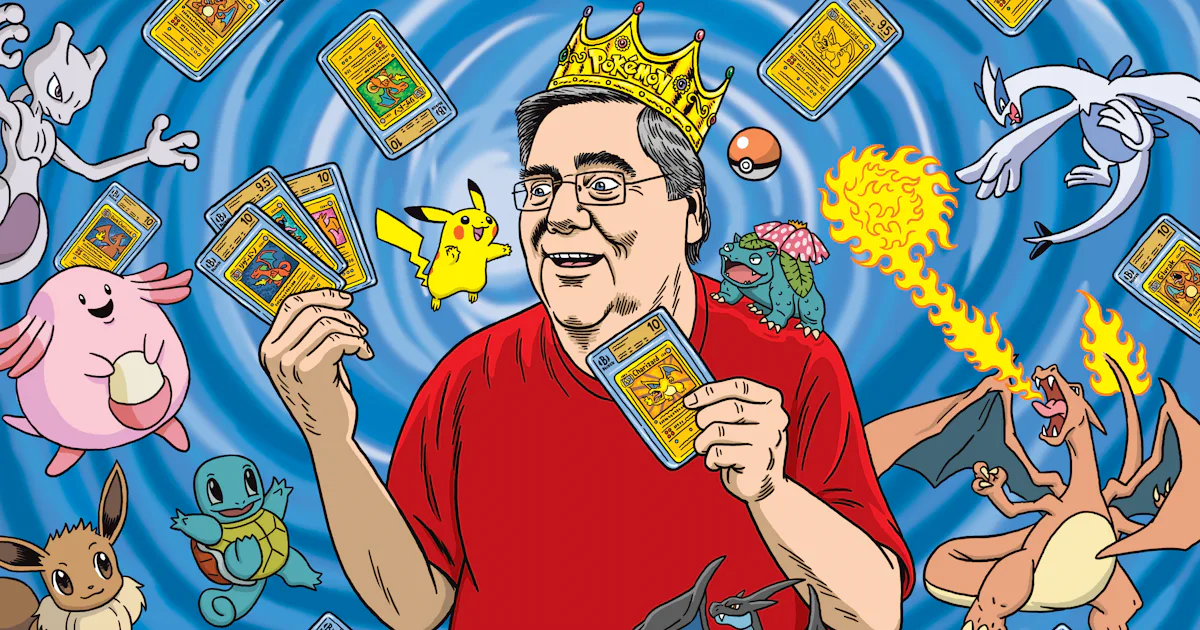
Gary Haase has amassed the world’s most expensive Pokémon card collection, valued at over $10 million. So why isn’t he cashing in?

Building the raw materials for personalization at scale

Here's how to figure out how long it's been since someone left their empties around, only to be dug up later.
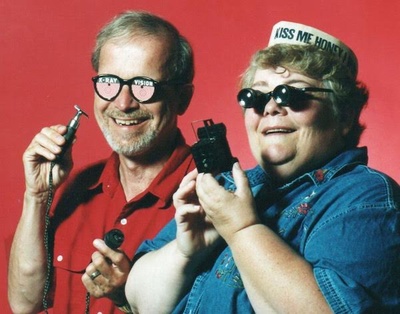
[caption id="attachment_82071" align="alignnone" width="600"] Stan and Mardi Timm show off Johnson Smith novelties they've collected. Stan wears X-Ray Spe...

From the archives: Pinball is a dying art, but as it dies it has spawned a new art in its place.

[caption id="attachment_78396" align="alignnone" width="600"] This huge '60s sideshow banner—roughly 8 by 9.5 feet—was painted by esteemed circus arti...

Harmonica players will suck and harmonica players will blow, but mastering the harmonica is tougher than its diminutive size and simple mechanics suggest....