Vector Search at Scale: The Production Engineer's Guide
IVF partitions space. PQ compresses memory. Together they make 100M vector search actually possible
IVF partitions space. PQ compresses memory. Together they make 100M vector search actually possible

Recsys Series Part 2: From collaborative filtering breakthroughs to generative AI agents that can chat about your preferences and explain their reasoning

Recsys Series Part 1: Master the three core approaches that power every modern recommendation engine
Content-Based Filtering
Item Embeddings
Two-Tower models, vector databases, cross-encoders—and how they work together at scale

Publicly available datasets in recommender research currently shaping the field.

Model architectures, data generation, training paradigms, and unified frameworks inspired by LLMs.

In this article, I'll take you through the recommendation algorithms you should know and how to implement them using Python.

When we turn to algorithms for recommendations instead of asking friends or going down hard-won cultural rabbit holes, what do we give up?
Best Practices on Recommendation Systems.
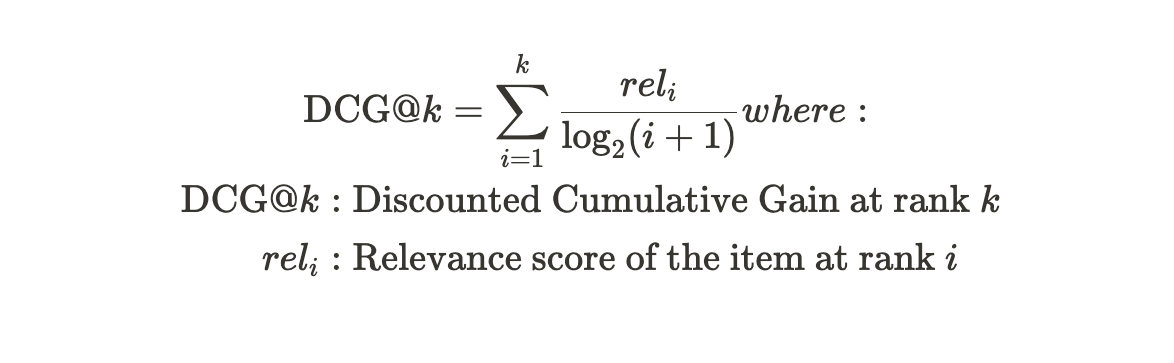
Understanding the purpose and functionality of common metrics in ML packages
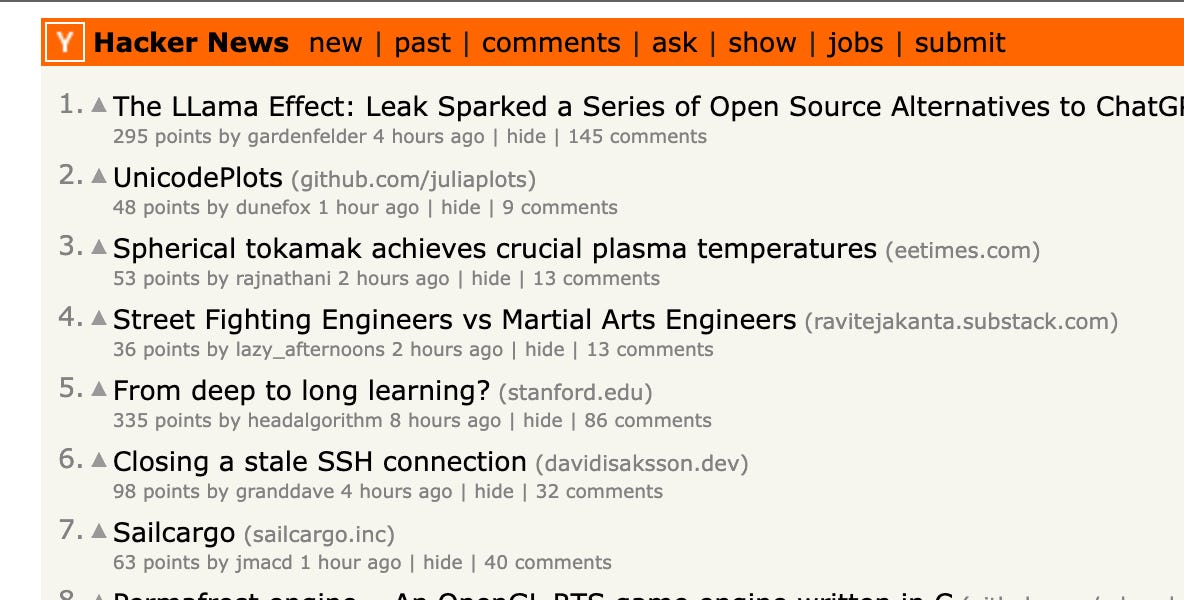
Here's a small thought experiment that explores an alternative approach to ranking posts on HackerNews.

Understanding the most underrated trick in applied Machine Learning
Covers how to choose the similarity measure when item embeddings are available

Dive into the inner workings of TikTok’s awesome real-time recommendation system and learn what makes it one of the best in the field!
I built a recommender system for Amazon’s electronics category
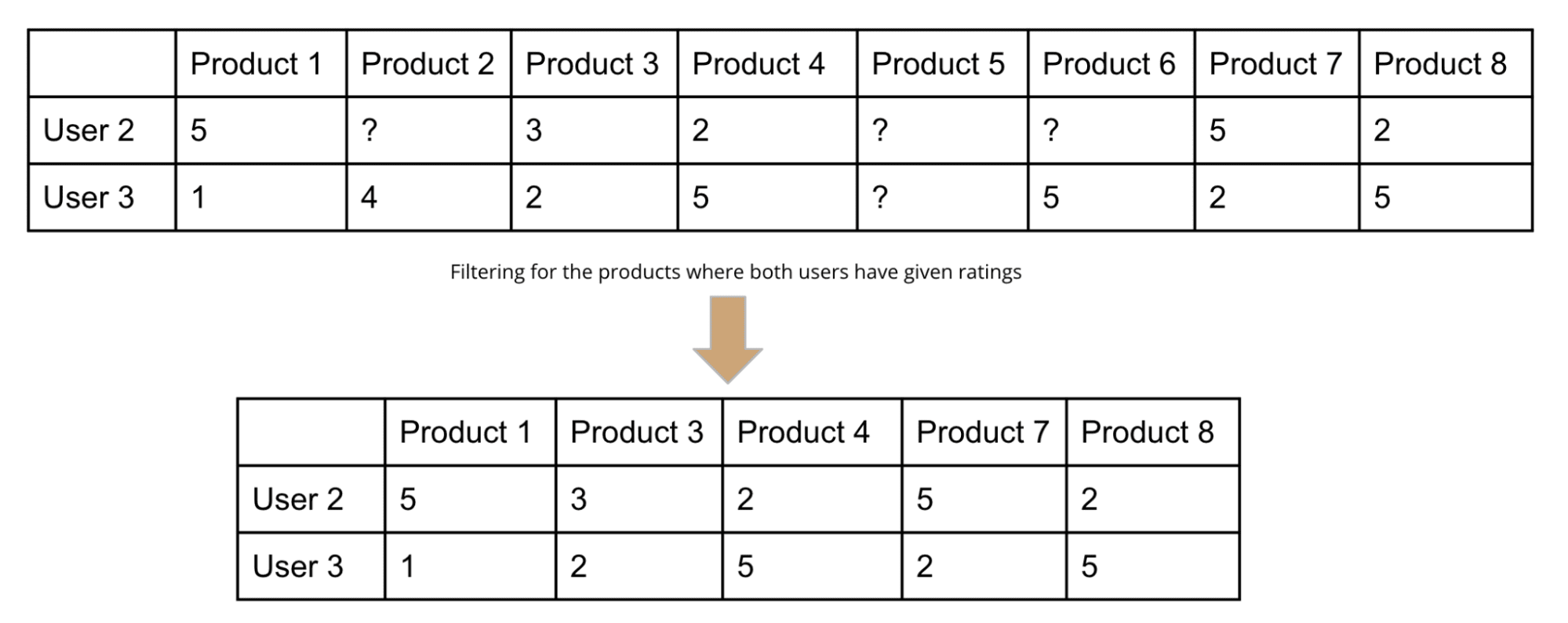
The post introduces one of the most popular recommendation algorithms, i.e., collaborative filtering. It focuses on building an intuitive understanding of the algorithm illustrated with the help of an example.

Patience and empathy are the basis of good documentation, much as they are the basis for being a decent person. Here's a how-to for creating better open source project docs, which can help your users and grow your community.
Making the best recommendations to anonymous audiences
A List of Recommender Systems and Resources.

Without driving yourself crazy

Buyers reveal a whole range of behaviors and interests when they browse our pages, so we decided to incorporate these additional purchase intent signals into our machine learning model to improve the relevance of our recommended items.

A preview into one of the most prominent data science applications

Under the new machine learning model, buyers are recommended items that are more aligned to their shopping interests on eBay.
We are excited to announce TorchRec, a PyTorch domain library for Recommendation Systems. This new library provides common sparsity and parallelism primitives, enabling researchers to build state-of-the-art personalization models and deploy them in production.

Building the raw materials for personalization at scale
Speech and natural language processing (NLP) have become the foundation for most of the AI development in the enterprise today, as textual data represents a significant portion of unstructured content.

The memory capacity of embedding tables in deep learning recommendation models (DLRMs) is increasing dramatically from tens of GBs to TBs across the industry. Given the fast growth in DLRMs, novel...
Your daily dose of data science

Using Spotify’s data to generate music recommendations.

How many different ways we can evaluate RecSys?
Physics Meets Recommendations
A couple years ago, Stephen Malkmus walked into a shop and didn’t recognize himself. He was with one of his daughters, stopping at a gluten-free bakery (“Very Portland,” Malkmus jokes) when the Pavement song “Harness Your Hopes” came on — a song he had written and recorded more…
It’s time to bring together recent breakthroughs in AI to help solve information overload when you need quality recommendations the most.

New modeling approach increases accuracy of recommendations by an average of 7%.

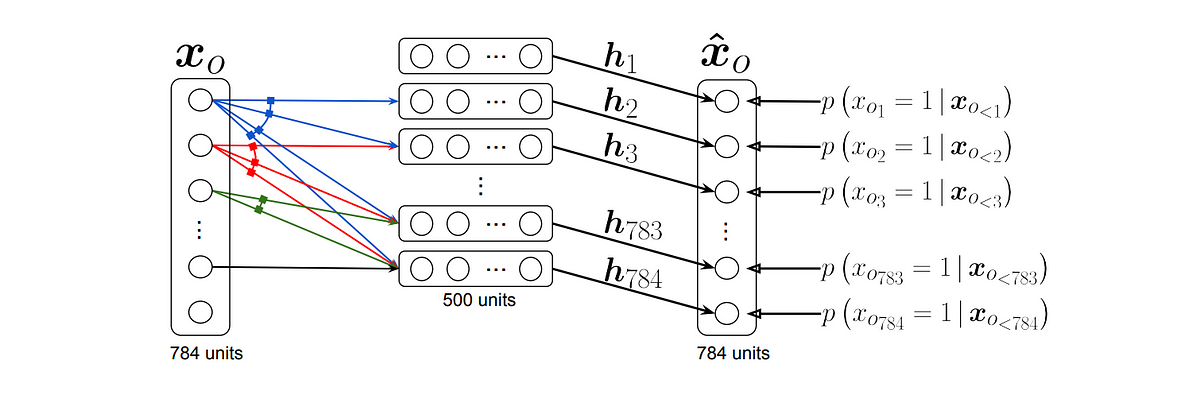
Introduction on Stacked Auto-encoder and Technical Walk-through on Model Creation using Pytorch
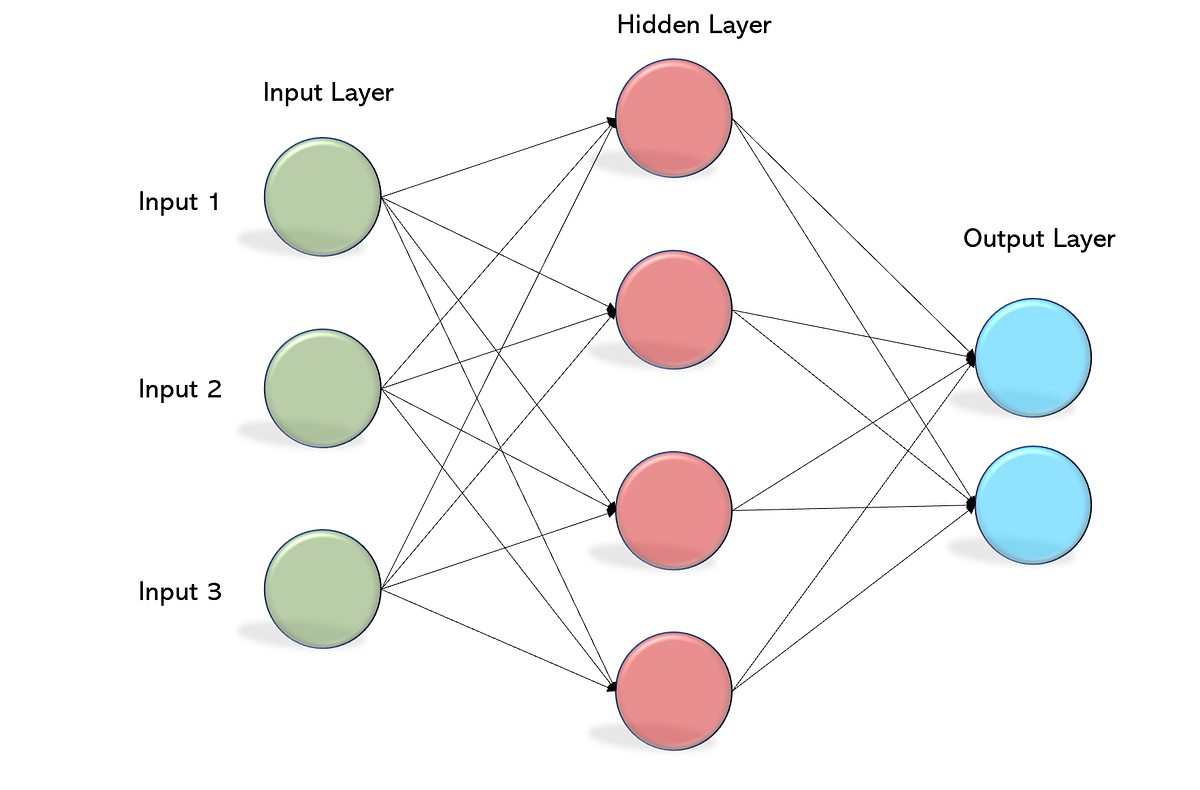
Bringing Neural Architecture into Recommendations
This guide will show in detail how item based recommendation system works and how to implement it in real work environment.

Going above and beyond state-of-the-art with confidence!

Categories of Deep Recommendation Systems

Behind every recommender system lies a bevy of metrics.
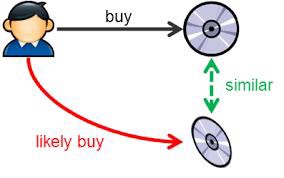
Many of us are bombarded with various recommendations in our day to day life, be it on e-commerce sites or social media sites. Some of the recommendations look relevant but some create range of emotions in people, varying from confusion to anger. There are basically two types of…
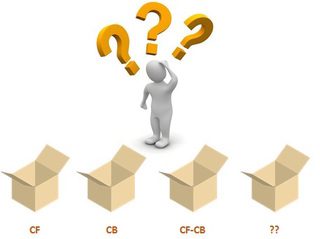
Summary: There are five basic styles of recommenders differentiated mostly by their core algorithms. You need to understand what’s going on inside the box in order to know if you’re truly optimizing this critical tool. In our first article, “Understanding and Selecting…

Stay up-to-date on the latest data science and AI news in the worlds of artificial intelligence, machine learning, deep learning, implementation, and more.
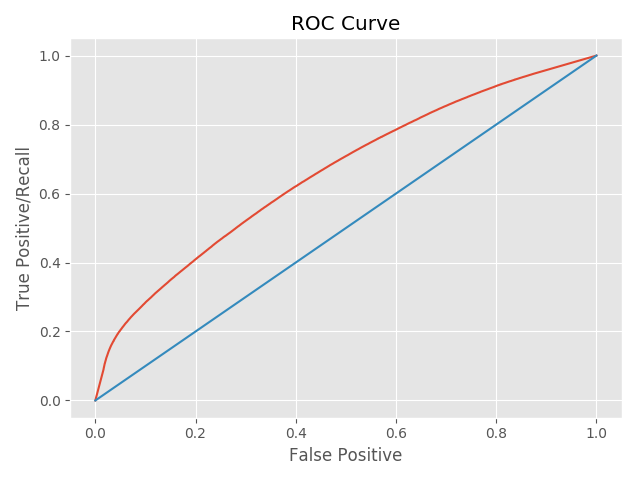
While we commonly associate recommendation systems with e-commerce, their application extends to any decision-making problem which requires pairing two types of things together. To understand why recommenders don’t always work as well as we’d like them to, we set out to build…
This post is about evaluating a couple of different approximate nearest neighbours libraries to speed up making recommendations made by matrix factorization models. In particular, the libraries I'm looking at are Annoy, NMSLib and Faiss.