Improving accessibility with CSS media queries (2025)
Ironing out the accessibility kinks in the web
Ironing out the accessibility kinks in the web

An overview of techniques I’ve used to generate random gradient images.

The CSS animation-trigger property allows you to delay the start of a CSS animation until a specific trigger occurs.
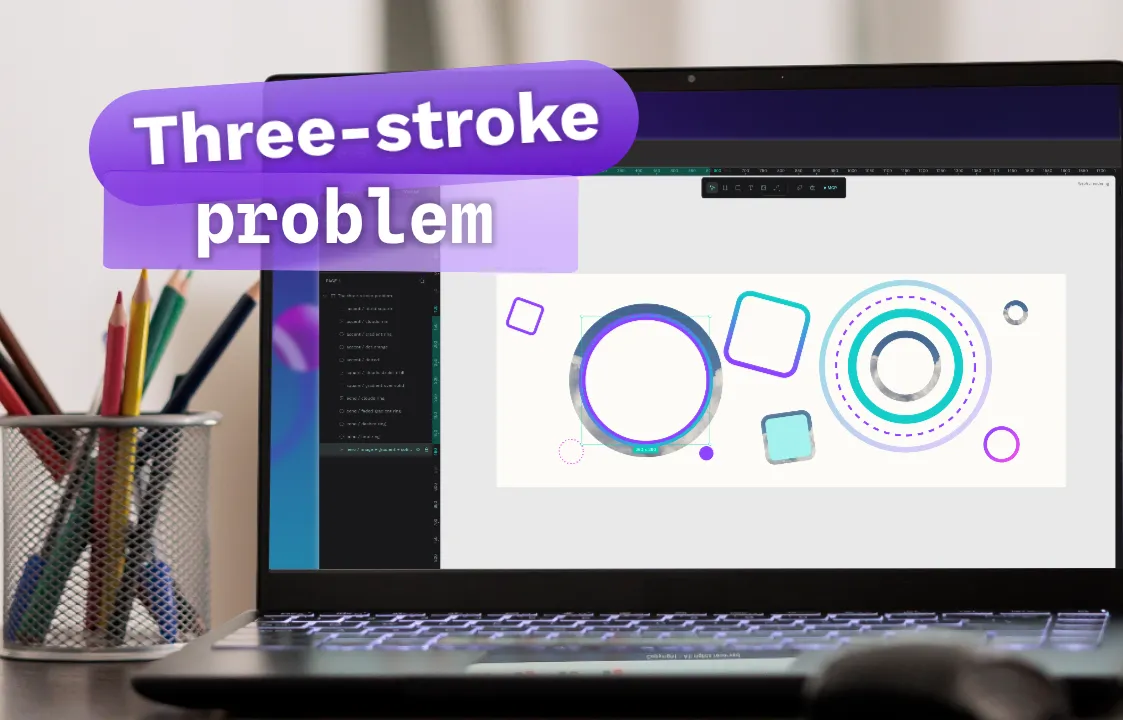
When three kinds of strokes entangle with each other, the resulting design system is chaotic for most initial conditions. Let's go through the stroke rendering in design software.
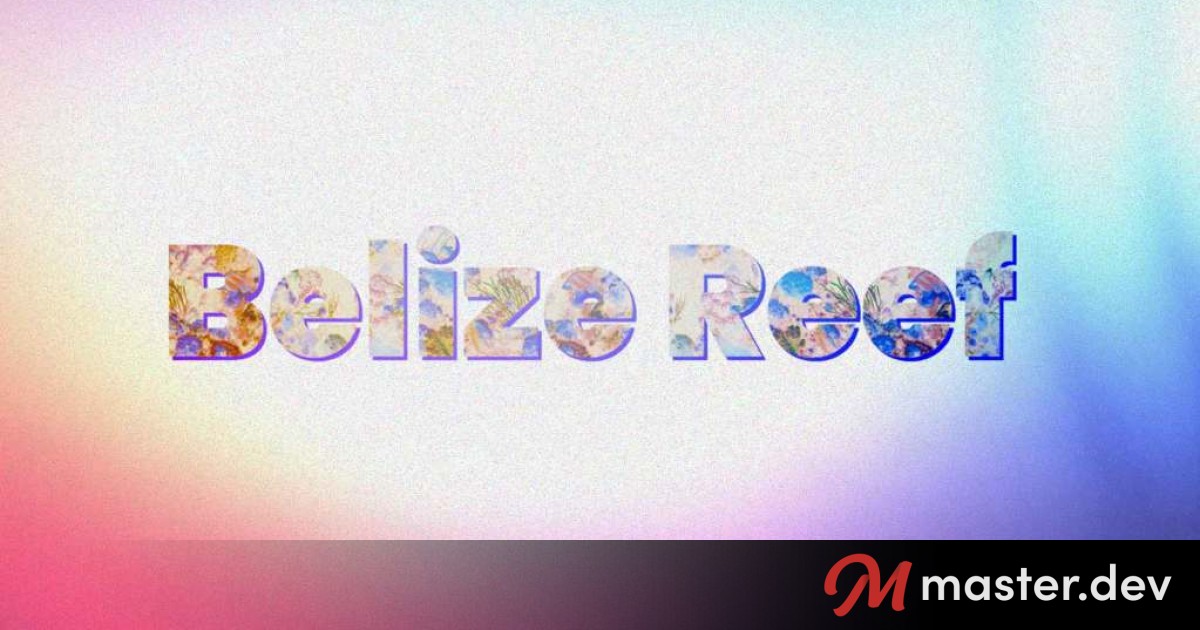
Includes background-clip for masking backgrounds, vertical-align for aligning elements, box-decoration-mode for consistent edge styling, letter-spacing for spacing control, and text-combine-upright for vertical text layouts.
Created with Gemini
Chrome 145 introduces the column-height and column-wrap CSS multi-column layout properties, enabling us to wrap the additional content into a new row.
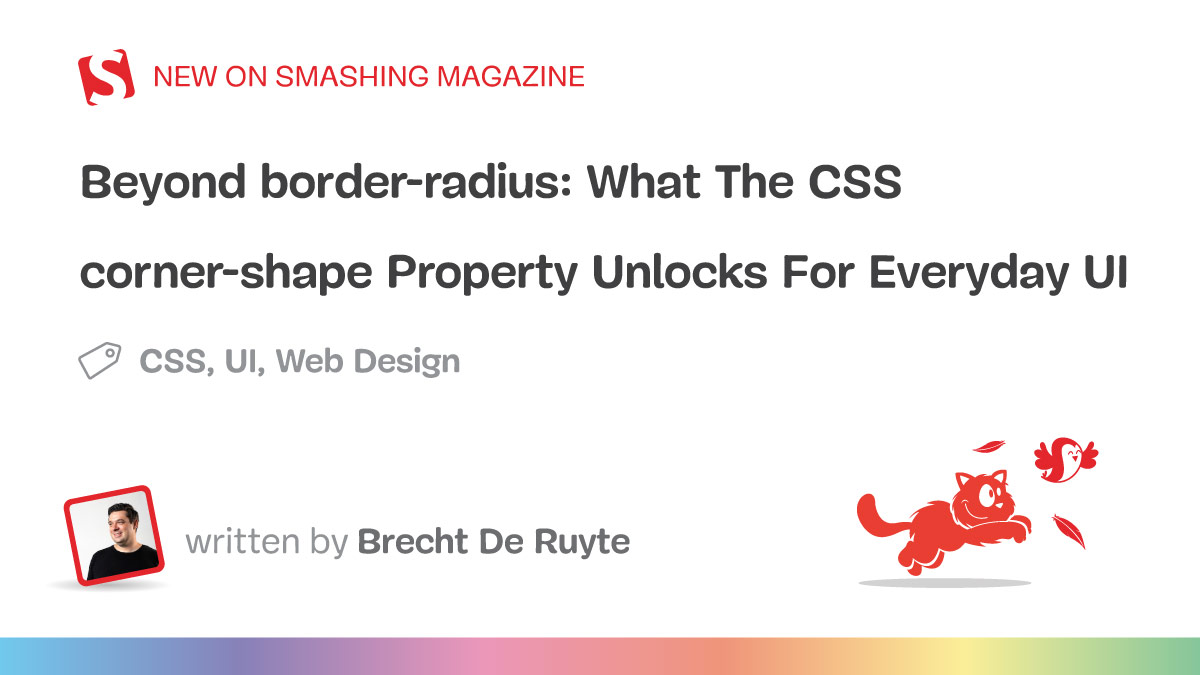
For years, developers have been hacking around the limitations of `border-radius`, using clip-path, SVG masks, and fragile workarounds just to get anything other than round corners. The new `corner-shape` property finally changes that, opening the door to beveled, scooped, and…

How we look at the stacking order of our projects, how we choose z-index values, and more importantly, the implications of those choices.
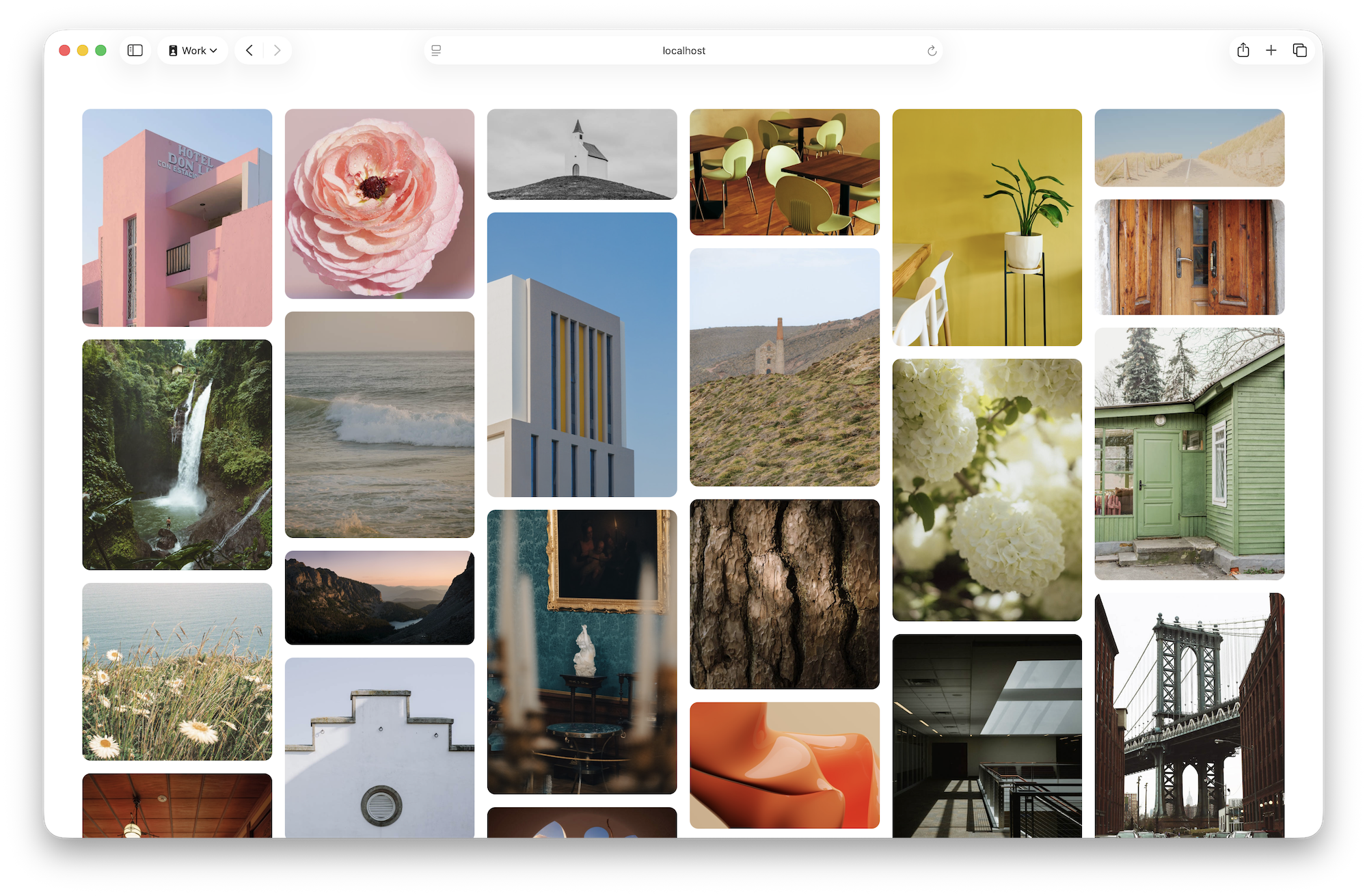
It’s here, the future of masonry layouts in CSS!

In this article, pioneering author and web designer [Andy Clarke](https://stuffandnonsense.co.uk) shows his techniques for creating [Toon Text titles](https://stuffandnonsense.co.uk/toon-text/index.html) using modern CSS and SVG.
CSS Masonry is almost here! Patrick Brosset takes a deep dive into what this long-awaited feature means for web developers and how you could make use of it in your own work.

Looking at the CSS Masonry discussions and what they can teach us about the development of new CSS features. What is the CSSWG’s role? What influence do browsers have? What can learn from the way past features evolved?
Sharing CSS tips, tricks, and best practices
We all have run into CSS collisions and sudden regressions in our codebases when new styles are written or 3rd-party styles are added. This is because of the interdependence of styles due to source order, specificity, and inheritance. Some ways to control the cascade have…
An overview of what makes modern CSS so awesome.
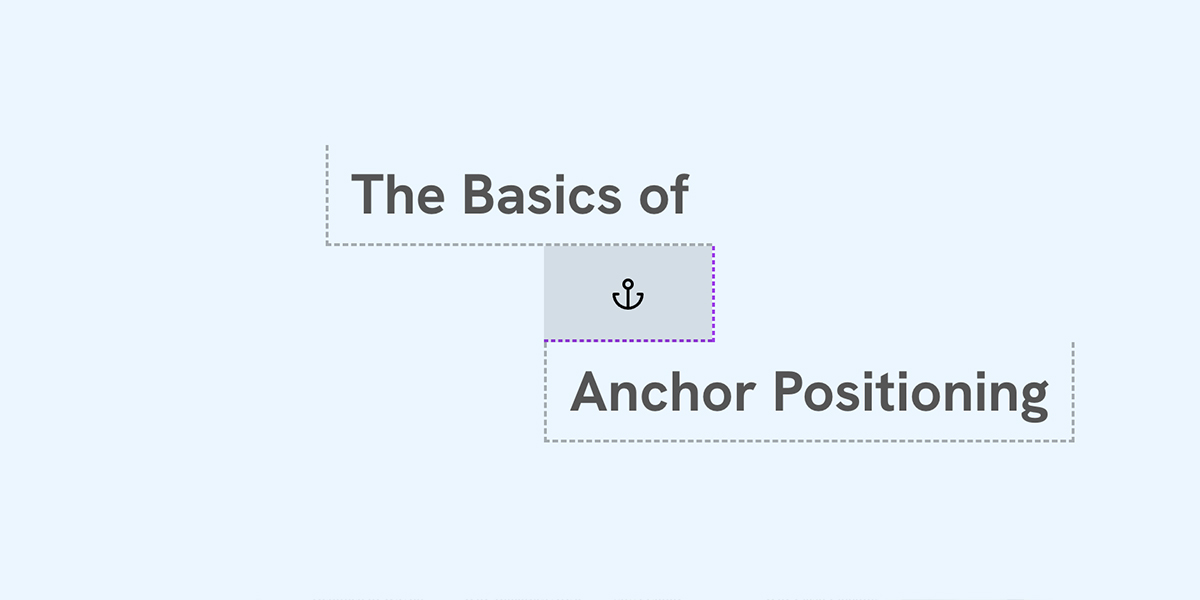
Learn the basics of Anchor Positioning in CSS

I went on to figure out how make masonry work today with other browsers. I'm happy to report I've found a way — and, bonus! — that support can be provided with only 66 lines of JavaScript.

I was playing around with scroll-driven animations, just searching for all sorts of random things you could do. That’s when I came up with the idea to animate main headings and, using scroll-driven animations, change the headings based on the user’s scroll position.
Rounded corners didn’t just win—they staged a quiet coup and made our interfaces soft, friendly, and suspiciously comforting. This satirical love-hate letter to border-radius explores how we went from brutalist boxes to UI that feels like a therapy session. If you've ever…

The shape() function's close and move commands may not be ones you reach for often, but are incredibly useful for certain shapes.
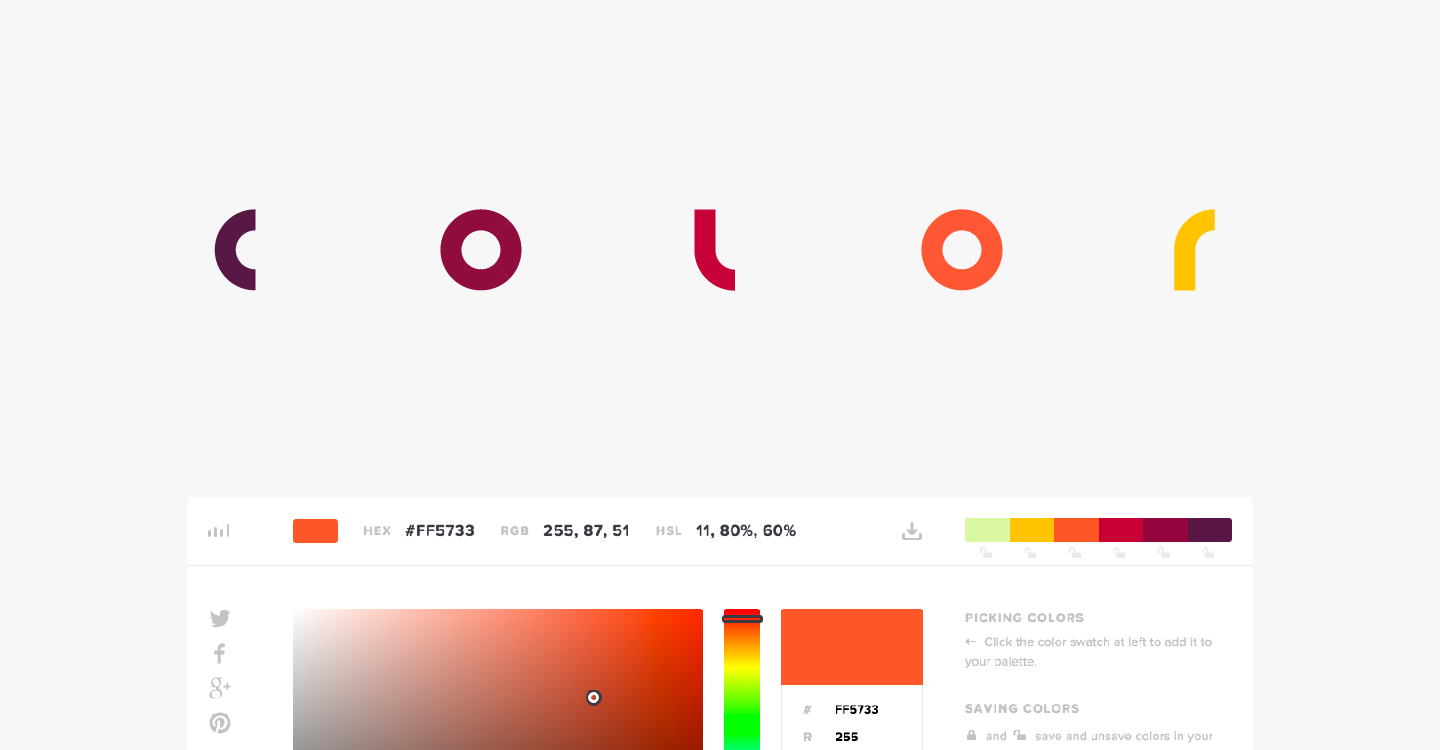
HTML color names rule. Modern browsers support 140 HTML color names which we've listed here along with their Hex color codes and RGB values.

Blob, Blob, Blob. What's the most effective way to create blob shapes in CSS? Turns out, as always, there are many. Let's compare them together!
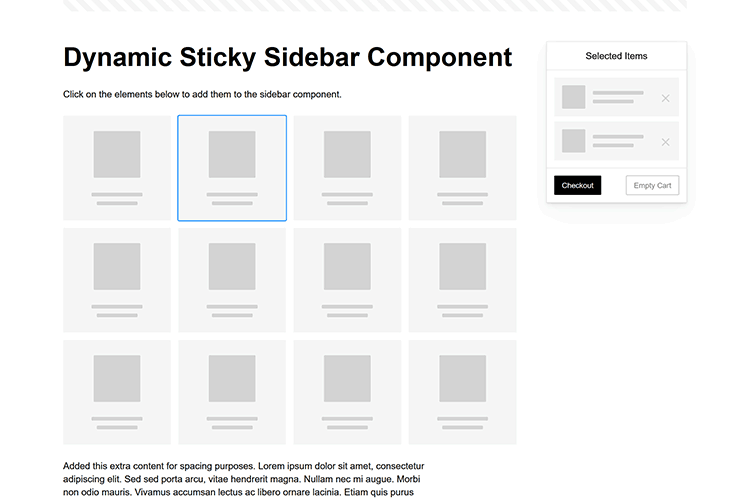
Learn how to use CSS and JavaScript to build sticky headers, navigation bars, and UI elements. Includes working examples and practical tips.

This is the second part of a series that dives deep into the CSS shape() command, continuing with a more detailed look at the arc command.
Short CSS code snippets for all your development needs - Chalarangelo/30-seconds-of-css
Explore the 10 best CSS snippets for web designers in 2025. Boost your projects with these powerful, easy-to-use styling solutions.
An explainer for doing web development using only vanilla techniques.

The CSS shape() function recently gained support in both Chromium and WebKit browsers. It's a way of drawing complex shapes when clipping elements with the clip-path property.

Tips and tricks on utilizing the CSS backdrop-filter property to style user interfaces. You’ll learn how to layer backdrop filters among multiple elements, and integrate them with other CSS graphical effects to create elaborate designs.

Toolbelt worthy, powerful, and meaningful CSS you'll need for 2025.
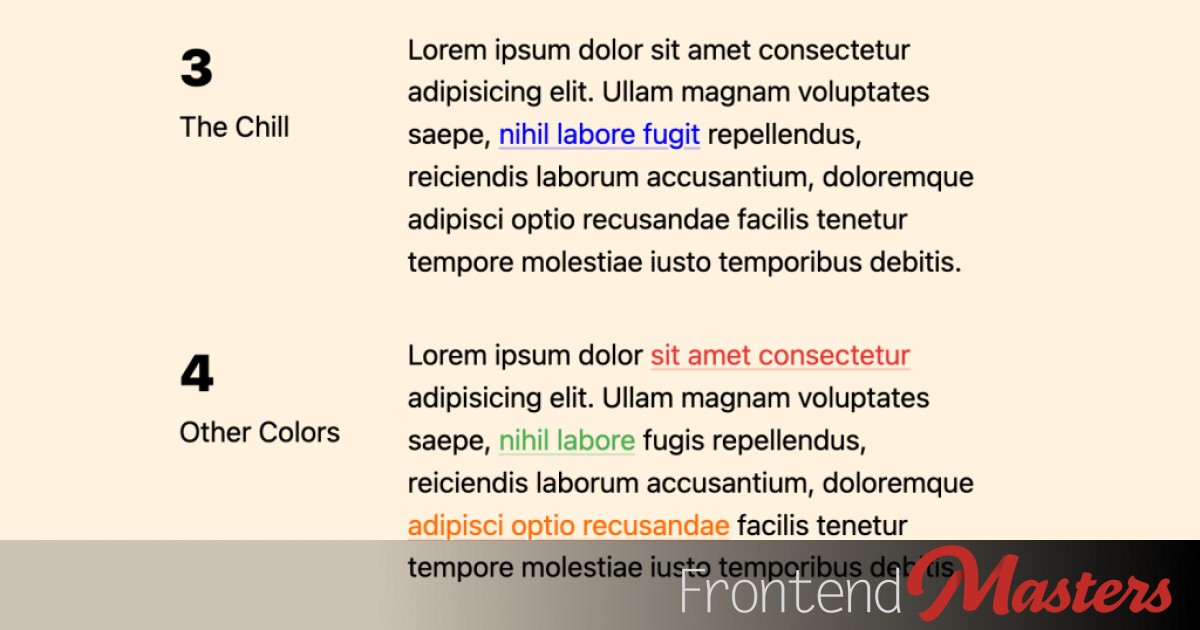
Blue links with underlines is a good default style for links in body text, but it's a bit intense. Maybe we can chill it out a bit and be a bit more flexible.
Glow effects are a design staple, adding style and setting the mood. Here’s a collection of CSS and JavaScript snippets for creating those stunning glow effects.

uchū is the color palette for internet lovers, by NetOperator Wibby.
Cheat sheet to learn Tailwind CSS quickly. Browse and search all Tailwind utility classes or CSS properties on one page.

Let’s spend some time looking at disclosures, the Dialog API, the Popover API, and more. We’ll look at the right time to use each one depending on your needs. Modal or non-modal? JavaScript or pure HTML/CSS? Not sure? Don’t worry, we’ll go into all that.

An approach for creating masonry layouts in vanilla CSS is one of those "holy grail" aspirations. I actually tend to plop masonry and the classic "Holy Grail"

The creator of CSS has said he originally envisaged CSS as the main web technology to control behavior on web pages, with scripting as a fallback when things

The times for CSS have probably never been more exciting than today. In this quick read, we’ve got some useful CSS tips and techniques for you that you can apply to your work right away. Let’s dive deeper into self-modifying CSS variables, hanging punctuation, and more.
Let's see how we can use Tailwind CSS in a Rails application and explore its utility-first approach.
It’s easy to get lost in a sea of CSS frameworks and libraries, each promising easier styling and smoother layouts. Brecht De Ruyte demonstrates four CSS utility classes (plus a bonus) using techniques that allow them to be used practically anywhere you need a particular layout…
A collection of copy and paste CSS and JavaScript code snippets for creating animated reveal effects.

A lot of new CSS features have shipped in the last years, but actual usage is still low. One of the biggest barriers: we need to re-wire our own brains.

Juan Diego Rodriguez explains why media queries still occupy a vital role in responsive layouts; only they are now one tool in a larger toolbox with modern techniques that are best when used together.

Preethi Sam walks through an example that demonstrates where custom properties are more suitable than variables while showcasing the greater freedom and flexibility that custom properties provide for designing complex, refined animations.

In this comprehensive guide, Temani Afif explores different techniques for creating common shapes with the smallest and most flexible code possible.
The best place to keep up to date with the new CSS features. Daily CSS tips and tricks to become a better web developer.