Describe a Lever in Words and a Diagram
Section 2 of Chapter 5: Why the diagram succeeds when a sentence may fail, and how different modalities work in cognition?
Section 2 of Chapter 5: Why the diagram succeeds when a sentence may fail, and how different modalities work in cognition?

A structural breakdown of the seven cognitive patterns that quietly run your money, ambition, and execution. Seven lenses. One connected sequence.

10 lesser-known principles that explain more about life than most books do
Hanlon’s razor
Price’s law

Merry Christmas! Today I turn an earlier LW shortform into a full post and discuss "unknown knowns" "obvious" ideas that are actually hard to discuss…

Joshua Rothman writes about common knowledge and the book “When Everyone Knows That Everyone Knows . . .,” by Steven Pinker.
Where to begin? Brown bagging is one of those social practices that continues to feel senseless even after it’s been explained.
Common knowledge, he explains, isn’t just what we know but what we know is known. It’s different from “mutual knowledge,” which is held by multiple people but not openly.

Master the art of decision-making with insights from control engineering. Learn how mental models can guide you through uncertainty.
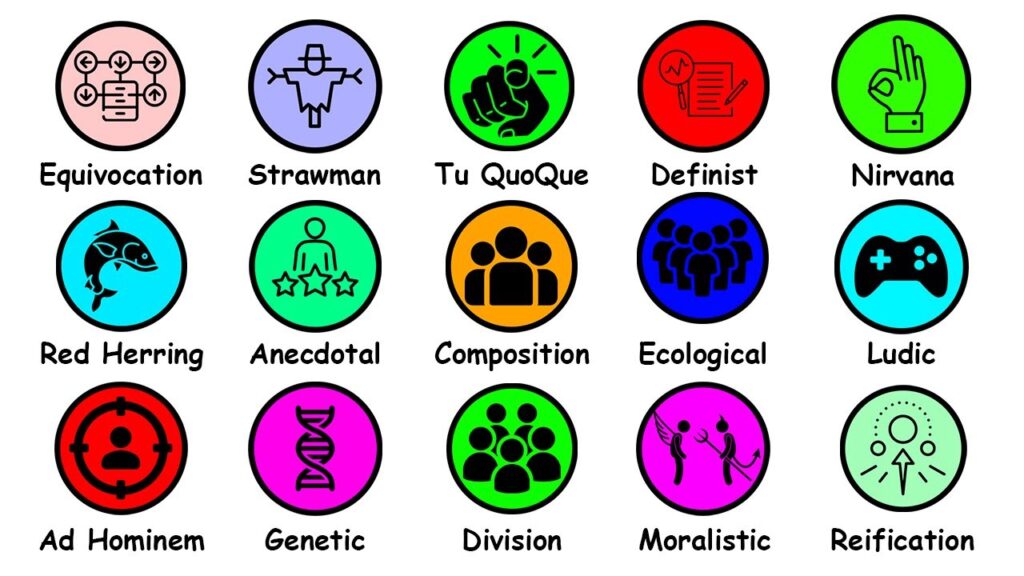
Fallacies—notes Purdue's Writing Lab—'are common errors in reasoning that will undermine the logic of your argument. Fallacies can be either illegitimate arguments or irrelevant points, and are often identified because they lack evidence that supports their claim.

What users believe they know about a user interface impacts how they use it. Mismatched mental models are common, especially with designs that try something new.

Homer: Not a bear in sight. The Bear Patrol must be working like a charm. Lisa: That’s specious reasoning, Dad. Homer: Thank you, dear. Lisa: By your logic I could claim that this rock keeps tigers away. Homer: Oh, how does it work? Lisa: It doesn’t work. Homer: Uh-huh. Lisa…

Business models based on the compiled list at http://news.ycombinator.com/item?id=4924647. I find the link very hard to browse, so I made a simple version in Markdown instead. · GitHub
Collection of thinking tools and frameworks to help you solve problems, make decisions and understand systems.

Distinctive meanings for a word like “risk” can have a big impact on public messaging, especially when it comes to issues like climate change

Here’s some good news: You can train your brain to think faster and work smarter.

When should you hold 'em and when should you fold 'em? Use this set of decision-making tools to help you identify when it’s time to move on and find the courage to do so.
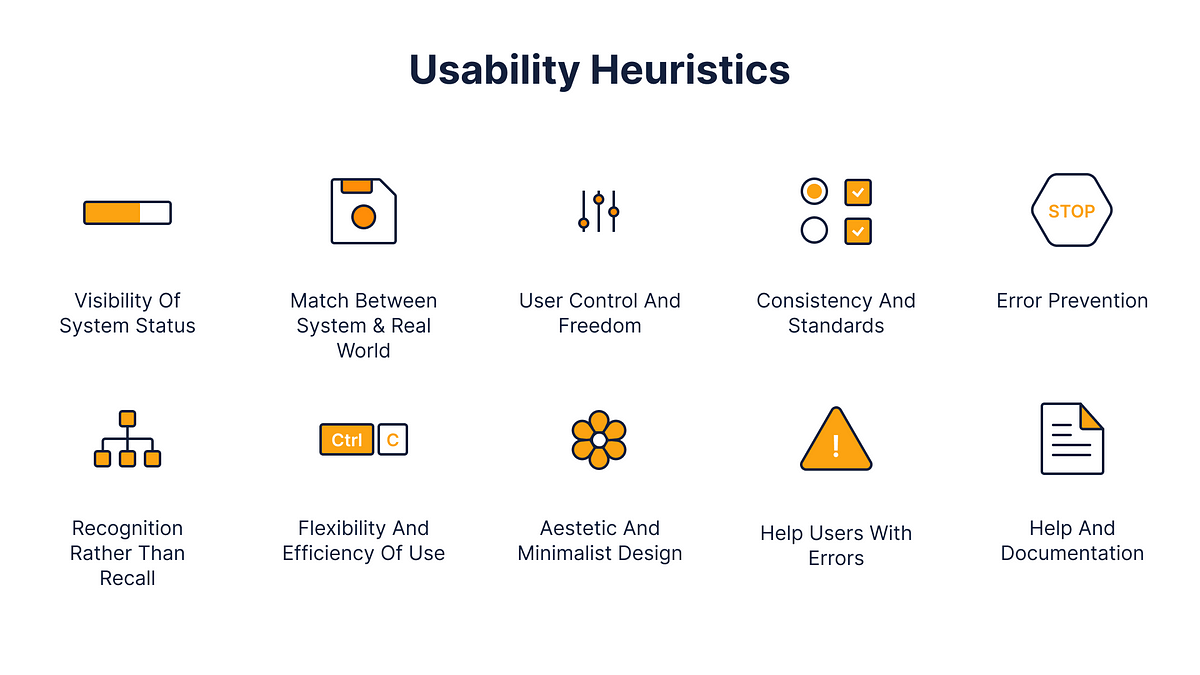
Rules of thumb for producing learnable designs
“” is published by Gabriel Weinberg.
Here’s some good news: You can train your brain to think faster and work smarter.
These are some mental models I find useful. They’re rooted in decades of experience of thousands of experts – a modern equivalent of folk wisdom. Mental models are useful to quickly and correctly reason about seemingly intractable problems. They require quite a bit of intuition…

Inversion is a powerful mental model to improve your thinking because it helps you identify and remove obstacles to success. Most of us tend to think one way about a problem: forward. Inversion allows us to flip the problem around and think backward.

Understand the world and make better decisions using concepts from psychology, philosophy, economics and other disciplines, delivered straight to your inbox every Sunday.
The smartest people in the world use mental models to make intelligent decisions, avoid stupidity, and increase productivity. Let's take a look at how ...

“Deliver to the world what you would buy if you were on the other end."
Essentials Guide to Japanese: The Mental Model by Japanese Complete. Master Japanese, get started for free.
This is my bag of tricks — loose notes, design patterns, rules-of-thumb, tools, cheatsheets, gimmicks, leverage points, descriptions of systems, key questions, risks, and unknowns.

When you're faced with uncertainty, the best thing you can do is analyse your inputs, synthesise a new model, and then destroy it to start over again.

Curious about product design at Dropbox? Here’s a look at tools we use for solving problems, making decisions, and communicating ideas.

Leverage mental models to think better. First Principles Thinking is an excellent model for critical thinking. This post looks at how to practice First Principles Thinking with lots of examples.

Organizations are awash in data — from geocoded transactional data to real-time website traffic to semantic quantifications of corporate annual reports. All these data and data sources only add value if put to use. And that typically means that the data is incorporated into a…
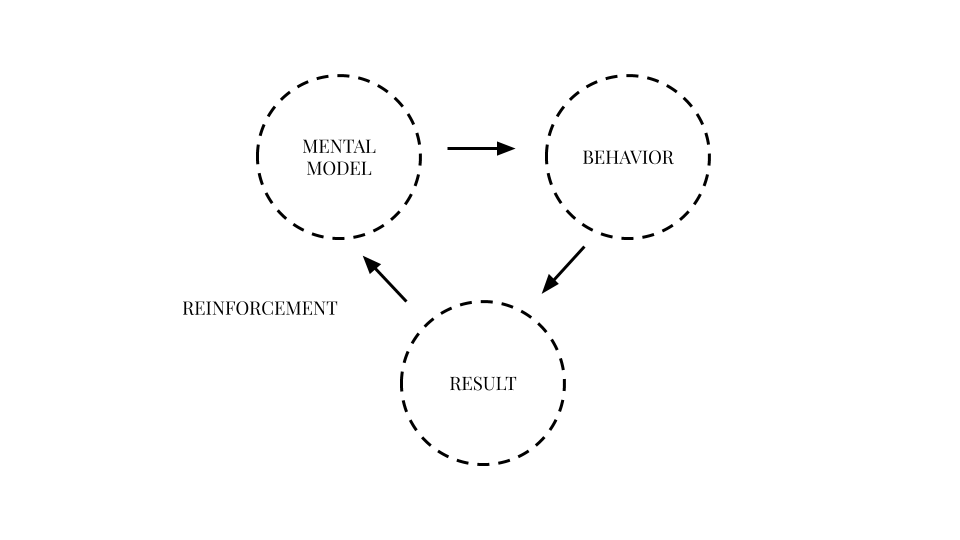
Mental models affect how we see problems and people. Depending on how you use them, mental models can be incredibly constructive or destructive.

2019 UPDATE: Since this post came out, I co-authored a book about it called Super Thinking: The Big Book of Mental Models.

Every one of us make dozens, if not hundreds of small to big decisions on a daily basis. Some don’t impact our lives at all, while some can change the outcome of our entire lives. Whether it’s trying to figure out which job you should take,
Here’s some good news: You can train your brain to think faster and work smarter.