The Evolutionary Raw Deal of the Human Knee - Nautilus

Why don’t great apes have knee problems?
Why don’t great apes have knee problems?
Historians like to blame drought, famine and invaders. But this can’t explain why the empires never came back.
When you talk about Papua New Guinea, people may say, oh, is that the place where:

Missing from the archaeological record, fiber innovations like string played a huge role in the daily lives of our ancestors. Researchers are working to weave together new insights from the traces they left behind.
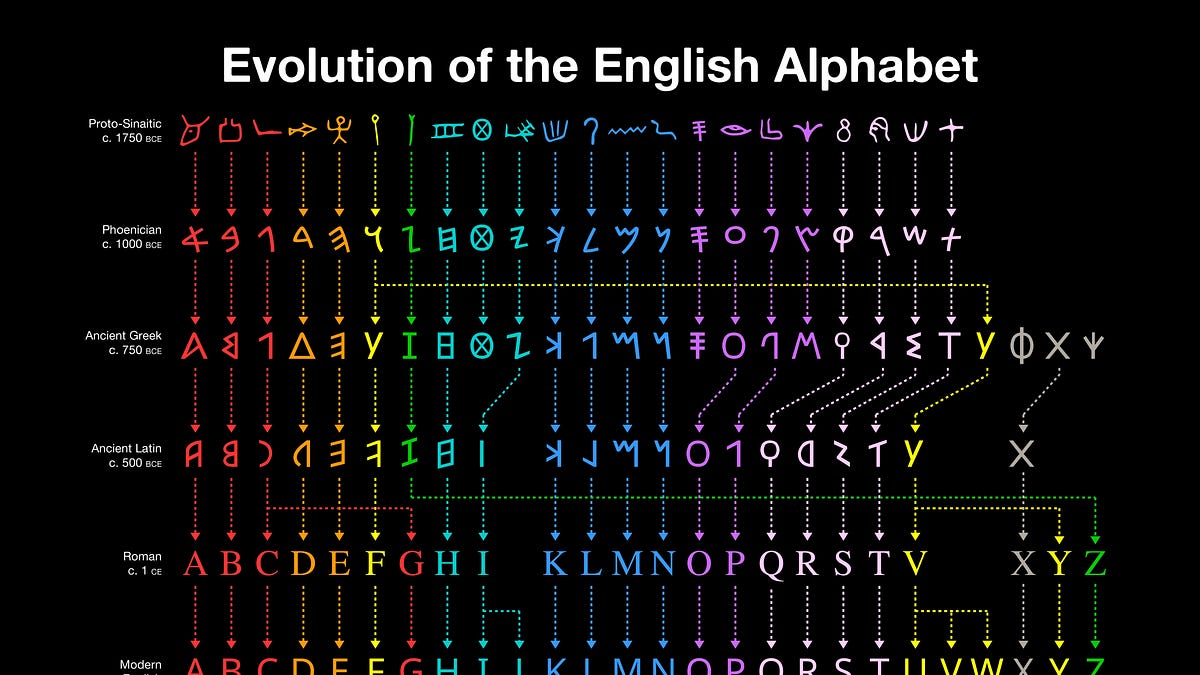
Writing was invented three different times in world history—in Mesopotamia, China, and Mesoamerica. But not all writing systems derive from those three original scripts. How can this be?

During the Covid-19 pandemic, wastewater testing became a virus warning system. Now, scientists are using the approach to understand how communities eat.
An experiment in language change
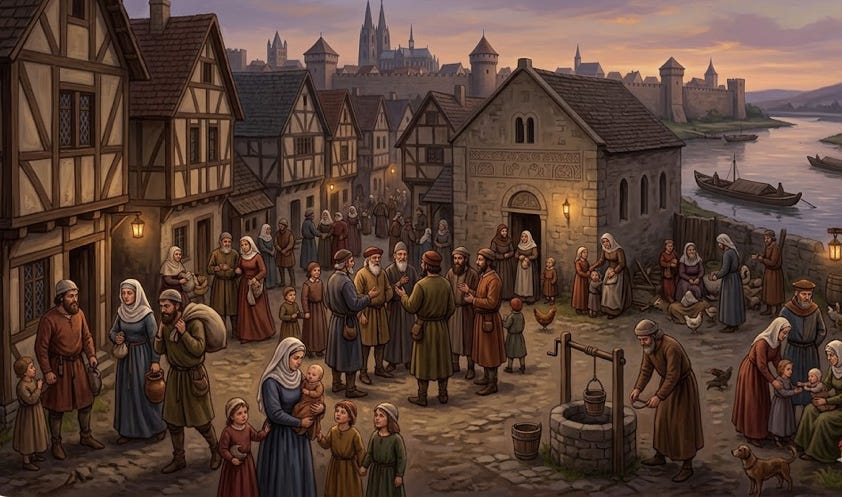
The genetic founder event that shaped a civilisation

Benches are microcosms of an expansive debate about who belongs in urban public spaces. When they are removed or made uninviting, we lose more than just a place to rest.
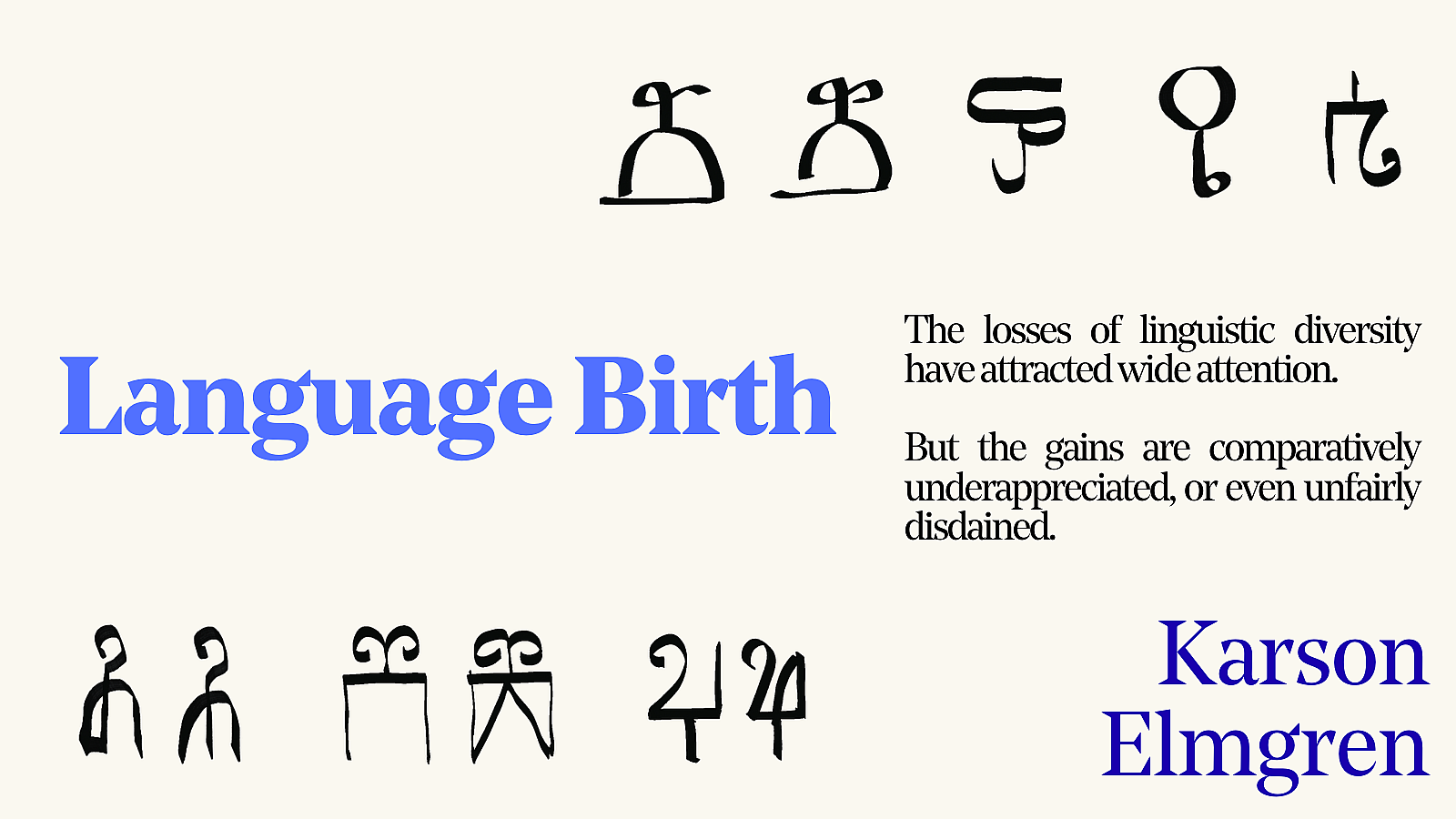
Since 1960, the world has lost hundreds of languages — and gained thousands.
Toki Pona has only 120 words. None of them change form, in any way, in any context. The grammar is nearly the bare minimum — specified word order, and a few particles to denote a predicate, a direct object, subordination, negation. Interpreting any utterance takes a lot of context clues, or a lot…
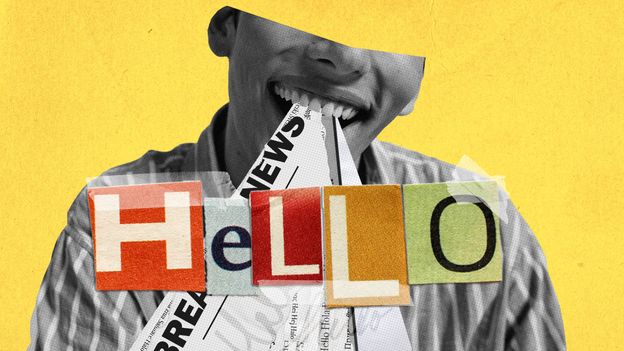
It's 200 years since the word "hello" was first used in print - though its roots date back to the 15th Century. How has the language of greetings evolved - and what does it tell us?
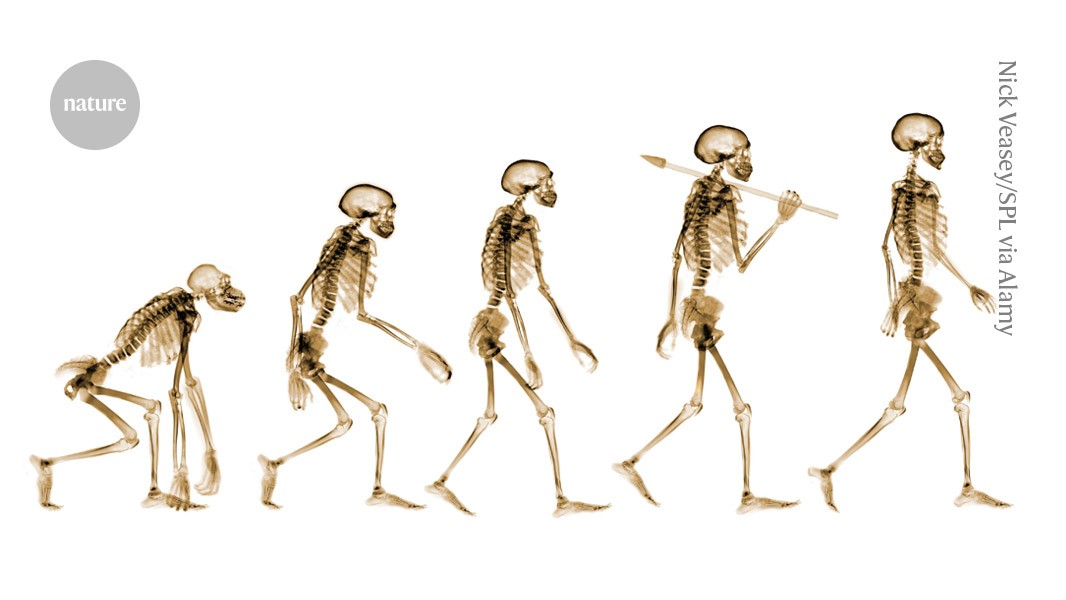
Genetic and anatomical data reveal how the human pelvis acquired its unique shape, enabling our ancestors to walk on two legs.
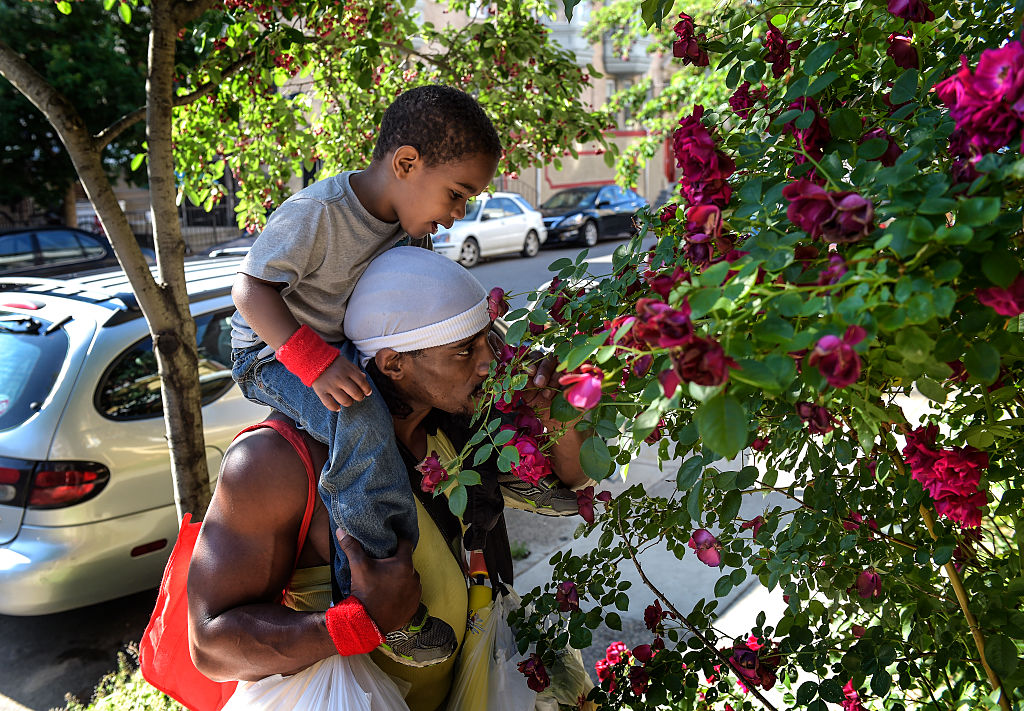
Millions of people have lost their sense of smell to COVID-19. Anthropologists are investigating the significance of this underrated sense.

The long read: For decades, anthropologists have been telling us that it’s often the informal, unplanned interactions and rituals that matter most in any work environment. So how much are we missing by giving them up?

When Spanish meets English, new dialects emerge – giving us real-time insight into language evolution, linguists say.