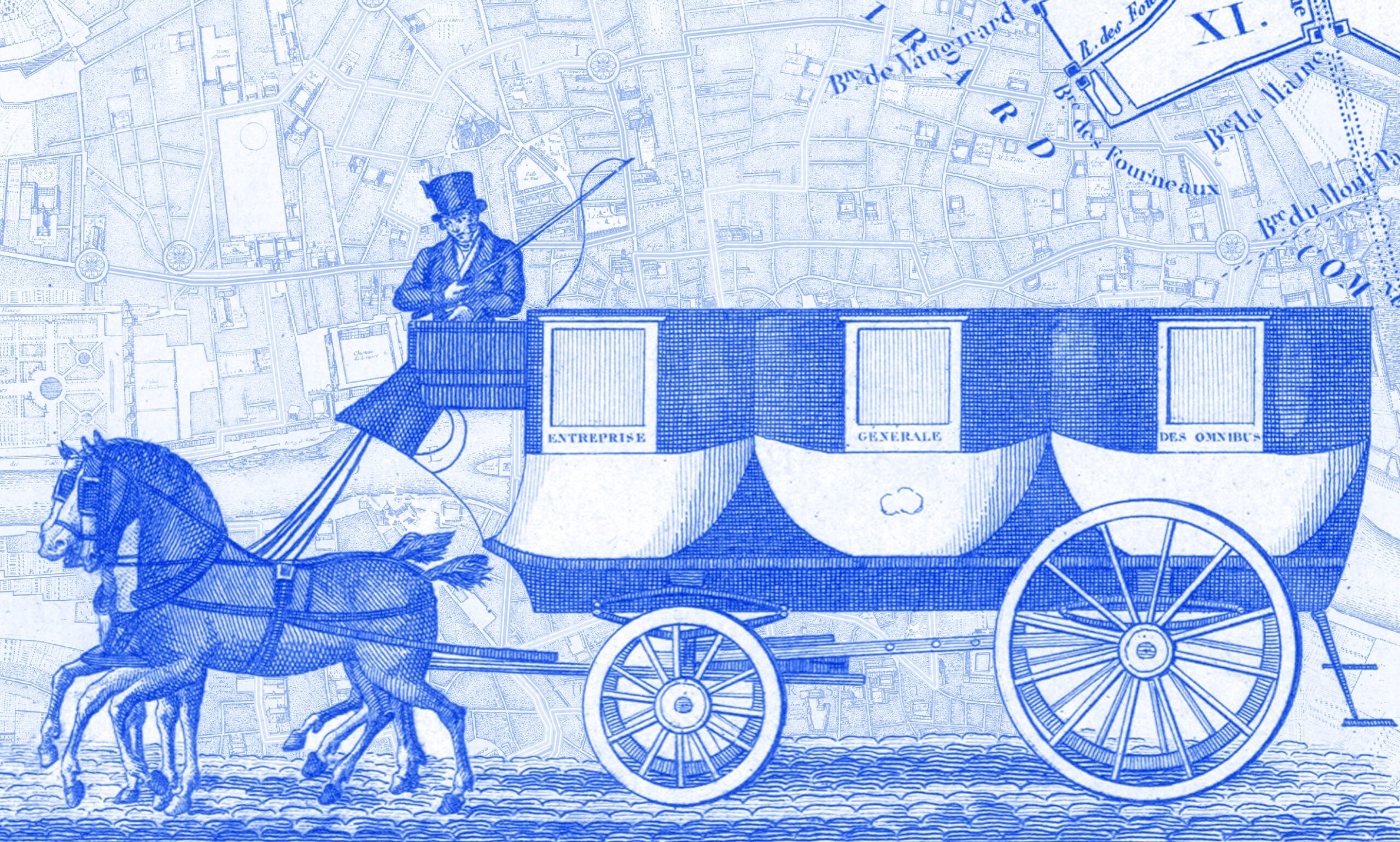
The Horse Costume Problem
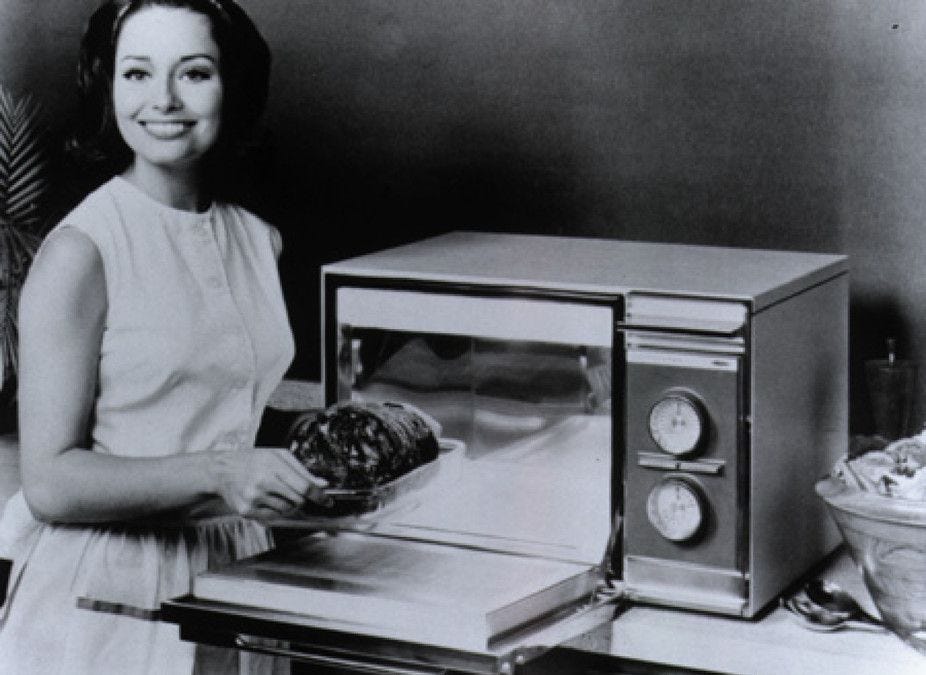
How the future is accidentally invented
How the future is accidentally invented
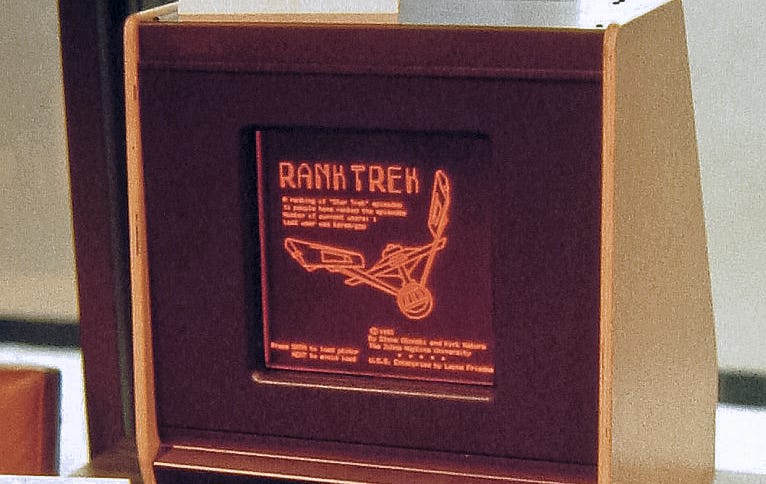
In 1960, a team at the University of Illinois released the first version of their PLATO “computerized instruction system,” a network of what would eventually be thousands of computer terminals connected to large mainframe computers.
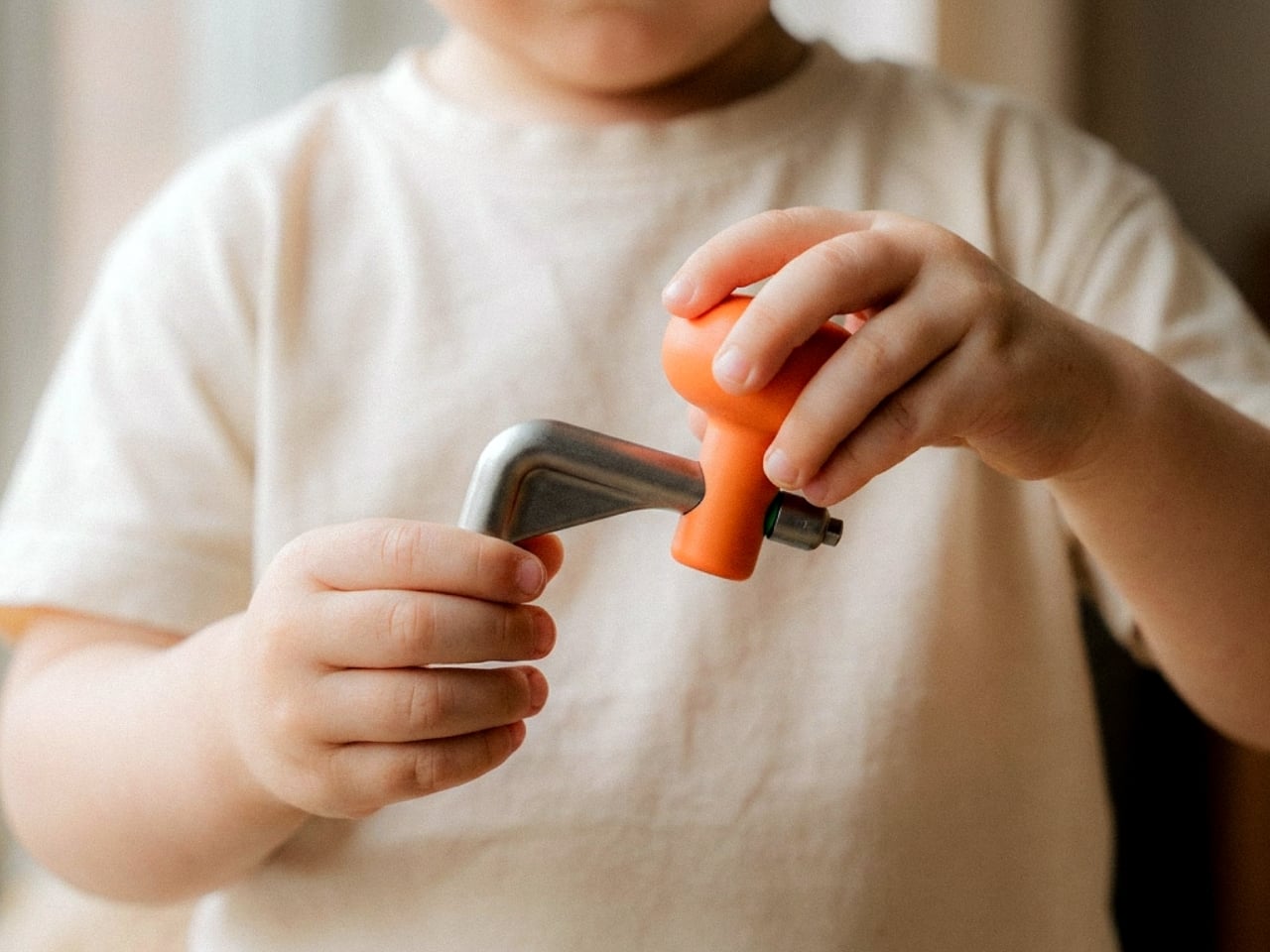
Some of the most personal furniture purchases come with the least personal tool. You bring home a crib, spread the pieces across the floor, and end up pressing a skinny metal Allen key into your fingertips while trying to line up the next bolt. It slips. Your hand cramps. The…
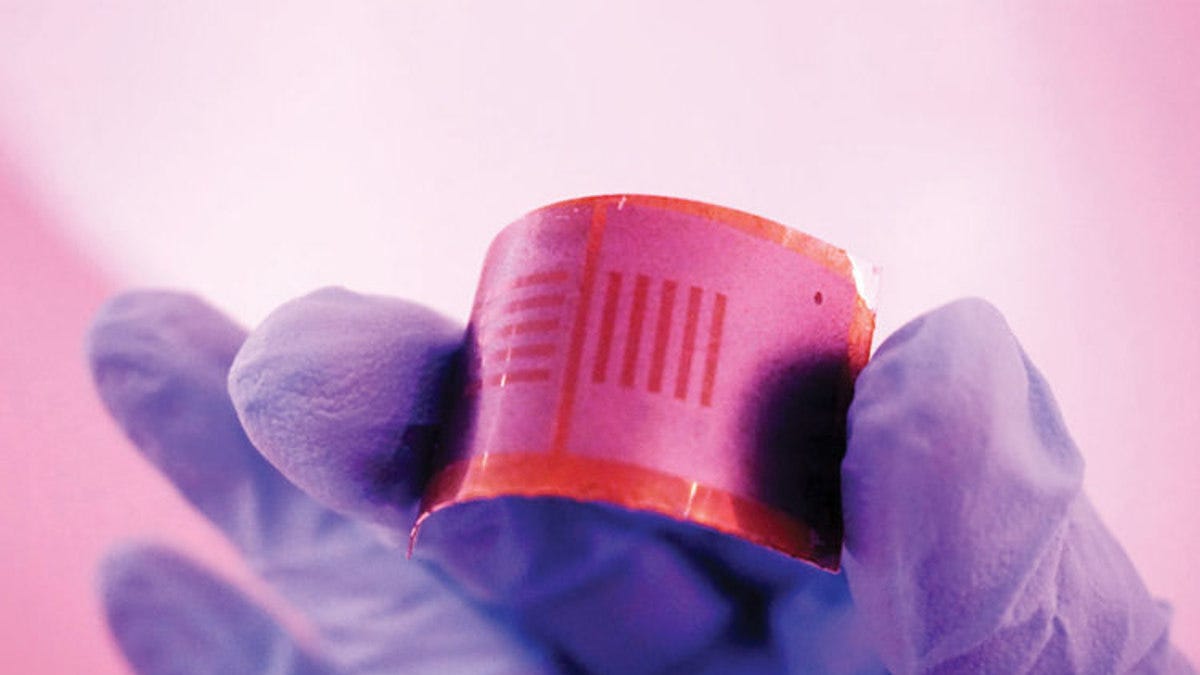
Making the miracle from Manchester

Missing from the archaeological record, fiber innovations like string played a huge role in the daily lives of our ancestors. Researchers are working to weave together new insights from the traces they left behind.
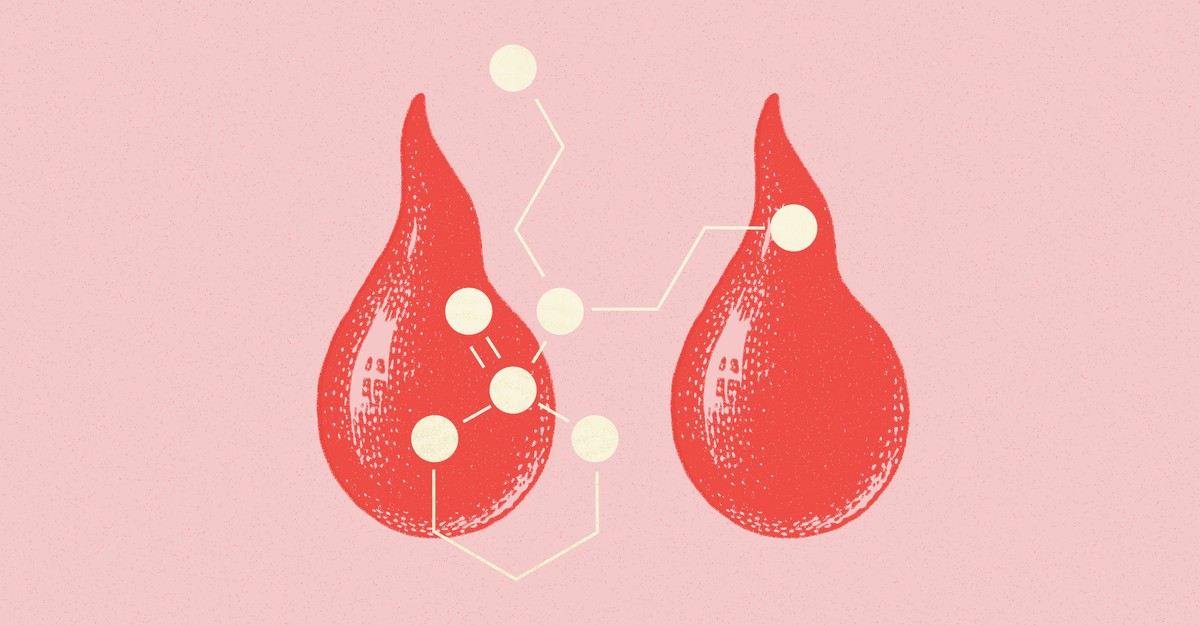
Finding a matched donor has always been the major challenge. A drug has solved that problem.
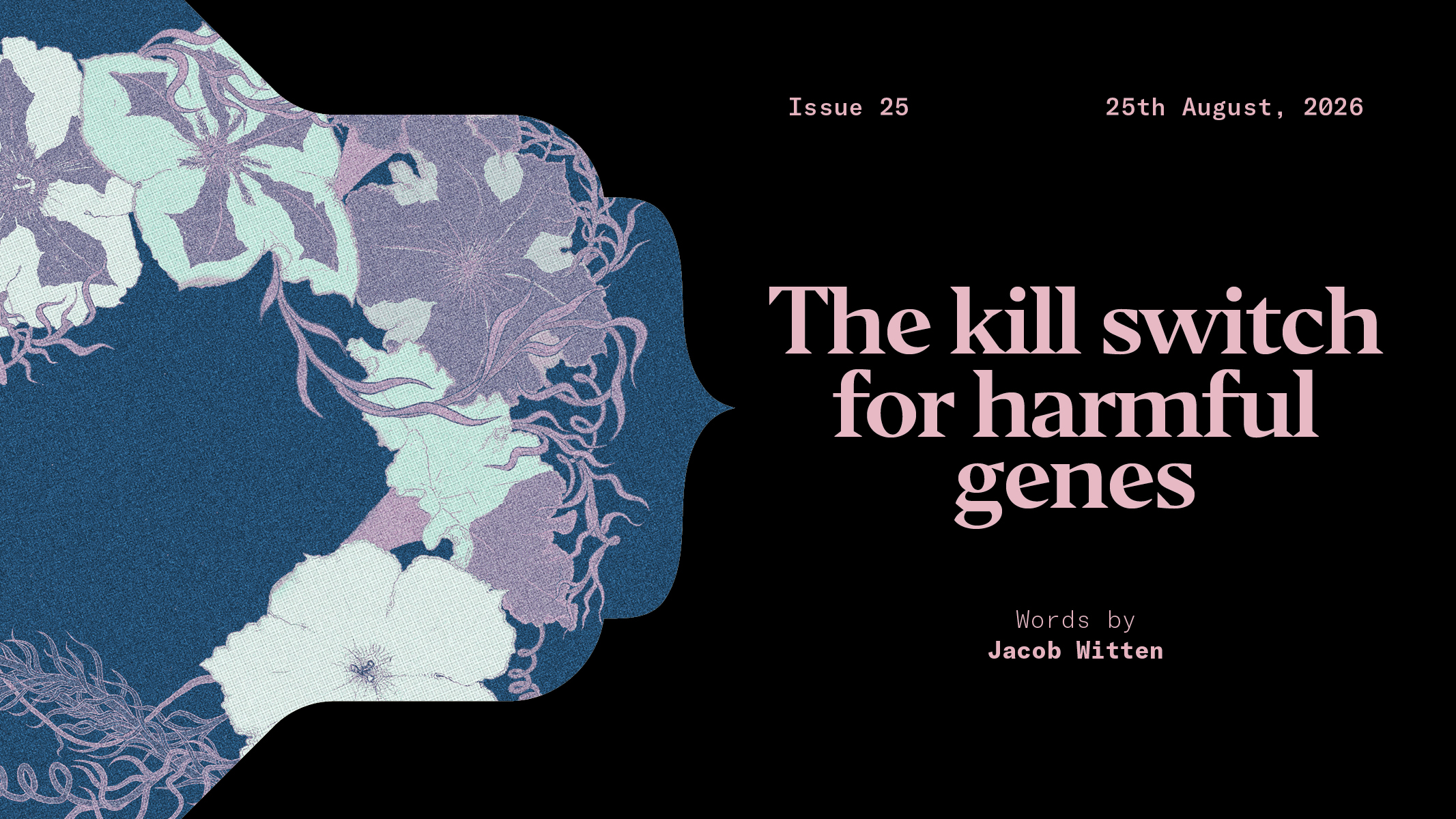
What if instead of editing a gene, or blocking the protein it produces, you could simply switch it off?

There is a hidden track baked into almost every blockbuster, a frozen eight-dollar toll, and a company the market still calls a shaky-chair vendor.

Few people know how much medicine has progressed in their lifetimes. Fewer know how much faster it could be progressing.
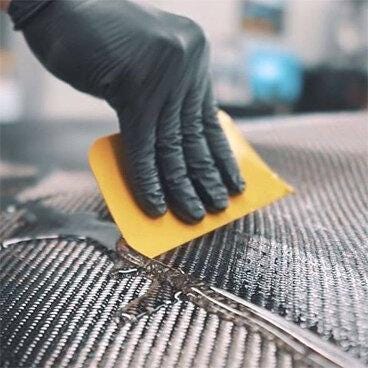
Just weave and add resin!
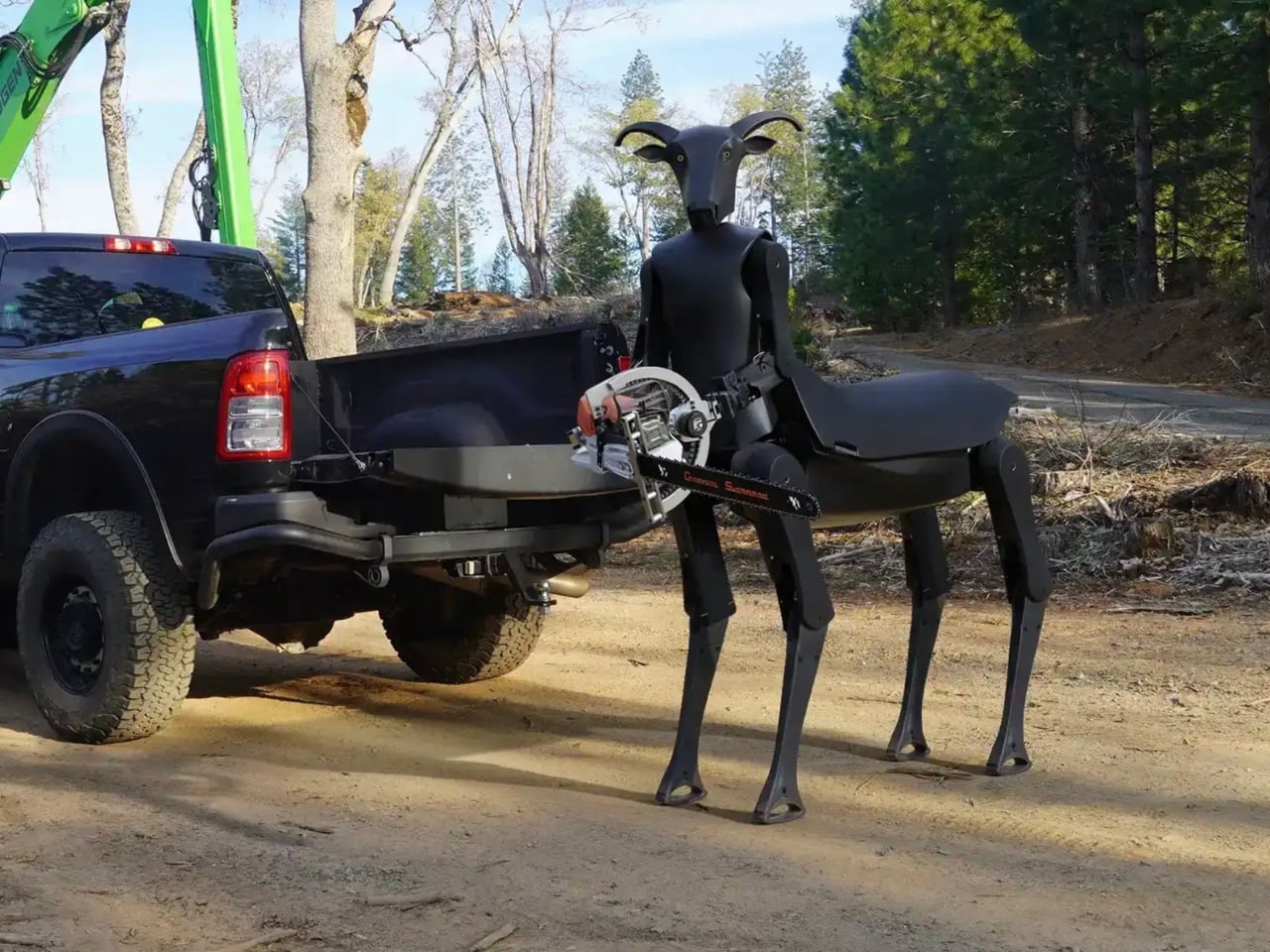
The first time I saw Threehalves, I did a double take. Seven feet tall, four-legged, with a horned goat head and glowing eyes, it looks less like a piece of modern engineering and more like something conjured from ancient mythology. It's the kind of design that makes you laugh…
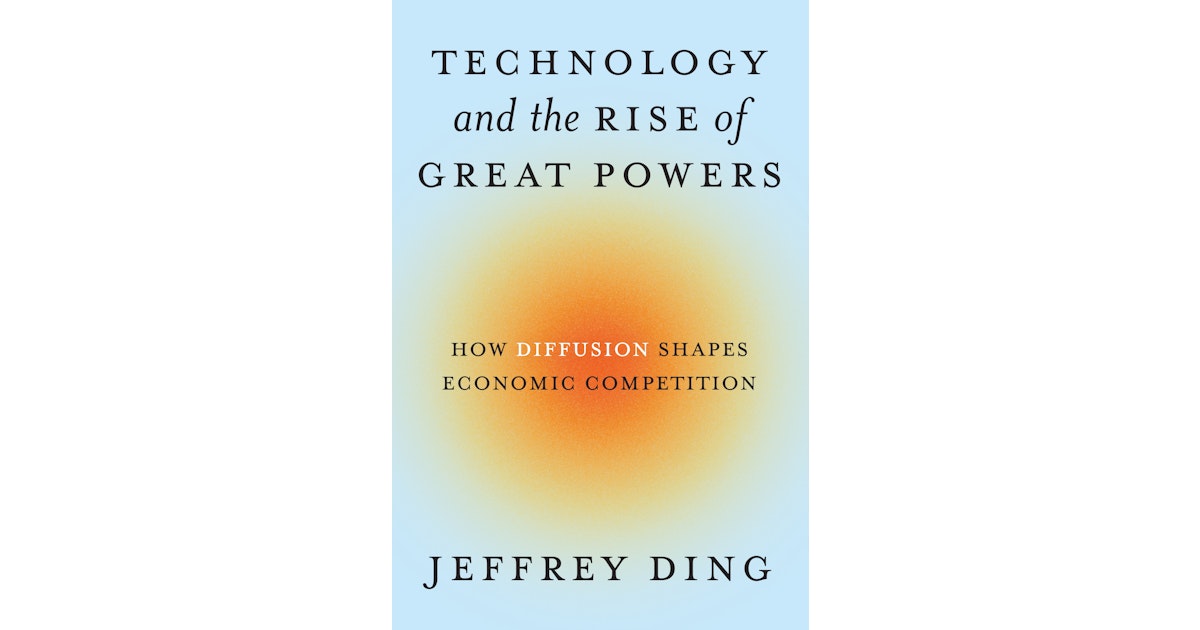
A novel theory of how technological revolutions affect the rise and fall of great powers

William Finnegan writes about the best surfer in history, who made a machine that creates perfect conditions on demand. Will his invention democratize surfing or despoil it?
The bicycle, as we know it today, was not invented until the late 1800s. Here are some theories about why


What started as the Mars Colonial Transporter risks becoming a humble space truck
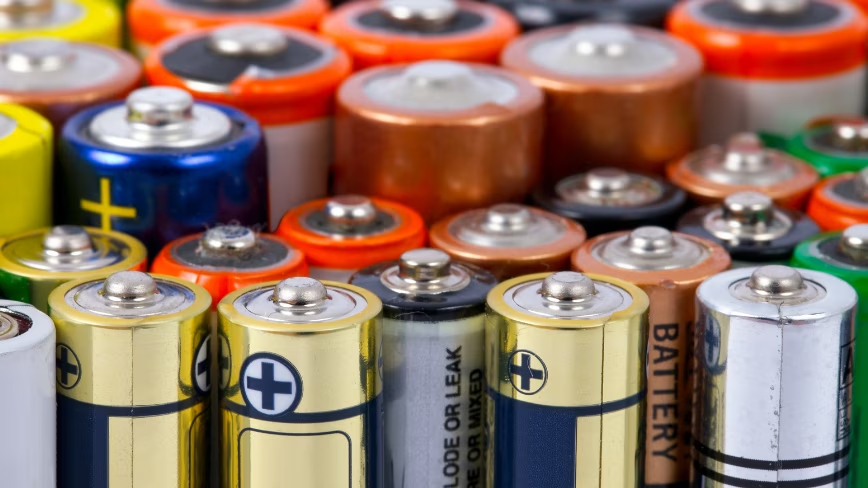
Lu Yaxiang, a professor at the Chinese Academy of Sciences’ Institute of Physics, has spent a decade making sodium-ion batteries commercially viable. In April, he received China’s Youth May Fourth Medal, the country’s top honour for outstanding achievers under 35, for developing…
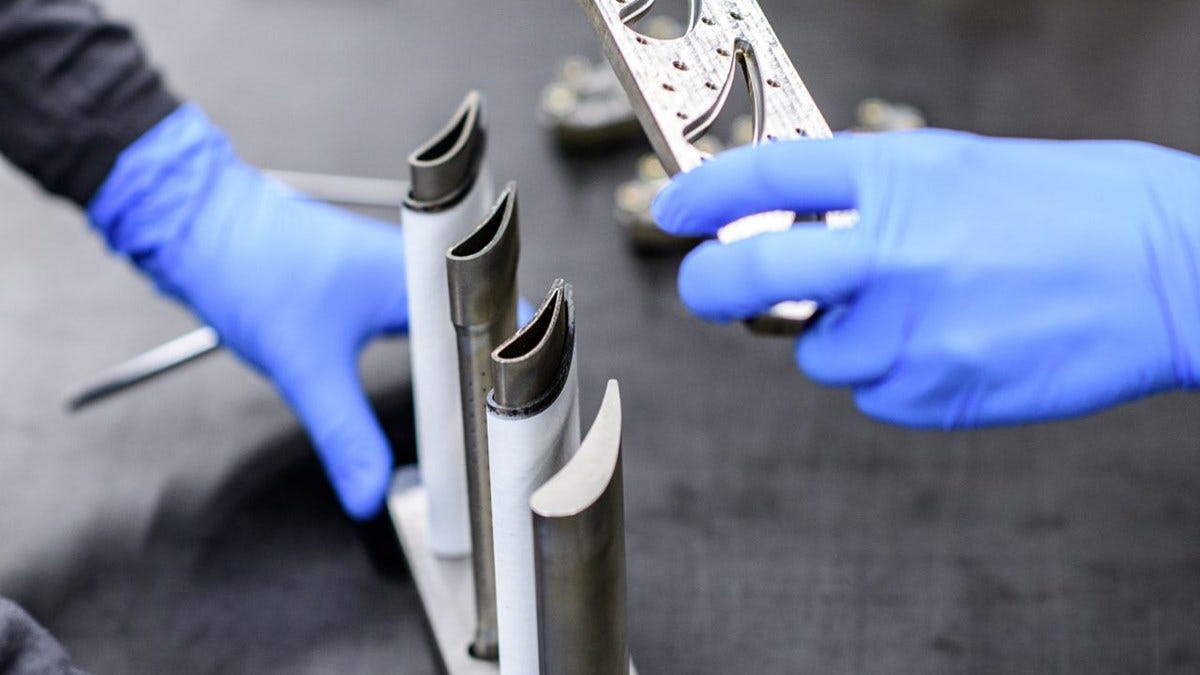
Weaving with stone: The super-ceramic revolution

Multiple myeloma is brutal. We may finally have a cure, but American regulatory inertia means that it was discovered abroad.
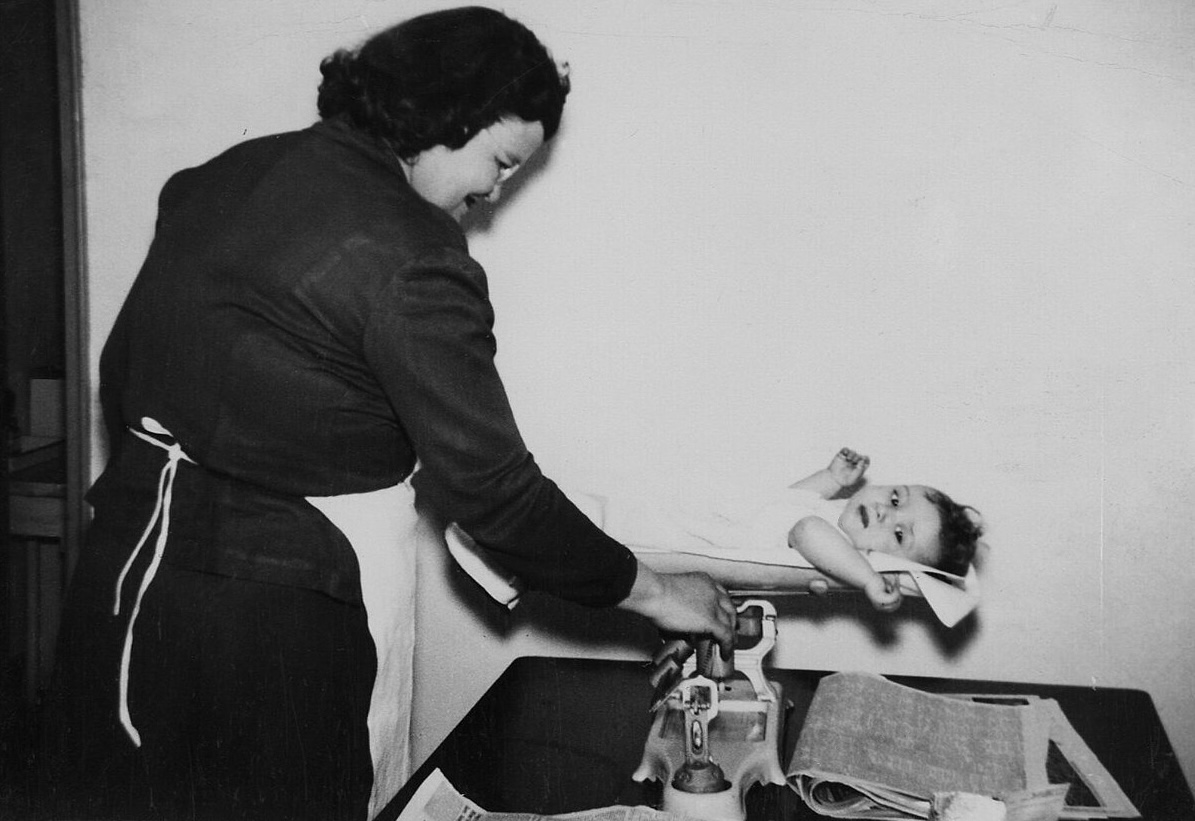
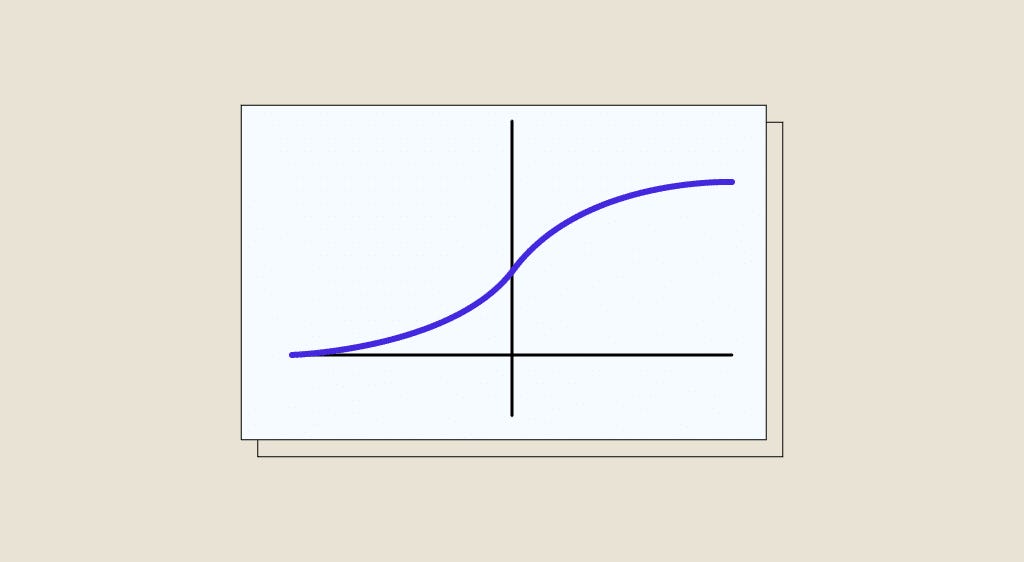
...
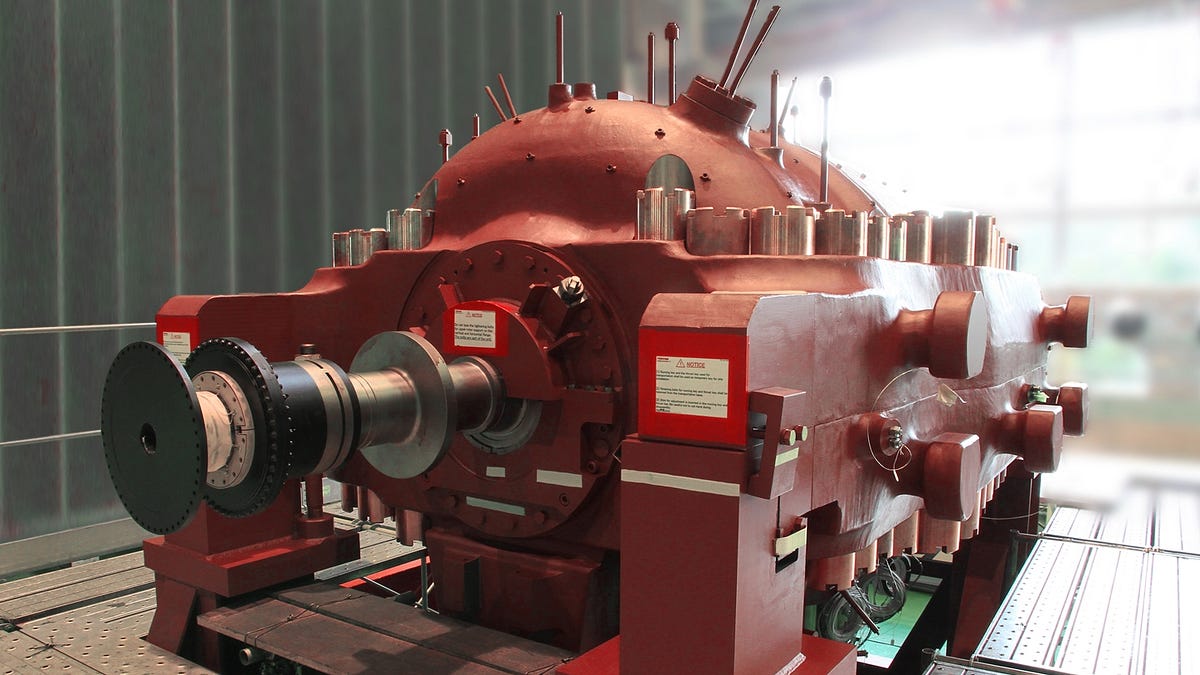
Why the 'world changing fluid' keeps ~almost~ working
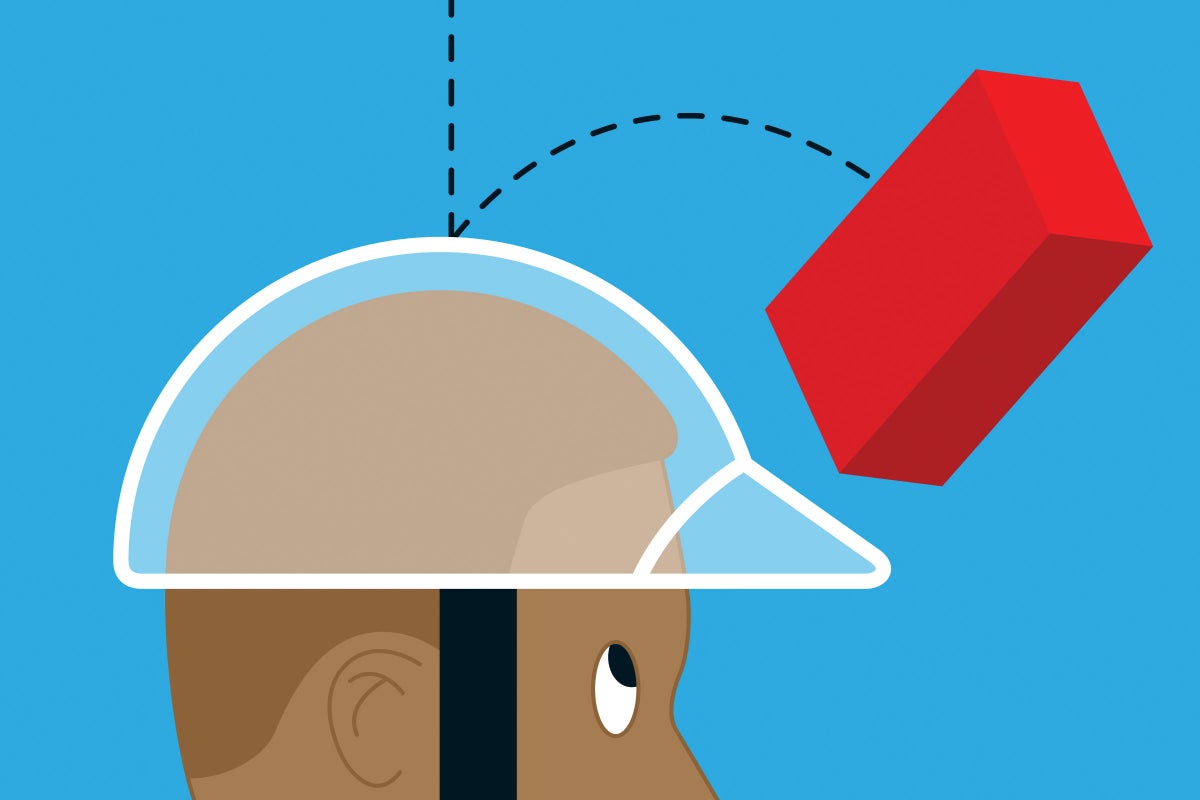
Scientists thought glassy substances had to be either moldable or impact-resistant—but compleximers are both

CAR-T cell therapy, originally developed for cancer, is showing ever more promise as a treatment for autoimmune diseases.

We can’t let the most important medical achievement of a decade slip through our fingers.

Powertrain chief Jon Wagner explains why integration beats invention

Physics-based digital models of human organs can predict clinical outcomes and provide better guidance for lifesaving procedures.
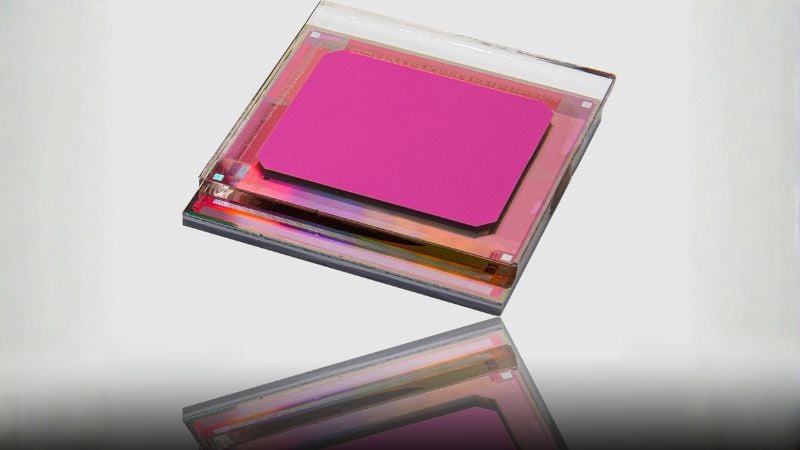
The startup's programmable chip uses a metasurface architecture to control light without moving parts.

The method works by warming the air around the coffee rather than the coffee itself.
Morgenthaler’s process involved passing hot water through multiple columns of ground coffee to create a coffee extract, which was then spray dried.

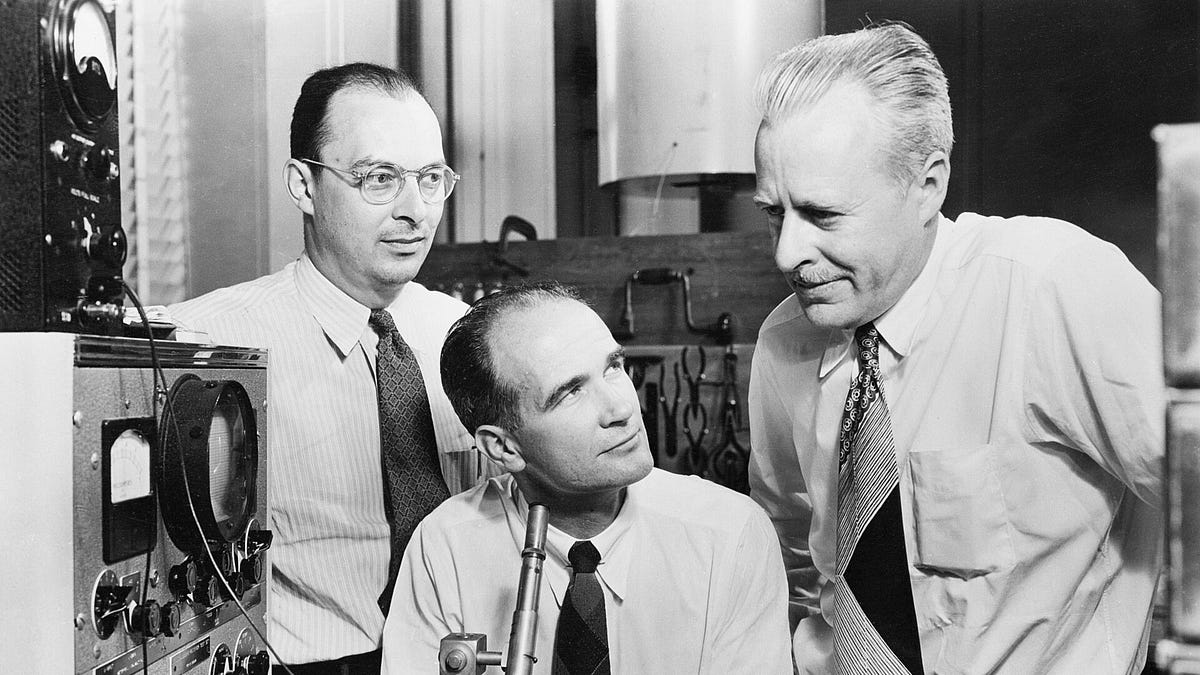
As we’ve noted more than a few times before, for most of the 20th century AT&T’s Bell Labs was the premier industrial research lab in the US.
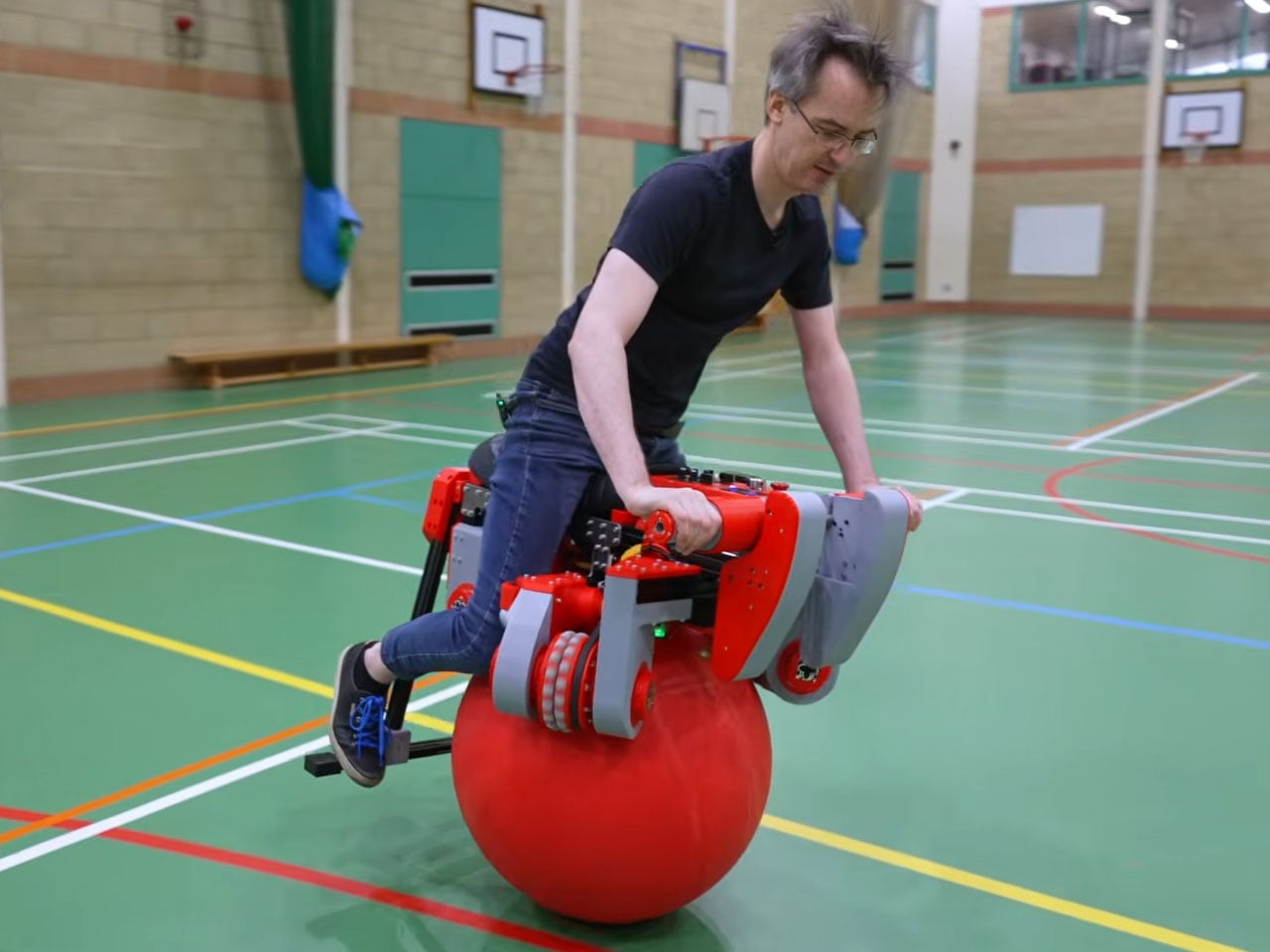
https://www.youtube.com/watch?v=tXzH9BSd5IU James Bruton’s latest creation stands out even among his many engineering oddities and builds on the kind of inventive spirit that we saw in his earlier two-ball omnidirectional bike. The British engineer turned full-time YouTuber has…
What happens in a world where AIs make scientific discoveries that humans cannot understand?
My concern is not whether we can “see” inside these new models, but whether we will even understand — or be able to control — what comes out of them.
Scientific discoveries must eventually intersect with material reality to have any utility. They must be instantiated as therapies, materials, and public policies
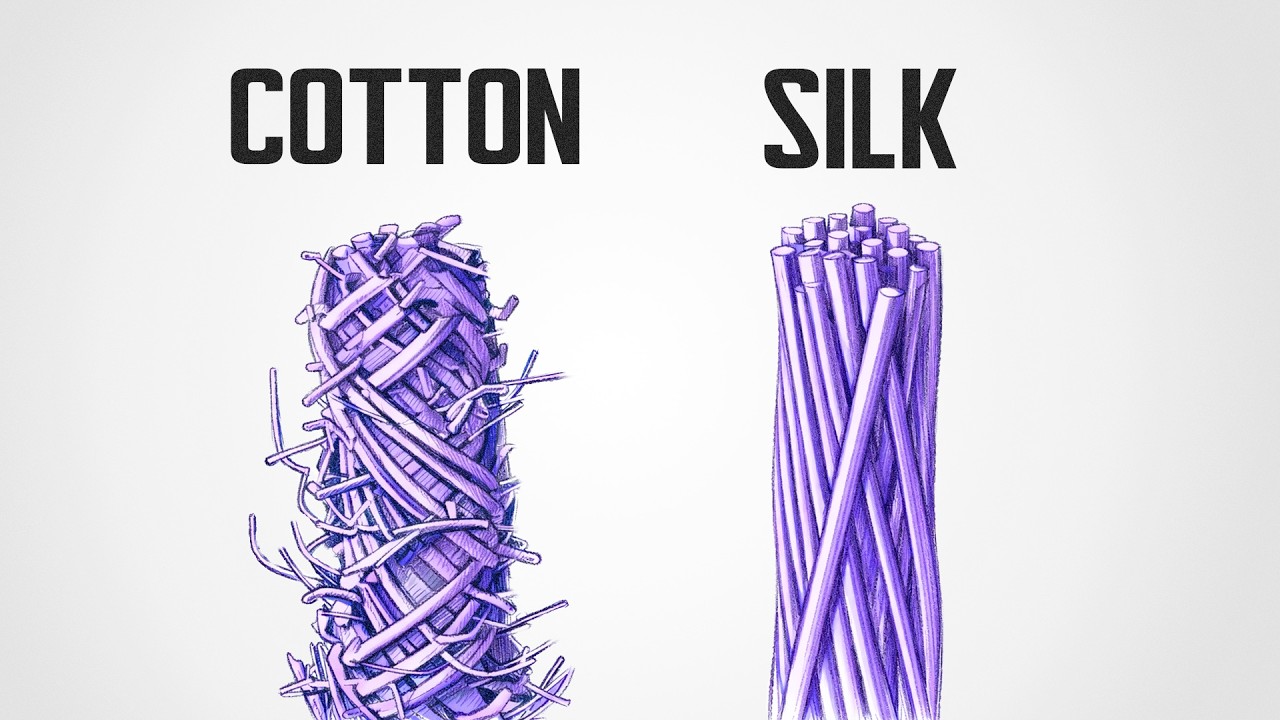
Thanks to Storyblocks for sponsoring this video! Download unlimited stock media at one set price with Storyblocks: https://storyblocks.com/PrimalSpaceDid you...

How gypsum changed construction

Blade Runner (1982) is a magnificent film, but there’s something odd about it. The heroine, Rachael, seems to be a beautiful young woman. In reality, she’s a piece of technology — an organic robot …
The toilet-paper principle suggests that we should be paying as much attention to the cheapest technologies as to the most sophisticated.
barcode

This year, gene-editing technology was customized to fix mutations in a single patient’s genes for the first time.

In the city of Everett, inside a vault built with thick concrete blocks is Polaris, a machine that could change the world.

Marcin Jakubowski is compiling a DIY set of society’s essential machines and making it open-source.
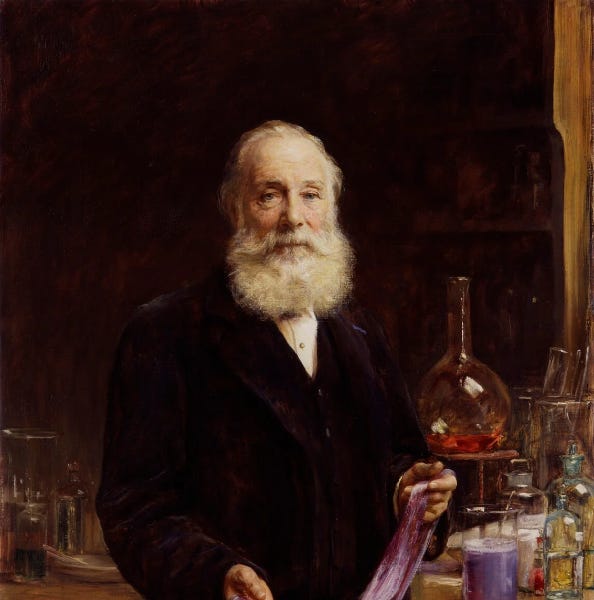
One of the most important inventions of the 19th century was mauve dye, the first synthetic aniline dye.
it’s clear what laid at the heart of Apple’s engineering success: design re-use. Practically every part of the system was already de-risked.

We disinfect water before we drink it. Why don’t we disinfect the air before we breathe it?