MomBoard: E-ink display for a parent with amnesia
Today marks two years since I first set up an e-ink display in my mom’s apartment to help her live on her own with amnesia.
Today marks two years since I first set up an e-ink display in my mom’s apartment to help her live on her own with amnesia.
Two key features created the human mind

Treating anxiety, depression and other disorders may depend on the amygdala, a part of the brain that controls strong emotional reactions, especially fear. But a deep understanding of this structure has been lacking. Now scientists at the University of California, Davis have…
Brain studies show that language is not essential for the cognitive processes that underlie thought
Zero, which was invented late in history, is special among numbers. New studies are uncovering how the brain creates something out of nothing.
A mysterious neurological condition makes faces look grotesque—and sheds new light on the inner workings of the brain.

Early in life, the protein Reelin helps assemble the brain. Later on, it appears to protect the organ from Alzheimer’s and other threats to memory and thinking.
Different approaches can support varied forms of memory
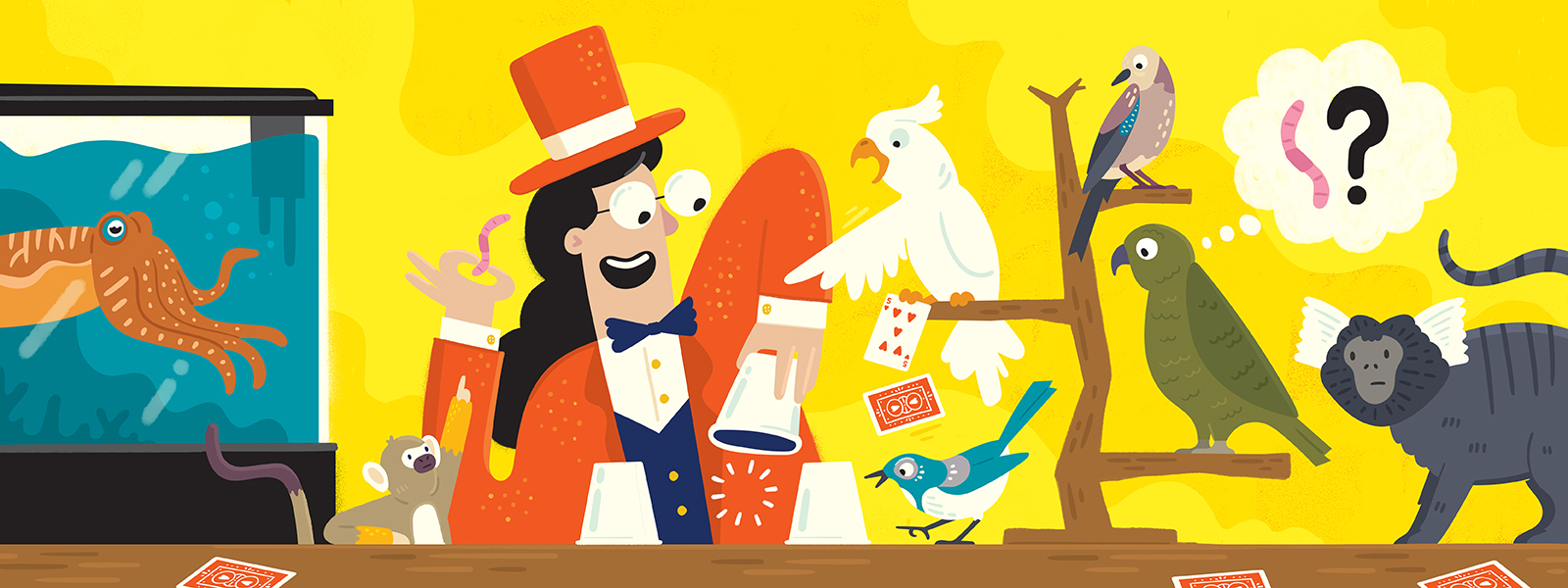
By performing tricks for birds, monkeys and other creatures, researchers hope to learn how they perceive and think about their world
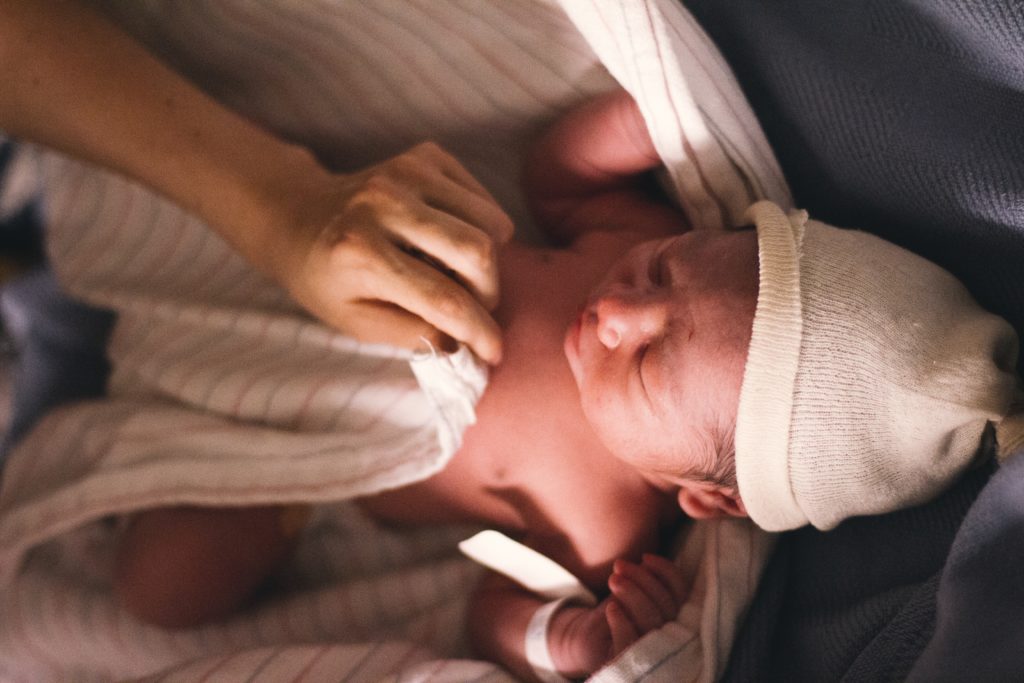
Stanford medical student Yoo Jung Kim writes about smells in the hospital and how they can trigger fond memories and provide motivation.

New experiments reveal how the brain chooses which memories to save and add credence to advice about the importance of rest.

Researchers are using AI and technological advancements to create companion robots

A famous case study helped spark a myth about a man who could not forget. But the truth is more complicated.
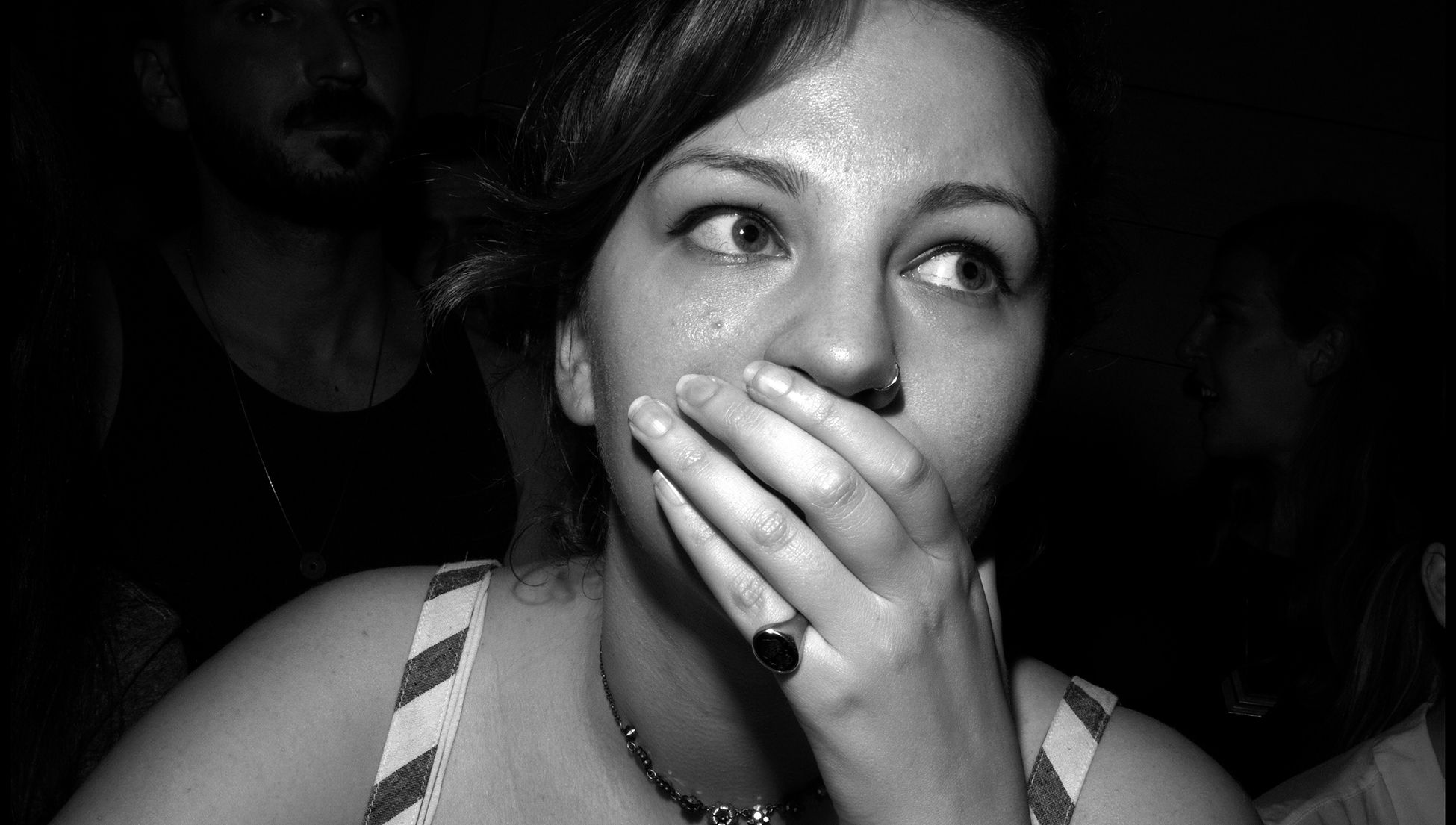
The pleasant feeling of knowing, the frustration of forgetting, and other ‘metacognitive feelings’ serve as unsung guides

Researchers are discovering how music affects the brain, helping us to make sense of its real emotional and social power.

An anonymous reader quotes a report from Interesting Engineering: Imagine exploring the intricate world within a single cubic millimeter of human brain tissue. It might seem insignificant, but within that tiny space lies a universe of complexity -- 57,000 individual cells, 230…
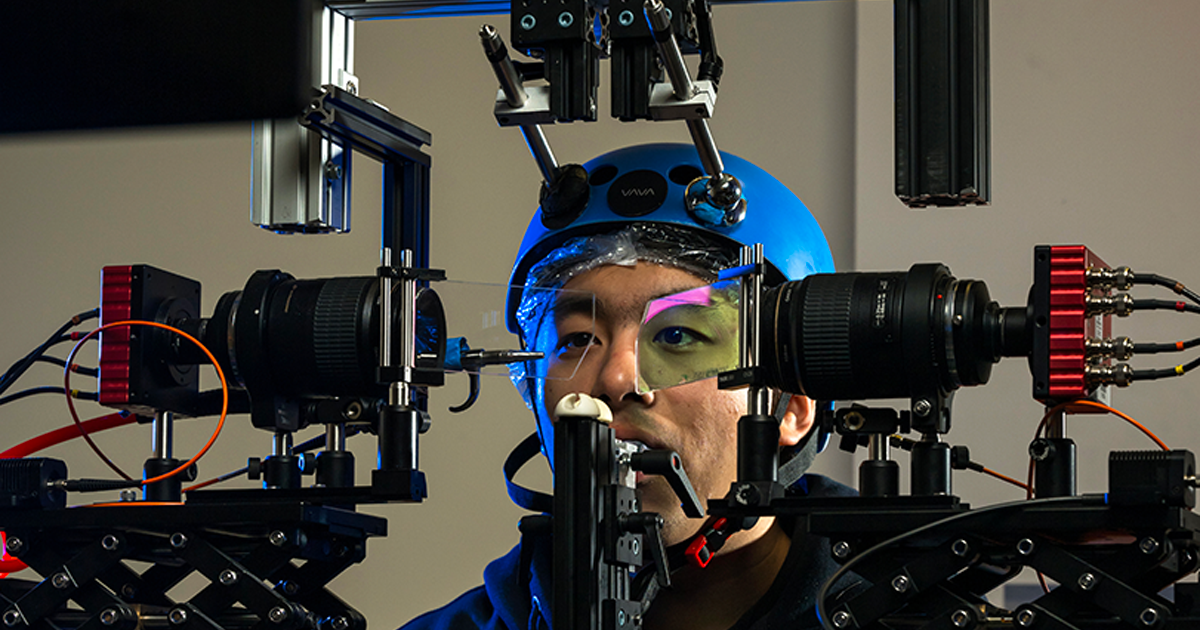
Blinking—long considered a problem the brain must overcome to produce seamless vision—may actually be more of a feature than a bug, new research suggests.

Of all the injuries we suffered, mine is the worst. My brain injury has shaken my confidence in my own personality, my own existence.

While experts disagree on how common self-talk really is, they wholeheartedly agree that it’s a valuable tool for self-discovery.
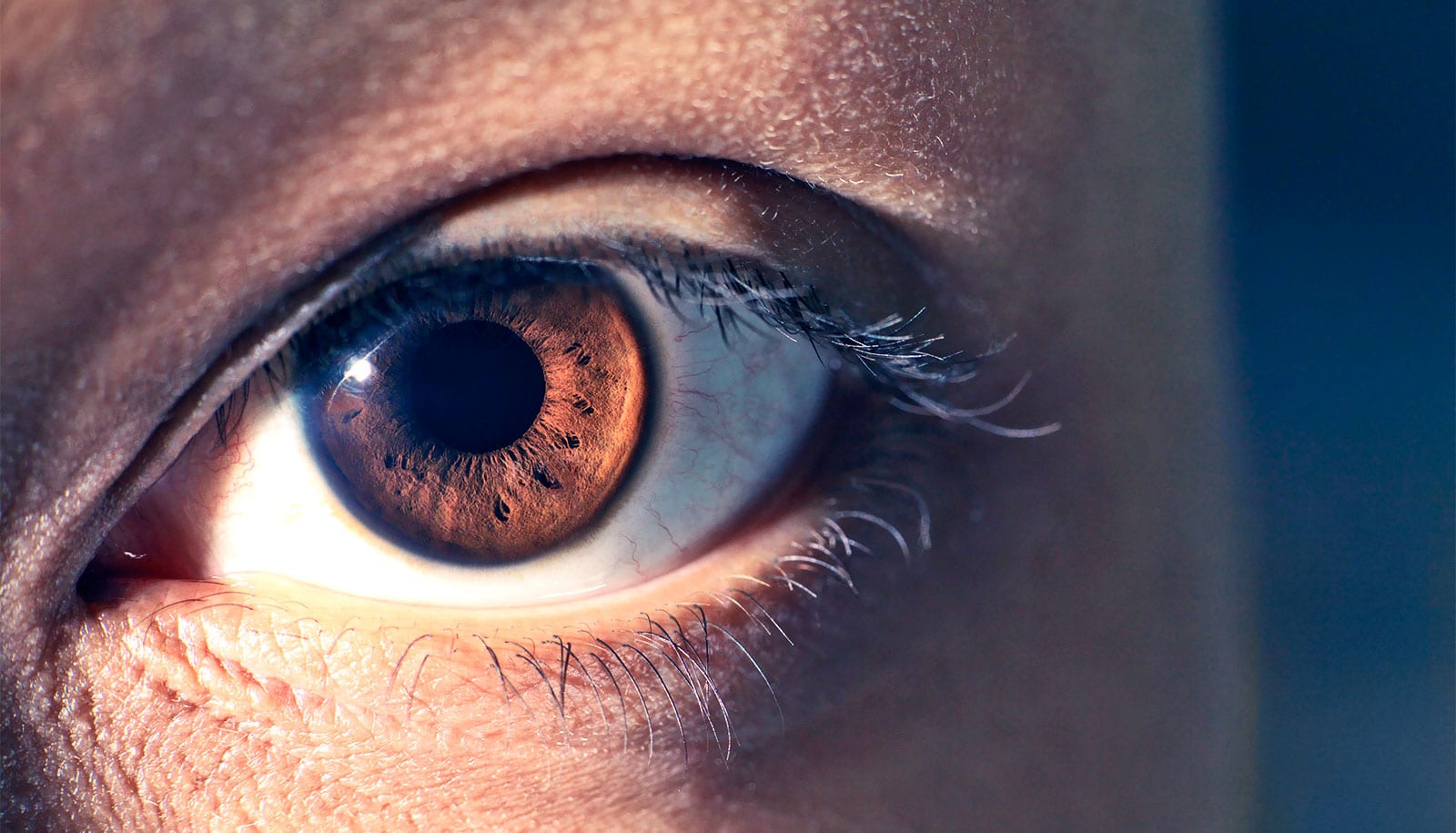
Eye blinks aren't just a mechanism to keep our eyes moist. Research finds that blinking plays a key role in processing visual information.
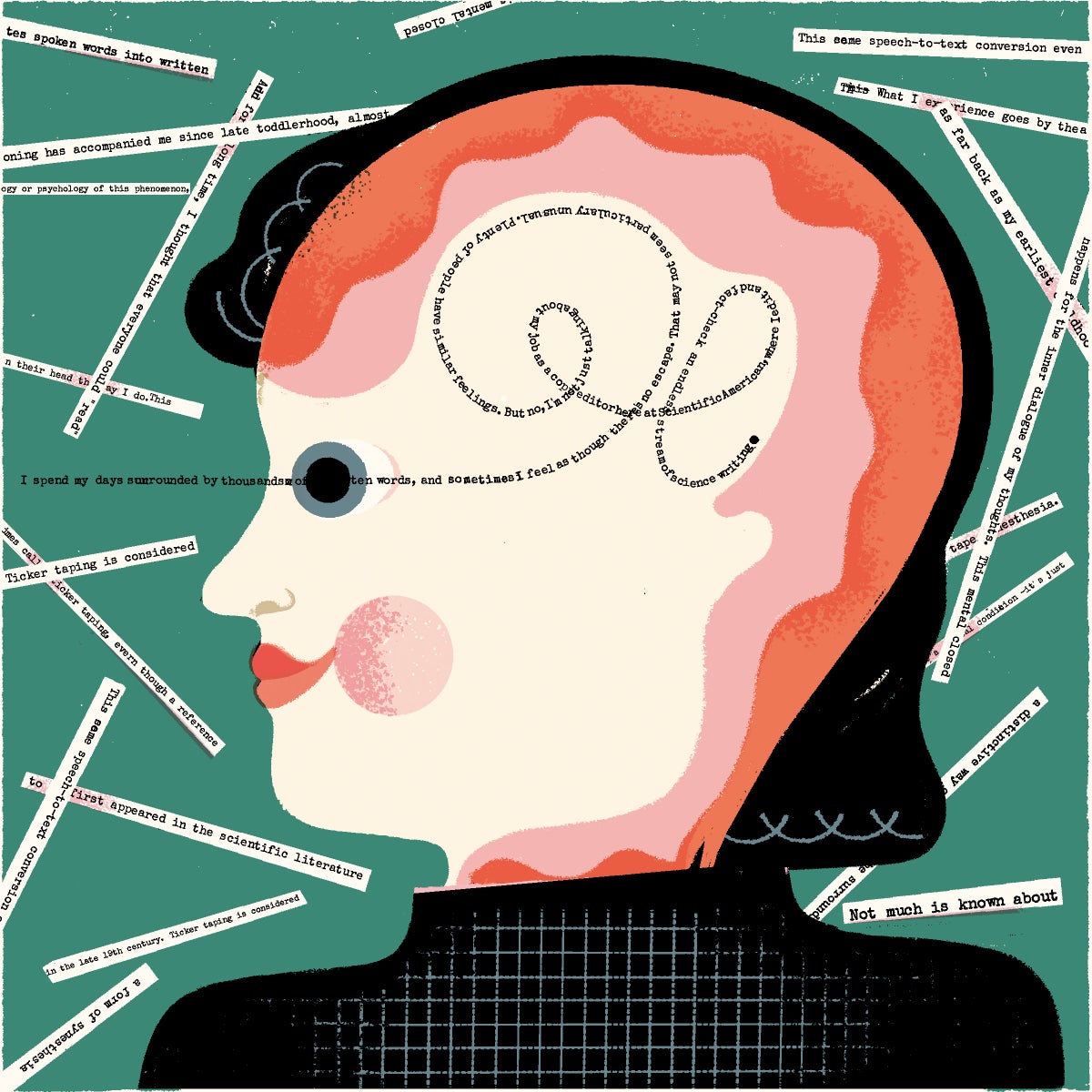
From the time I learned to read, I have experienced a form of mental closed-captioning called ticker-tape synesthesia
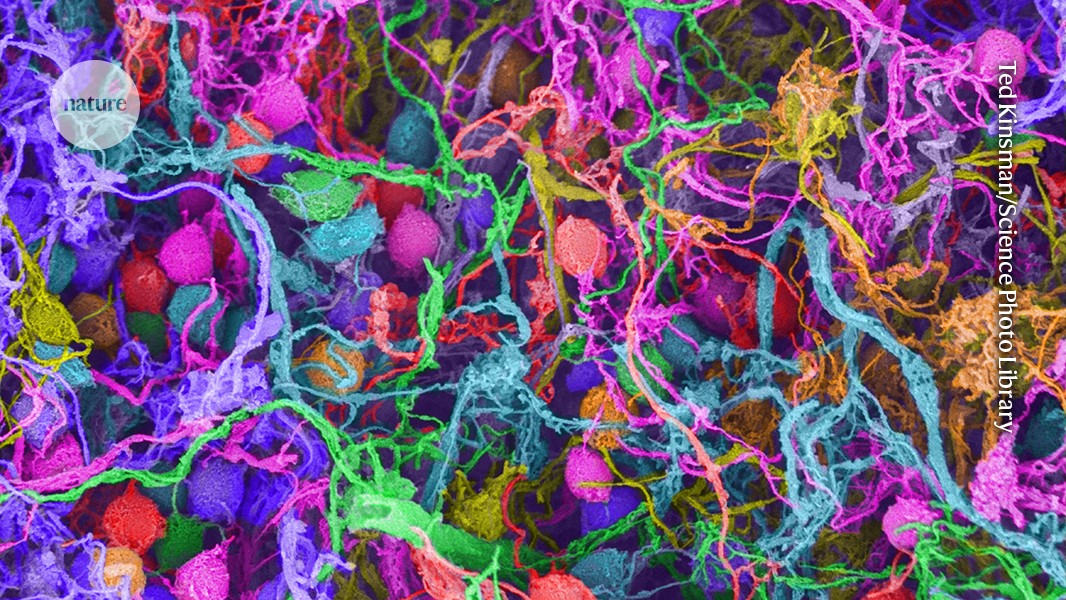
Nature - Nerve cells form long-term memories with the help of an inflammatory response, study in mice finds.

They’ve been studied by researchers and recruited by police forces, but what’s it actually like to be a super-recogniser?

A syncopated rhythm may prompt our brain to find the beat
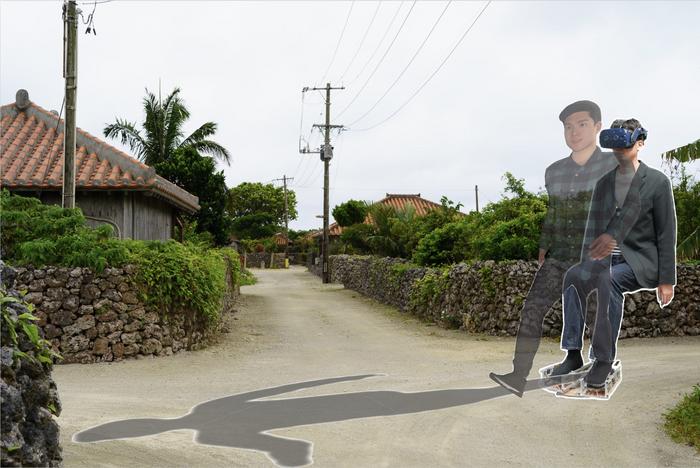
When I use my virtual reality gear I do practical zero virtual walking - meaning that I don't have my avatar walk while I am not walking. I general play standing up which means I can move around the space in my office mapped by my VR software - so I am physically walking to
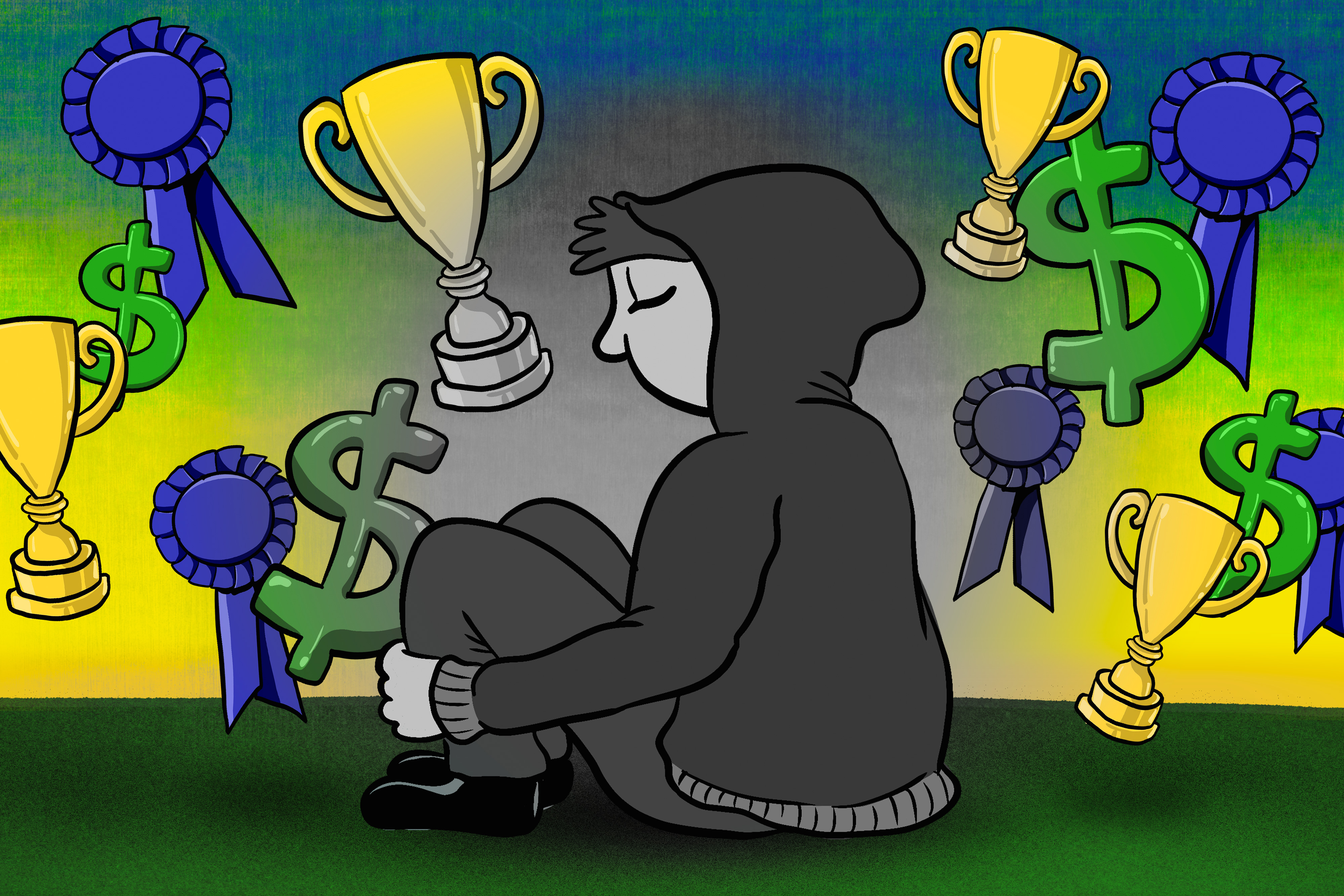
The brain’s sensitivity to rewarding experiences — a critical factor in motivation and attention — can be shaped by socioeconomic conditions, according to an MIT study.
There was a time in America, not so very long ago, when conventional wisdom discouraged immigrants from speaking the language of the old country at home. In fact, 'it used to be thought that being bilingual was a bad thing, that it would confuse or hold people back, especially…
Synesthesia makes ordinary life marvelous.

A rare brain stimulation study suggests that a brain circuit known as the “salience network” contributes to differences in our ability to overcome challenges and cope with stress.
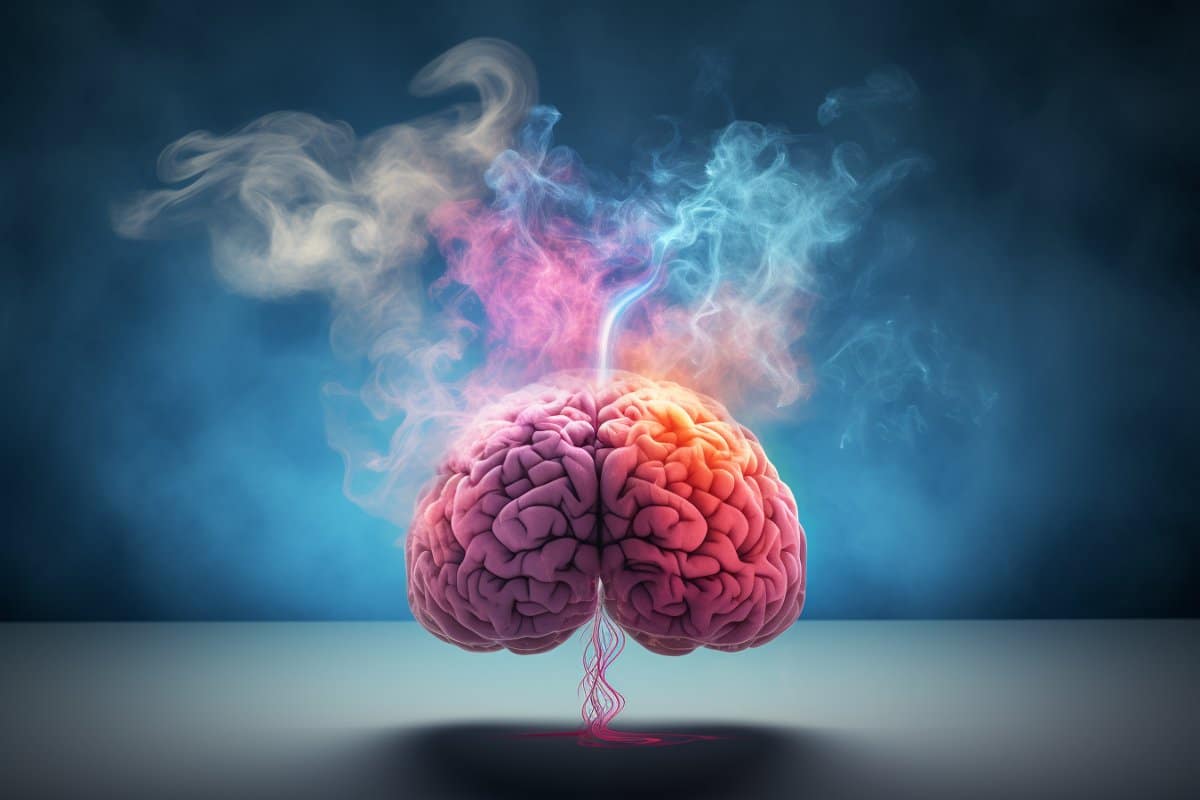
Researchers have uncovered a novel function of the hippocampus in decision making, showing that specific brain cells, known as 'time cells,' are stimulated by odors to facilitate rapid 'go, no-go' decisions.
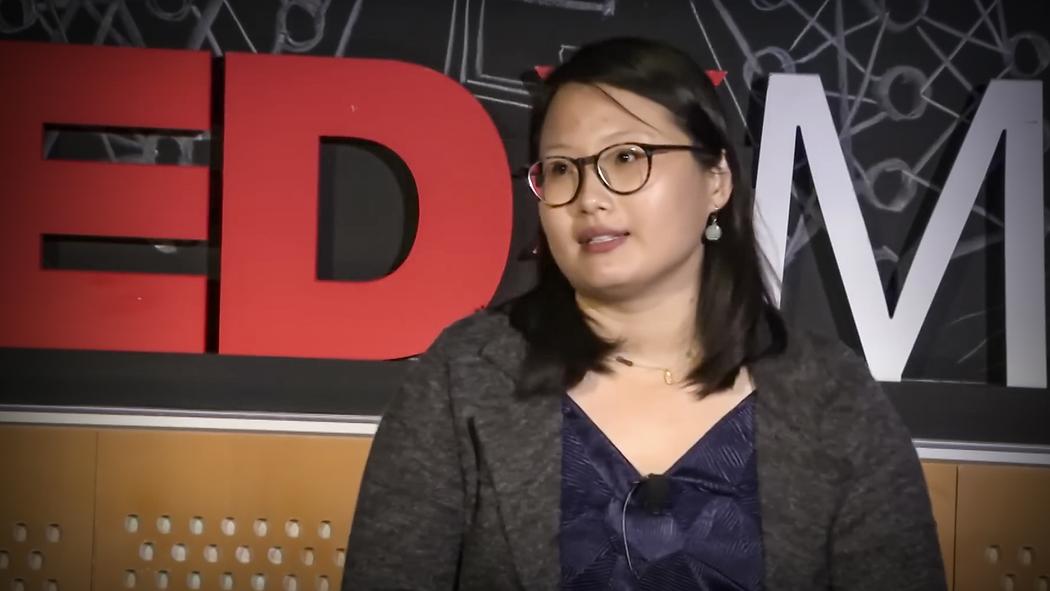
Are babies oblivious to danger? It's not that simple, says cognitive scientist Shari Liu. Sharing surprising insights (and plenty of baby videos) from studies of early human development, Liu highlights the unexpected ways babies perceive and respond to risky situations — and…
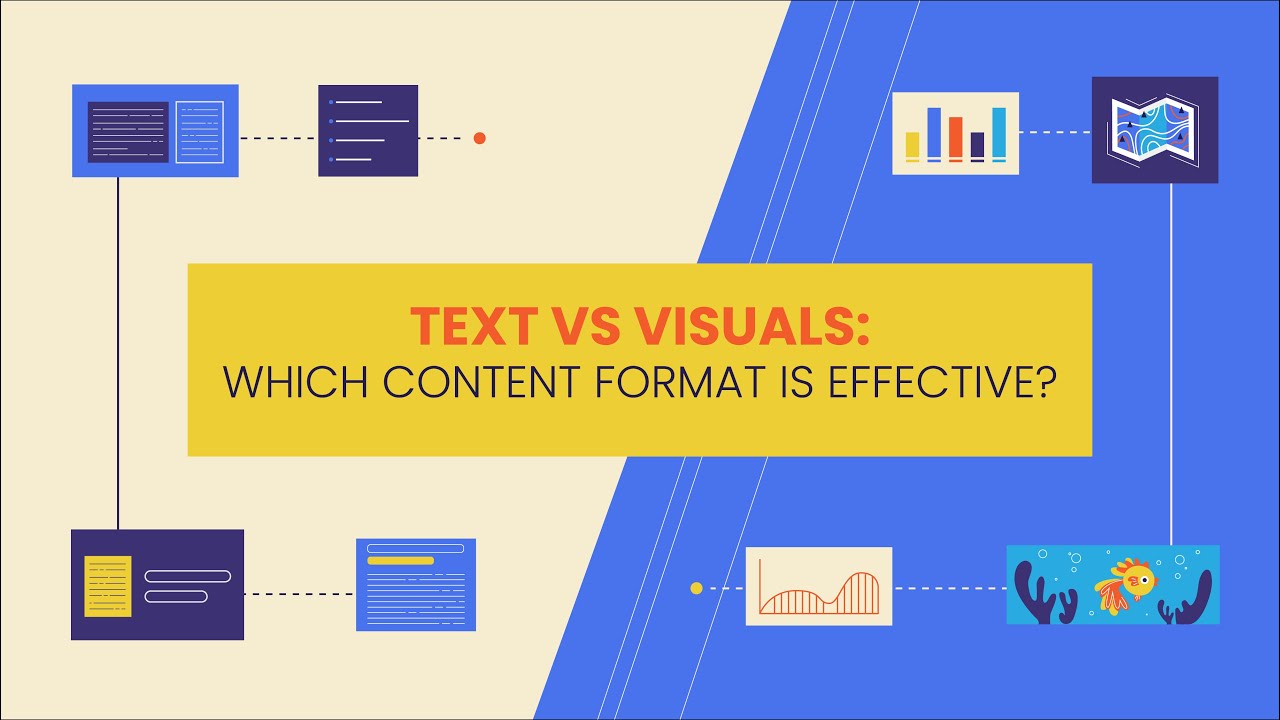
When we talk about using different ways to share information, it's like picking the one that fits what you need! Words, pictures, and mixes of both have
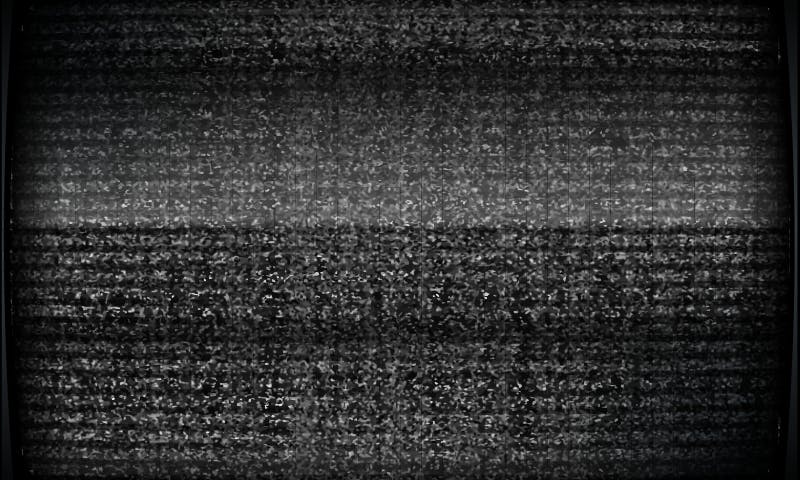
What we know about a mysterious condition called visual snow.
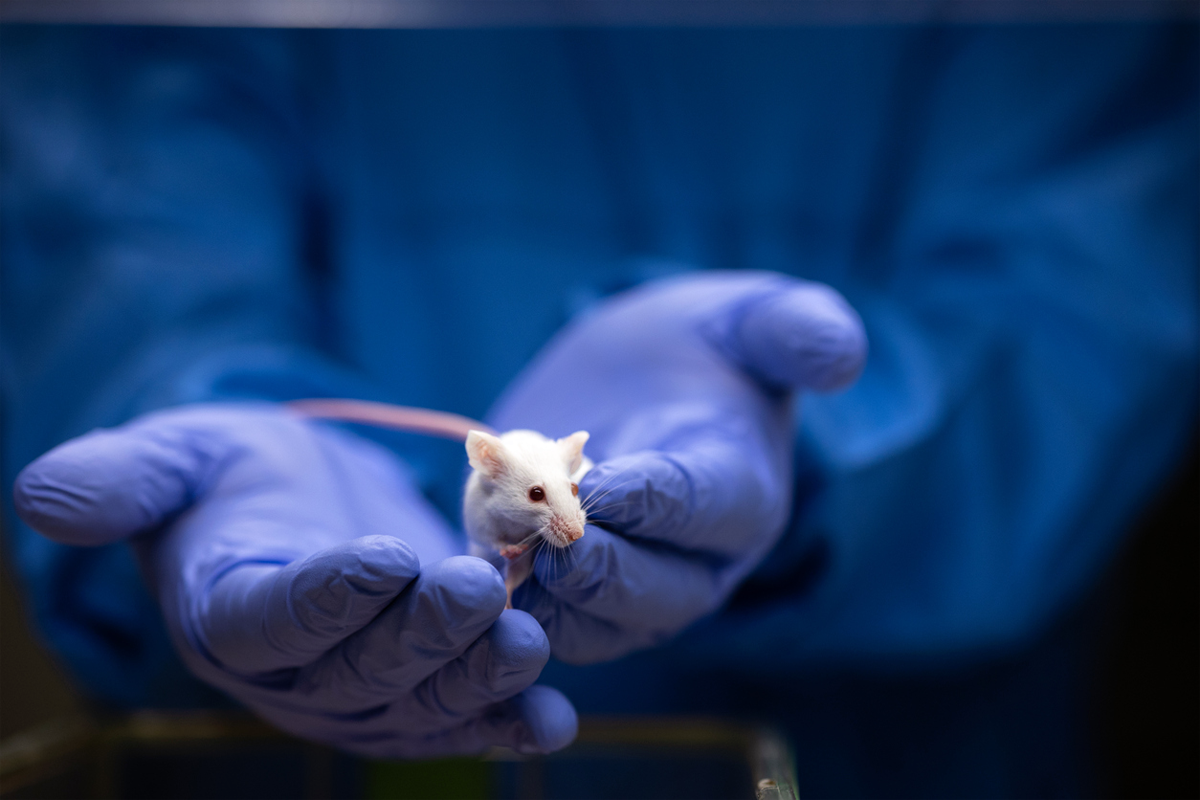
Random fluctuations in neuronal activity are more variable in a fragile X mouse model than in wildtype mice.

Harry’s psychotic delusions bring him cheer. His psychiatrist embraces them.
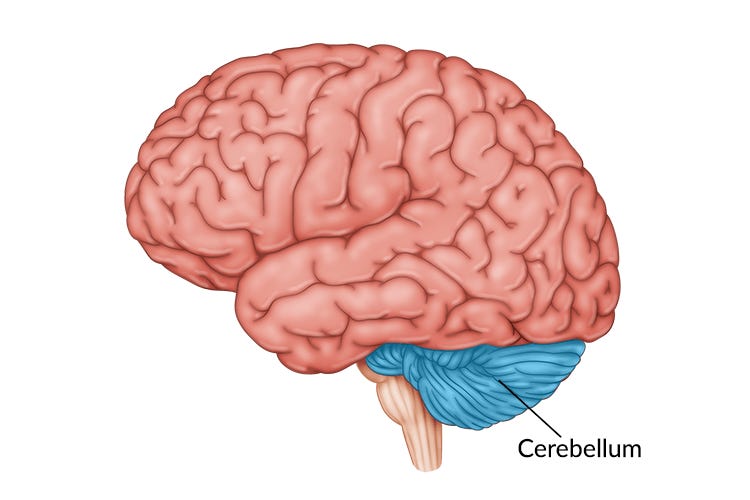
Hint: It's Not Just Balance

I can’t imagine sights, smells, or sounds. What’s wrong with me?

In a bid to unravel the complexities of the human brain and shed light on the origins of various mental illnesses and neurological disorders, Google Research, in collaboration with a consortium of esteemed institutions, has embarked on an ambitious five-year, $33 million…

Could a theory from the science of perception help crack the mysteries of psychosis?

New research finds that the memories useful for future generalizations are held in the brain separately from those recording unusual events.

Aphantasia veils the past and the future from the mind’s eye. That can be a gift to philosophers like Derek Parfit and me

Scientists are racing to find out what causes this progressive disease. And they're starting to make some headway.

Theodore H. Schwartz's “Gray Matters” explores the evolution of brain surgery, along with its many risks and rewards.
Neuroscientists can now explore the “wild west” in our heads in incredible detail—a boon to medicine and understanding what makes us tick.

Many languages have very few odour-related words, so conveying what a scent is like requires knowing your audience

Mind-altering drugs could open the brain to a state of childlike learning, aiding recovery from psychological trauma, brain injury, or paralysis.

An obscure bit of brain tissue appears critical to both out-of-body experiences and our sense of being anchored to a physical self.
:extract_focal()/https%3A%2F%2Fmedia.allure.com%2Fphotos%2F610ae9b02423d200ebb393af%2F16%3A9%2Fw_2560%252Cc_limit%2FThe%252520Color%252520of%252520Scent%252520Lede.jpg)
When perfumer Frédéric Malle experiences a fragrance, he also perceives it as an array of colors. This is what it's like to see — and smell — the world as someone who has synesthesia.
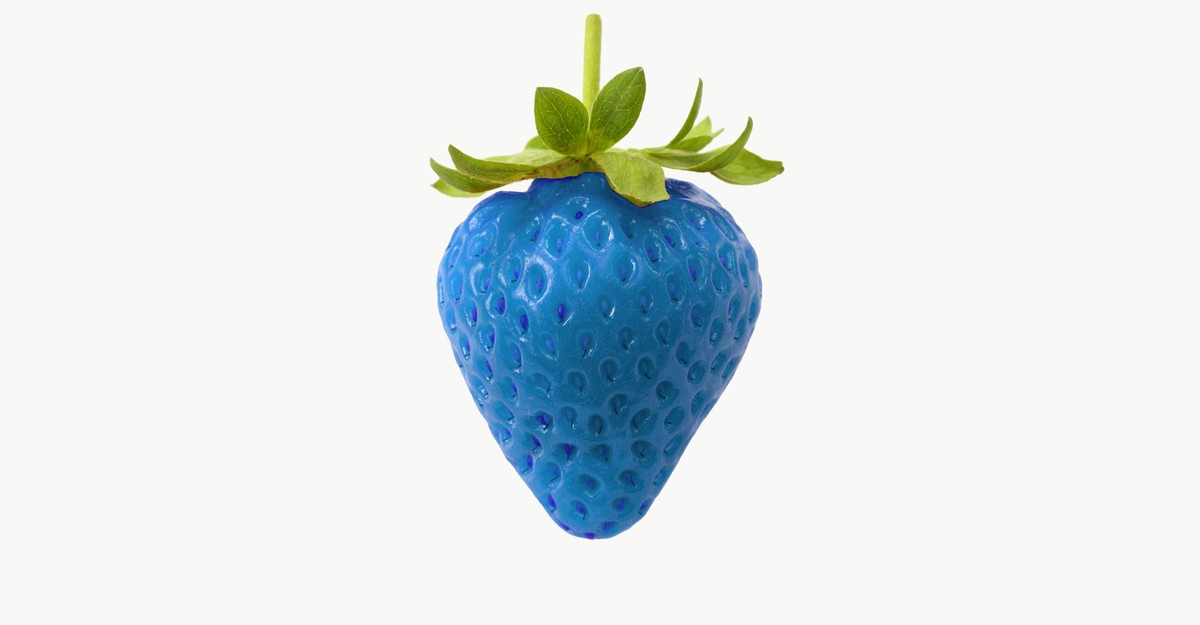
A family in the Netherlands has a rare and perplexing brain condition that helps explain how we recognize color.

In times of high stress or effort, people sometimes feel the presence of others – an effect which isn't an hallucination. But what exactly is it?