Fed on Reams of Cell Data, AI Maps New Neighborhoods in the Brain | Quanta Magazine
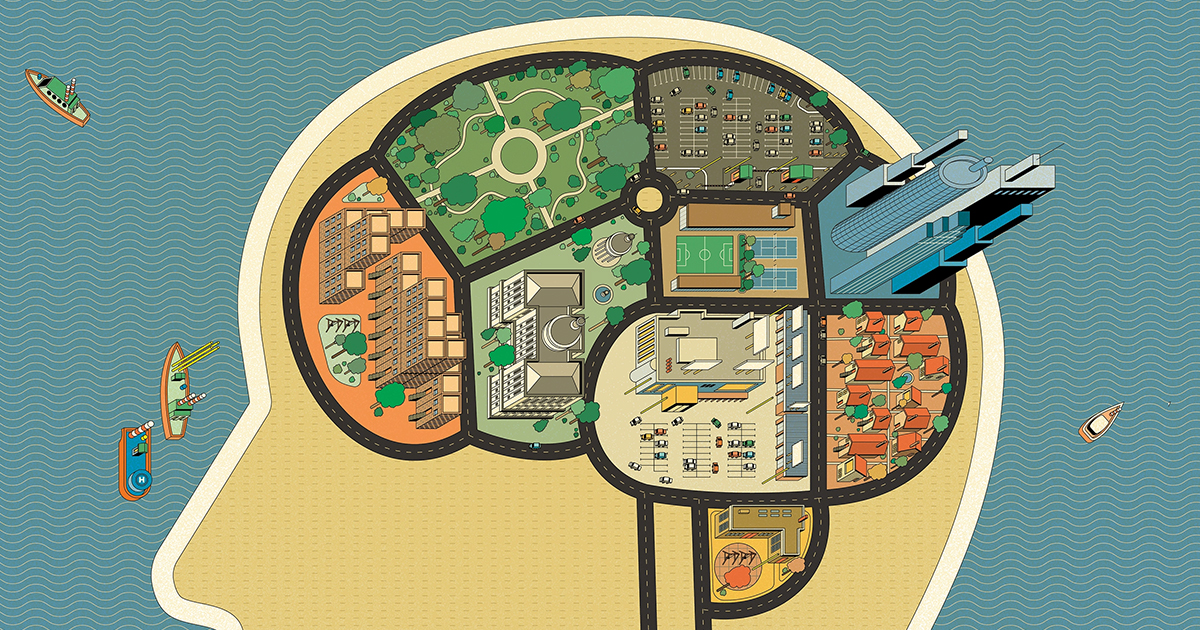
Machine learning is helping neuroscientists organize vast quantities of cells’ genetic data in the latest neurobiological cartography effort.
Machine learning is helping neuroscientists organize vast quantities of cells’ genetic data in the latest neurobiological cartography effort.
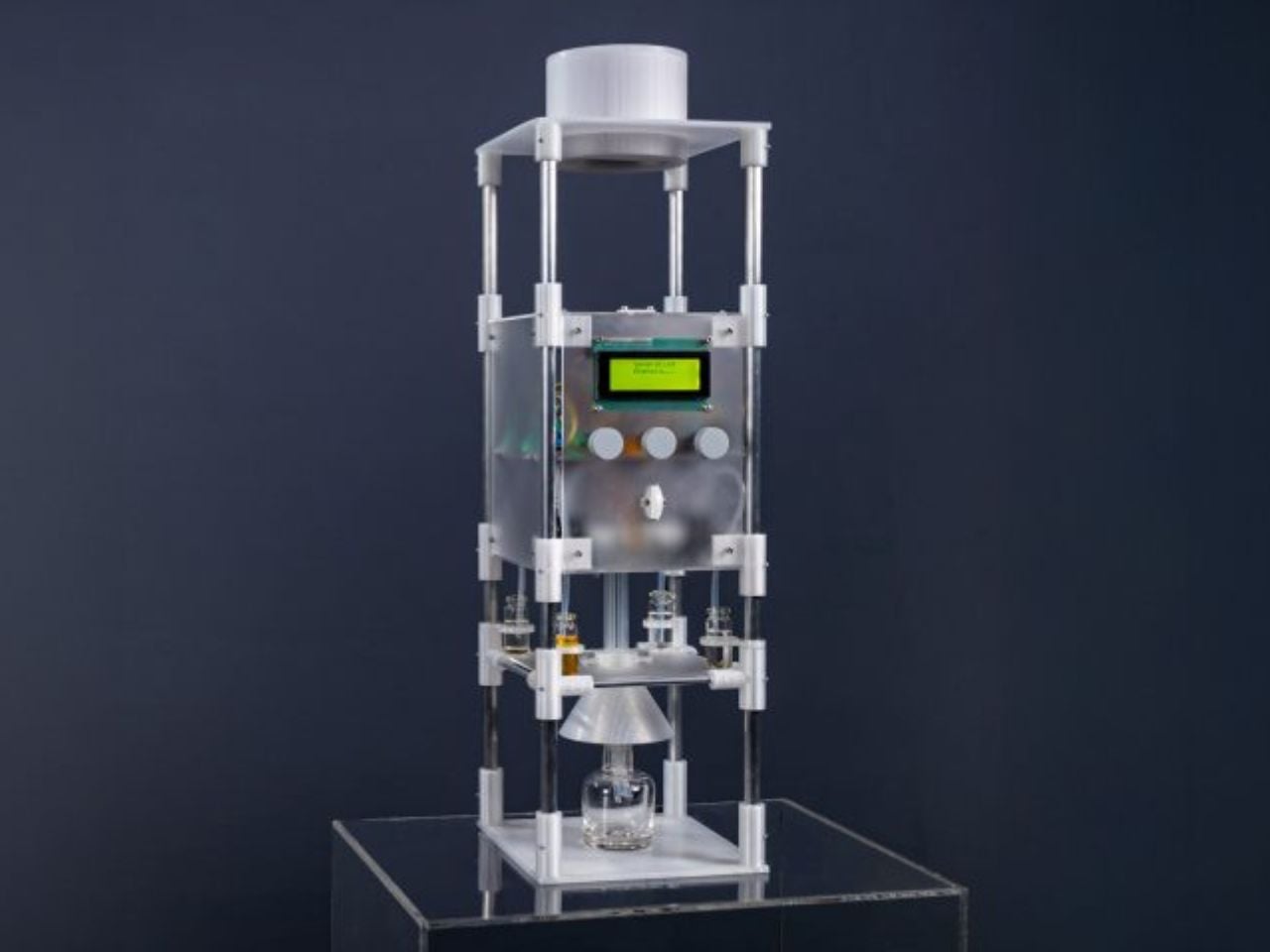
At a time when memories are increasingly flattened into folders, feeds, and cloud backups, a new experimental device from MIT Media Lab proposes a far more intimate archive: scent. Developed by Cyrus Clarke, the Anemoia Device is a speculative yet functional prototype that…

The brain is much less like a machine than it is like the murmurations of a flock of starlings or an orchestral symphony

A differential diagnosis for the weird and the awkward
A sudden flash of insight is a product of your brain. Neuroscientists track the neural activity underlying an “aha” and how it might boost memory.

Larissa MacFarquhar writes about the recent research into the neurodiverse syndromes known as aphantasia and hyperphantasia, their effects on our experience of trauma and memory, and the sense of identity that has grown up around them.
Vividness of Visual Imagery Questionnaire
blindsight

Have you ever wanted to read someone's mind? Mentalist Oz Pearlman is billed as one of the world's greatest mind readers ... and yet, he says he doesn't have any special powers. In this spectacular talk meets psychic-inspired magic show, he demonstrates his skills on a live…
The Bowlin family knew they had a history of malformations in the brain. But they had no idea how far back it went.

It is our biggest blind spot, a bizarre experience that befalls us every day, and can’t be explained by our need for rest
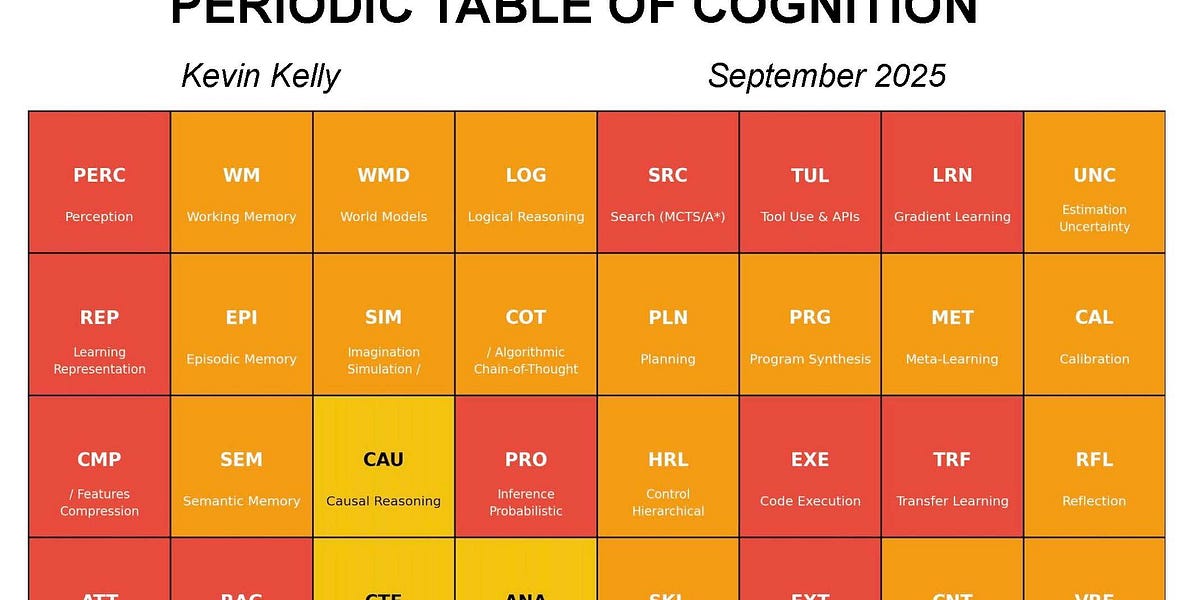
I’ve been studying the early history of electricity’s discovery as a map for our current discovery of artificial intelligence.
Our employment of electricity exceeds our understanding of it.
The result that we call intelligence emerges from many different cognitive primitives such as long-term memory, spatial awareness, logical deduction, advance planning, pattern perception, and so on.

Most people have felt déjà vu at least once. Jamais vu is the flip side. It’s rarer, harder to describe, and somehow more off-putting.

Most of us forget what we ate for breakfast yesterday, but a teenager known only as TL can relive her life like rewinding a movie reel.

Seeing and imagining use similar brain machinery. New research reveals the brain circuit that identifies what is real, which may help scientists understand conditions such as schizophrenia

Western medicine views hearing disembodied voices as a symptom of psychosis. But that's not the case everywhere.

Rejection stings, but scientists suggest it’s more than just emotional pain. New research indicates our brains treat social slights as learning signals, helping us recalibrate who values us and shaping how we navigate relationships and future connections.
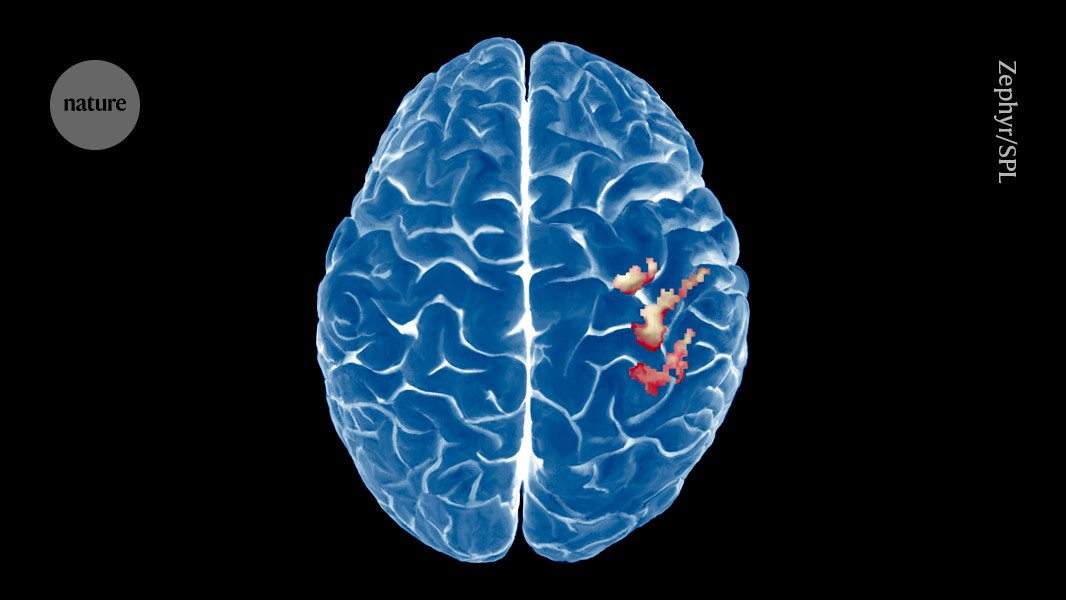
Study challenges the textbook idea that the brain region that processes body sensations reorganizes itself after limb amputation.

Neuroscientists find people who don’t enjoy music, study their brain activity.
Using the fMRI, they were able to see that gambling wins lit up the reward circuit in the 15 people Pallarés suspected of specific musical anhedonia. Music on the other hand, had no effect on reward circuits.
how the different regions in the brain communicated with each other.
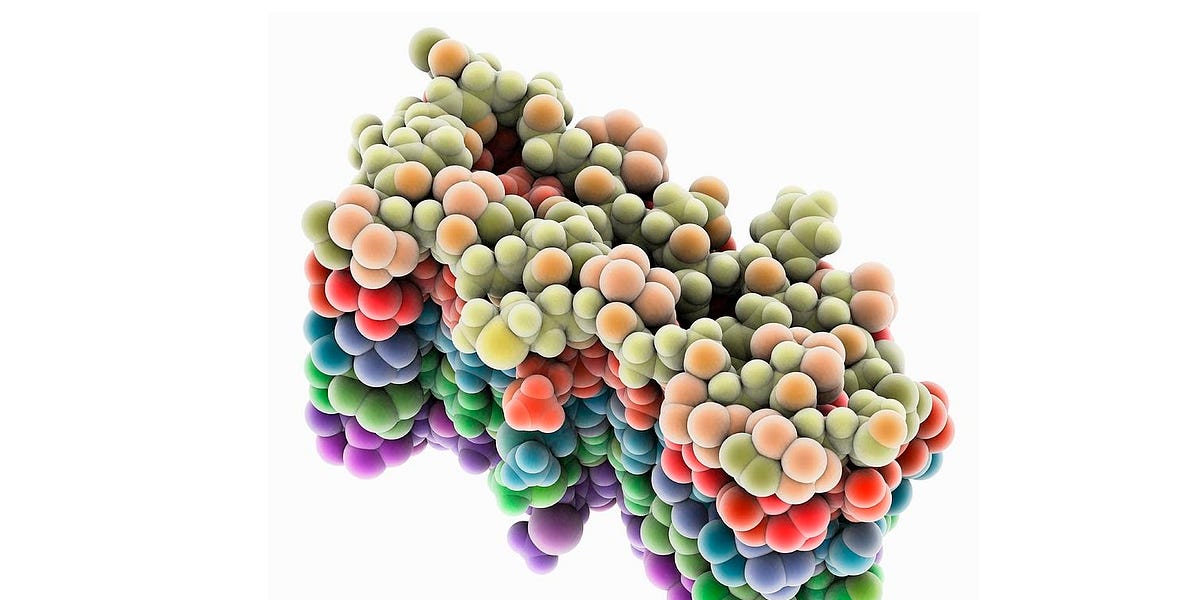
A guest post by David Schneider-Joseph

A massive genetic study found that stuttering is not just about nurture and may link to processing rhythm itself.
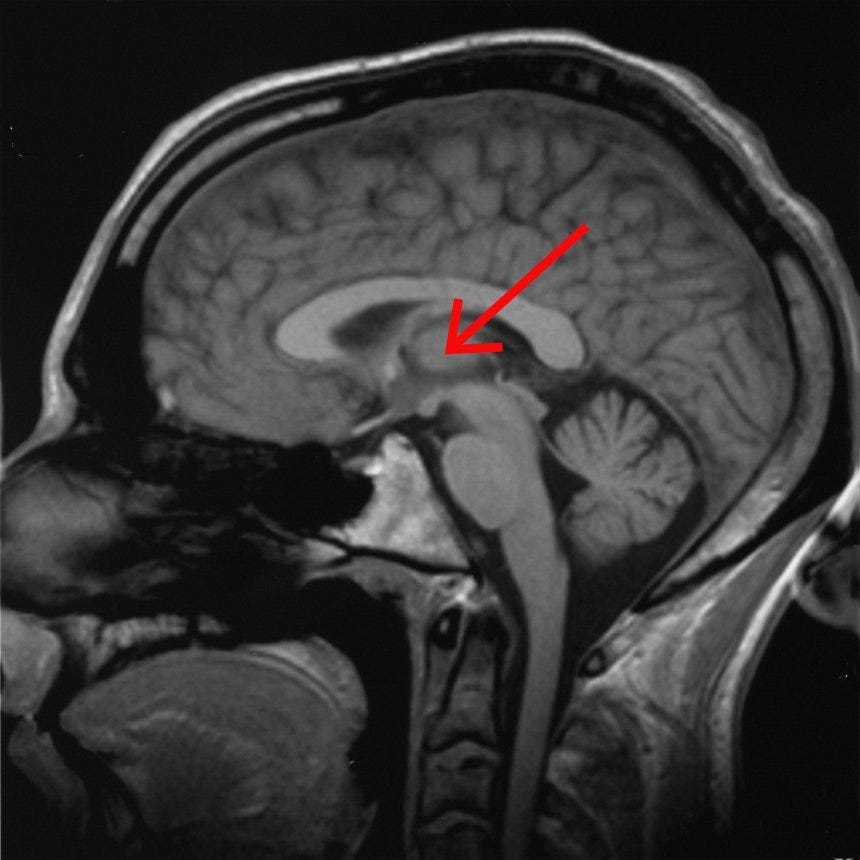
the red arrow points to the thalamus In the past 3 entries in my consciousness sequence I was focused on conscious sensory perception — the differen…
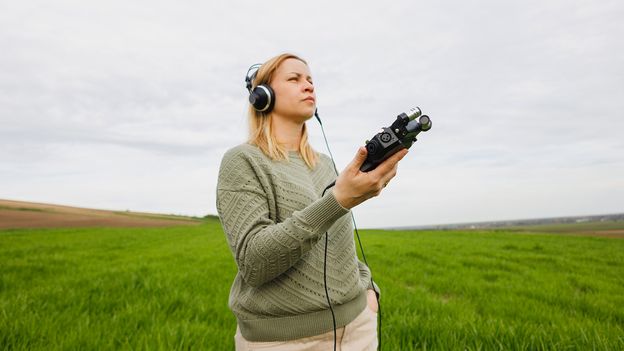
Though noise sensitivity is often dismissed by doctors, it can have long-term effects on our mental and physical health.

If the great Dolly Parton ever shouted directions at you in a hurricane, chances are you’d understand every word...
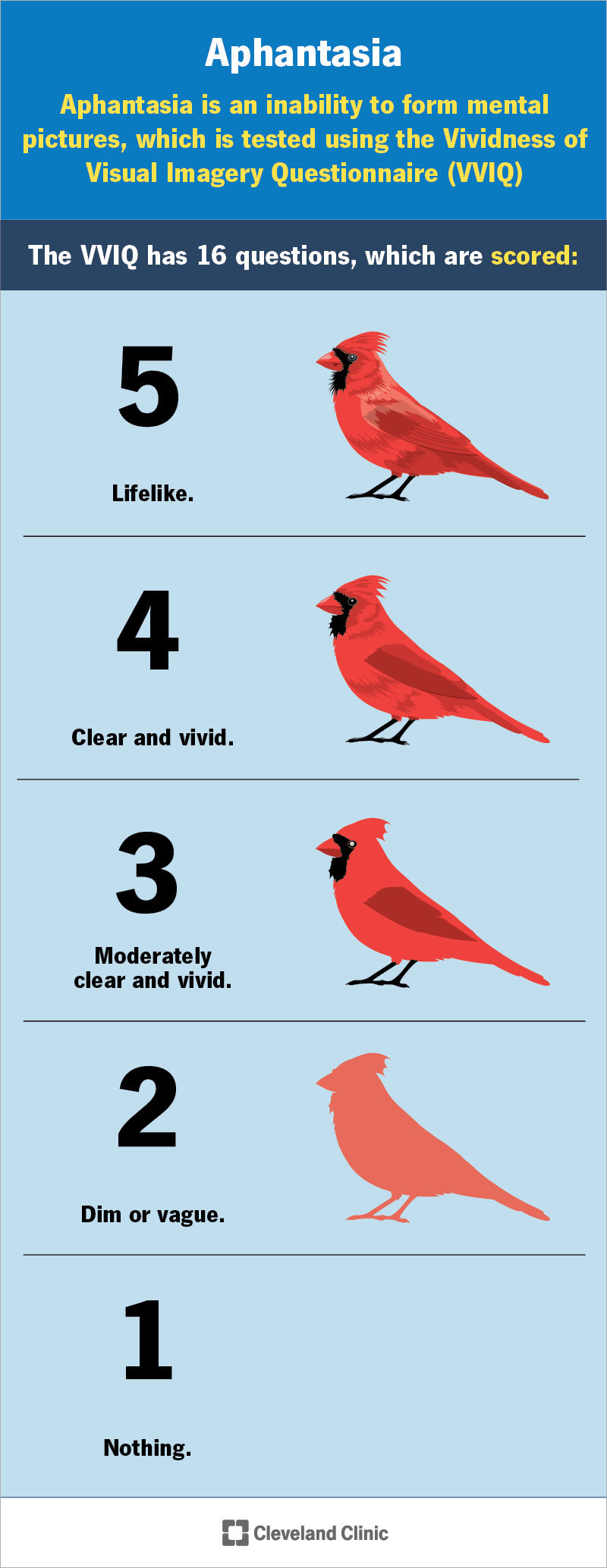
Aphantasia is a characteristic where you can’t form mental images to “see” things in your head. Learn more about this trait.

Some psychiatric patients may actually have treatable autoimmune conditions. But what happens to the newly sane? Rachel Aviv reports.
Mary had landed on a story that overwrote the reality of her daughters’ lives, but they also recognized in it a kind of emotional logic.
Neuroscientists are discovering how this basic ability, essential to our survival, works
letting patterns emerge naturally from behavioral data. Using methods borrowed from machine learning, they were able to uncover 36 fundamental dimensions
dataset of 600 images of 200 different materials

Why it’s impossible to always be happy.
Previous research showing swearing alleviates pain is extended by addressing emotion arousal and distraction as possible mechanisms. We assessed the effects ...
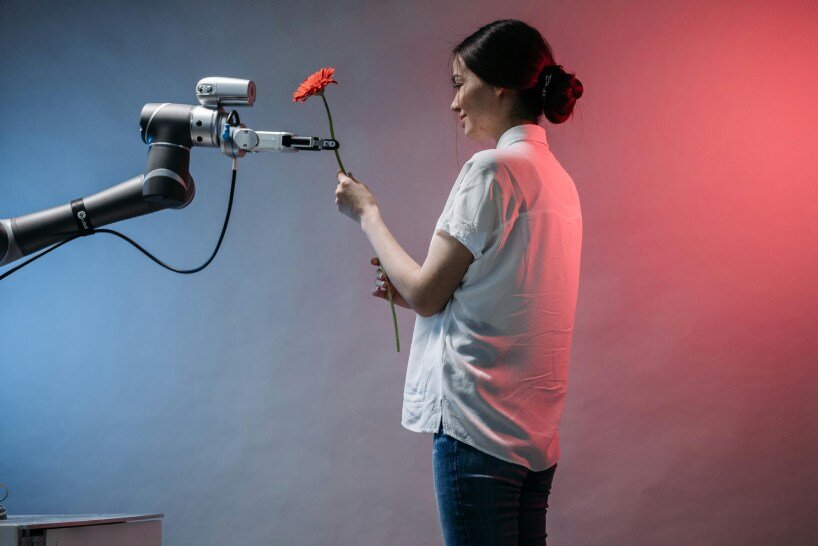
a study by ohio state university investigates whether large language models can represent human concepts without physically experiencing them.

The scent of smoke, chlorine, or even cheap cologne can send your nervous system into overdrive, and now, scientists know why.

The idea of cryonics — freezing the bodies of the dead in the hopes that they can one day be revived — has existed since the 1960s. We’ve since learned that perfect preservation is much, much harder than any of its founders anticipated.
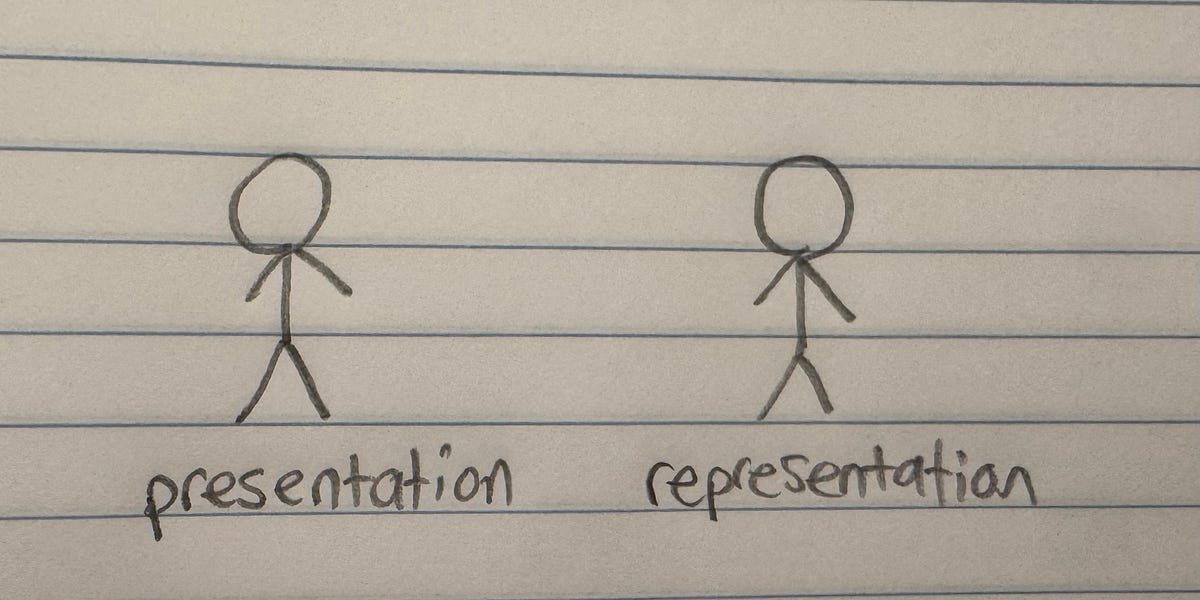
One of the silly little quirks of being human is that we pretend that some experiences are more real than others.
Two leading theories of consciousness went head-to-head—and the results may change how neuroscientists study one of the oldest questions about existence

She called a violin a banjo, a glove a statue, and pliers a banana. Why was she losing her ability to recognize objects?

The ecstasy of “olo”

The compound has been linked to improved cognitive performance and reduced anxiety – but are you getting enough of it?

Seizures are often described as both terrifying and enthralling. Mine gave me a wondrous new take on consciousness and agency
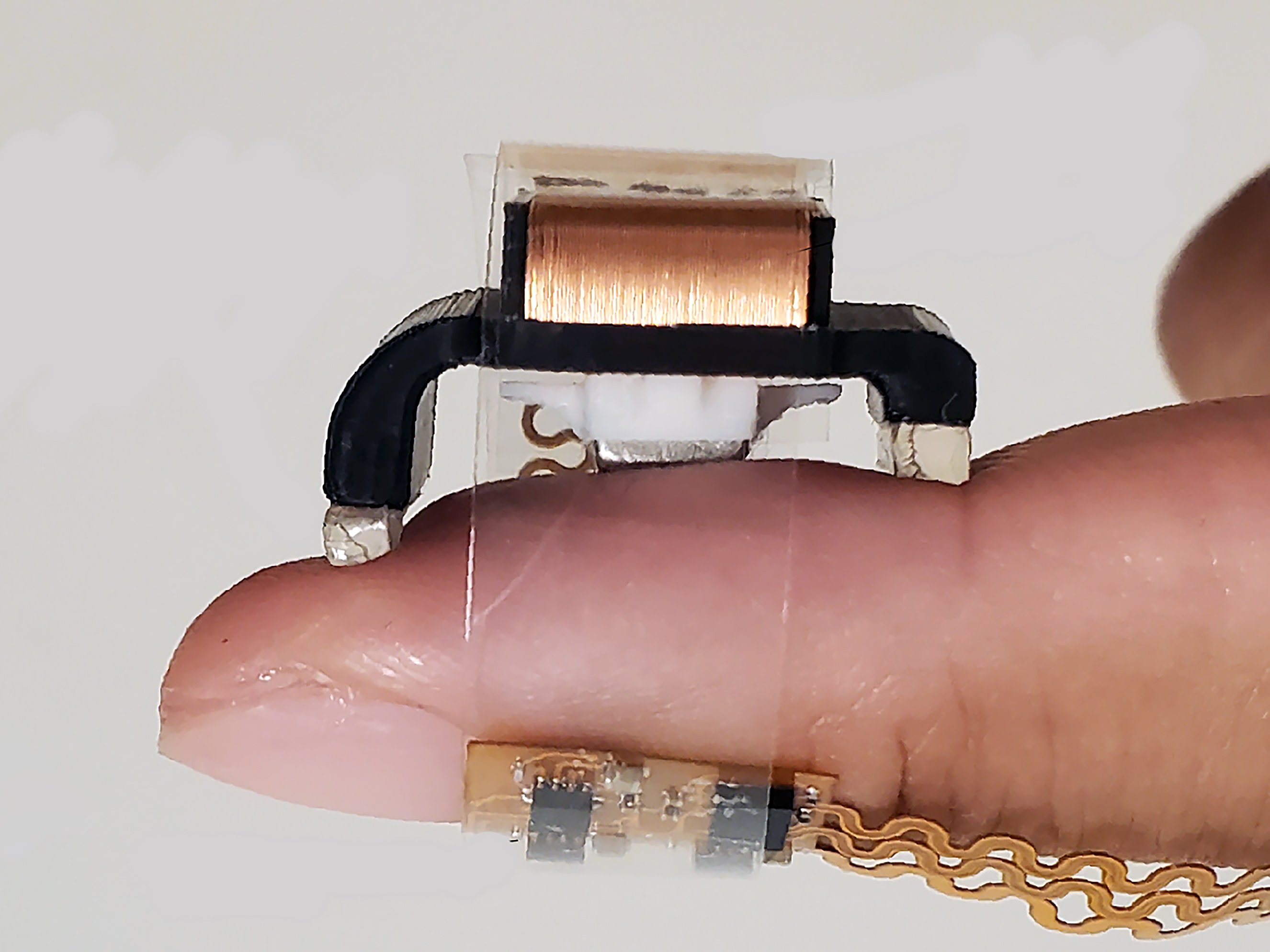
Electromagnetism takes touch feedback beyond simple vibrations

There is increasing evidence that imagination relies on similar neural mechanisms as externally triggered perception. This overlap presents a challeng…
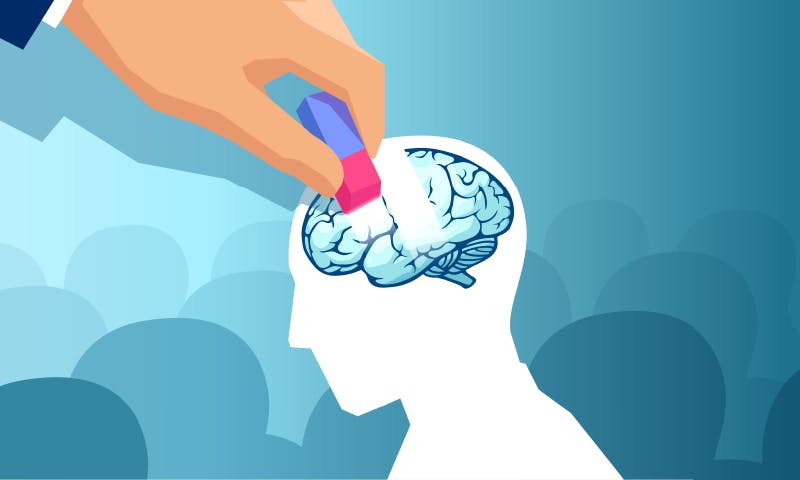
Changing the narrative on false memories might be surprisingly simple.
During imagination, the information comes from the other direction: Higher-order areas of the visual cortex are activated first.
This is because reality monitoring can chuck “memories” into the false category through two primary ways. The first is the assessment of the richness of the memory. If a memory seems too just-the-facts, without those other enriching impressions, it seems more likely not to have truly happened to…
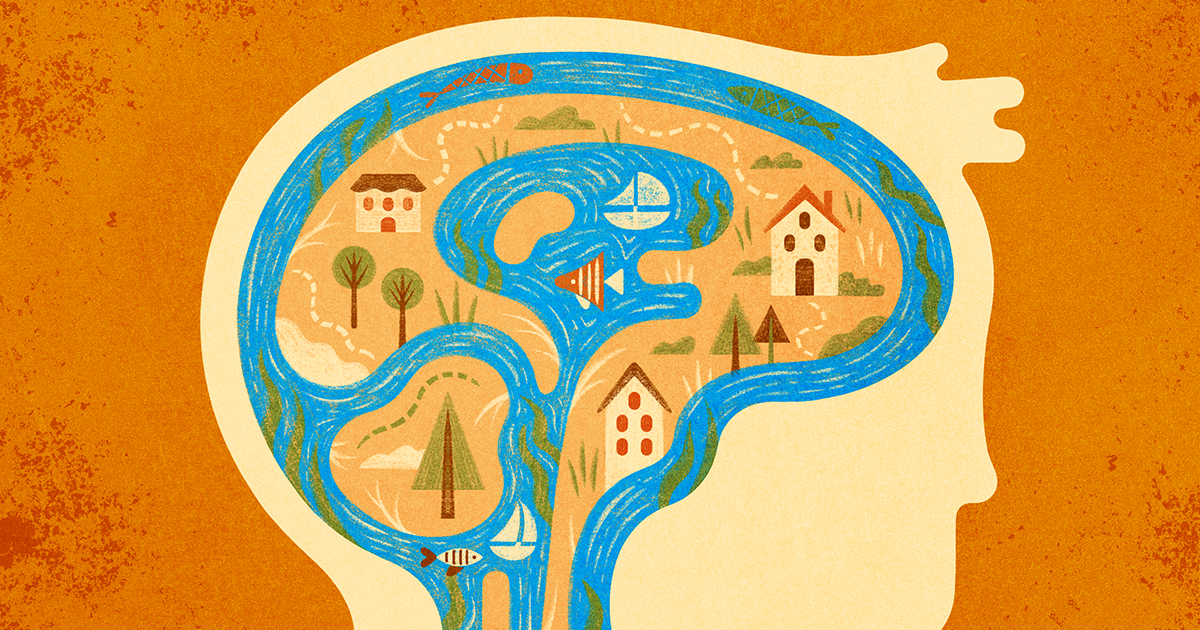
A popular hypothesis for how the brain clears molecular waste, which may help explain why sleep feels refreshing, is a subject of debate.

Studies of young children give us insight into the building blocks of an ability that most of us use every day
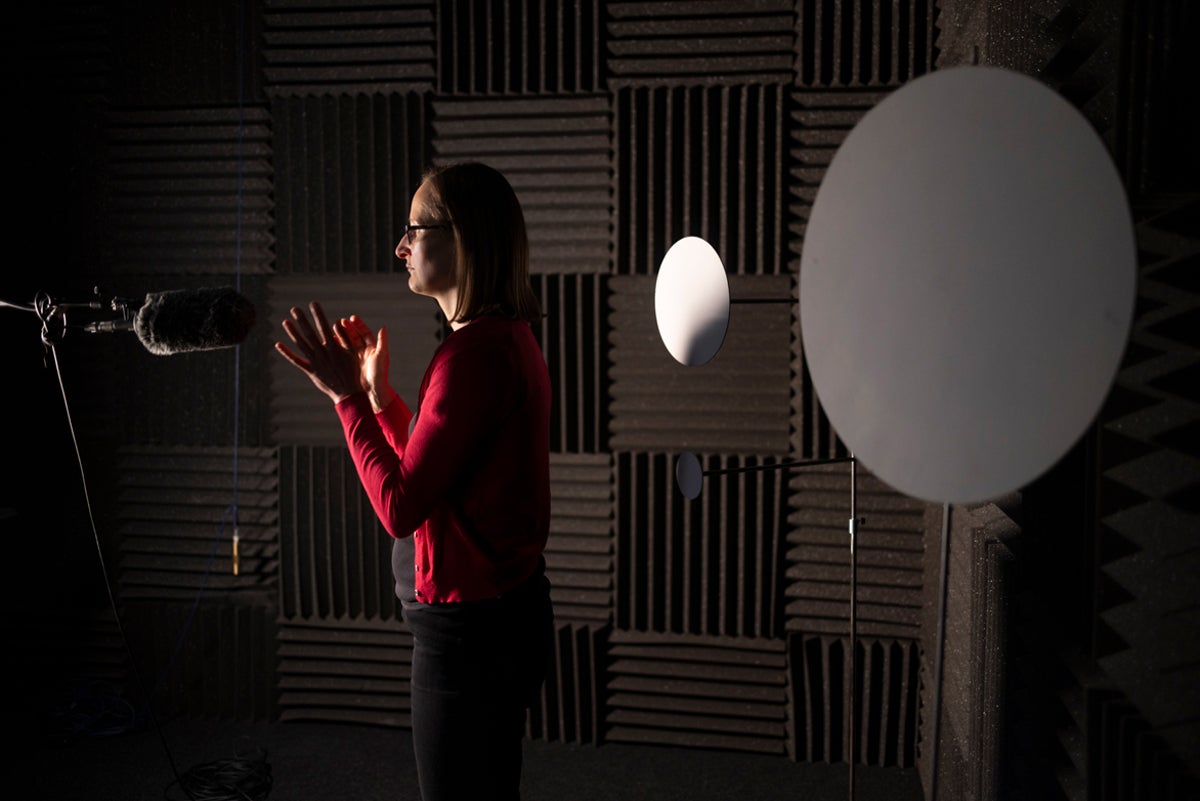
Neuroscientist Lore Thaler speaks about her efforts to make echolocation training more accessible

The brain is our most powerful information-processing machine, but can it sometimes glitch? Enter the Stroop Effect.
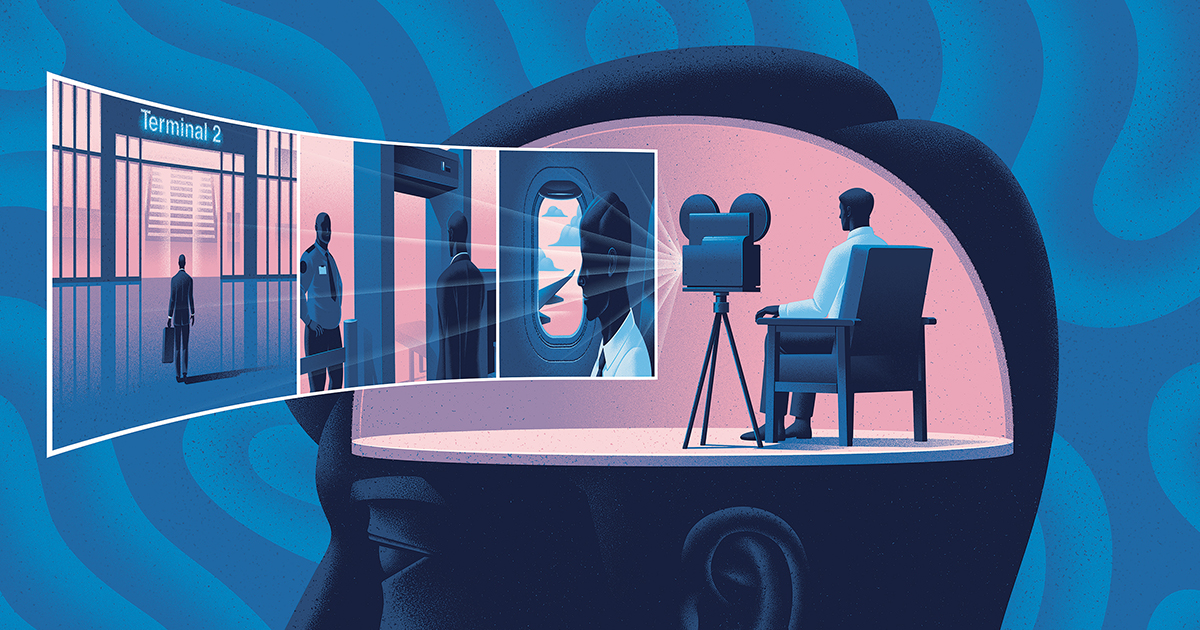
By screening films in a brain scanner, neuroscientists discovered a rich library of neural scripts — from a trip through an airport to a marriage proposal — that form scaffolds for memories of our experiences.
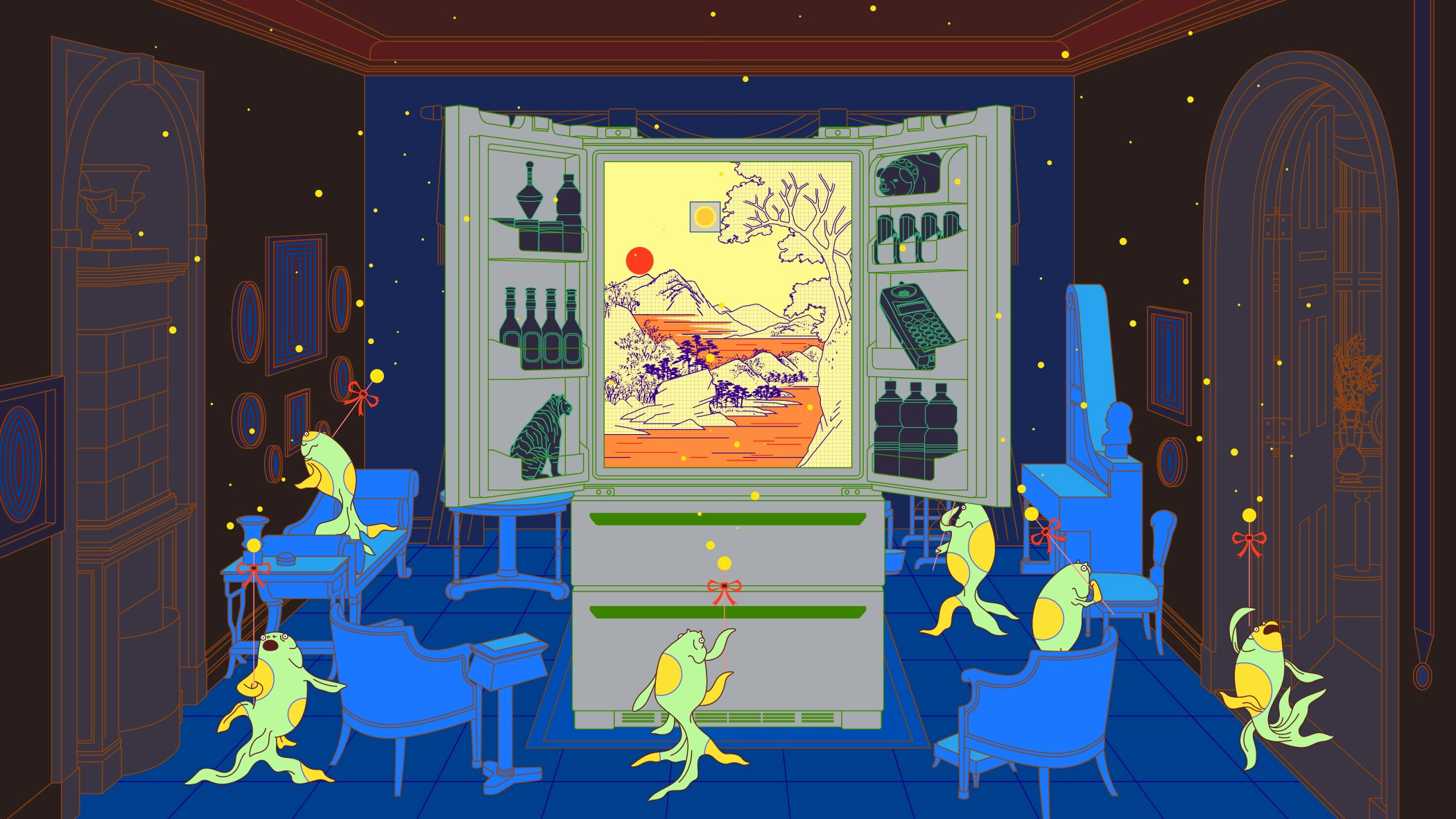
Recent research on lucid dreams suggests that consciousness exists along a spectrum between sleep and waking, between hallucination and revelation, between dreamworlds and reality.

Did you know some people can’t see images in their minds? It’s a real issue—and it has a name: aphantasia.
There are so many buzzwords and best practices out there, but let's focus on something more fundamental. What matters is the amount of confusion developers feel when going through the code.