When you feel moral disgust, what’s the emotion telling you? | Psyche Ideas

Some actions and words provoke instant revulsion. To know if we can trust that gut feeling, we should probe why we have it
Some actions and words provoke instant revulsion. To know if we can trust that gut feeling, we should probe why we have it
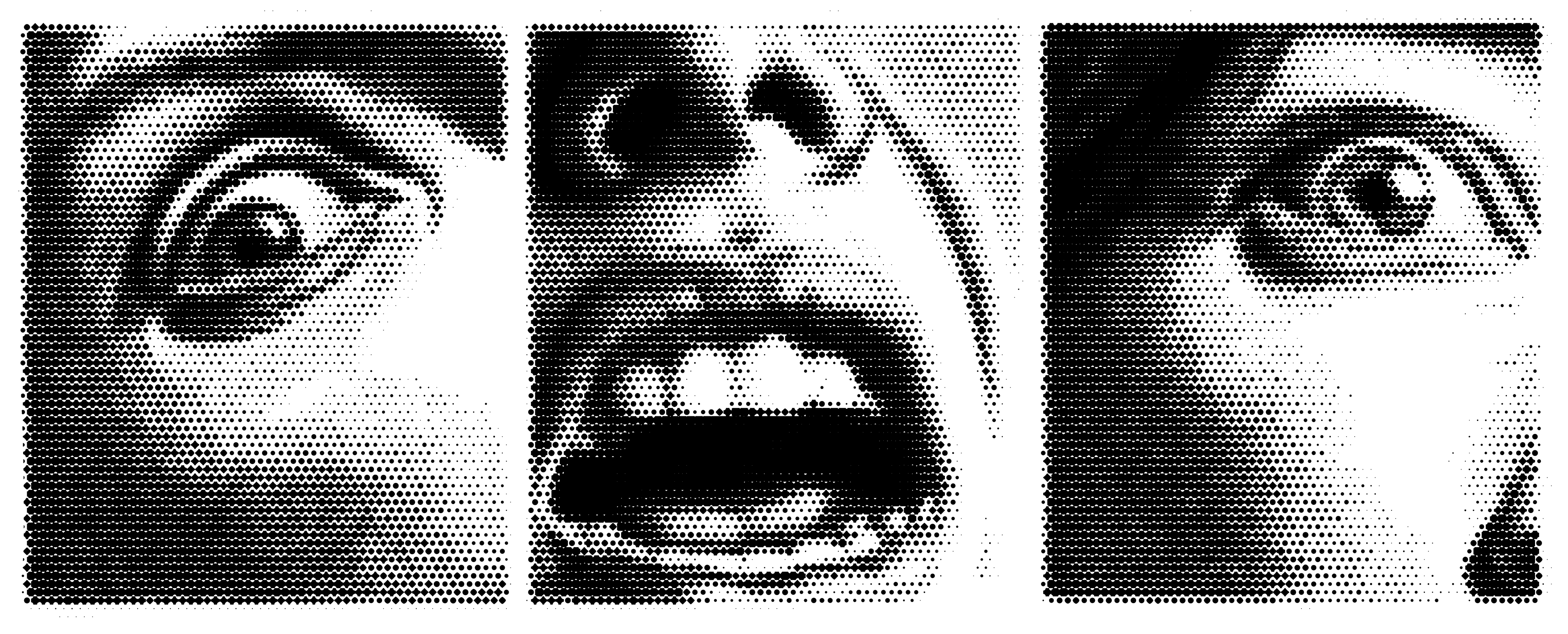
A newly discovered brain region in mice solves a longstanding mystery about how fear lingers after threats fade

From old love letters to pieces of string, our homes are stuffed with stuff. When it comes time to empty a parent’s home, sorting the junk from the memory can be overwhelming

Watching Penelope’s heroic wait in The Odyssey made me lament my impatience. But maybe I’ve been thinking about it wrong

Our love for telling tales reveals the workings of the mind

In a world filled with scams, being wary makes perfect sense. But health, trust and decision-making can suffer when the fear of getting conned goes too far.

It’s often assumed people lose their minds in a crowd. Research on riots, festivals and sports tells a more uplifting story
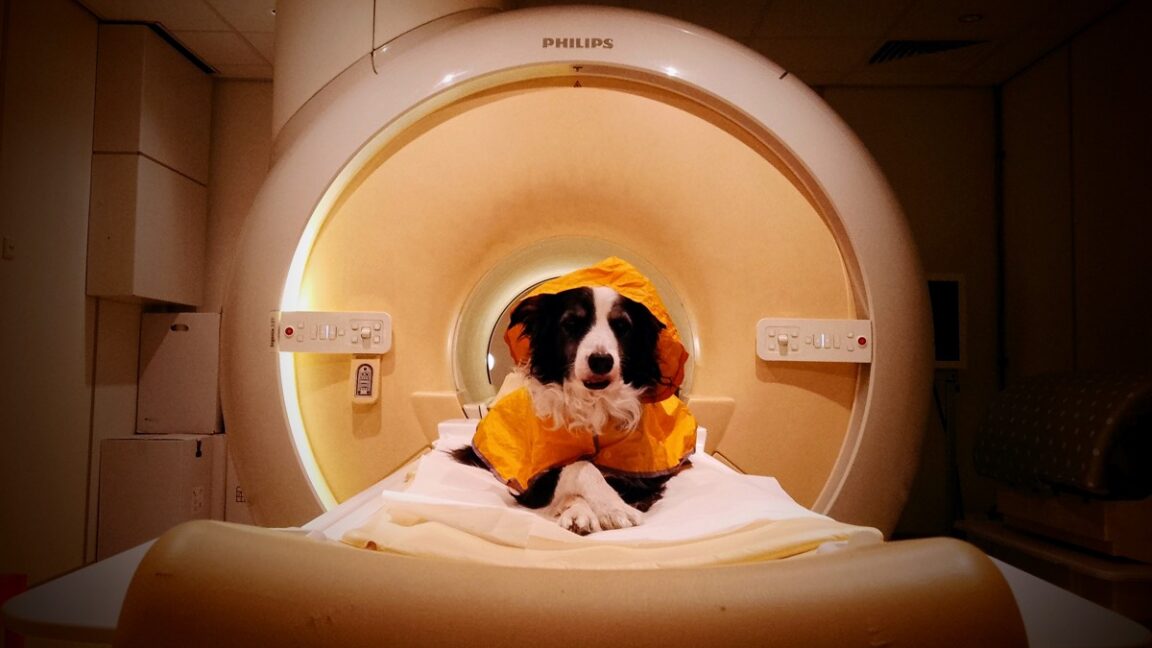
fMRI scans show happiness, fear, anger, and sadness have distinct brain activity patterns in doggy brains.

Sometimes dubbed the 'pleasure chemical', dopamine is often wildly misunderstood. Nikolay Kukushkin delves into what the much-discussed neurotransmitter really does to our brains.
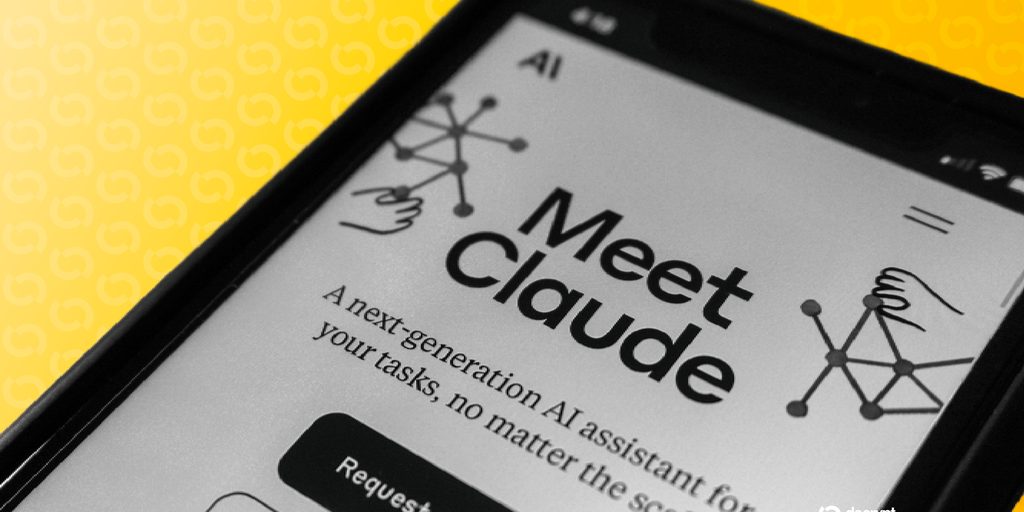
According to new Anthropic research, Claude consistently expresses different values across models and languages.
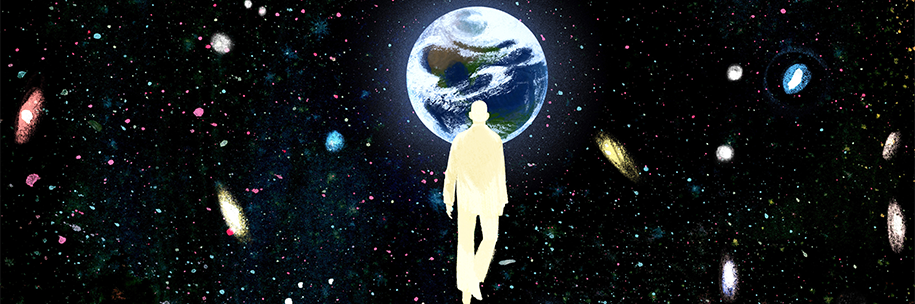
How awe and wonder transform science and you

Is there a biochemical reason that extreme weather makes us happy?

Doubt is not just a lack of information; it is an unpleasant emotional state. New psychological research reveals that this negative feeling serves as a necessary alarm bell, pushing the human brain to abandon mental shortcuts and think critically.
This negative feeling acts as an internal alarm bell
intuition

Anthropic's interpretability team published research revealing that its Claude Sonnet 4.5 model contains 171 internal representations that function analogously to
Dignity is core to our humanity and woven into our sense of agency, authenticity, and the way others treat us, yet what it looks and feels like shifts across cultures, circumstances, and relationships. In this episode of Two Guys on Your Head, Dr. Art Markman, Dr. Bob Duke, and…

People with musical anhedonia don’t get any enjoyment from music. Shayla Love writes about scientists studying this condition to learn about how music affects listeners’ minds and moods.
musical anhedonia
expectations
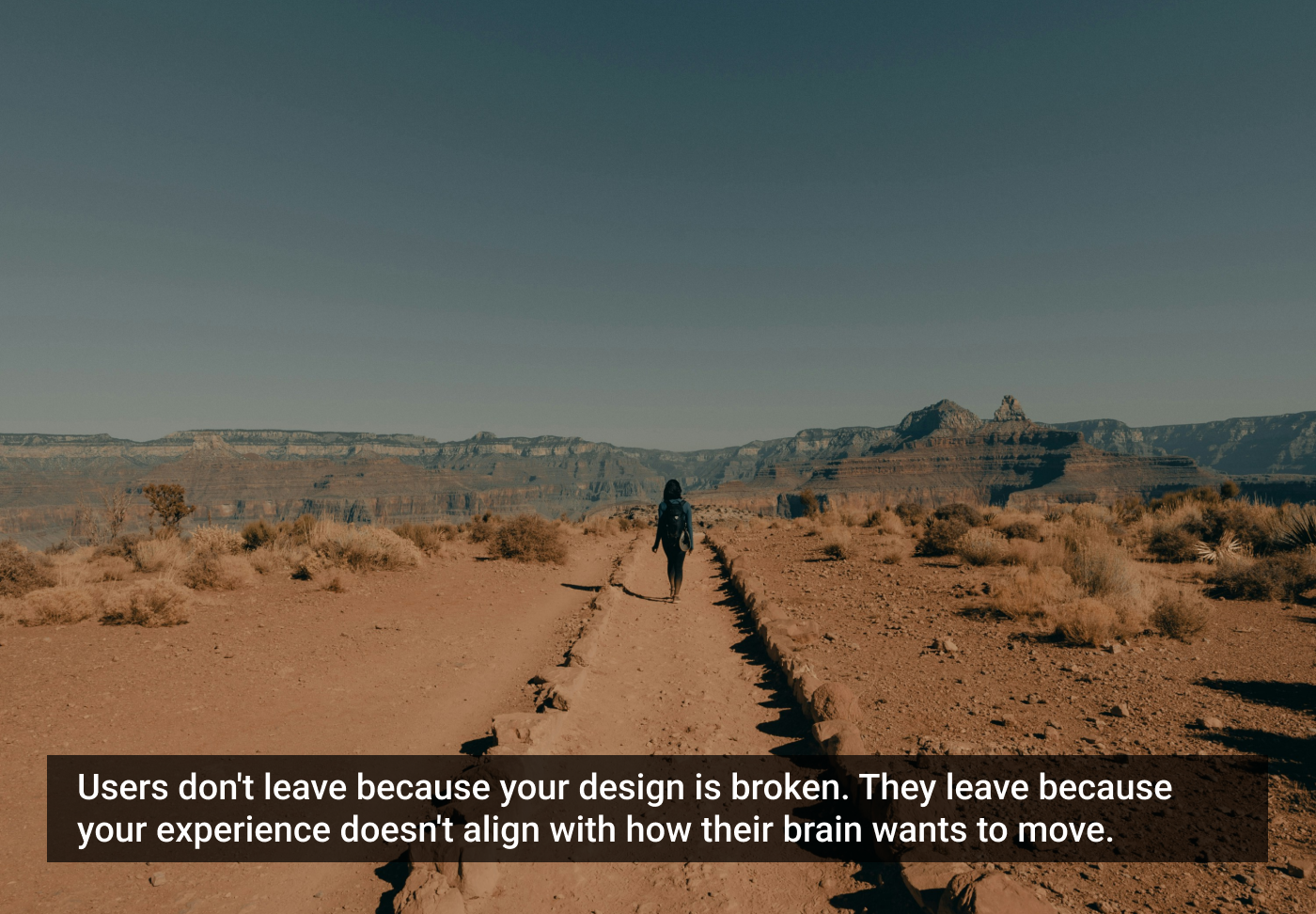
Most teams worry about small changes to UI when users stop using the product. But research shows that the real problem is psychological friction. This is when your brain has hidden mental interruptions that make you think, "Maybe later." This article looks at the four types of…

No one knows why music has such a potent effect on our emotions. But thanks to some recent studies we have a few intriguing clues.
Plus, the personality traits associated with activism

A community science project finds that modest reminders to find joy in the day can have benefits that are on par with those of more ambitious well-being interventions

Rejection stings, but scientists suggest it’s more than just emotional pain. New research indicates our brains treat social slights as learning signals, helping us recalibrate who values us and shaping how we navigate relationships and future connections.

Why it’s impossible to always be happy.

Wish to push the right "buy" buttons in your consumer's hearts and minds? Consider the 7 triggers of fascination.

Disgust may not be a straightforward extension of the immune system’s aversion to harmful substances, but rather “a psychological nebula, lacking definite boundaries, discrete internal structure, or a single center of gravity,” says psychologist Nina Strohminger.Photograph by…

An anthropologist explores laughter as a far more complex phenomenon than simple delight—reflecting on its surprising power to disturb and disrupt.

Counting our blessings is an age-old piece of advice – but it turns out that writing lists of good things that happen to us actually does help improve our mood.

A simple game shows how fear of regret shapes decisions.

Treating anxiety, depression and other disorders may depend on the amygdala, a part of the brain that controls strong emotional reactions, especially fear. But a deep understanding of this structure has been lacking. Now scientists at the University of California, Davis have…
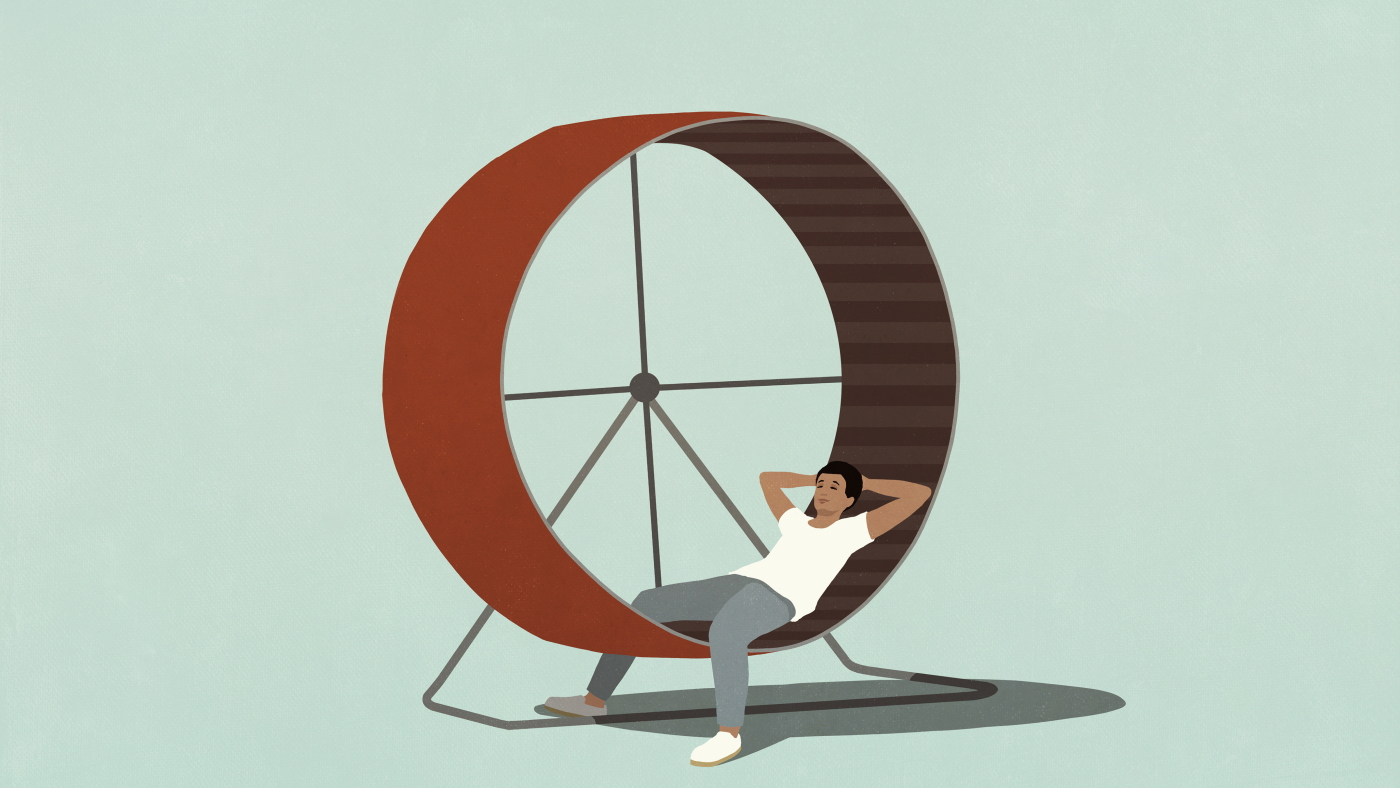
After a while, even the most exciting relationships, jobs and environments lose their spark. But cognitive neuroscientist Tali Sharot says it's possible to fall back in love with life's small joys.

In describing how they remember their lines, actors are telling us an important truth about memory.

Researchers are discovering how music affects the brain, helping us to make sense of its real emotional and social power.

ChillsDB is the first database of validated audiovisual stimuli eliciting aesthetic chills (goosebumps, psychogenic shivers) in the US population.

In new research, scientists have looked into the potential benefits of giving people with depression the aesthetic chills

In the US, smiling is a reflexive gesture of goodwill, but Russians view it as a sign of stupidity. Social psychology research could help explain this cultural contrast.

Our US editor-at-large dissects the emotional potency of heritage branding and how companies try (and sometimes fail) to capitalise on it.

Exploring the Legal Framework for Emotion in Emotion Recognition Tech

Mo Gawdat says it took him much longer to find happiness than it did for him to find success, so he hacked it for everyone else.

The captivating horror of category violation.

“Without unhappiness, you wouldn’t survive, learn, or come up with a good idea,” points out Harvard professor Arthur C Brooks.
Unsure where to start? Use this collection of links to our articles and videos to learn about some principles of human psychology and how they relate to UX design.

Ever experience an emotion you can't quite explain? You're not alone. These 11 words may help you describe them.

There is a lot of social psychology out there providing information that can inform our everyday lives, and most people are completely unaware of the research. Richard Wiseman makes this point in his book, 59 Seconds - we actually have useful scientific information, and yet we…

They made this digital faux-Montana delightful enough that I don’t want to leave. But hey, you can use these powers for good.Anyway, my point is that people want payoff for the effort they put into things, and that includes the websites they browse. But you can build emotional…

In a series of emotional interviews, the unconventional senator opens up about his battle with depression.

The fear of being duped is ubiquitous, but excessive scepticism makes it harder to trust one another and cooperate
:extract_focal()/https%3A%2F%2Fimages.theconversation.com%2Ffiles%2F507343%2Foriginal%2Ffile-20230131-22-5v923v.jpg%3Fixlib%3Drb-1.1.0%26rect%3D0%252C0%252C7139%252C4767%26q%3D20%26auto%3Dformat%26w%3D320%26fit%3Dclip%26dpr%3D2%26usm%3D12%26cs%3Dstrip)
Joy is very different from our other emotions.
Work and family life are no longer so busy and life can suddenly seem empty. Here are some good ways to stay connected
How long does it take before you change the station or hit “skip” if you don’t like a song? Seconds — according to researchers at New York University.
Former General Electric CEO Jack Welch once nearly died of a heart attack.