the art of negativity
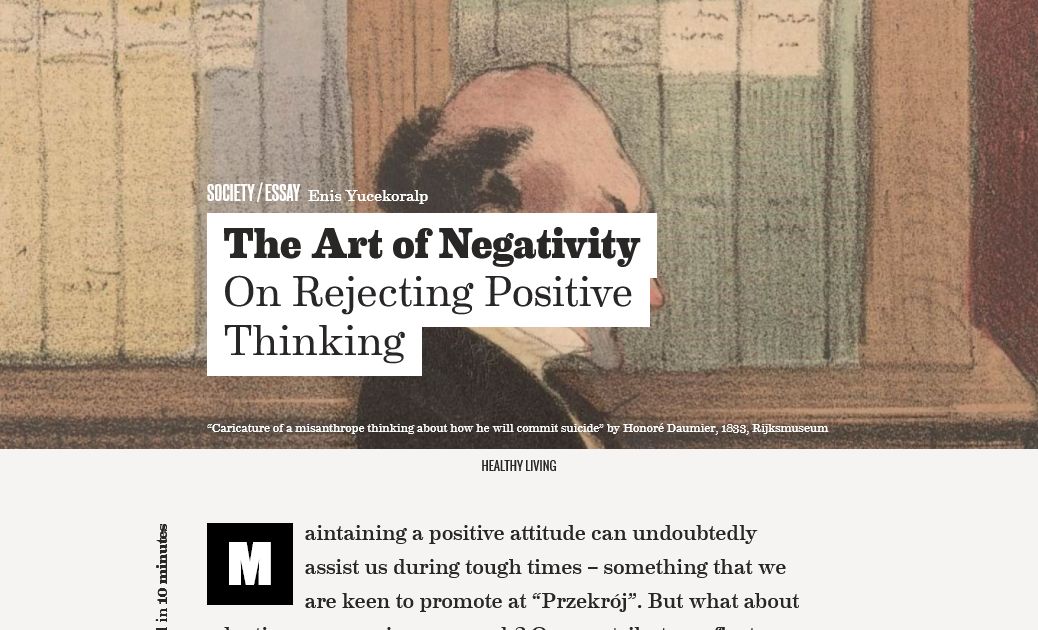
The concept of ‘positive thinking’ is ubiquitous throughout society – from socia… media to home décor. What then, of adopting an approach grounded in negativity?
The concept of ‘positive thinking’ is ubiquitous throughout society – from socia… media to home décor. What then, of adopting an approach grounded in negativity?

Anger is a fuel that’s dangerous when out of control. But managed well, it can energise you to identify and confront problems

Emotion classification, the means by which one may distinguish or contrast one emotion from another, is a contested issue in emotion research and in affective science. Researchers have approached the classification of emotions from one of two fundamental viewpoints:that emotions…

When we are feeling something, we don't really stop to define that emotion or think about the exact emotion that we are experiencing. We just feel and go through it; may it be sadness, anger or happiness. As human beings, we experience a plethora of feelings and emotions in our…

Could you make a list of all the emotions you feel in a day? Emotions play a fascinating

How well do you recognize and understand your emotions? What about the emotions of those around you?

Not only is ‘Je suis excité’ not the appropriate way to convey excitement in French, but there seems to be no real way to express it at all.
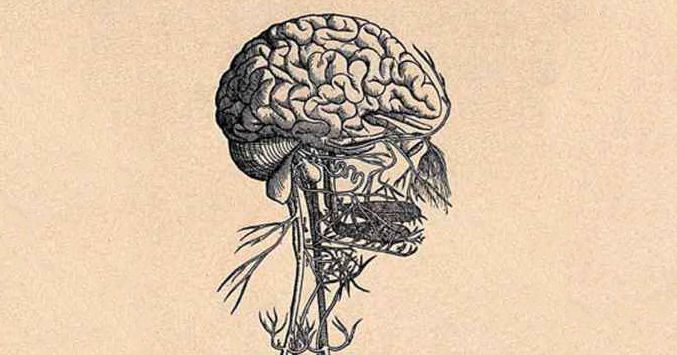
“Stimulating” it leads to calmness, but how and why?

One emotion inspired our greatest achievements in science, art and religion. We can manipulate it – but why do we have it?
Dr. Daniel Kahneman features on the latest Farnam Street podcast and it’s a surprising episode. Kahneman wrote Thinking Fast and Slow. I admire Kahneman a great deal. Not for his Nobel or for his work, which are both impressive, but for his humility. Some of the key tenets of…

Being ‘good’ need not take years of ethical analysis: just a few moments of gratitude can set you on the path to virtue

Look like you‘re trusting your gut and others will trust you.

Immanuel Kant held that moral education is hydraulic: shame squashes down our vices, making space for virtue to rise up

What happens when machines learn to manipulate us by faking our emotions? Judging by the rate at which researchers are developing human-like AI agents, we’re about to find out. Researchers around the world are trying to create more human-li
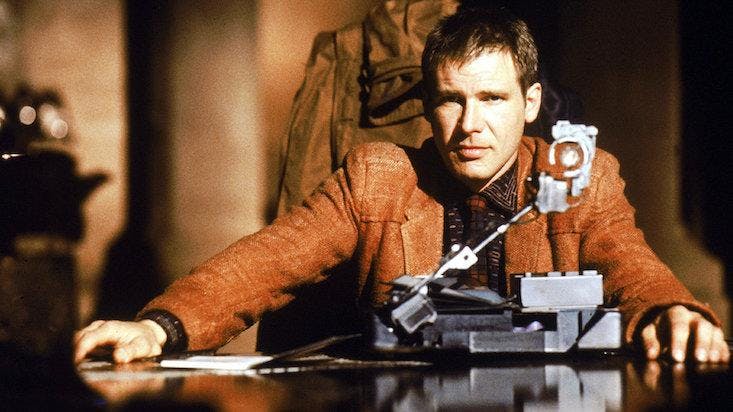
Is Rick Deckard a replicant, an advanced bioengineered being? The jury concerning the character in 1982’s Blade Runner is still out. Harrison Ford, who plays Deckard in the film, thinks he’s human. Ridley Scott, the film’s director, is adamant that he’s not.* Hampton Fancher…

The mysteries of consumer behavior, explained by ice cream and independent bookstores.
What makes people happy? A huge database is making it possible to discern the answer at last.

Brain injury does not always result in an undesirable personality change, finds Christian Jarrett.

Anger is temporary madness: to avoid the triggers, follow the Stoics’ advice and achieve a kind of serenity

Research is revealing the key to motivating empathy—and making it stick