Lagrange multipliers with visualizations and code | by Rohit Pandey | Towar
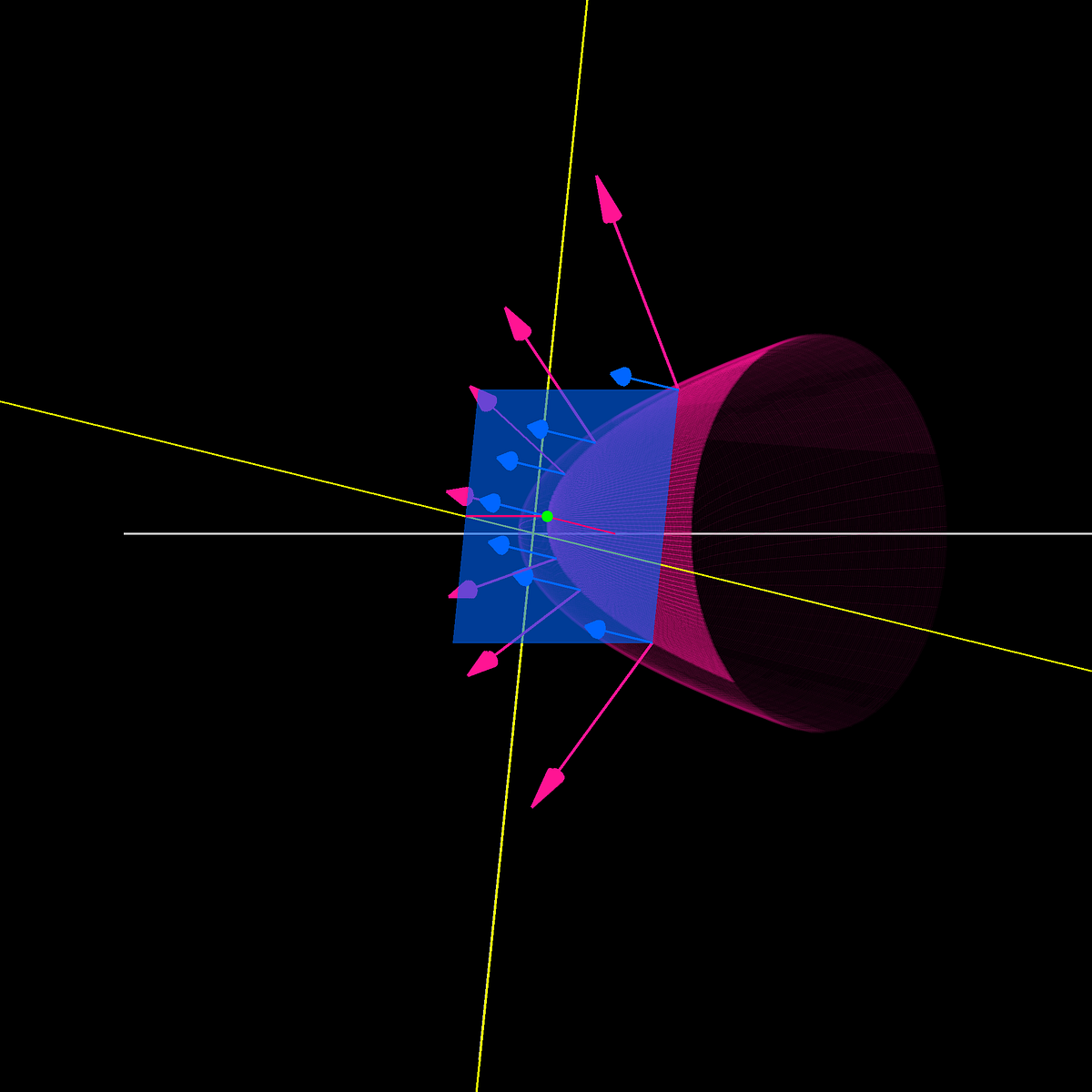
In this story, we’re going to take an aerial tour of optimization with Lagrange multipliers. When do we need them? Whenever we have an…
In this story, we’re going to take an aerial tour of optimization with Lagrange multipliers. When do we need them? Whenever we have an…
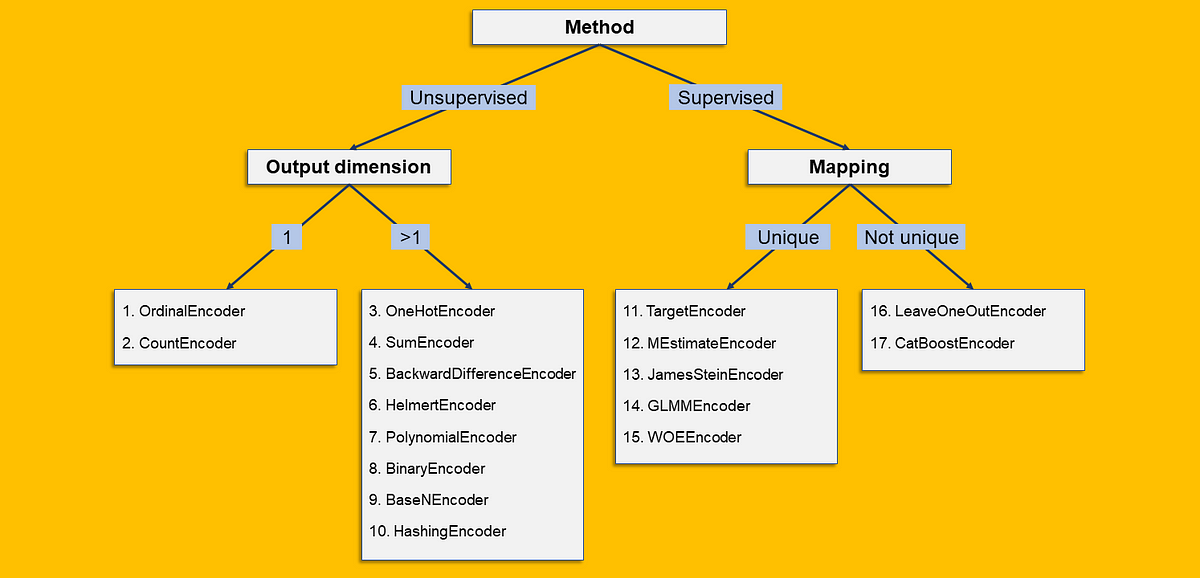
All the encodings that are worth knowing — from OrdinalEncoder to CatBoostEncoder — explained and coded from scratch in Python
**Zero-shot learning (ZSL)** is a model's ability to detect classes never seen during training. The condition is that the classes are not known during supervised learning. Earlier work in zero-shot learning use attributes in a two-step approach to infer unknown classes. In the…
**Few-Shot Learning** is an example of meta-learning, where a learner is trained on several related tasks, during the meta-training phase, so that it can generalize well to unseen (but related) tasks with just few examples, during the meta-testing phase. An effective approach to…
Quantifying the effects of varying different inputs, applied on a gemstone dataset with over 50K round-cut diamonds
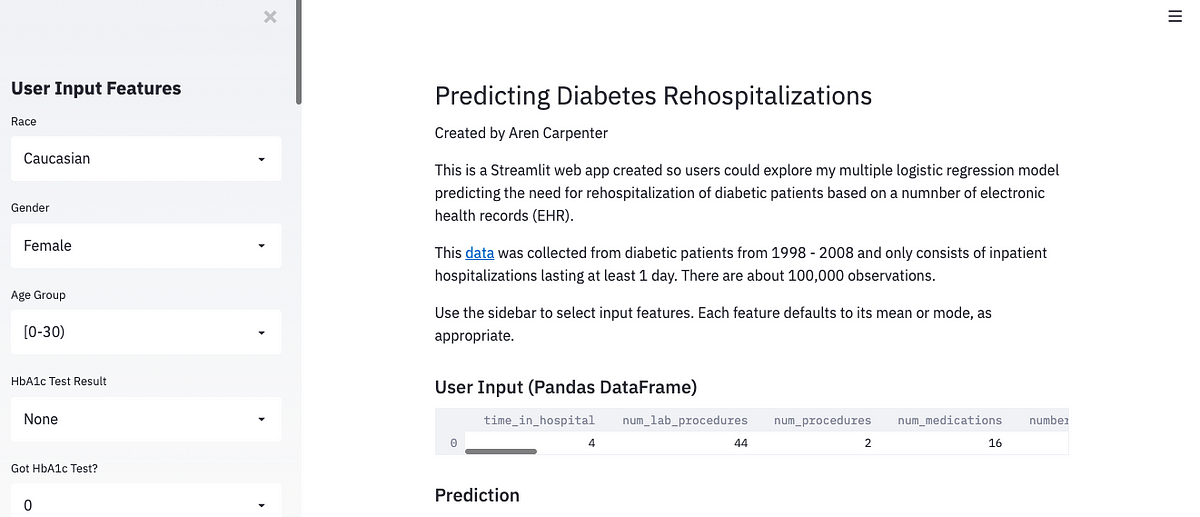
A Step-by-Step Guide to Host your Models!

Part one of a series on how we will measure discrepancies in Airbnb guest acceptance rates using anonymized perceived demographic data.
The sometimes confusing concepts involved in interpreting coronavirus testing
An intuitive visual explanation

A Log-Normal Distribution is a continuous probability distribution of a random variable whose logarithm is normally distributed.
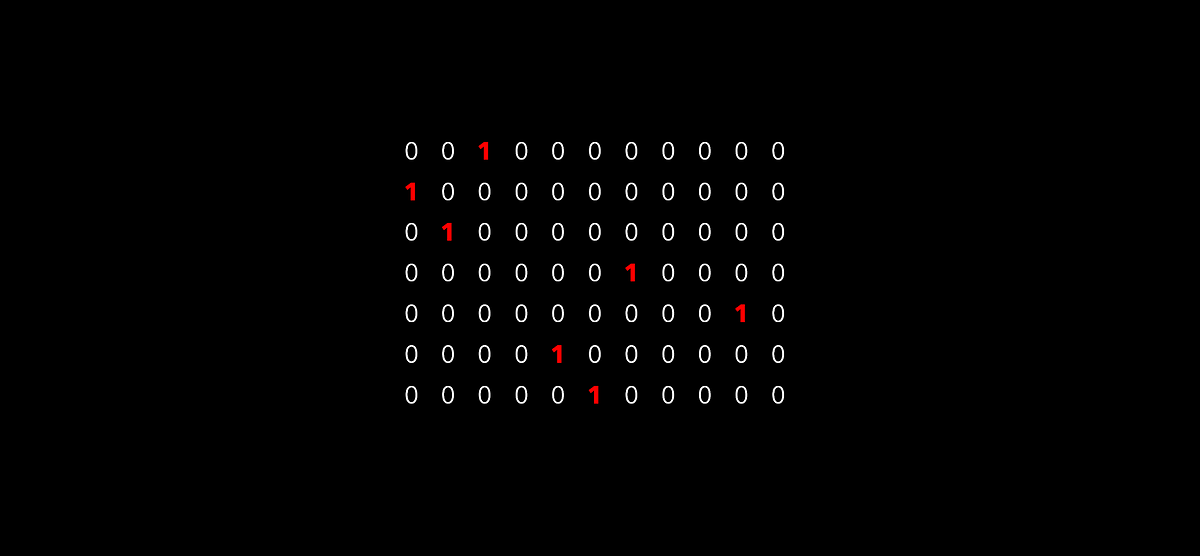
There are many better alternatives
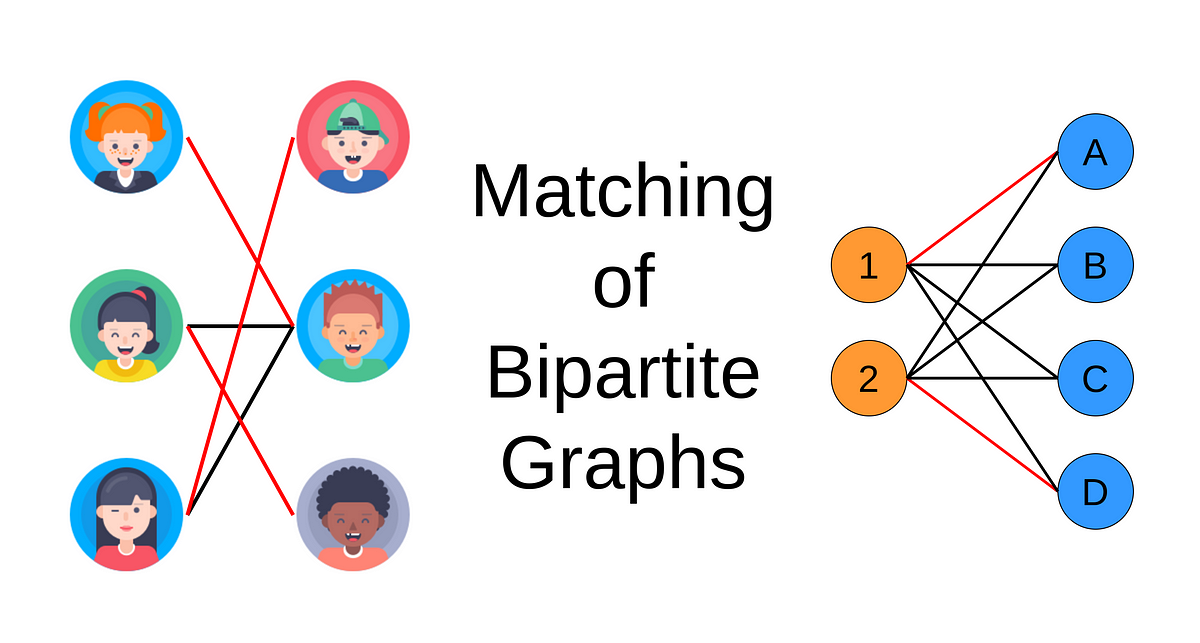
A simple introduction to matching in bipartite graphs with Python code examples

Scientists have developed an Artificial Intelligence (AI) system that recognises hand gestures by combining skin-like electronics with computer vision.
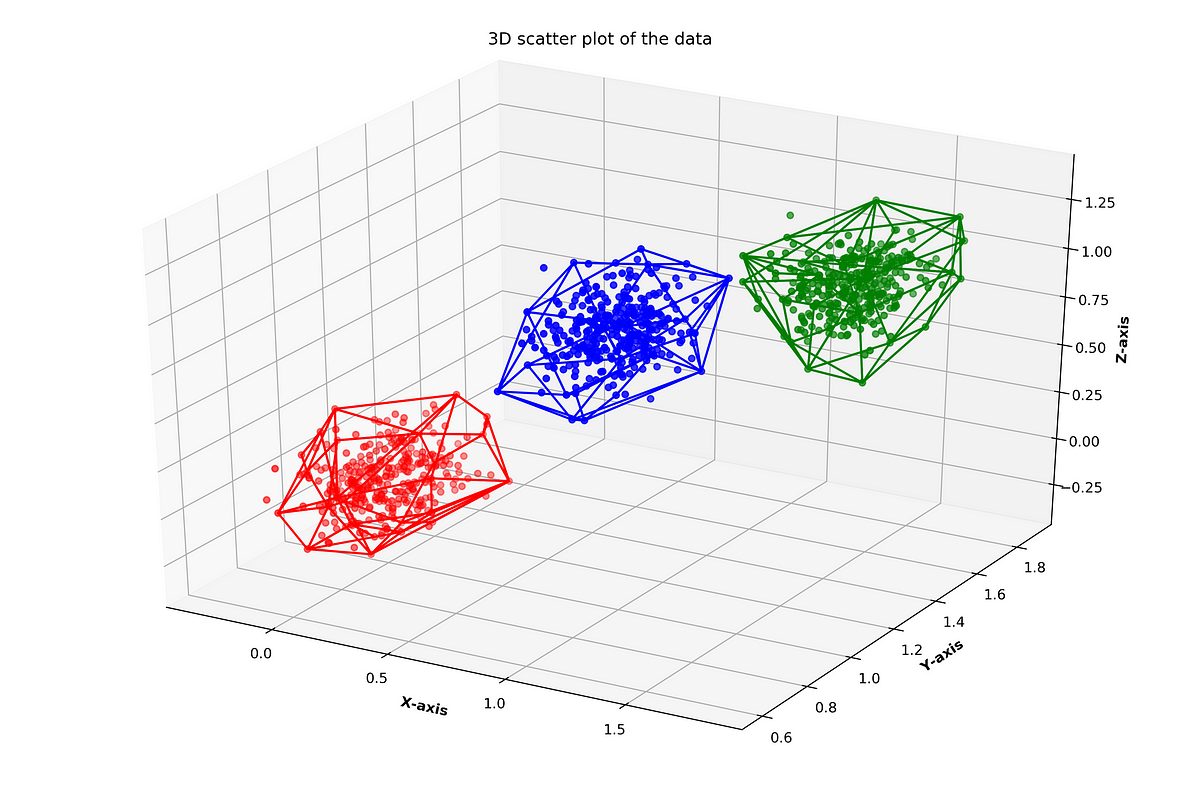
How to use convex hulls in data clustering
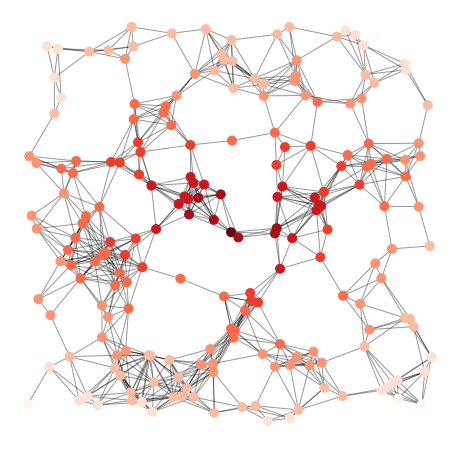
In the Deep Learning (DL) age, more and more people have encountered and used (knowingly or not) random matrices. Most of the time this…
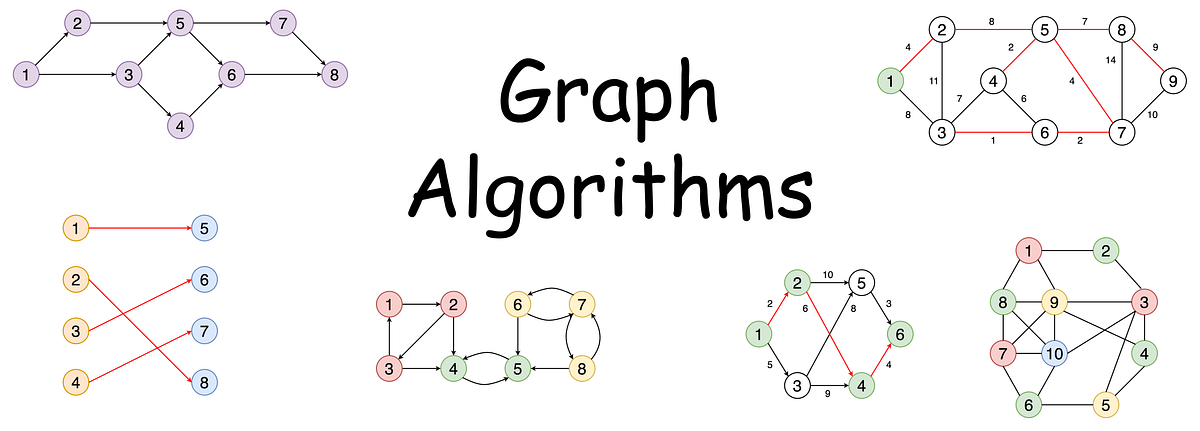
A quick introduction to 10 basic graph algorithms with examples and visualisations

Cheat Sheets for Machine Learning and Data Science
Peregrine: A Pattern-Aware Graph Mining System.
A Complete Pythonic Encoding Tutorial
Learn which of the 9 most prominent automatic speech recognition engines is best for your needs, and how to use it in Python programs.

Explained with examples
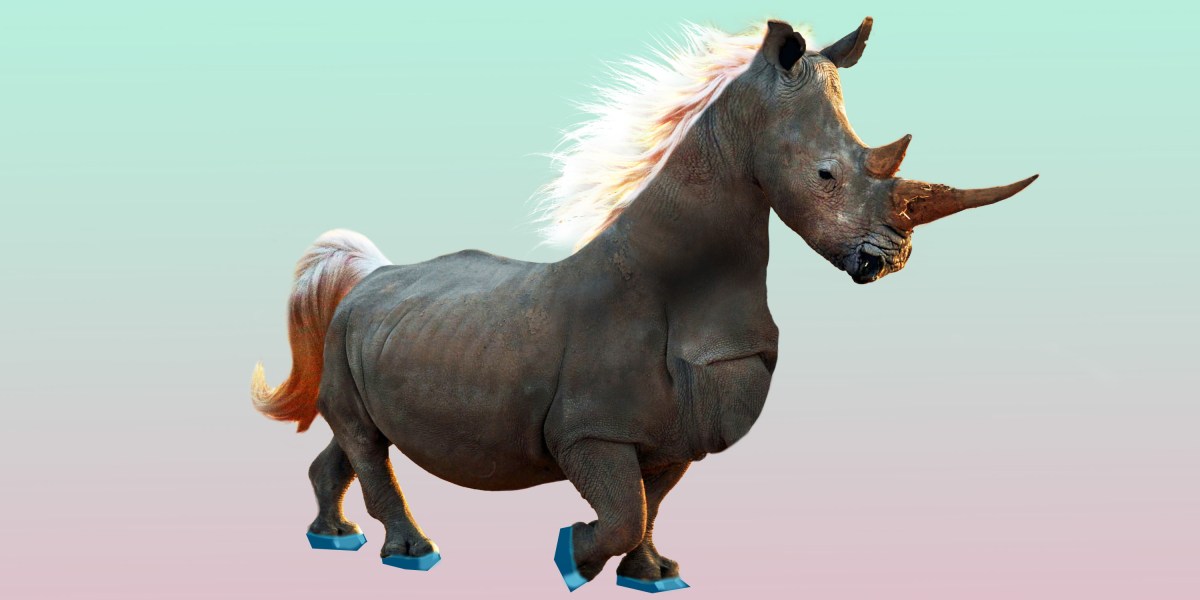
“Less than one”-shot learning can teach a model to identify more objects than the number of examples it is trained on.
Multi-Armed Bandits: Part 6
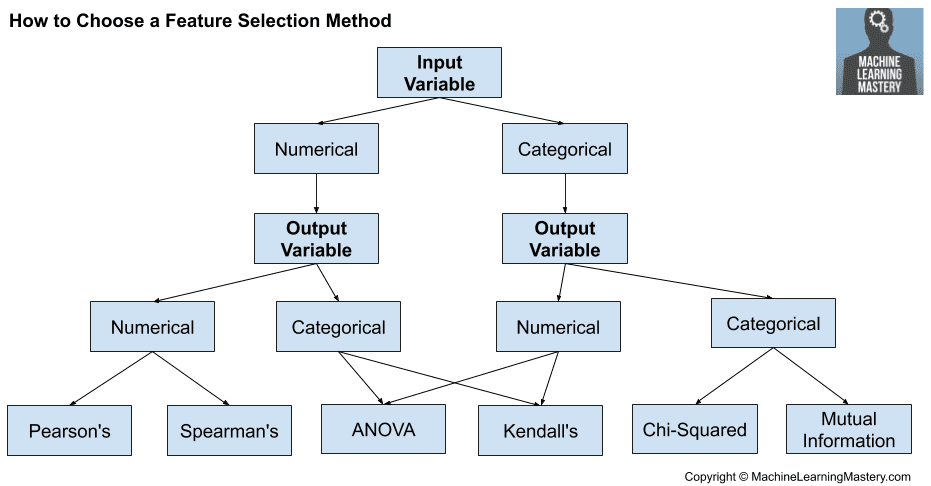
Feature selection is the process of reducing the number of input variables when developing a predictive model. It is desirable to reduce the number of input variables to both reduce the computational cost of modeling and, in some cases, to improve the performance of the model…
In this post, I am going to be talking about some of the most important graph algorithms you should know and how to implement them using Python.

An online book about collision detection using Processing.

An introduction to Data Cataloging and major tools that data teams can use for data discovery
The Adam optimization algorithm from definition to implementation
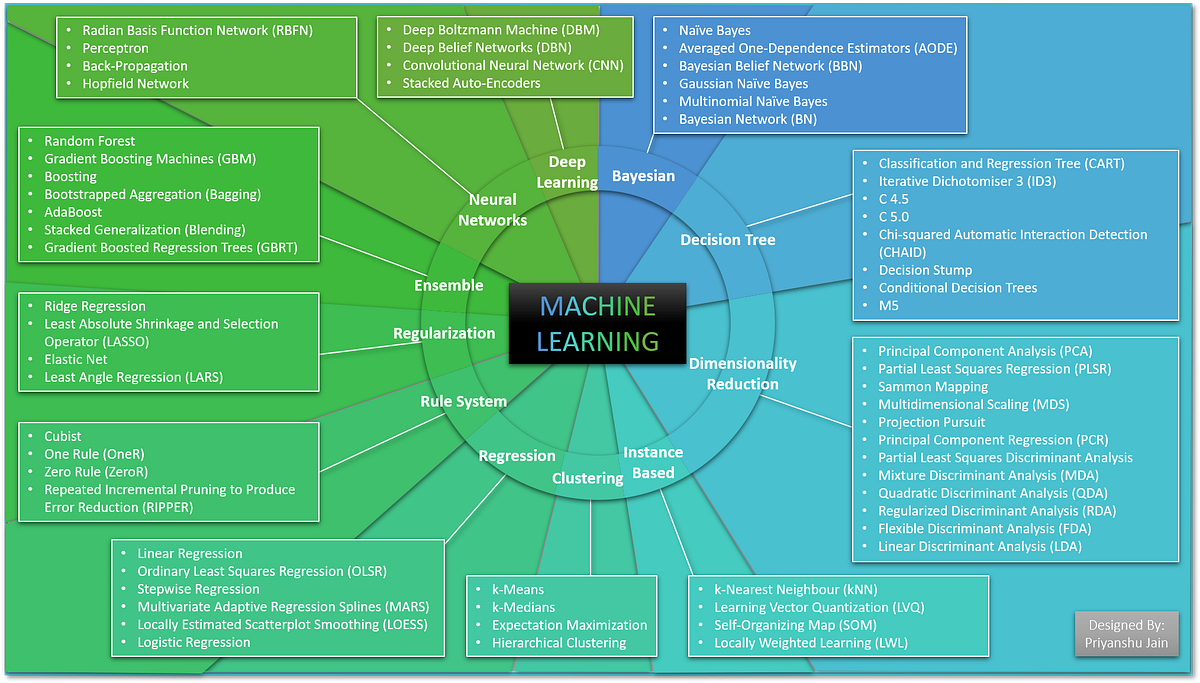
In this article I covered 63 Algorithms of Machine Learning in easy to understand manner for business professionals.

To Infinity and…Linear Algebra?!

New modeling approach increases accuracy of recommendations by an average of 7%.
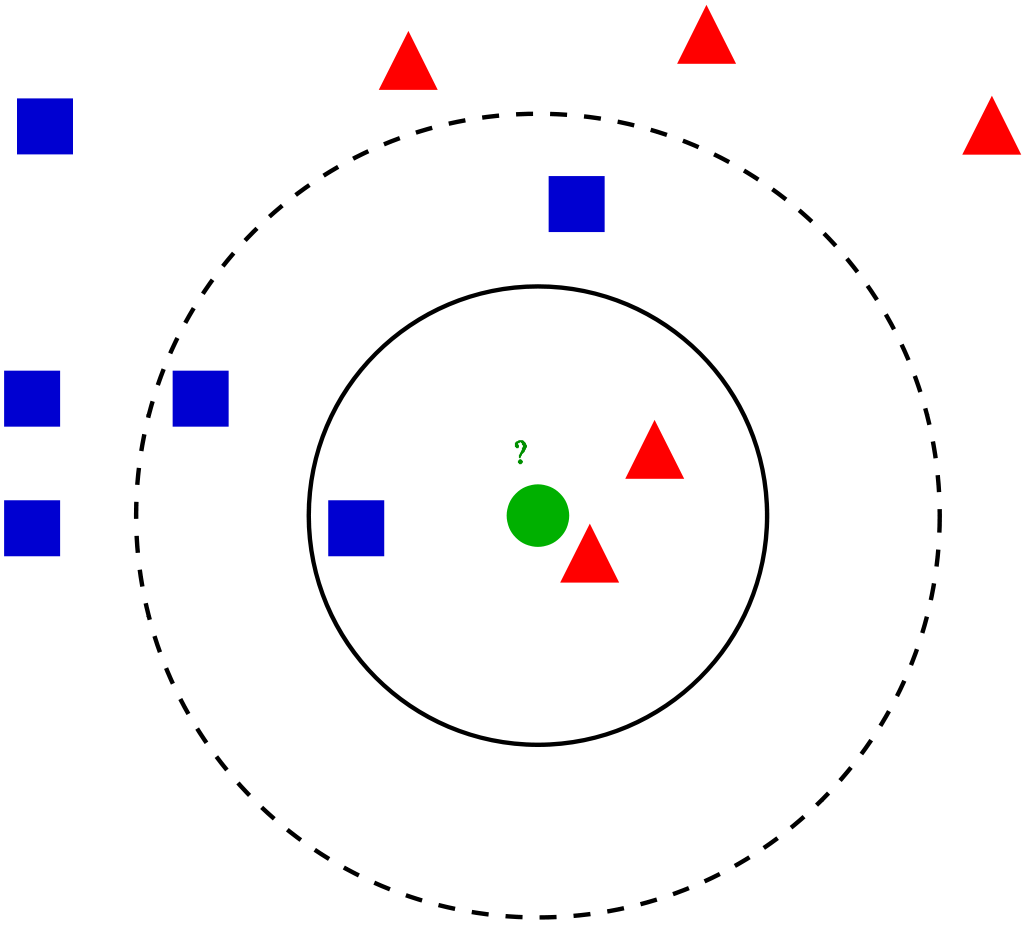
Using Facebook faiss library for REALLY fast kNN
Know your SMOTE ways to oversampled your data
A step-by-step guide to apply perspective transformation on images
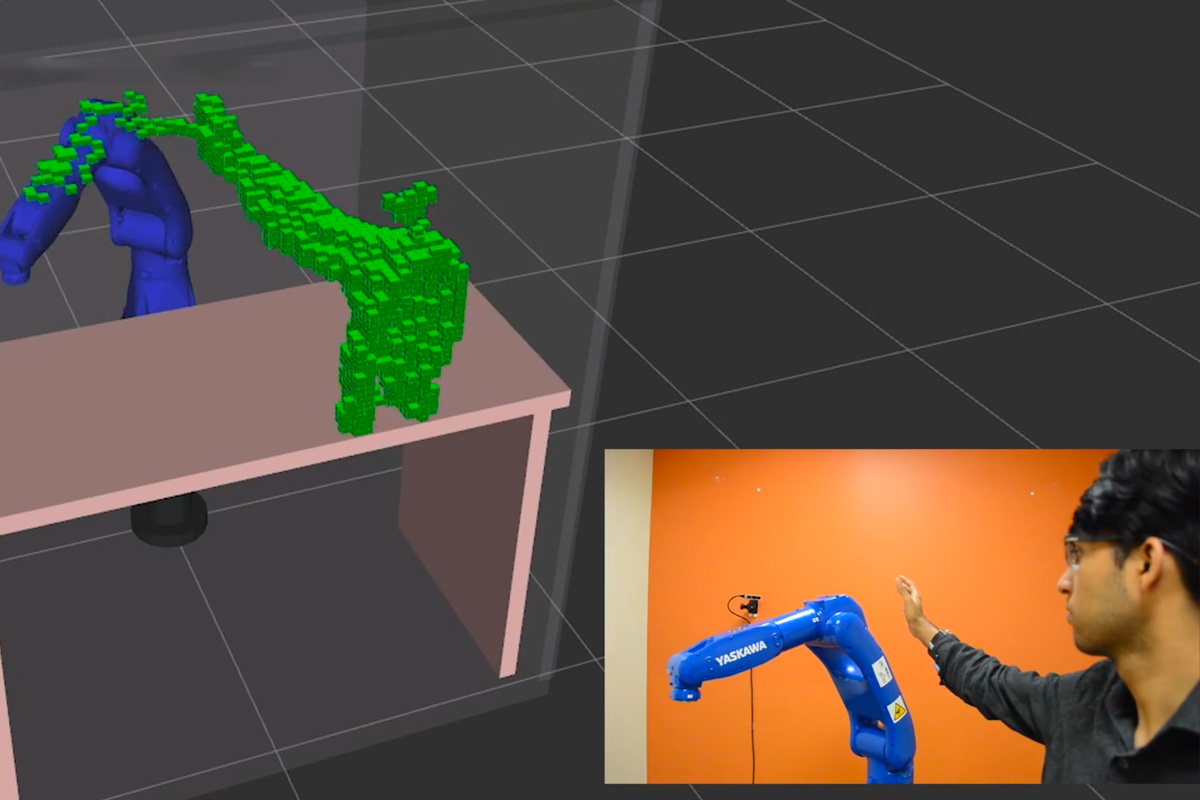
The startup Realtime Robotics, co-founded by former MIT postdoc George Konidaris, is helping robots solve the motion planning problem by giving them collision avoidance capabilities.
A value is worthless unless it tells you something.
Floating-point formats are not the most glamorous or (frankly) the important consideration when working with deep learning models: if your model isn’t working well, then your floating-point format certainly isn’t going to save you! However, past a certain point of model…
Small-bites data science
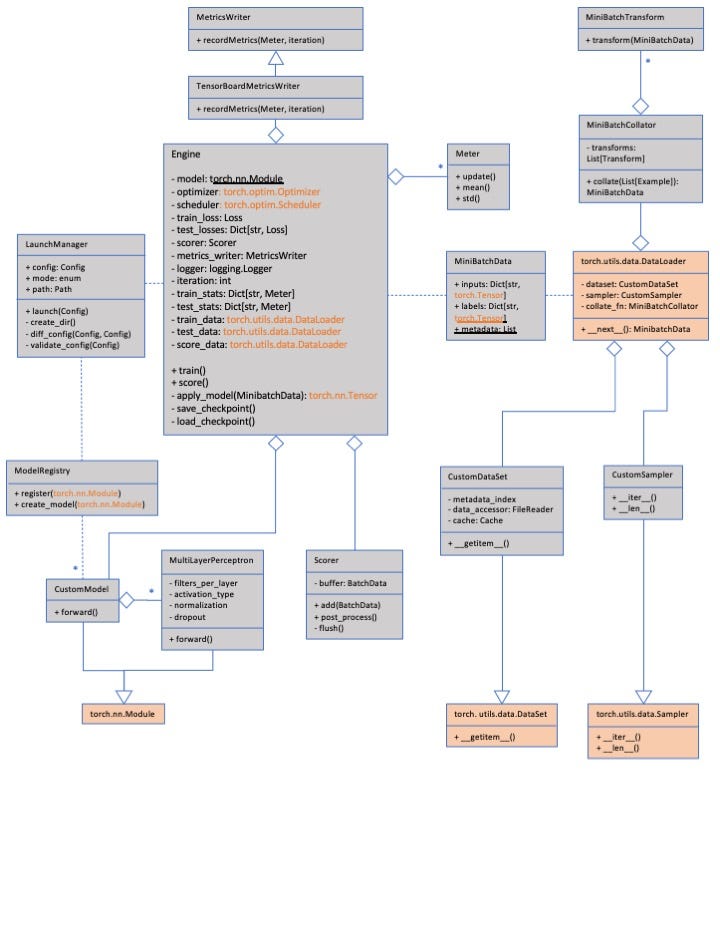
Some of our insights from developing a PyTorch framework for training and running deep learning models …

Jamie Robins and I have written a book that provides a cohesive presentation of concepts of, and methods for, causal inference. Much of this material is currently scattered across journals in sever…
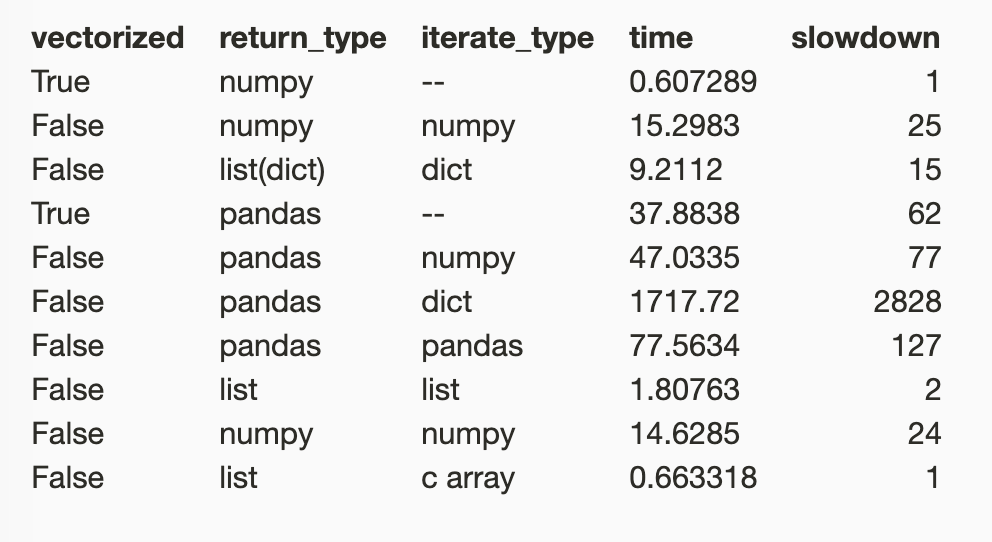
I come from the world of MATLAB and numerical computing, where for loops are shorn and vectors are king. During my PhD at UVM, Professor…
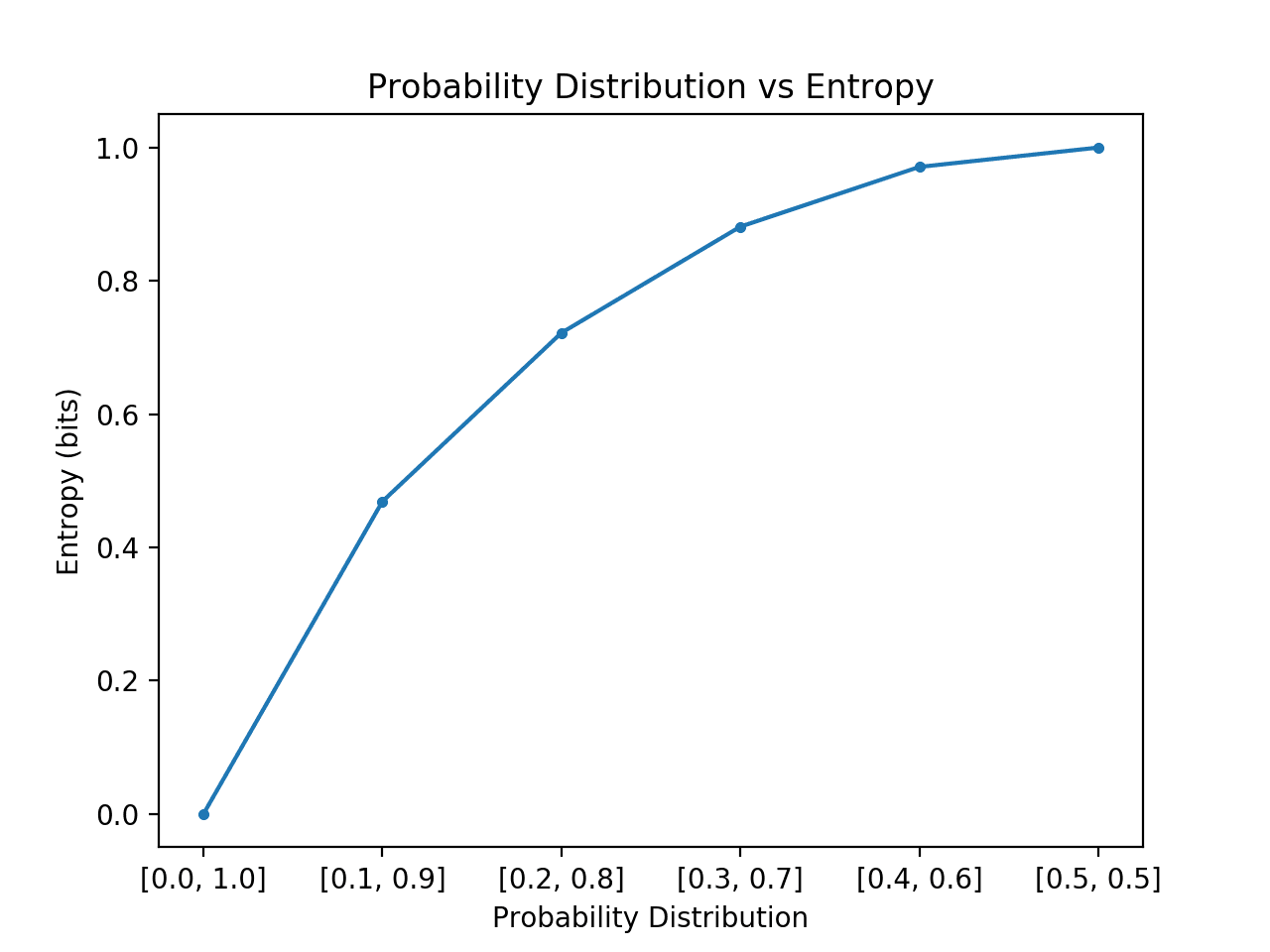
Information theory is a subfield of mathematics concerned with transmitting data across a noisy channel. A cornerstone of information theory is the idea of quantifying how much information there is in a message. More generally, this can be used to quantify the information in an…
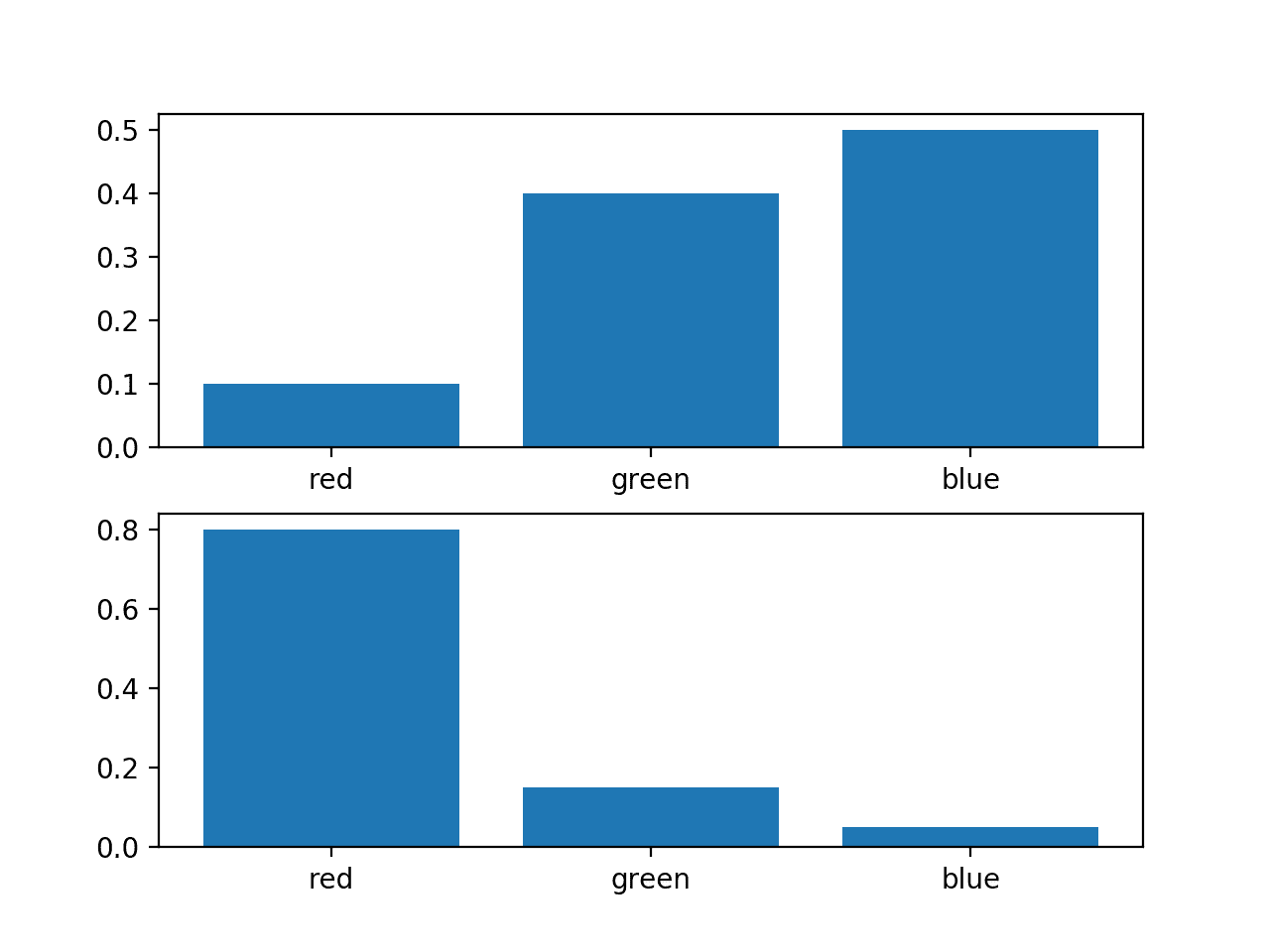
It is often desirable to quantify the difference between probability distributions for a given random variable. This occurs frequently in machine learning, when we may be interested in calculating the difference between an actual and observed probability distribution. This can…
In mathematical statistics, the Kullback–Leibler (KL) divergence (also called relative entropy and I-divergence[1]), denoted D KL ( P ∥ Q ) {\displaystyle D_{\text{KL}}(P\parallel Q)} , is a type of statistical distance: a measure of how one reference probability…
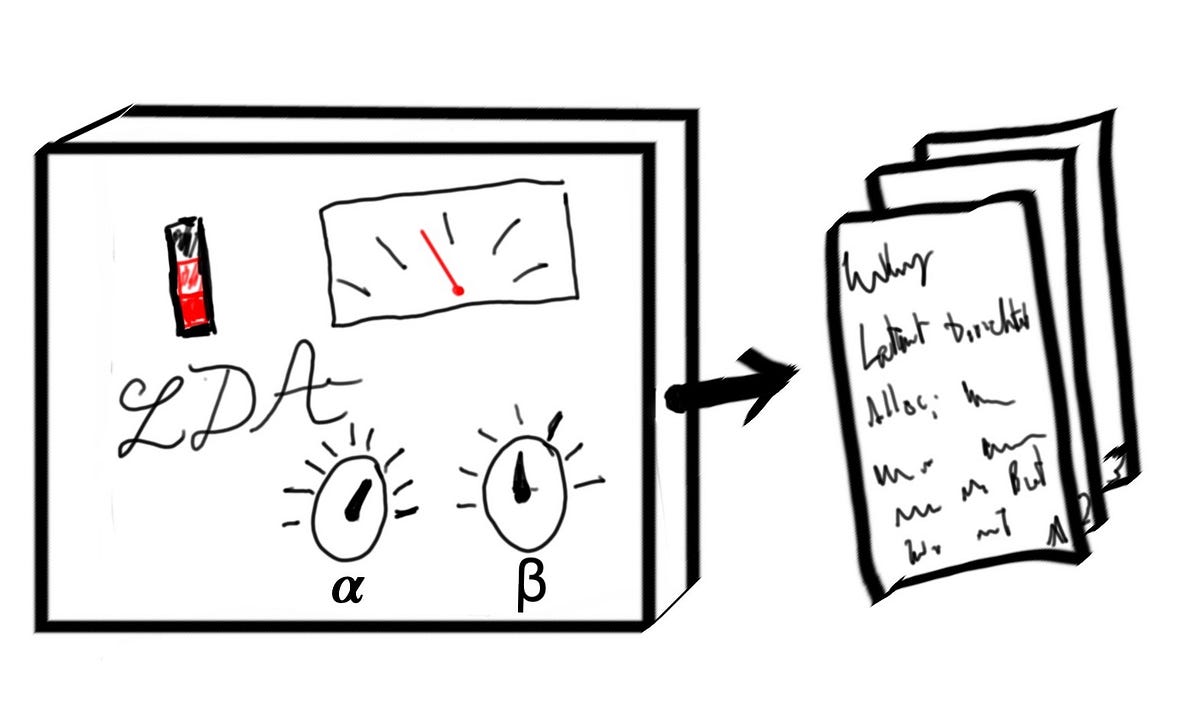
A tour of one of the most popular topic modelling techniques and a guide to implementing and visualising it using pyLDAvis

An Intuitive Explanation and Exploration
Tune your Machine Learning models with open-source optimization libraries
Squaring the Earth