Opinion | The Unlikely Recovery of America’s China-Shocked Towns

The jobs are coming back, despite President Trump’s tariffs and harsh immigration enforcement.
The jobs are coming back, despite President Trump’s tariffs and harsh immigration enforcement.

Interest in nuclear power has surged recently as policymakers realize that managing electric grids dominated by intermittent renewable sources is far more technically and economically challenging than initially anticipated.
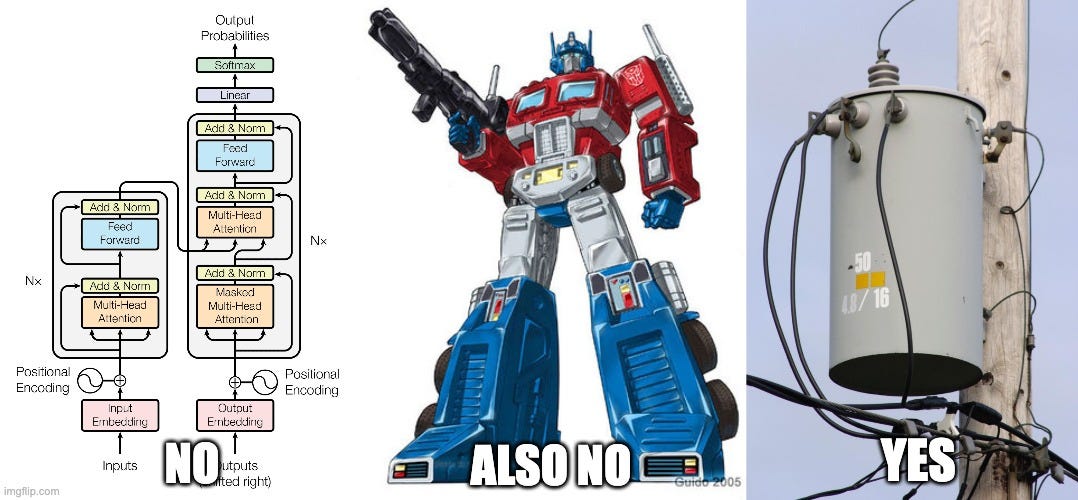
And the long slouch towards cyberpunk

Indian companies have sent more than 320 million synthetic opioid pills to West Africa – where they have not been approved by regulators – in three years.

There is a closing window to stop Waymos from creating omnigridlock.

What makes small town healthcare different

An underrated strategy for urbanist persuasion, powered by open source tools

Operation Breakthrough, a 1970s federal moonshot to build 26 million homes using advanced manufacturing methods, has lessons for today’s abundance movement.

Cannabis officials courted a rising pot star to join New York’s legal market. Then a stunning police raid upended everything and shattered her family.
Over the course of 2025, the average tariff rate on U.S. imports increased from 2.6 to 13 percent. In this blog post, we ask how much of the tariffs were paid by the U.S., using import data through November 2025. We find that nearly 90 percent of the tariffs’ economic burden…

Land Report 100 Explore the 2025 Top 100 U.S. Landowners. View Top 100 Presented by: Land Report 100 Explore the 2025 Top 100 U.S. Landowners. View Top 100 Presented by: Land Report 100 Who is America's Largest Landowner? This question is the quest

They are draining the economic potential of our cities. We need to make them financially unsustainable.
Removing them can turn a service people tolerate into one they’re happy to use.
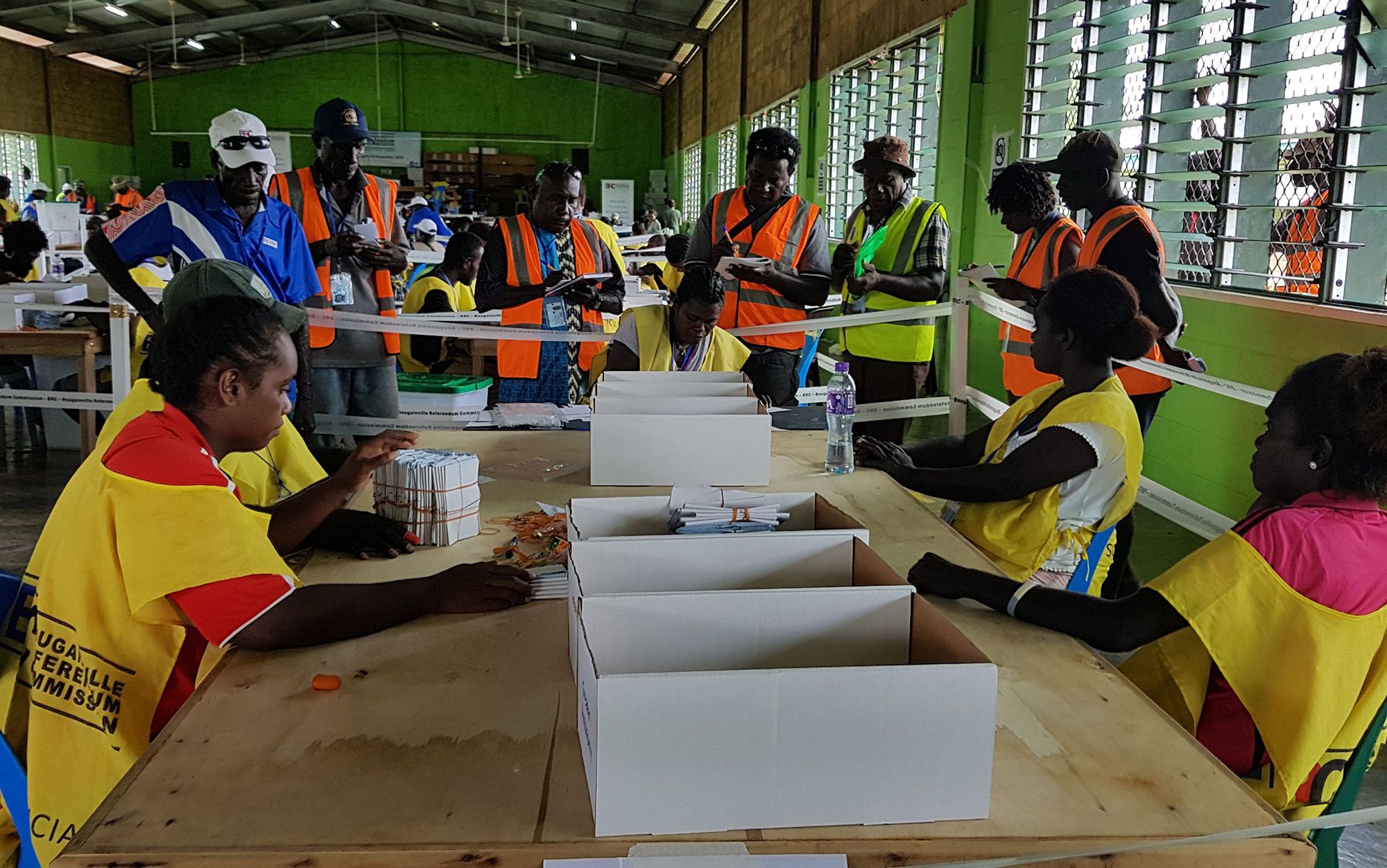
Buka Town in Bougainville shows how bureaucratic states could be reimagined, not as concrete buildings but as living gardens

Competition makes capitalism work. A new method for measuring it may be the holy grail of economic regulation.
For one thing, looking at concentration at a national level can obscure what’s going on at the local level.
Even when concentration does rise, it’s not always bad for competition.

In the early 1980s, in Tucson, activists and religious leaders joined forces to protect refugees at the U.S.-Mexico border. Their collaboration galvanized the Sanctuary Movement.
In the 1930s, private utilities balked at the task of bringing electricity to rural America. A New Deal agency figured out how to do it more quickly and more cheaply than anyone expected.

A threat on a school bus from an alienated young man united dozens of agencies to answer a single question: Is it possible to stop potential mass shooters before they commit a crime?

The major decline in city fires, explained in two charts.

We disinfect water before we drink it. Why don’t we disinfect the air before we breathe it?

America's largest non-profit had a broken distribution system. University of Chicago economists fixed it.
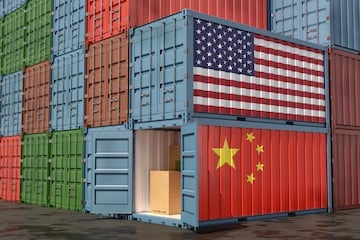
What began as a convenience rule in the 1930s grew into a key component of global ecommerce.

The only way out of our wreckage is to rewrite the cultural script, to make excellence in character admired again.

Evidence for the impact of Trump’s trade war has shown up at the popular China-founded online retailer.

On February 14, 2025, the Vice President of the United States, J.D. Vance, accused European countries of being too restrictive in their approach to freedom of speech at the Security Conference in Munich. The message: the United States should be taken as an example, especially…

London’s Highgate Cemetery shows us just how hard it is to keep the dead buried.

Earlier this month I came across the following graphic, originally posted on Reddit in 2022, showing the state of housing affordability in the US.

Japan faced some of the world’s toughest planning problems. It solved them by letting homeowners redesign neighborhoods together.

Monroe County has three new bus routes operated by the Mountain Transit Authority as a result of grassroots organizing efforts.
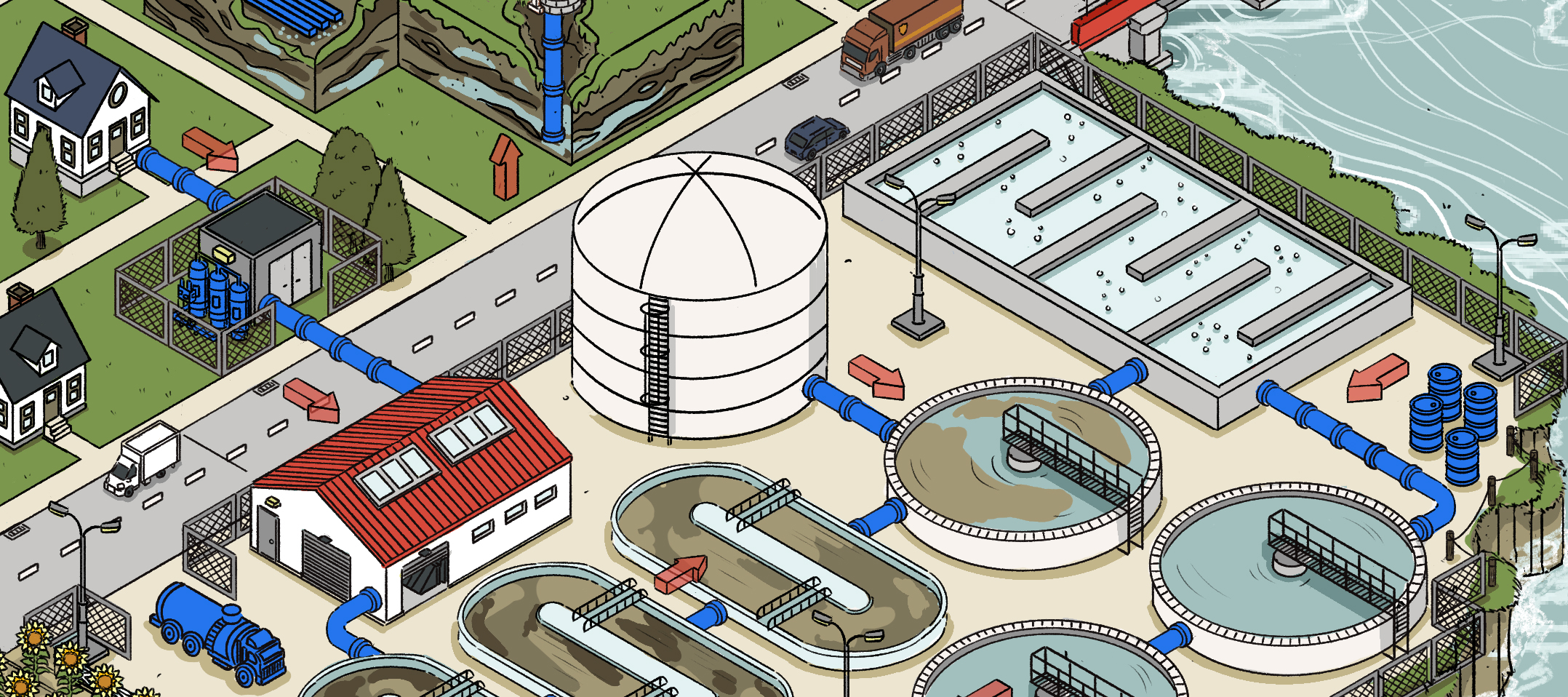
We know how to produce clean water. Why don't we have enough of it?
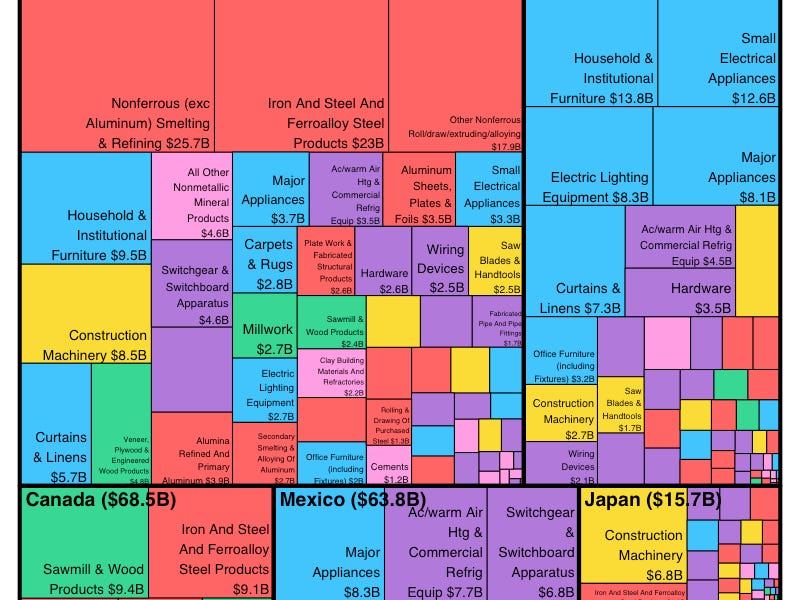
Earlier this month the Trump administration announced hefty 25% tariffs on Canadian and Mexican imports, along with an additional 10% tariffs on Chinese imports.

The U.S. was once the world’s most geographically mobile society. Now we’re stuck in place—and that’s a very big problem.

Let politicians know what you want.
I’m already looking to buy an EV.

Volunteers, not FEMA, are the bedrock of disaster response. How do we best support them?

How AI Could Transform the World for the Better

Minor-party candidates are a waste of time. But minor parties that can cross-endorse major-party candidates have real juice—and can make a huge difference.

The House Energy and Commerce Committee is holding a hearing tomorrow on “sunsetting” Section 230. Despite facing criticism, Section 230 has undeniably been a cornerstone in the architect…

Datacenter GPUs and some consumer cards now exceed performance limits

Beijing will be thrilled by this nerfed silicon

Ten states have uninsured rates below 5 percent. What are they doing right?

As of now, the West Virginia Department of Education boasts that the state has one of the most effective school-entry vaccine preventable laws in the nation.
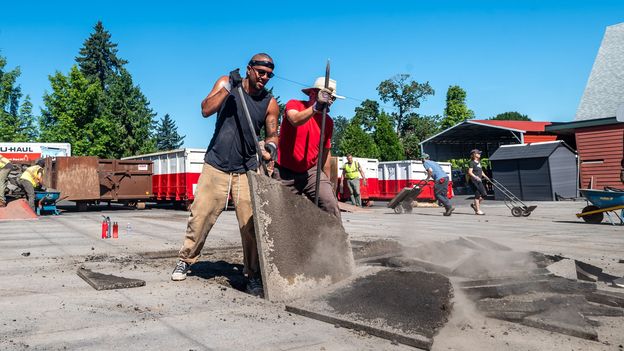
From Australia to Ontario, cities are taking up unnecessary stretches of concrete and asphalt, allowing nature to take hold in their place.
These days, when you work as a librarian in America, there is no lack of emergencies.

Ranked-choice voting could be on the November ballot in four states, a sign of the system’s rising popularity. Most conservatives have opposed it. But some say that could be changing.
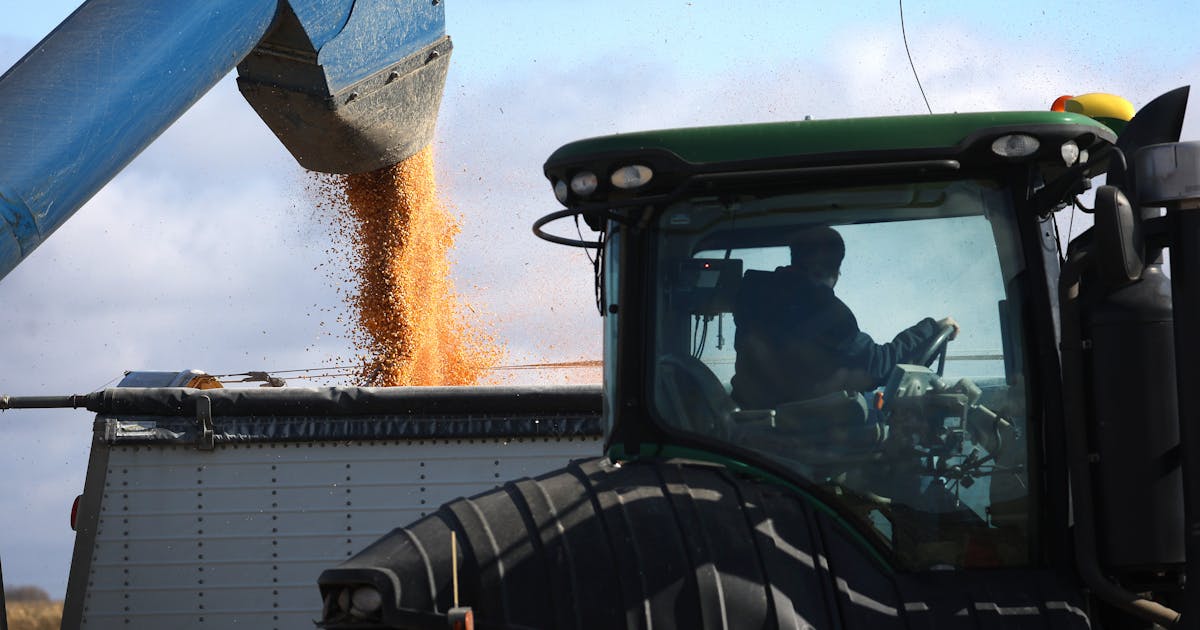
Ethanol is a comically inefficient form of solar energy—and a toxic one. Putting regular solar panels on some of that land would be better.