Python String Processing Primer
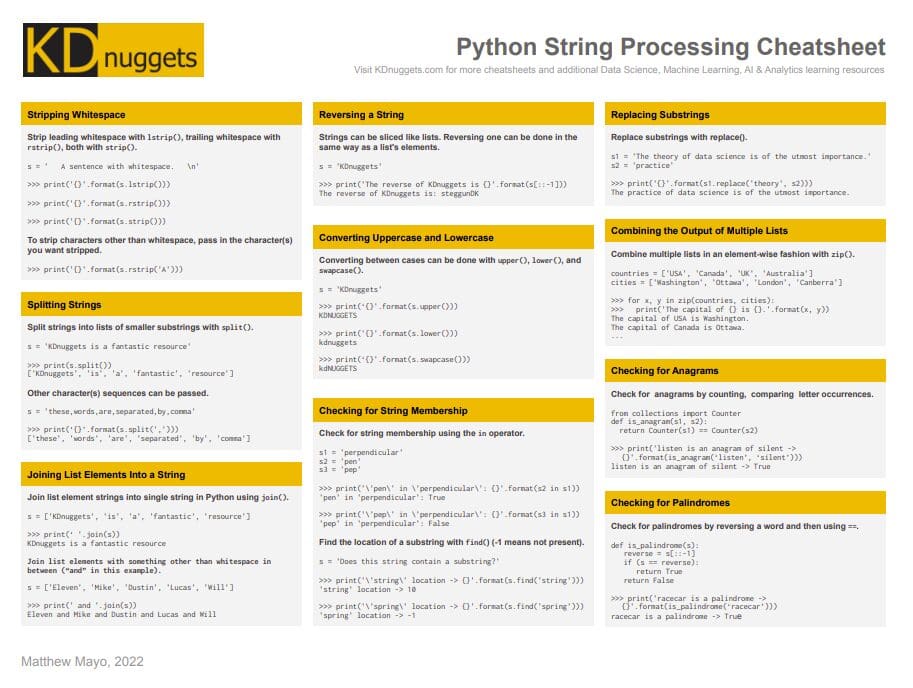
Try this string processing primer cheatsheet to gain an understanding of using Python to manipulate and process strings at a basic level.
Try this string processing primer cheatsheet to gain an understanding of using Python to manipulate and process strings at a basic level.
We show how to build intuitive and useful pipelines with Pandas DataFrame using a wonderful little library called pdpipe.
Check out this collection of 10 Python snippets that can be taken as a reference for your daily work.
Python haters always say, that one of reasons they don't want to use it, is that it's slow. Well, whether specific program - regardle...
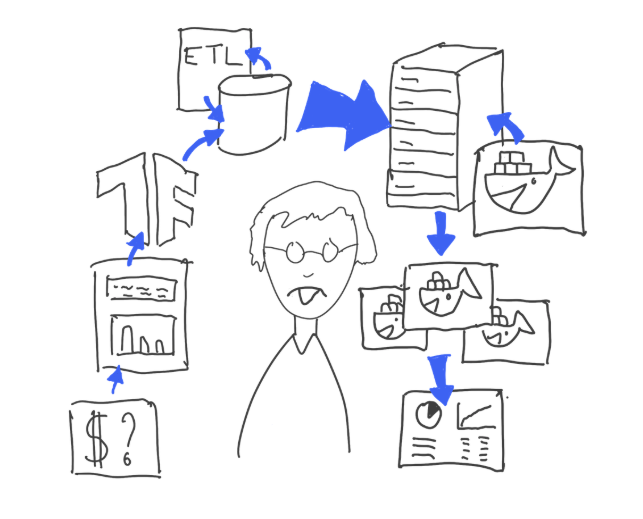
Spend more time modeling, and less time managing infrastructures. A hands-on tutorial.

Nature Methods - This Perspective describes the development and capabilities of SciPy 1.0, an open source scientific computing library for the Python programming language.
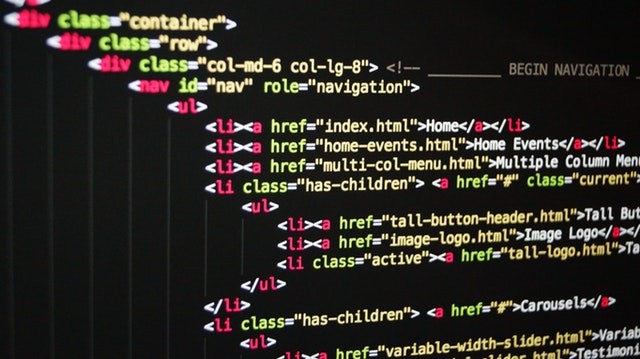
A tutorial about a HTML parser for Python 3. Learn about the basic of a library for easily parsing web pages and extracting useful information.
Dive deep into OCR with Tesseract, including Pytesseract integration, training with custom data, limitations, and comparisons with enterprise solutions.
Brush up on your Python basics with this post on creating, using, and manipulating tuples.
While Pandas is the library for data processing in Python, it isn't really built for speed. Learn more about the new library, Modin, developed to distribute Pandas' computation to speedup your data prep.
You can process data that doesn’t fit in memory by using four basic techniques: spending money, compression, chunking, and indexing.
In this post, learn how to extend Scikit-learn code to make your experiments easier to maintain and reproduce.
The pandas library offers core functionality when preparing your data using Python. But, many don't go beyond the basics, so learn about these lesser-known advanced methods that will make handling your data easier and cleaner.
On the Linux command line it is fairly easy to use the perf command to measure number of floating point operations (or other performance metrics). (See for example this old blog post ) with this approach it is not easy to get a fine grained view of how different stages of…
Editor, Raymond Hettinger,. This article explains the new features in Python 3.8, compared to 3.7. Python 3.8 was released on October 14, 2019. For full details, see the changelog. Summary – Releas...

Introduction In the last year or two I have worked on and off on making PyPy's JSON faster, particularly when parsing large JSON files. I...
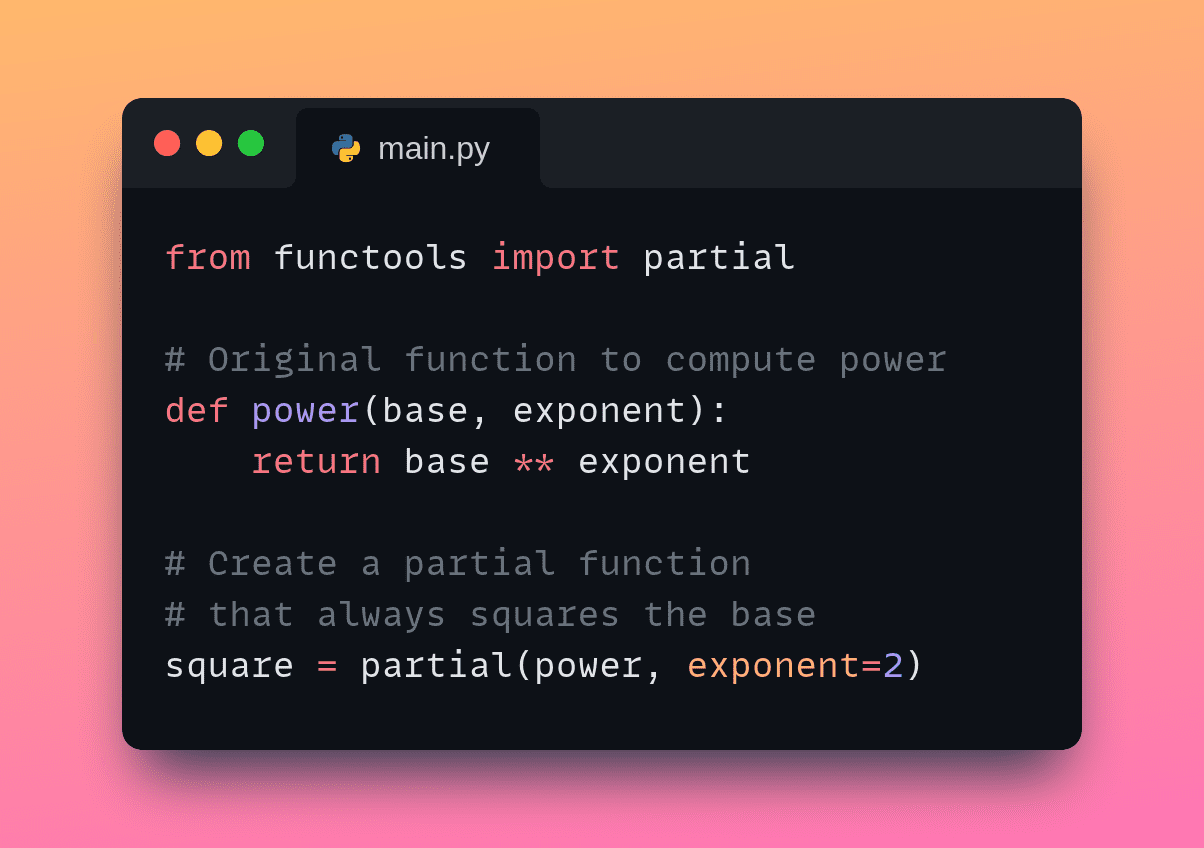
Learn how to simplify your Python code using partial functions to create more flexible, reusable, and concise function calls
This tutorial will give you a firm grasp of Python’s approach to async IO, which is a concurrent programming design that has received dedicated support in Python, evolving rapidly from Python 3.4 through 3.7 (and probably beyond).
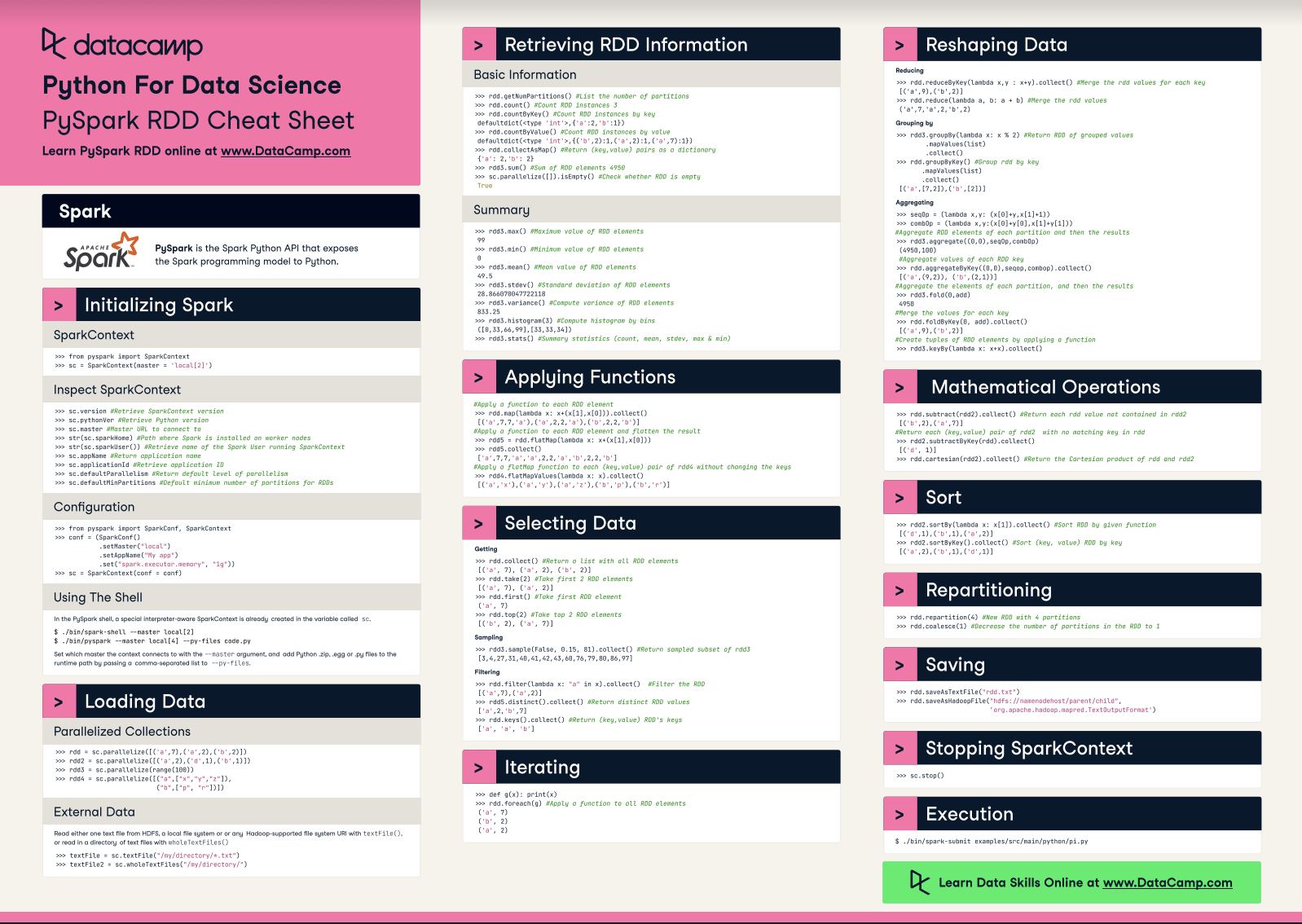
This PySpark cheat sheet with code samples covers the basics like initializing Spark in Python, loading data, sorting, and repartitioning.
Using ARIMA model, you can forecast a time series using the series past values. In this post, we build an optimal ARIMA model from scratch and extend it to Seasonal ARIMA (SARIMA) and SARIMAX models. You will also see how to build autoarima models in python
By Pythonistas at Netflix, coordinated by Amjith Ramanujam and edited by Ellen Livengood

This post is a part of my series on Python Shorts. Some tips on how to use python. This post is about using the computing power we have at hand and applying it to the data structure we use most.

Did you know you can write functions in C and then call them directly from Python? Isn't that cool? L...
A Python Library for Outlier and Anomaly Detection, Integrating Classical and Deep Learning Techniques - yzhao062/pyod
This article lists some curated tips for working with Python and Jupyter Notebooks, covering topics such as easily profiling data, formatting code and output, debugging, and more. Hopefully you can find something useful within.
Build software that combines Python’s expressivity with the performance and control of C (and C++). It’s possible with Cython, the compiler and hybrid programming language used by foundational packages such … - Selection from Cython [Book]

In recent years REST (REpresentational State Transfer) has emerged as the standard architectural design for web services and web APIs.In this article I'm going to show you how easy it is to create a…

Something a lot of beginners struggle with is the concept of passing data between different programmi...
Bokeh is a Python library for creating interactive visualizations for modern web browsers. It helps you build beautiful graphics, ranging from simple plots to complex dashboards with streaming data...
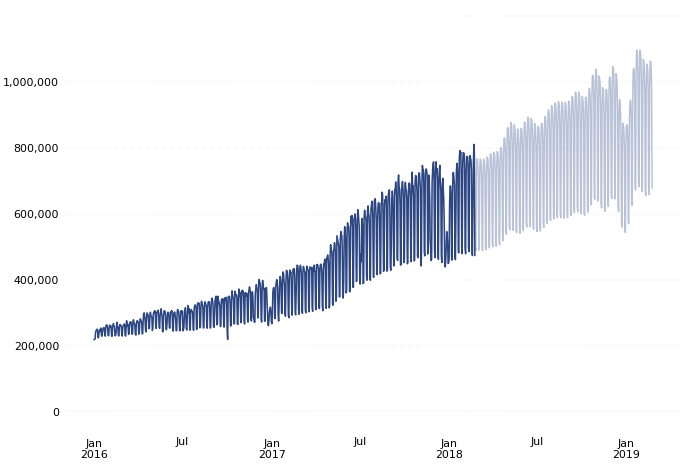
A guided walkthrough of how to use the Prophet python library to solve a common forecasting problem.
Create Reactive Web Apps in pure Python

Quick-reference guide to the 17 statistical hypothesis tests that you need in applied machine learning, with sample code in Python. Although there are hundreds of statistical hypothesis tests that you could use, there is only a small subset that you may need to use in a machine…

When I discovered Python’s new pathlib module a few years ago, I initially wrote it off as being a slightly more awkward and unnecessarily …

Profiling Python applications using Pyflame
Here are the top 15 Python libraries across Data Science, Data Visualization. Deep Learning, and Machine Learning.
Anaconda is the birthplace of Python data science. We are a movement of data scientists, data-driven enterprises, and open source communities.
Simplified python article discovery & extraction.
Learn how these 12 dimensionality reduction techniques can help you extract valuable patterns and insights from high-dimensional datasets.
By Peter Gleeson Python is one of the world’s most popular, in-demand programming languages. This is for many reasons: it’s easy to learn it’s super versatile it has a huge range of modules and libraries I use Python daily as an integral part of my...
A context-preserving word cloud generator.

Recently I’ve started using PyMC3 for Bayesian modelling, and it’s an amazing piece of software! The API only exposes as much of heavy machinery of MCMC as you need — by which I mean, just the pm.sample() method (a.k.a., as Thomas Wiecki puts it, the Magic Inference Button™)…

Using the FeatureSelector for efficient machine learning workflows

Using mlxtend to perform market basket analysis on online retail data set.