RecSys Series Part 5: Neural Matrix Factorization for Collaborative Filteri
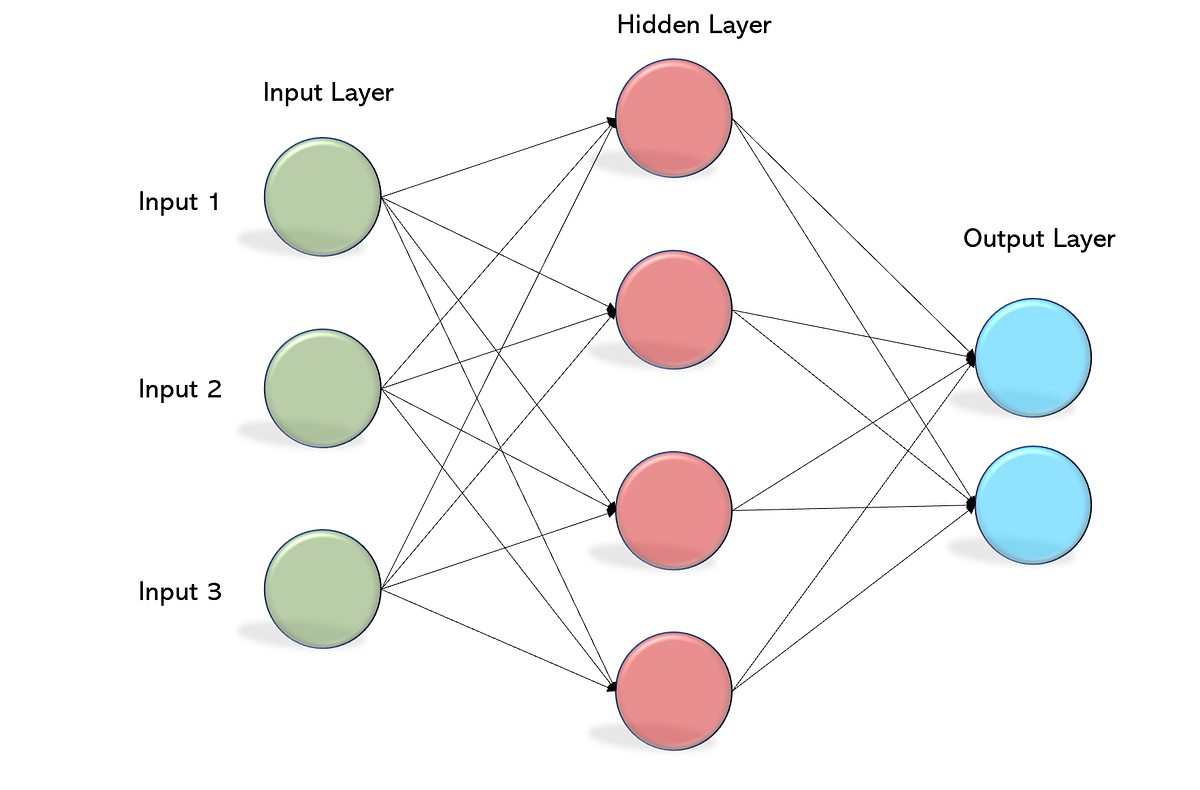
Bringing Neural Architecture into Recommendations
Bringing Neural Architecture into Recommendations
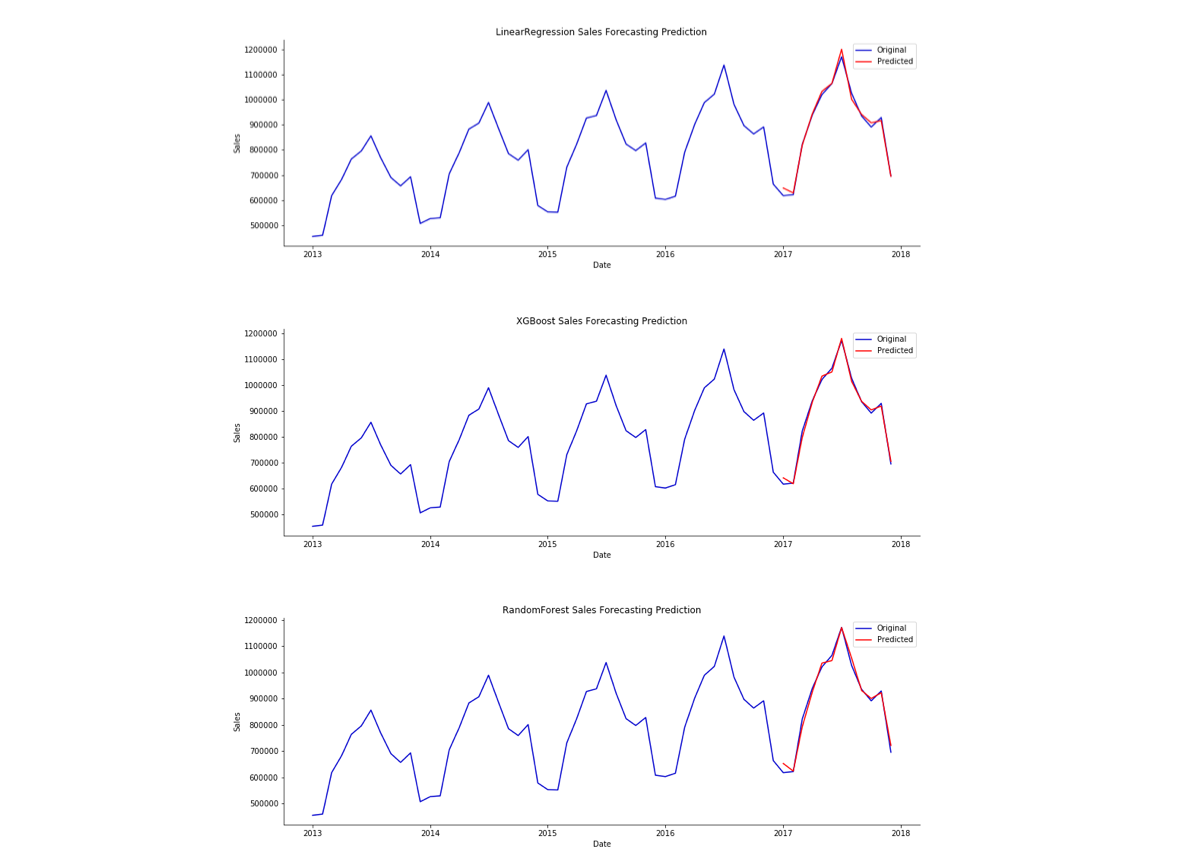
Comparing Linear Regression, Random Forest Regression, XGBoost, LSTMs, and ARIMA Time Series Forecasting
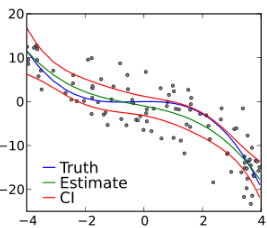
In this article, we show that the issue with polynomial regression is not over-fitting, but numerical precision. Even if done right, numerical precision still remains an insurmountable challenge. We focus here on step-wise polynomial regression, which is supposed to be more…

A popular method for optimizing model parameters
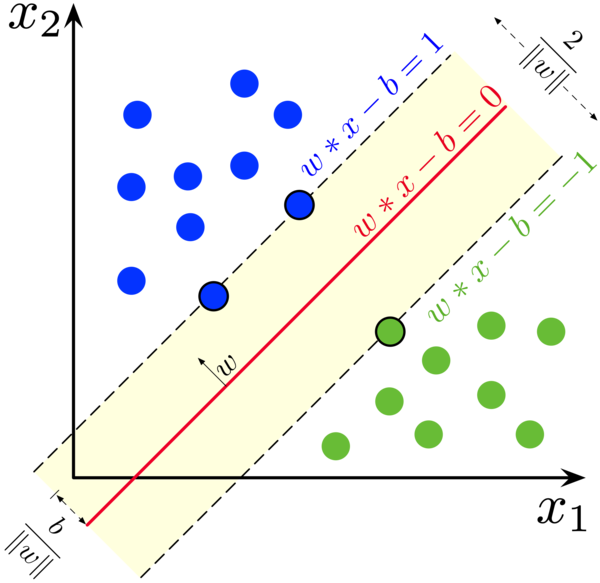
In this piece, I attempt to explain the mathematical reasoning behind this ‘complex’ name.
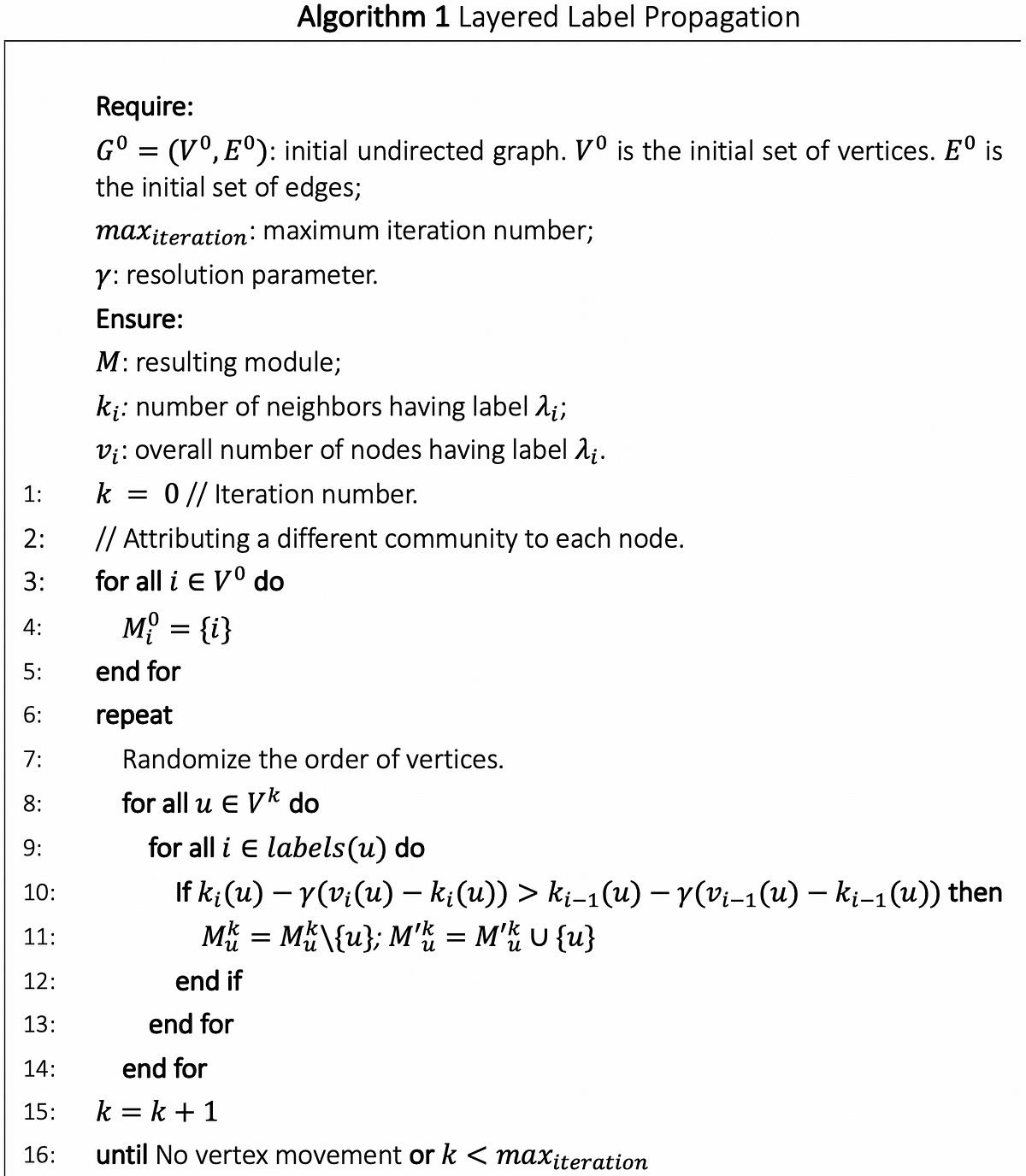
An algorithm for community finding

Plotting heatmaps, contour plots, and 3D plots with Python

Are you not able to load your NumPy data into memory? Does your model have to wait for data to be loaded after each epoch? Is your Keras…
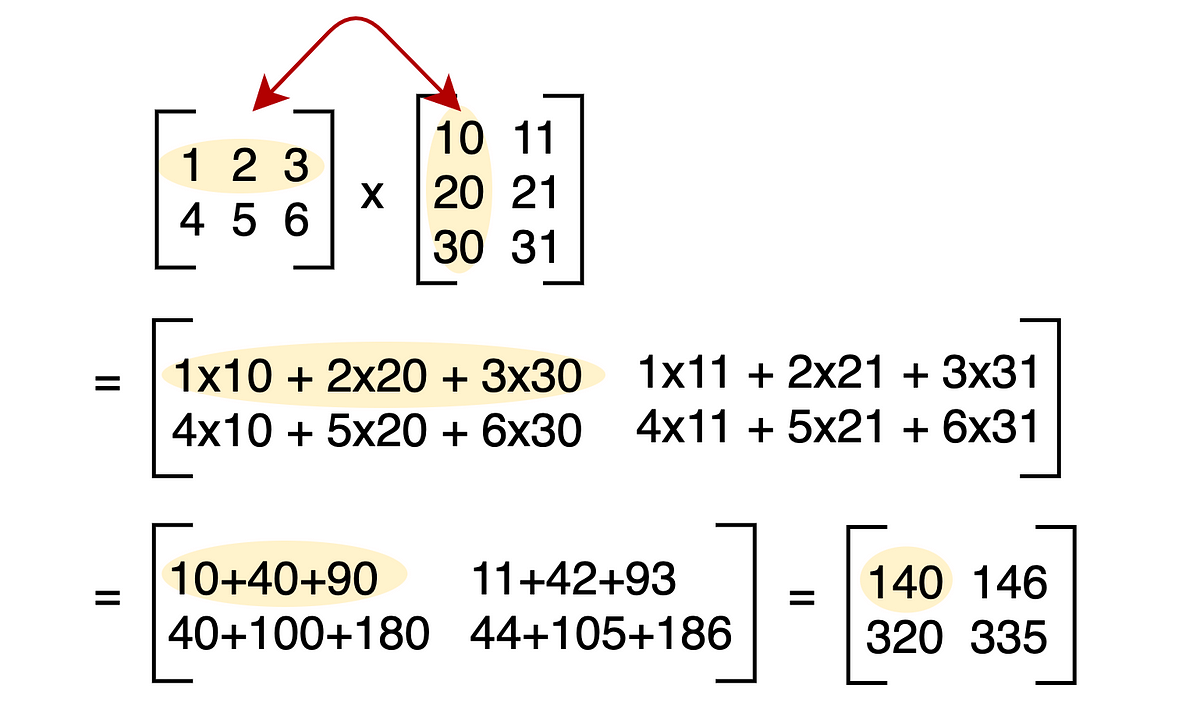
Learn matrix multiplication for machine learning by following along with Python examples
Finding relationships between different variables/ features in a dataset during a data analysis task is one of the key and fundemental…

torchlayers aims to do what Keras did for TensorFlow, providing a higher-level model-building API and some handy defaults and add-ons useful for crafting PyTorch neural networks.

How does pivot work? What is the main pandas building block? And more …
A comprehensive but simple guide which focus more on the idea behind the formula rather than the math itself — start building the block…
It’s not a silver bullet metric to classification problems
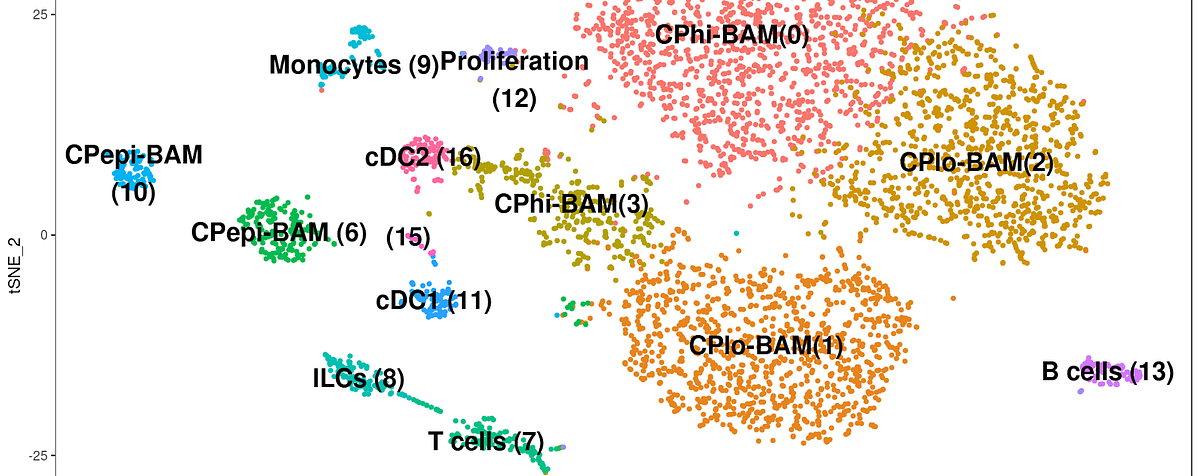
An intuitive explanation of t-SNE algorithm and why it’s so useful in practice.
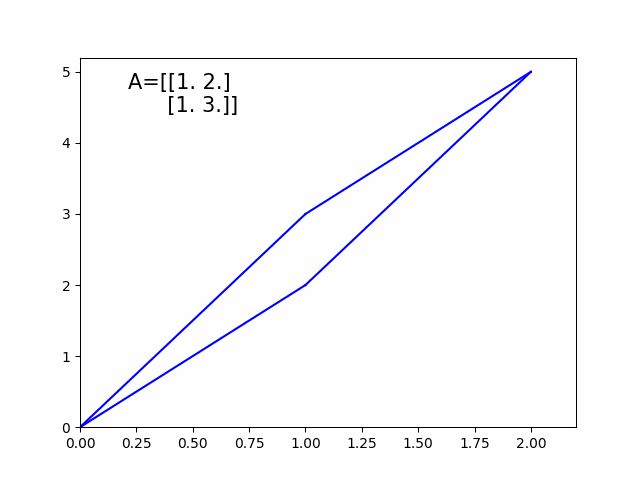
The determinant is related to the volume of a parallelepiped spanned by the vectors in a matrix lets see how.
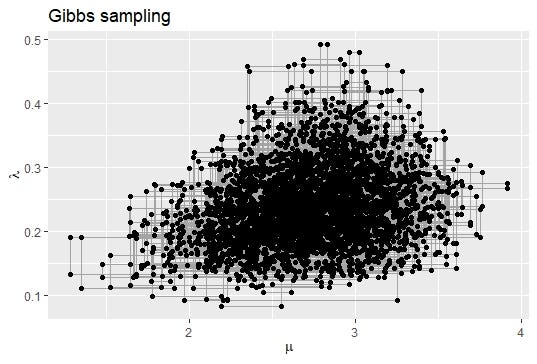
Intuition and diagnostics
This guide will show in detail how item based recommendation system works and how to implement it in real work environment.

An Explanation and Implementation of Matrix Factorization

I’m not going to bury the lede: Most machine learning benchmarks are bad. And not just kinda-sorta nit-picky bad, but catastrophically and fundamentally flawed. TL;DR: Please, for the love of sta…
5 lesser-known pandas tricks that help you be more productive
A complete guide on using the most cited clustering algorithm effectively
https://github.com/sepandhaghighi/pycm https://www.pycm.ir custom_rounder function added #279 complement function added sparse_matrix attribute added…

Extract data from different sources
Which boosting algorithm will reign supreme in this head-to-head competition?

This article explains the ID3 Algorithm, in details with calculations, which is one of the many Algorithms used to build Decision Trees.
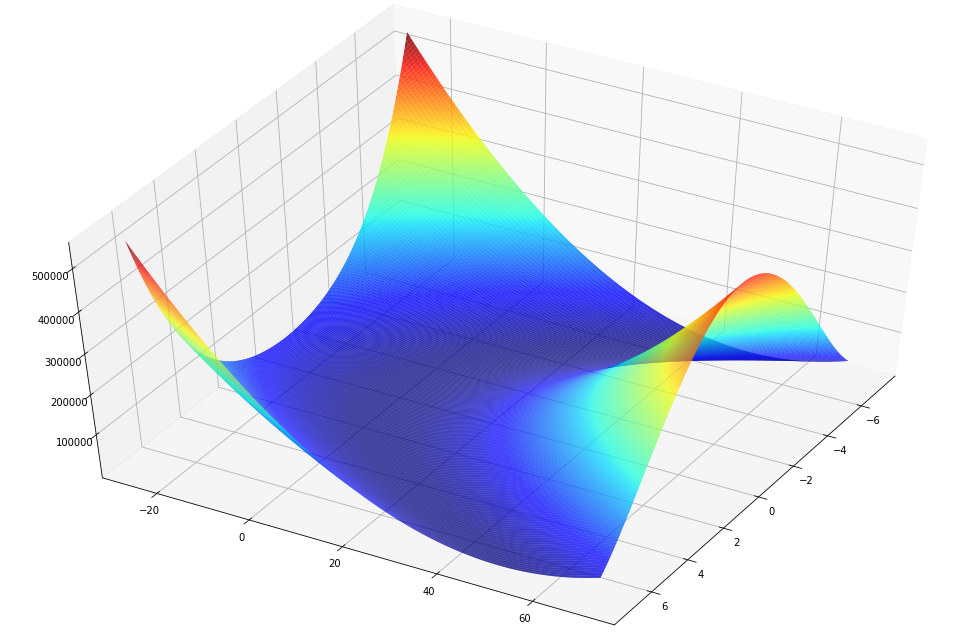
In this post, we will see several basic optimisation algorithms that you can use in various data science problems.
Expedite your data analysis process

Why and How to use with examples of Keras/XGBoost
Imagine having your Friends Working with your Local Jupyter Notebook in a Remote Machine

All you need to know about k-means, brown clustering, tf-idf, topic models and LDA.
:extract_focal()/https%3A%2F%2Fs3.amazonaws.com%2Fpocket-syndicated-images%2Farticles%2F1644%2F1568747880_GettyImages-465645737.jpg)
Networks regulate everything from ant colonies and middle schools to epidemics and the internet. Here’s how they work.
Retail Analytics: Data Science for Retail
Can you answer them all?

Since deep neural networks were developed, they have made huge contributions to everyday lives. Machine learning provides more rational advice than humans are capable of in almost every aspect of...
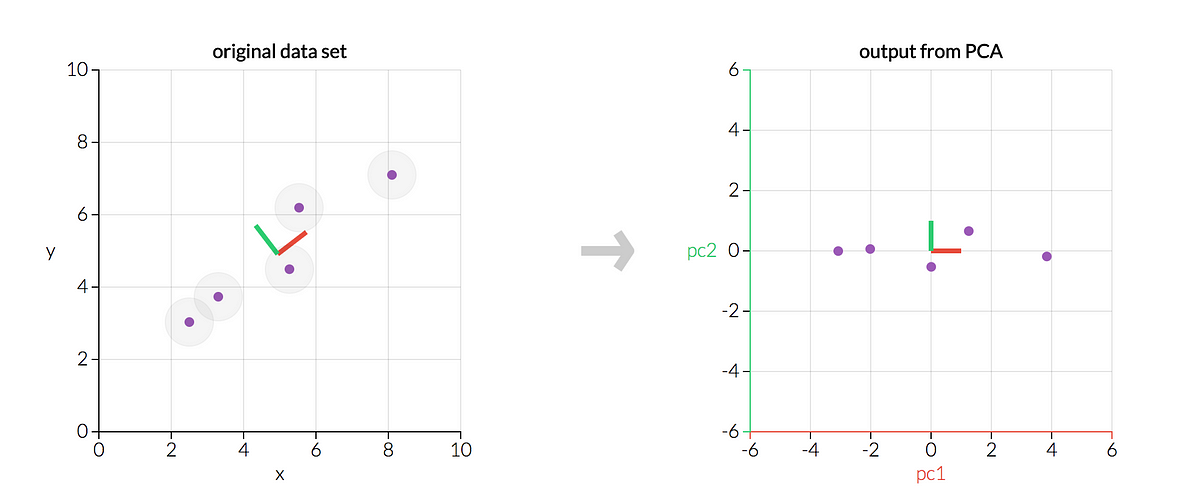
Simplest guide to PCA, ever.
At the beginning of the textbook I used for my graduate stat theory class, the authors (George Casella and Roger Berger) explained in the…
How to classify unlabeled data when all you have is just a sample of positive data
A step by step guide for implementing one of the most trending machine learning algorithm using numpy

5 sets of tools every lazy full-stack data scientist should use

Using residual plots to validate your regression models

Using Support Vector Machines (SVMs) for Regression
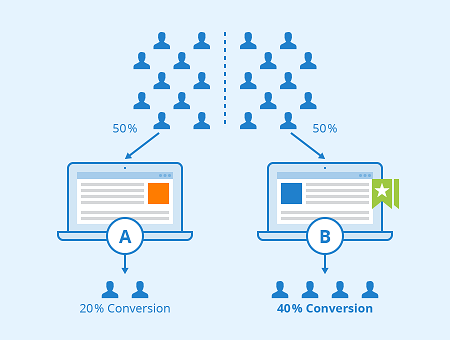
Making the most out of your experiments and observational data

Going above and beyond state-of-the-art with confidence!
249 votes, 21 comments. pytorch-optimizer -- collections of ready to use optimization algorithms for PyTorch, includes: AccSGD, AdaBound, AdaMod…

Learning depth without manual annotation
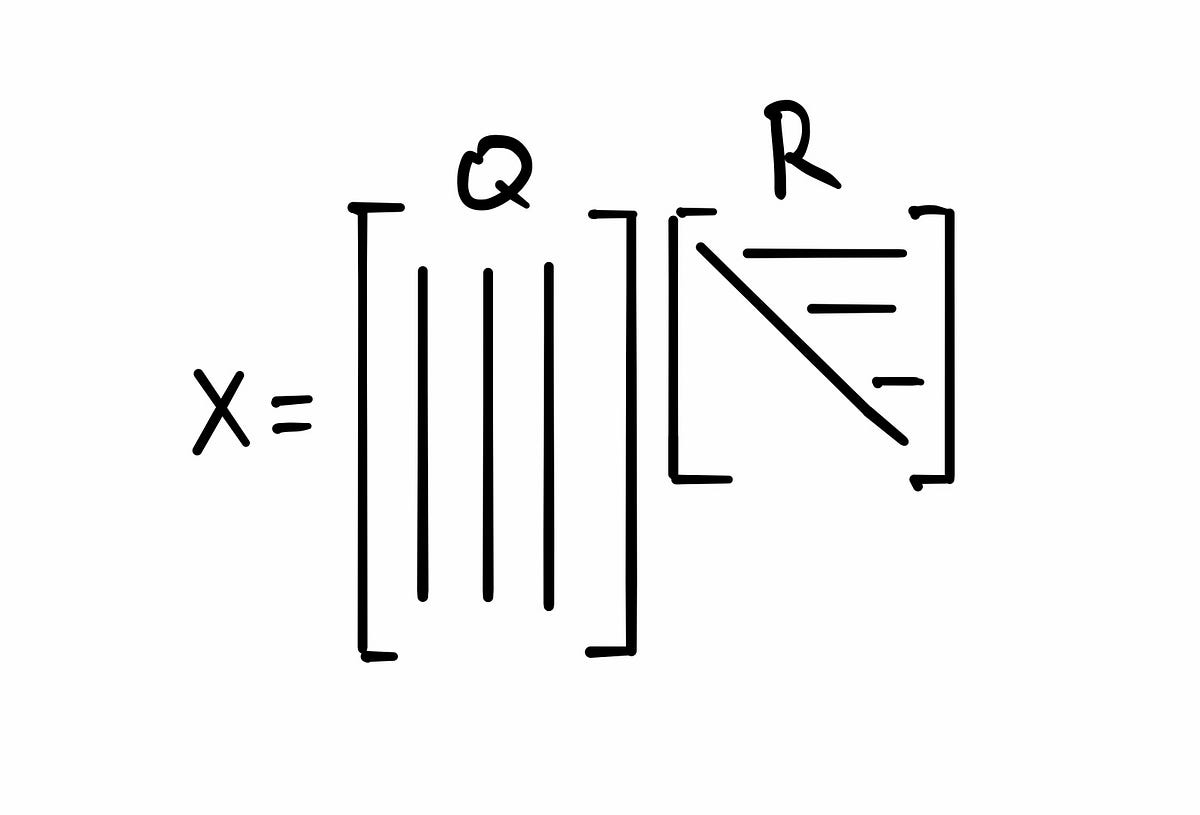
Least Squares and Computation (with R and C++)
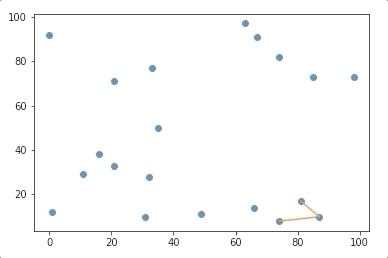
How to Leverage Data Visualization with Wrapping Algorithm