The Death of Shame Is Tearing Us Apart

Increasingly, people are ignoring social norms in favor of a narrow self-interest. The results are disastrous, Jay Caspian Kang writes.
Increasingly, people are ignoring social norms in favor of a narrow self-interest. The results are disastrous, Jay Caspian Kang writes.

In some scenarios, brands can increase consumer interest and positive attitudes by embracing insults directed at them.
The researchers found that reappropriation backfires when the insult comes from a vulnerable person
Reappropriation also fails when the criticism seems justified
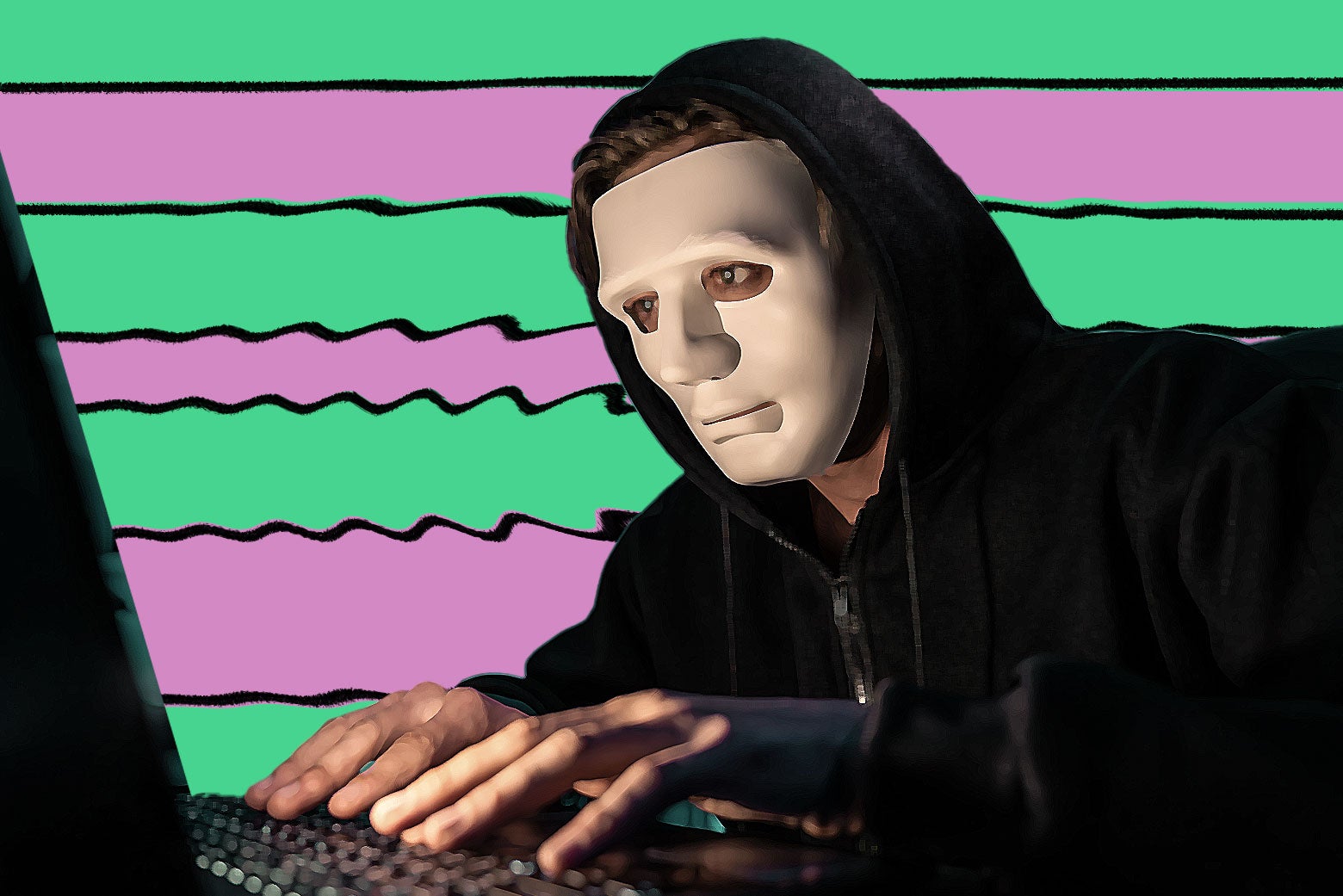
Nefarious Jobs can arrange everything from breakups to firings to mortifying public shaming. But the agency won’t do it for just anyone.
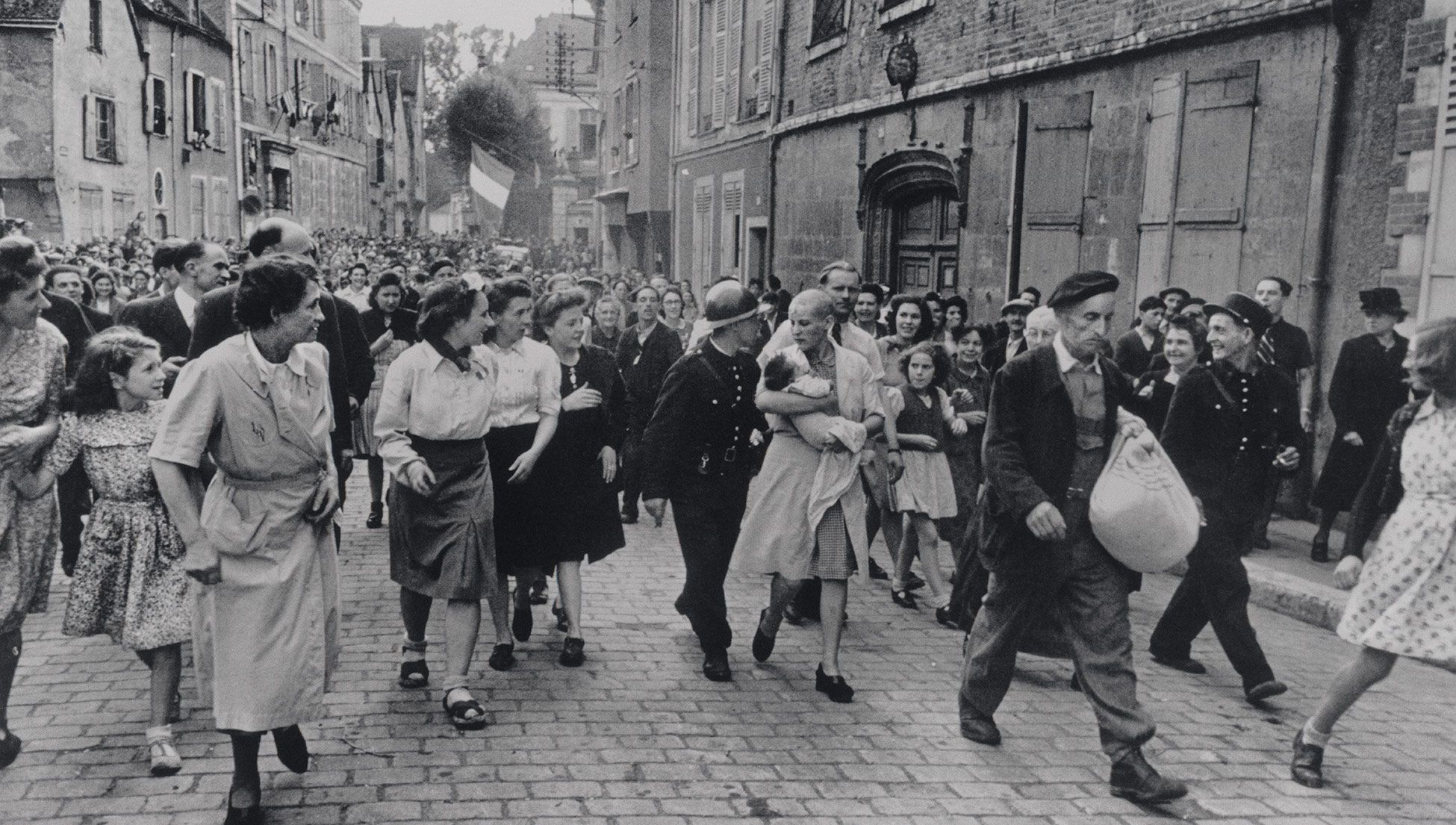
When passions run high so does the urge to shame wrongdoers. But if the goal is to change, shamers should think twice

What does the state of online shaming reveal about our democracy?
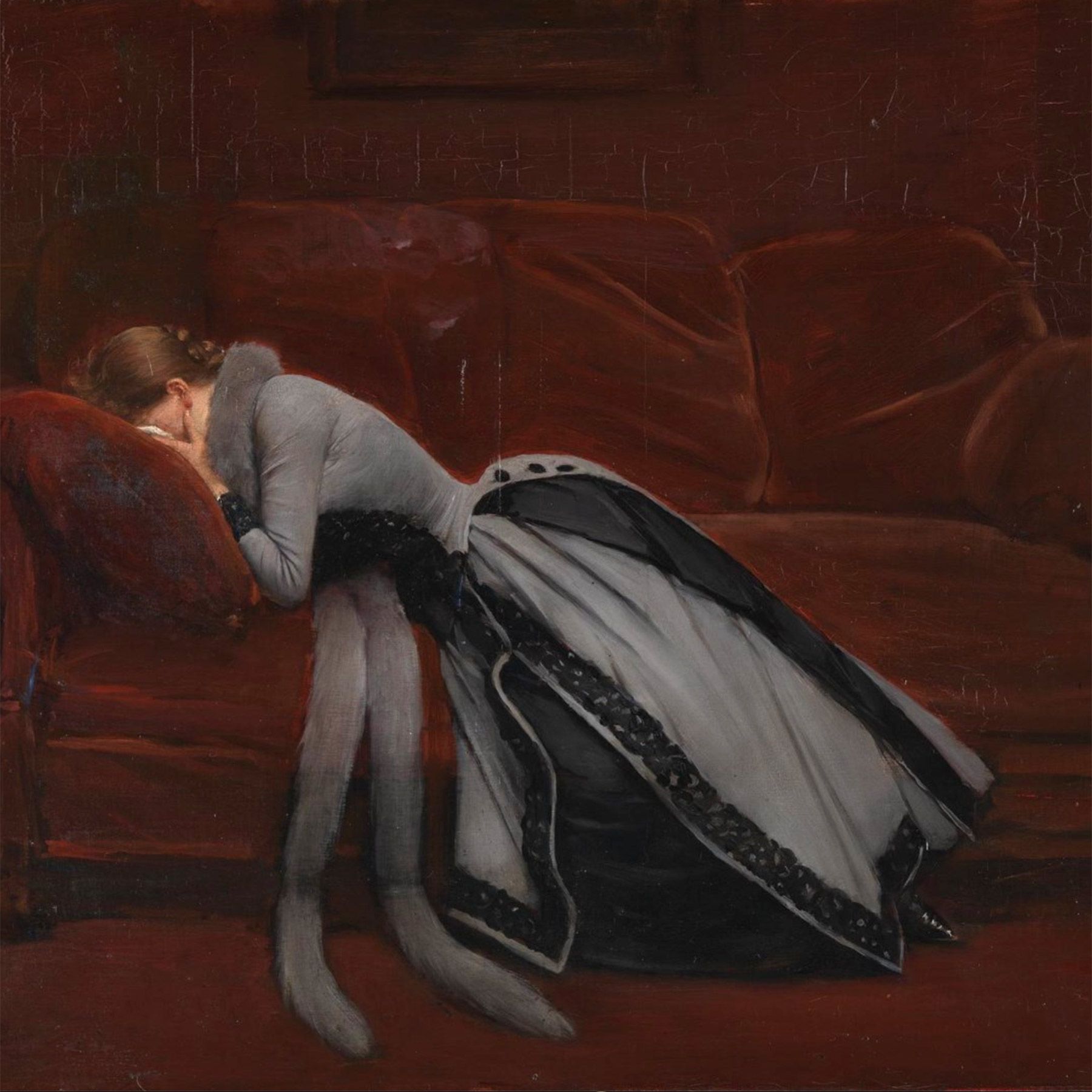
Do you feel perpetually bad, broken or unlovable? These tools will help you relate to yourself in a fairer, gentler way

The "common scold," recognized in England for centuries is still with us. Although such a person is not described in the psychiatric literature, I describe his/her principal elements here.
:extract_focal()/https%3A%2F%2Fpocket-syndicated-images.s3.amazonaws.com%2Farticles%2F8050%2F1657925422_GettyImages-1330019780.jpg)
People who feel shame readily are at risk for depression and anxiety disorders
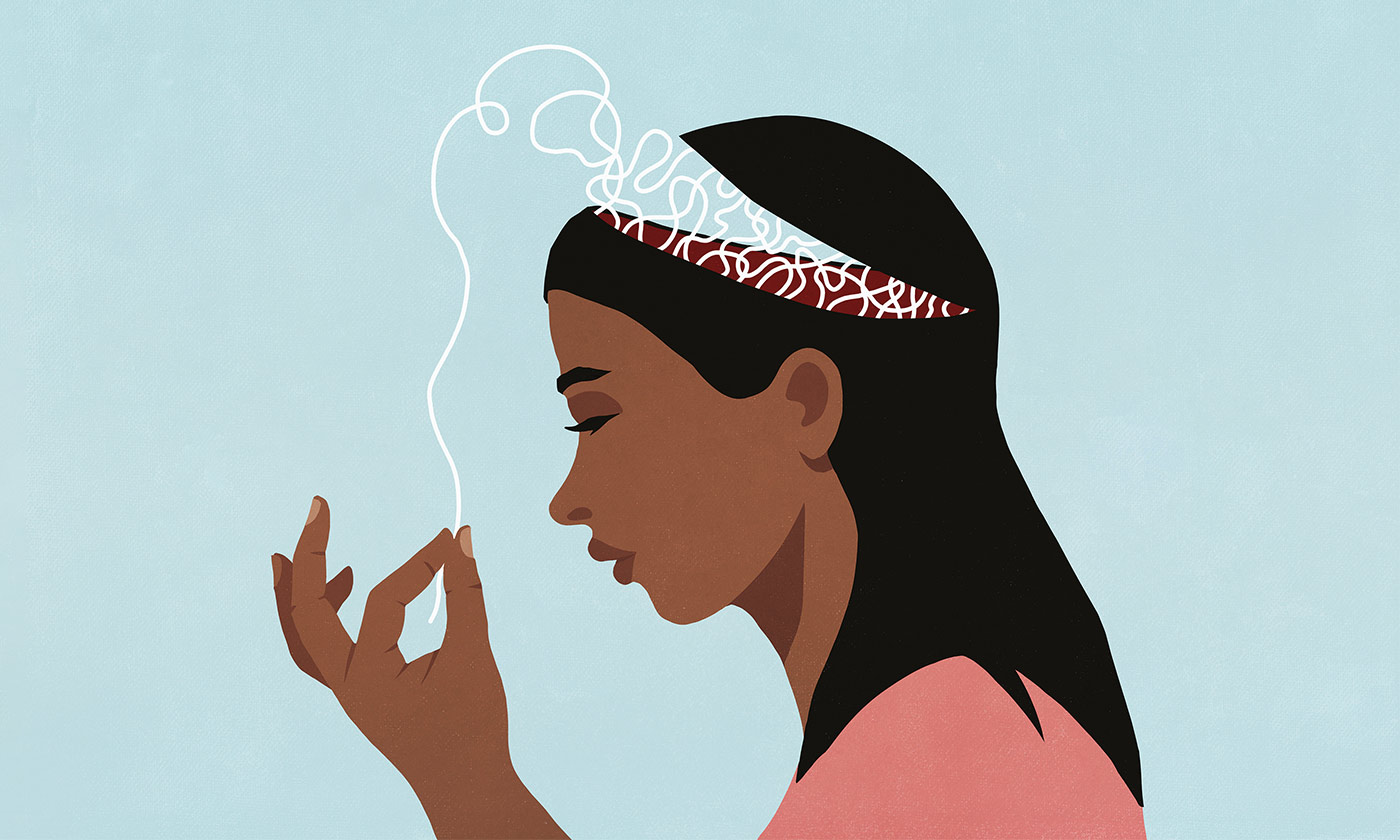
Today’s hustle culture claims “unearned” pleasure is shameful. But there are ways to resist this cultural response.
I’ve enjoyed playing a game called Avalon recently. I won’t go too far into the rules, but it’s a hidden role game in the vein of Secret Hitler or Werewolf, where one team is “good”, trying to uncover who among them is “evil”, before the evil team wins.
Here's how it normally plays out: It all begins when a company pops up online and makes some sort of ludicrous statement related to their security posture, often as part of a discussion on a public social media platform such as Twitter. Shortly thereafter, the masses descend on…

Consumers are more likely to buy embarrassing products when their embarrassment is mitigated by more-anonymous packaging. Specifically, consumers found products packaged in boxes with cool colors, small lettering, and a picture of the product to be more anonymous (and appealing)…

Rather than being a cringey personal failing, awkwardness is a collective rupture – and a chance to rewrite the social script