What Psychology Says About Why Bystanders Sometimes Fail to Help

The bystander effect refers to a phenomenon in which the greater the number of people there are present, the less likely people are to help a person in distress. Learn why it happens.
The bystander effect refers to a phenomenon in which the greater the number of people there are present, the less likely people are to help a person in distress. Learn why it happens.

How narcissists use "narcissistic supply" to exploit relationships.

While it has long been known that some people enjoy harming others for pleasure, the psychological reasons are largely unclear. A new study yields fresh insight.

Research reveals the common mistakes we make when trying to help.

Inside the distinctive, largely unknown ideology of American policing — and how it justifies racist violence.

When we can’t trust each other, nothing works. As we participate in our communities less and less, we find it harder to feel other people are trustworthy. But if we can bring back a sense of trust in the people around us, the rewards are incredible.
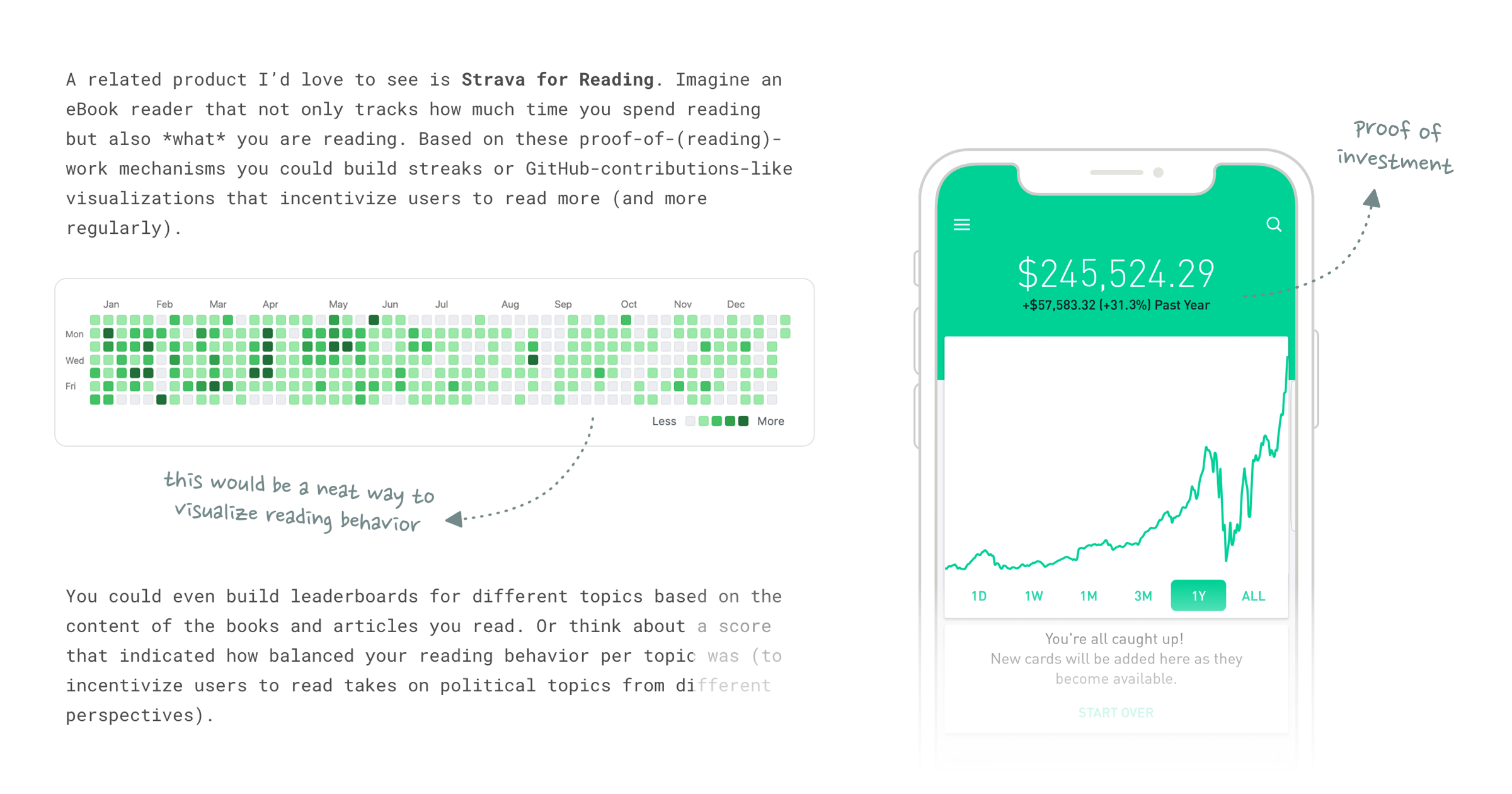
I’ve spent a lot of time recently thinking about different proof-of-work mechanisms. When I say proof-of-work, I’m not talking about consensus algorithms like the ones that some crypto currencies use. I’m talking about social networks.

Bridge the divide with thoughtful conversation techniques, next-level listening, and a dip into the science of changing minds.
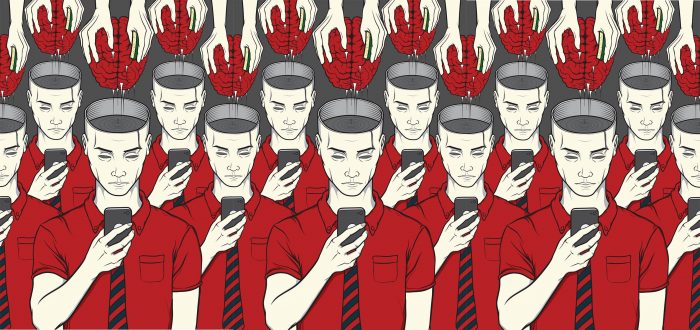
Conspiracy theories seem to meet psychological needs and can be almost impossible to eradicate. One remedy: Keep them from taking root in the first place.

Most of us think that luck just happens (or doesn’t) but everyone can learn to look for the unexpected and find serendipity

There is the kindness of ‘please’ and ‘thank you.’ And the kindness of “I was wrong, I’m sorry.” The small kindnesses that smooth our interactions and help other people feel as th…

"The home of our truth/lie detector resides in the area of our body that encapsulates the throat, heart, and gut."
"Unconscious leadership happens when we aren't self-aware, which puts fear in the driver's seat."

Advice from therapists, religious leaders and people who suffered terrible wrongs on ways to find repentance and resolution.

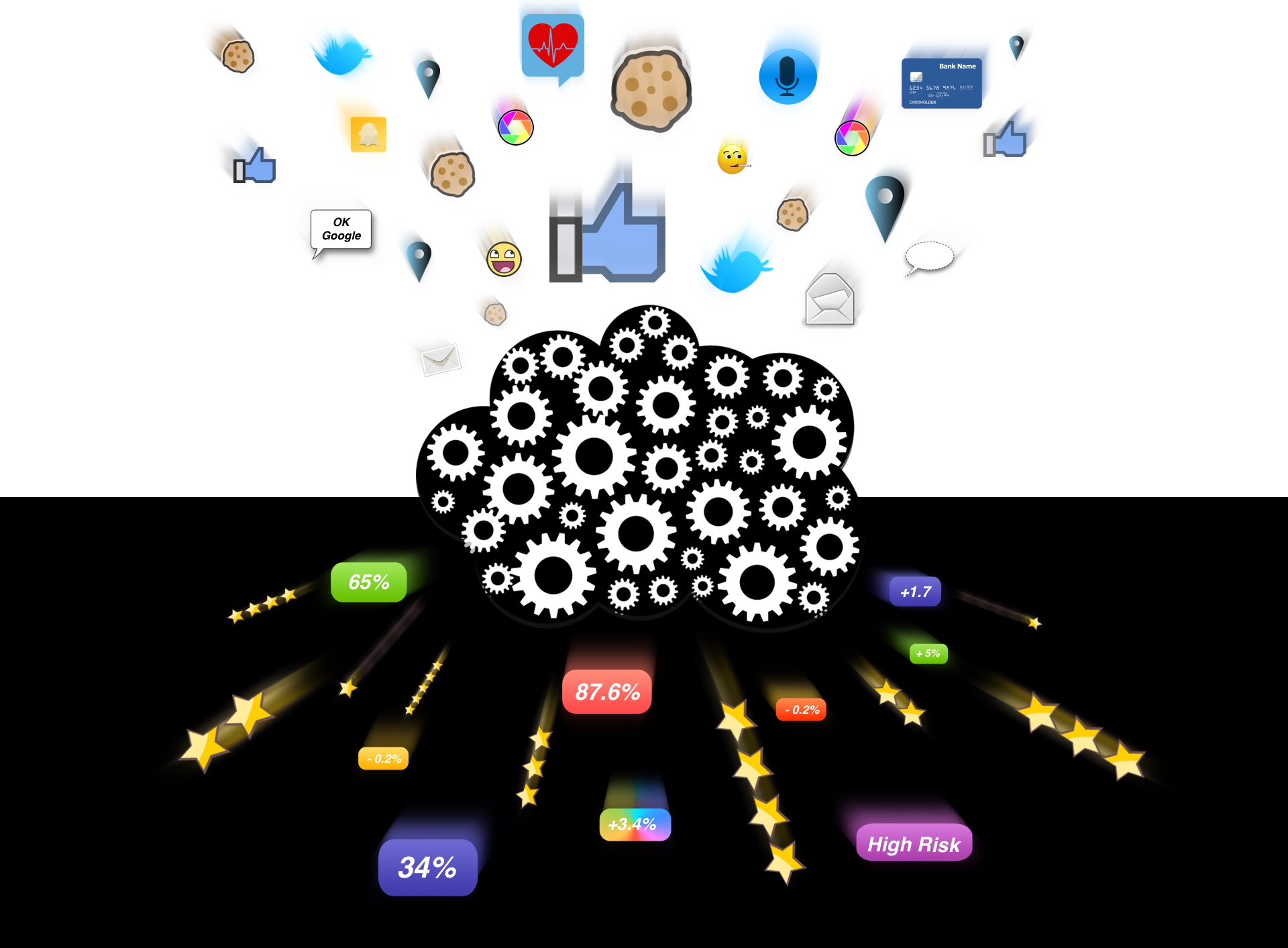
If data is the new oil, what's the new global warming? Social Cooling asks the question: is our faith in big data slowly making us more well behaved.. but less human?

Address the real reasons you procrastinate and you’re more likely to start achieving your goals.

Talking out loud to oneself is a technology for thinking that allows us to clarify and sharpen our approach to a problem

The Enneagram of Personality, or simply the Enneagram, is a pseudoscientific model of the human psyche which is principally understood and taught as a typology of nine interconnected personality types.

Whether in our personal or professional lives, we are constantly giving and receiving feedback. Some of the feedback is subtle, often unconscious, and some of it is proactive. Being able to receive and to offer constructive feedback is an essential skill in building meaningful…
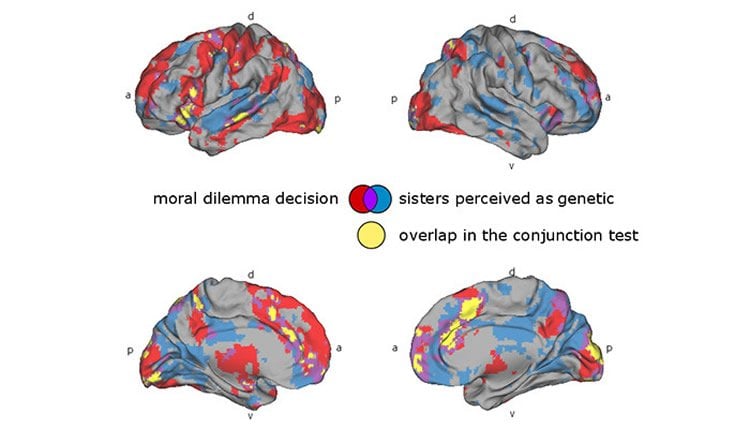
According to researchers, familial relationships in movies affect the reactions in the viewer's brain to moral dilemma addressed between characters.

When I signed up for a life of conducting orchestras, I didn’t realize I’d also need to learn how to handle enormous audiences

What topics get compliments, how do people react, what are exotic ways of praising?

By describing redeeming (if not obscure and minuscule) qualities of human beings, the videos are finding gratitude in taxing times.

Oxford research psychologist Kevin Dutton argues that psychopaths are poised to perform well under pressure.
The soft skills are what matter most.

In every social interaction, from buying groceries to negotiating a nuclear deal, this highly valued behaviour dictates how people should treat each other.
Here's another brain glitch that I know I do on a regular basis - confusing the intention to do a task with having actually completed the task. This is a type of false memory created by the intention itself. Albarracin et al have published a series of five experiments where they…

When we are feeling something, we don't really stop to define that emotion or think about the exact emotion that we are experiencing. We just feel and go through it; may it be sadness, anger or happiness. As human beings, we experience a plethora of feelings and emotions in our…

Could you make a list of all the emotions you feel in a day? Emotions play a fascinating
Forgiving someone else can have a positive effect on your life, but exactly how you forgive someone depends on where in the world you are from.

Take a trip to the uncanny valley and hope you make it back unscathed.
The way we decide may even give insight into delusional thinking

An introduction to forming hypothesis statements for product experimentation.

Some products sell themselves, but habits don’t. They require a bit of finesse.
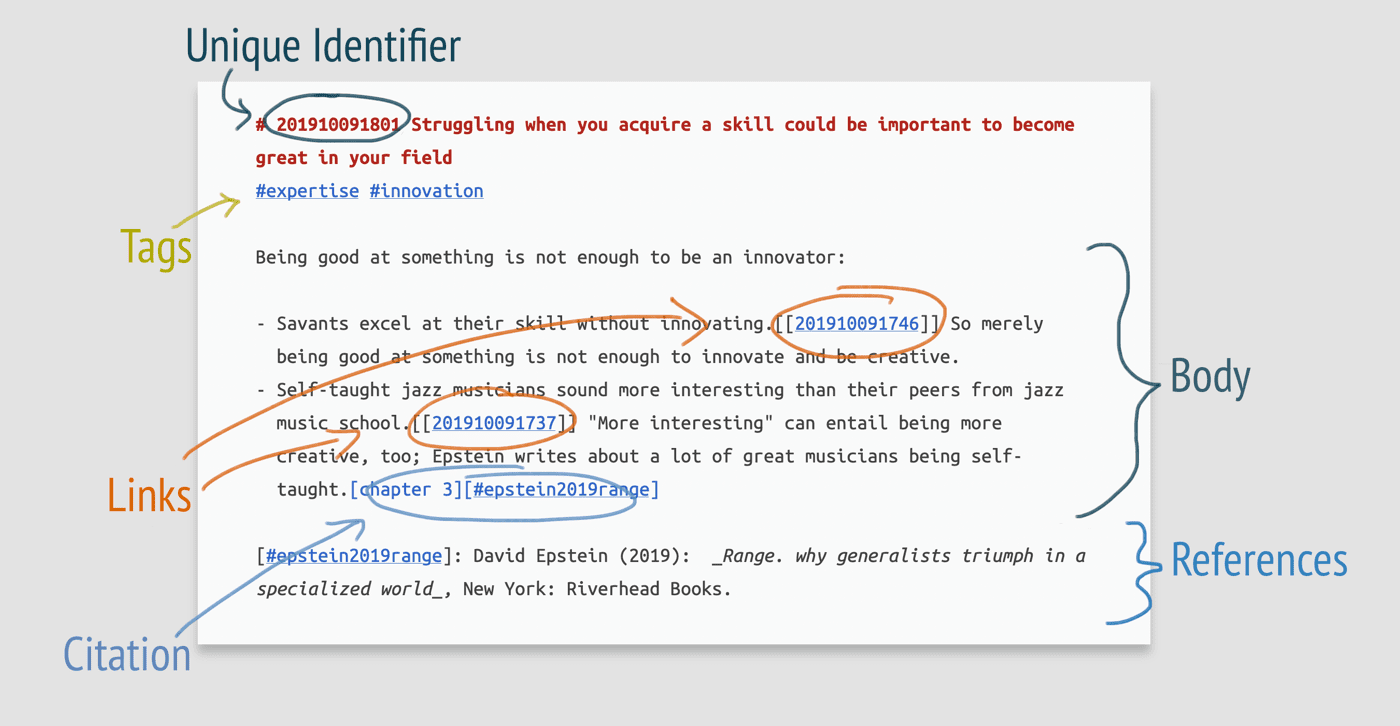
Learn how the Zettelkasten works as a system, what a Zettel is made of, and how to grow an organic web of knowledge.
Decision tables are easy, simple, and powerful. You can teach them in five minutes and write one in half that time. You can look at a table and understand what it’s saying, see if it matches your problem, and check for design flaws. So it’s kinda weird that there’s basically…

Three very different case studies — involving hostages in Afghanistan, a suicidal man in Calgary, and a tug-of-war between Brazilian and French businessmen — point to the importance of face, or reputation, in negotiations. To help you and your negotiating partners succeed, it is…
Hello, my name is Andrew, and I can’t stop disagreeing.

Working with them in the wilderness means negotiating countless shifting variables. Sounds a lot like the world we’re living in.
Do you like being right? Of course, everyone does. Are you successful at convincing others? That’s a tougher one. We may politely disagree, avoid, or scream bloody murder at each other, but whatever our conflict style, no one is born, and few are raised, knowing how to persuade.

It's a strange phenomenon that I've seen time and time again where if you lay out processes and tools that make things like software deployments safer, the effects continue to compound long after the change has happened. As people feel more and more secure in doing deployments…

The surprising vulnerability and mindfulness that makes people want to pay attention to you

Learning how we respond to rhythm can lead to therapeutic applications.
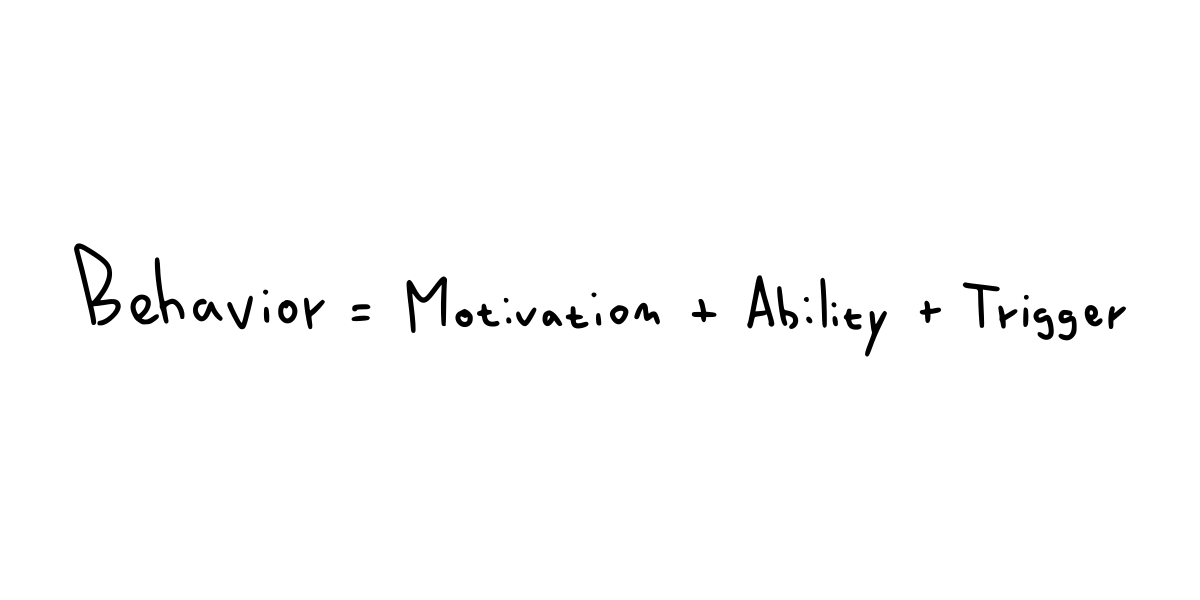
B J Fogg is a Stanford professor who came up with a simple model of behavior that helps us understand why we take action or not take action at any given moment.
Robert Walter Weir was one of the most popular instructors at West Point in the mid-1800s.