Analyzing Nvidia GB10's GPU
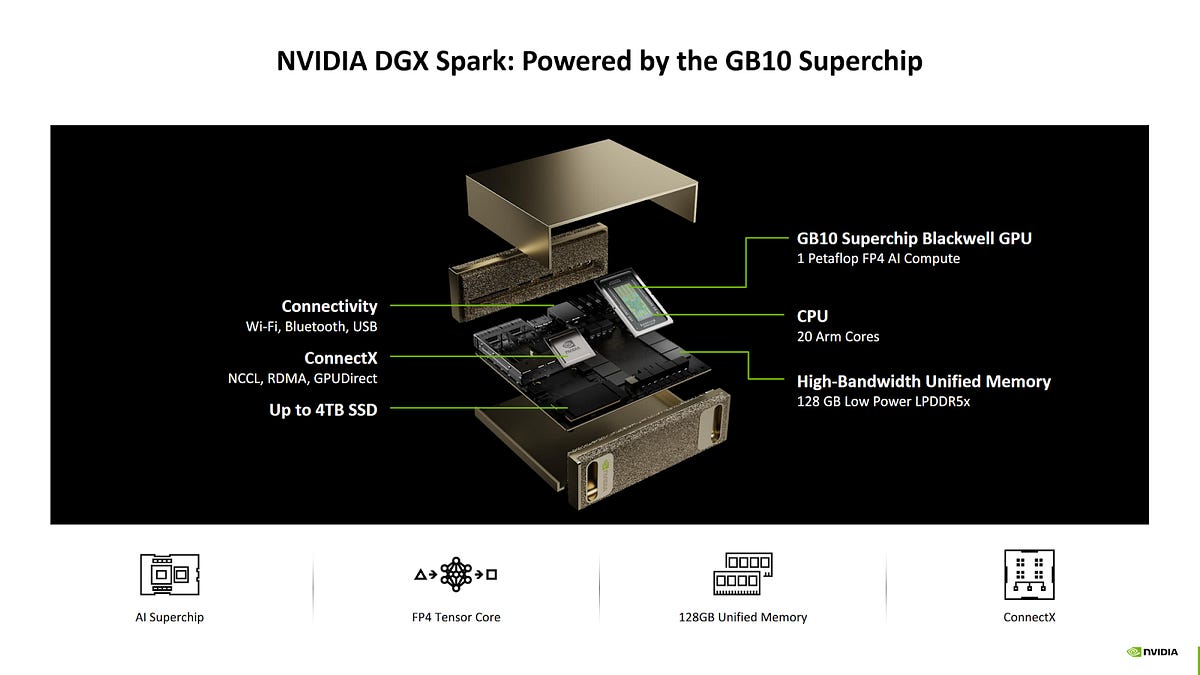
Looking at Nvidia's latest effort to make a big iGPU
Looking at Nvidia's latest effort to make a big iGPU
Designing AI Chip Hardware and Software Bjarke Hammersholt Roune 2026 This document is, for now, open for comments. You can use the Google Docs comment feature to add comments anywhere. Thanks! What is this document? I was going to start an AI chip company and this document…


UC San Diego researchers have reimagined RRAM, creating a device that could redefine AI's memory challenges. Discover how this could impact edge computing.
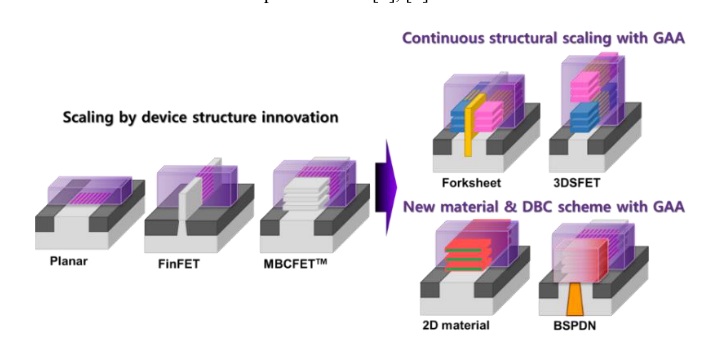
Key takeaways ▼ The transition from FinFET to Gate-All-Around (GAA) transistor technology represents a pivotal moment in the evolution of logic devices, driven by both physical scaling limits and the … Continue reading "Gate-All-Around (GAA) Technology for Sustainable AI"
In this article, we'll walk through the steps of generating a Process Design Kit (PDK) for digital standard cell libraries.

A new technical paper titled “Prefill vs. Decode Bottlenecks: SRAM-Frequency Tradeoffs and the Memory-Bandwidth Ceiling” was published by researchers at Uppsala University. Abstract “Energy consumption dictates the cost and environmental impact of deploying Large Language…
Our simulation methodology combines OpenRAM for energy modeling, LLMCompass for latency simulation, and ScaleSIM for systolic array operational intensity.
Counter-intuitively, high compute frequency can reduce total energy by reducing execution time and consequently decreasing static energy consumption more than the resulting dynamic power increase
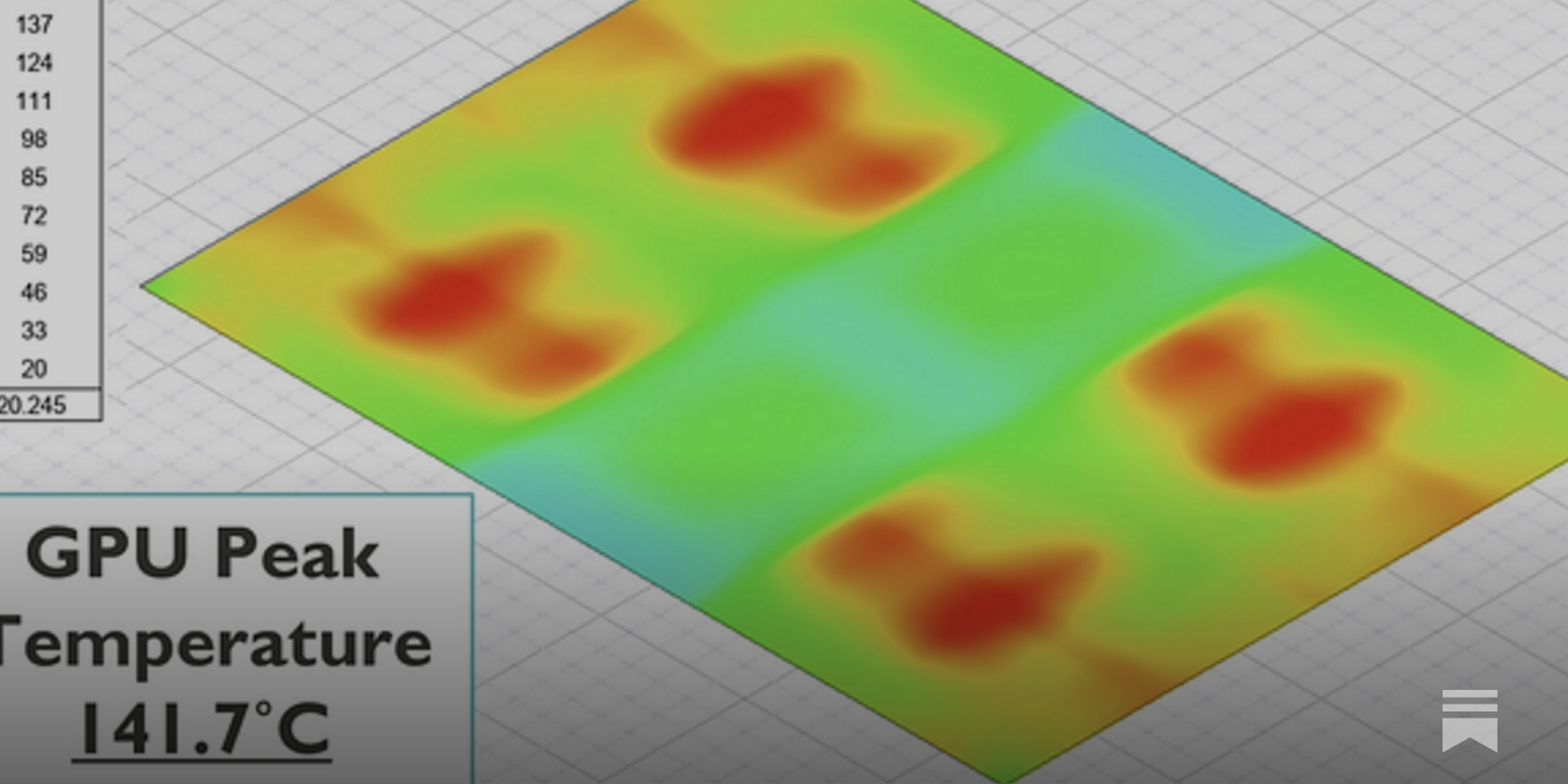
Future AI Accelerators Might Need To Be Slower To Be Faster
This means a singular high-powered compute die consuming ~400W, with multiple 12-Hi HBM stacks.
peak GPU temperature of 69.1ºC, with the HBM silicon reaching around 60ºC in its worst case.
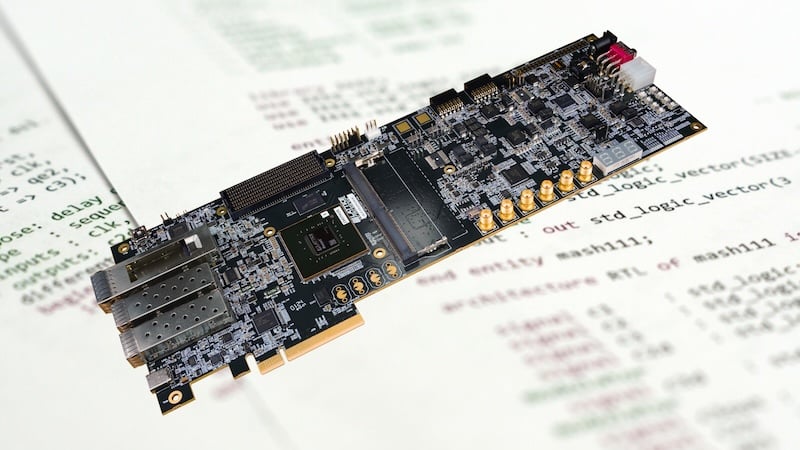
FPGAs are limited by outdated proprietary software. Learn how embracing open-source tools is necessary to modernize FPGA development and unlock their full potential.

I've been studying the standard cell circuitry in the Intel 386 processor recently. The 386, introduced in 1985, was Intel's most complex pr...

Researchers focus on limiting data movement to reduce power and latency in edge devices.
Hello you fine Internet folks!

Bump technologies are being pushed beyond what was thought to be their physical and performance limits.
The mechanism behind this is a time-resource matrix: A scheduling framework that orchestrates compute, memory and control resources across time. Much like a train timetable, scalar, vector and matrix operations move across a synchronized compute fabric without pipeline stalls or contention.
By predicting exactly when data will arrive — whether in 10 cycles or 200 — Deterministic Execution can slot dependent instructions into the right future cycle. This turns latency from a hazard into a schedulable event, keeping the execution units fully utilized and avoiding the massive thread and…

Motorola’s 68000 blended 32-bit power with a 16-bit bus, creating a balanced, orthogonal, and elegant architecture that powered everything from Macintosh to arcade machines.
Timing is increasingly dependent on vectors. Can static techniques continue to deliver the necessary results? Maybe.

A new technical paper titled “On the Thermal Vulnerability of 3D-Stacked High-Bandwidth Memory Architectures” was published by researchers at North Carolina A&T State University and New Mexico State University. Abstract “3D-stacked High Bandwidth Memory (HBM) architectures…
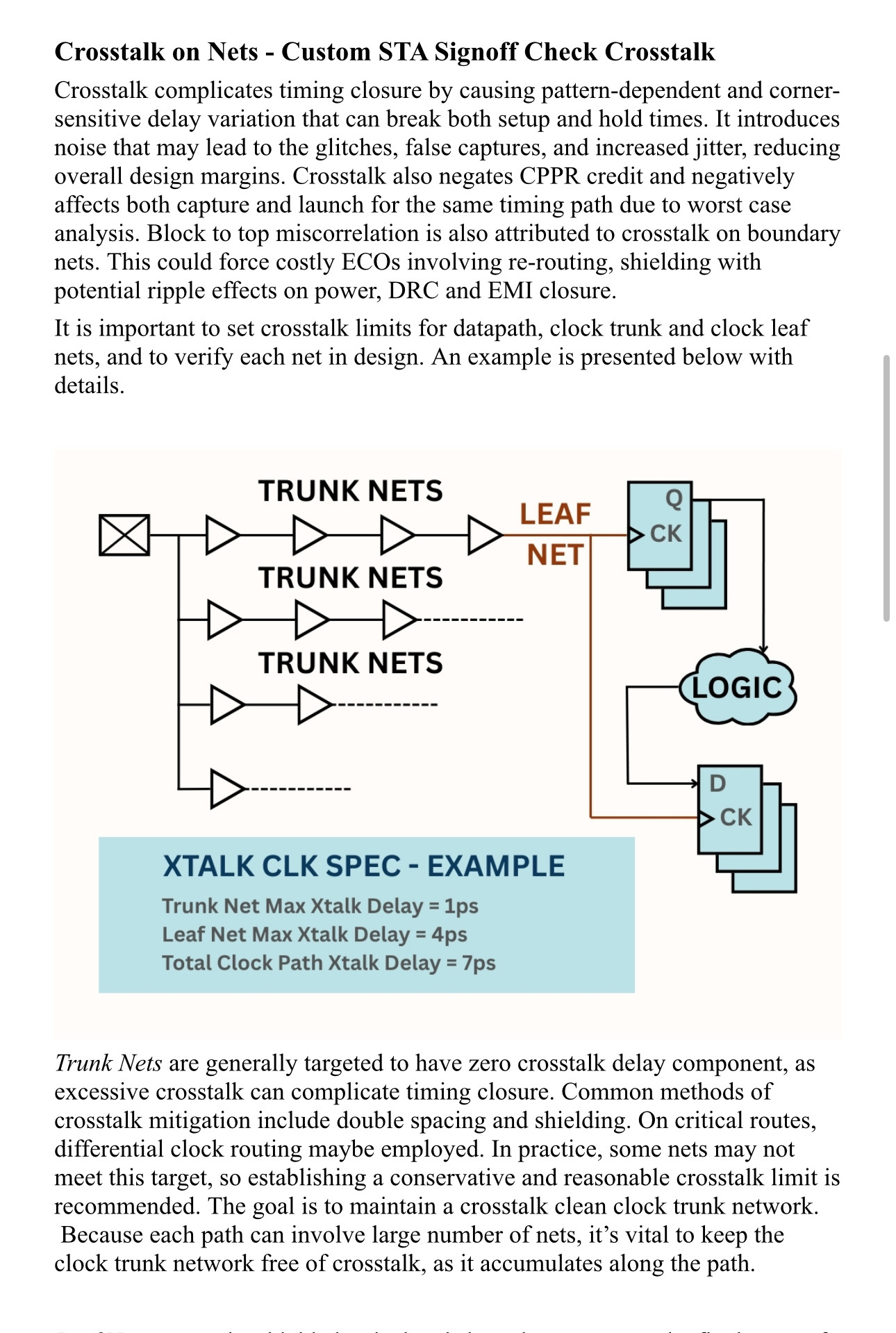
By Zameer Mohammed Once a chip is taped out, changes in design are not possible – Silicon is unforgiving, does not allow postproduction modifications. In contrast, software can be updated … Continue reading "Static Timing Analysis Signoff A comprehensive and Robust Approach"
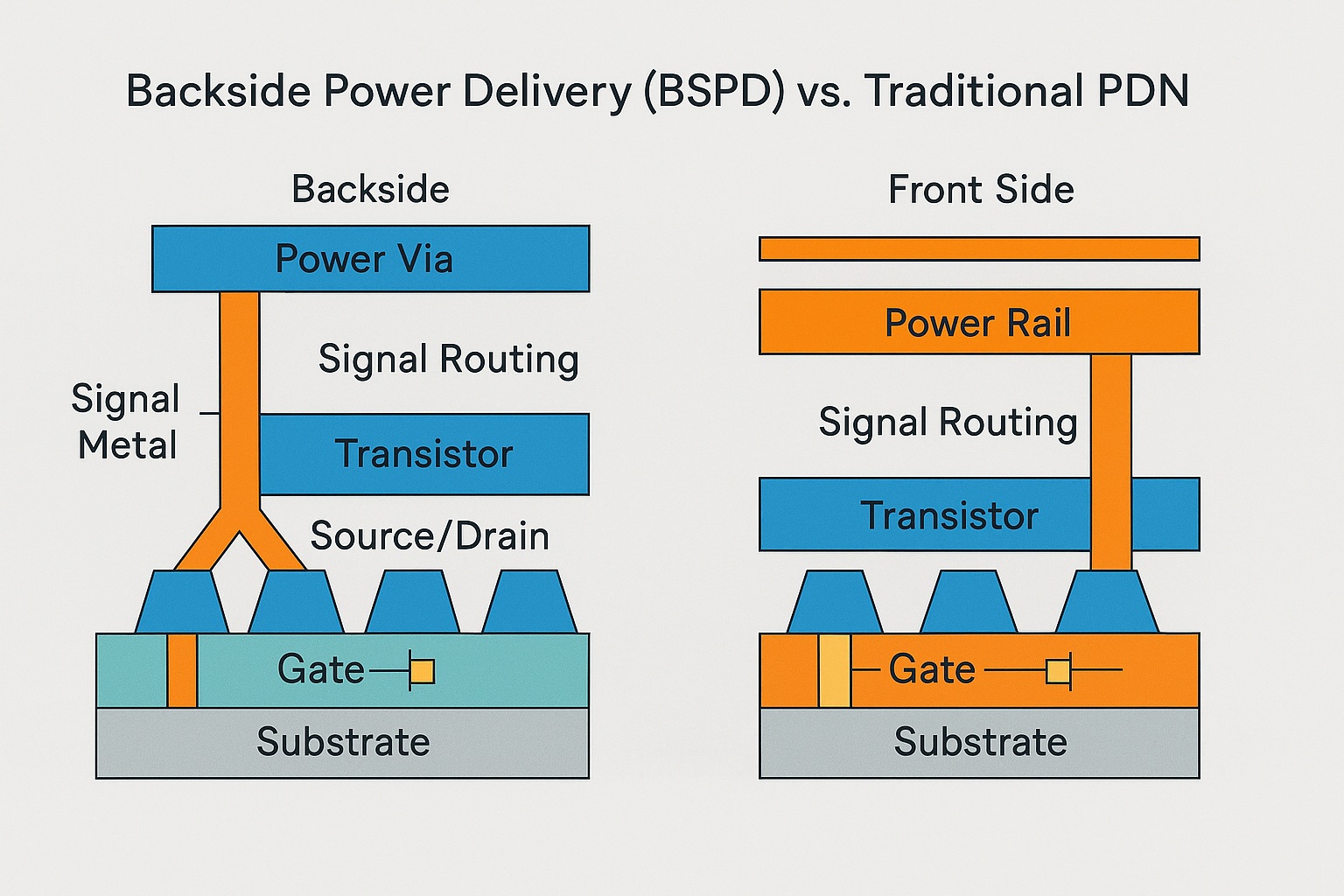
Backside Power Delivery (BSPD), also called Backside Power Delivery Network (BSPDN) or backside power via (BPV) technology, is a semiconductor manufacturing innovation in which the chip’s primary power distribution network … Continue reading "Backside Power Delivery (BSPD) Wiki"
Rapidus is advancing with its 2nm process. For the first time, the node's logic density has been reported, and it's on par with TSMC.
BSPDN, Intel occupies some of the front-side metal layers, which is why there's a drop in the density figure

I've been reverse-engineering the Intel 386 processor (from 1985), and I've come across some interesting circuits for the chip's input/outpu...

Examining RDNA 4's out-of-order memory accesses in detail, and investigating with testing

Have you ever wanted to reverse engineer an analog chip from a die photo? Wanted to understand what's inside the "black box" of an integrate...

Finding defects now requires multiple data types, and a much more thorough search.
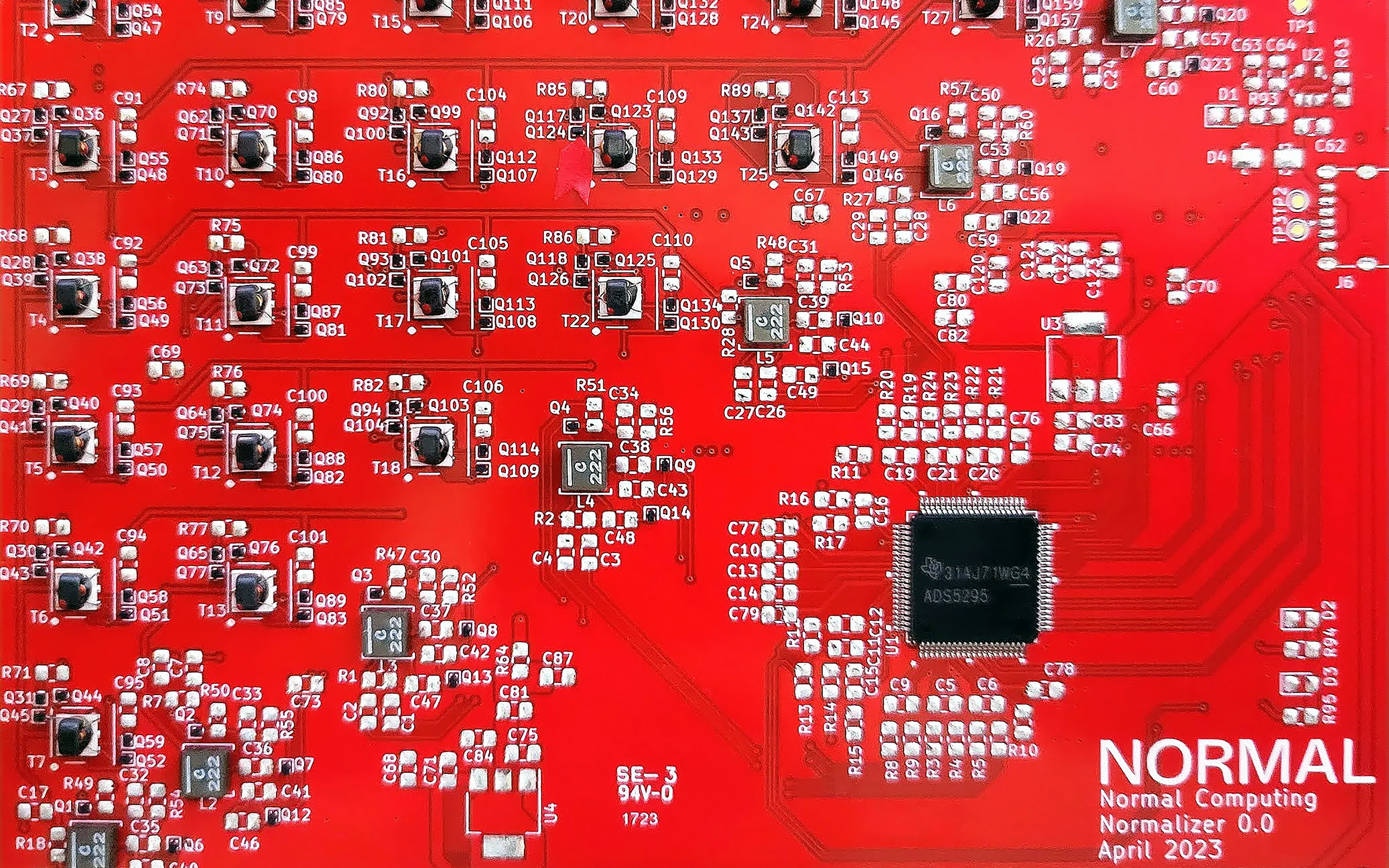
Thermodynamic computing isn't just a rebrand of probabilistic computing
Normal Computing’s prototype chip, which they termed the stochastic processing unit (SPU), consists of eight capacitor-inductor resonators and random noise generators. Each resonator is connected to each other resonator via a tunable coupler. The resonators are initialized with randomly generated…
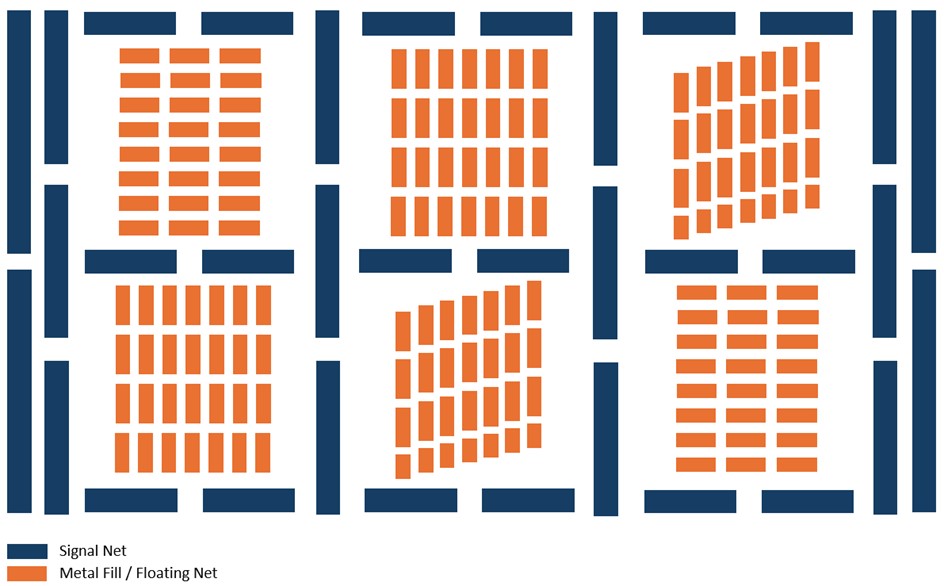
An adaptive metal fill extraction technique dynamically adjusts the level of detail based on the design context, such as the density of...

Many features of UCIe 2.0 seen as “heavy” are optional, causing confusion.
The spec is defined with so many variants that you can tailor it to your exact needs. It’s applicable for everything from automotive to high-performance compute to AI to mil/aero because it has so many flavors. That’s also a curse to an IP provider. How do you support all those flavors?”
the latter predominates, since virtually all projects underway are internal projects, with all chiplets being internally created and applied. Interoperability with externally sourced chiplets is therefore not a concern


Most people think of machine instructions as the fundamental steps that a computer performs. However, many processors have another layer of ...
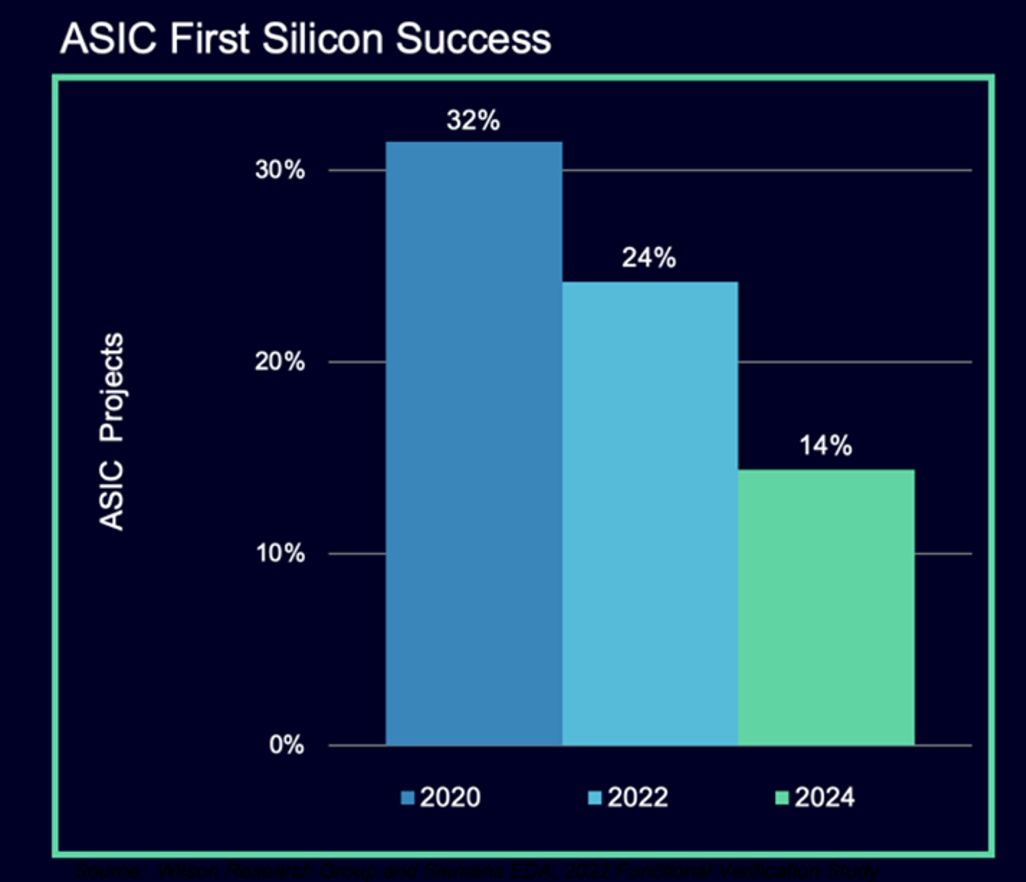
Number of designs that are late increases. Rapidly rising complexity is the leading cause, but tools, training, and workflows need to improve.
“Historically, it’s been around 30%. Two years ago it dropped to 24% from 2023 to 2024. It dropped to 14% this time around. That’s one data point. Another is that historically we’ve seen about two-thirds of projects were behind schedule. That increased to 75% behind schedule.”
Hello you fine Internet folks,

In 1993, Intel released the high-performance Pentium processor, the start of the long-running Pentium line. I've been examining the Pentium'...

[vc_row][vc_column column_width_percent=”90″ gutter_size=”3″ overlay_alpha=”50″ shift_x=”0″ shift_y=”0″ shift_y_down=”0″ z_index=”0″ medium_width=”0″ mobile_width=”0″ width=”1/1″ uncode_shortcode_id=”158708″][vc_column_text uncode_shortcode_id=”154284″] Conventional wisdom in…
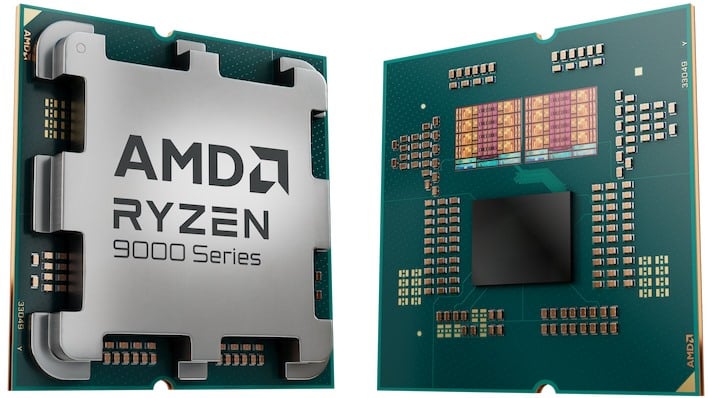
After persistent rumors refused to recede, AMD steps in with a clear explanation why dual-CCD V-Cache doesn't exist.
No, the actual reason AMD won't make a dual-V-Cache chip is much simpler: it would be pointless and a waste of money.
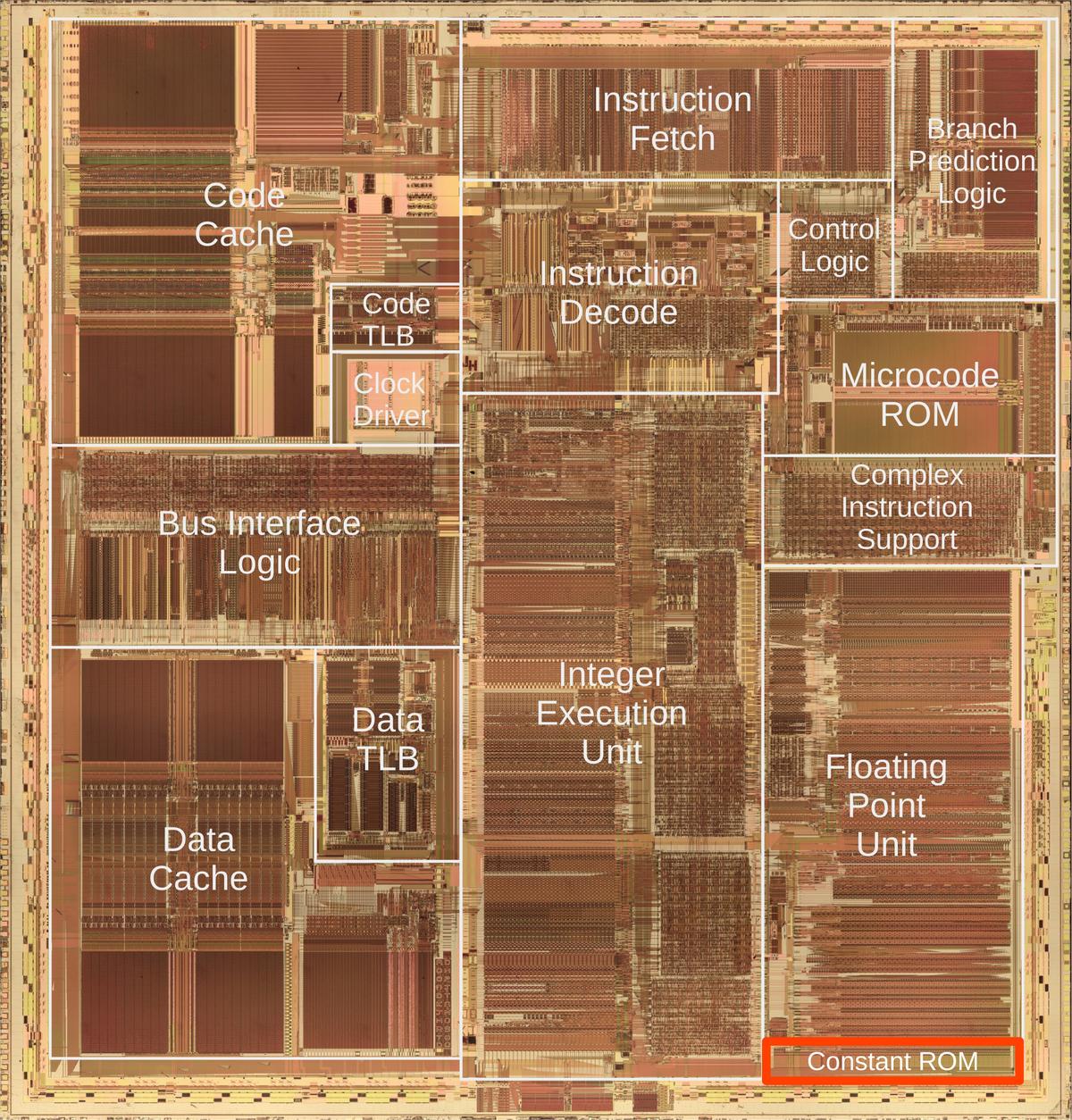
Intel released the powerful Pentium processor in 1993, establishing a long-running brand of high-performance processors. 1 The Pentium incl...
Note: Based on Ken Shirriff's article "[Pi in the Pentium: reverse-engineering the constants in its floating-point unit](https://www.righto.com/2025/01/pentium-floating-point-ROM.html)", here is an outline of each section with explanations of the findings: | Section | Findings | |---|---| | **Introduction** | The Pentium processor's floating-point unit (FPU) computes transcendental functions like sine…
Designing neuromorphic sensory processing units (NSPUs) based on Temporal Neural Networks (TNNs) is a highly challenging task due to the reliance on manual, labor-intensive hardware development processes. TNNs have been identified as highly promising for real-time edge AI…
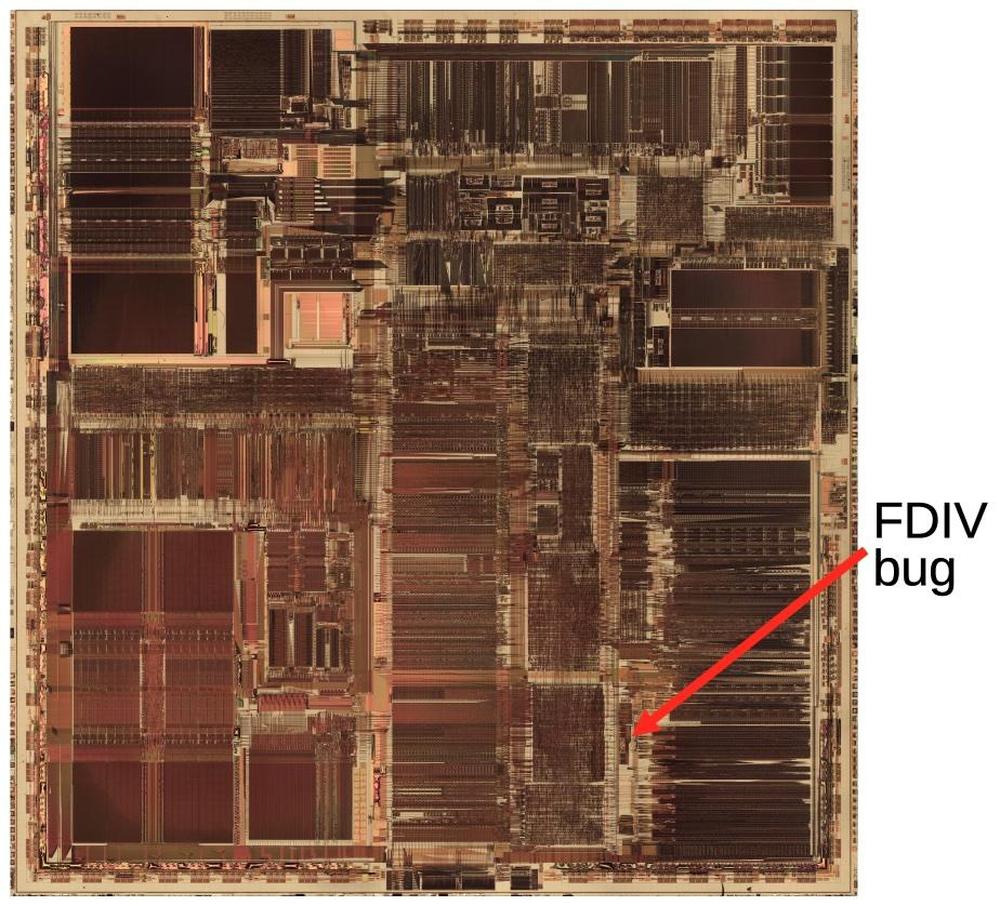
In 1993, Intel released the high-performance Pentium processor, the start of the long-running Pentium line. The Pentium had many improvement...

Large Language Models (LLMs) have become a cornerstone of artificial intelligence, driving advancements in natural language processing and decision-making tasks. However, their extensive power demands, resulting from high computational overhead and frequent external memory…

A loop buffer sits at a CPU's frontend, where it holds a small number of previously fetched instructions.
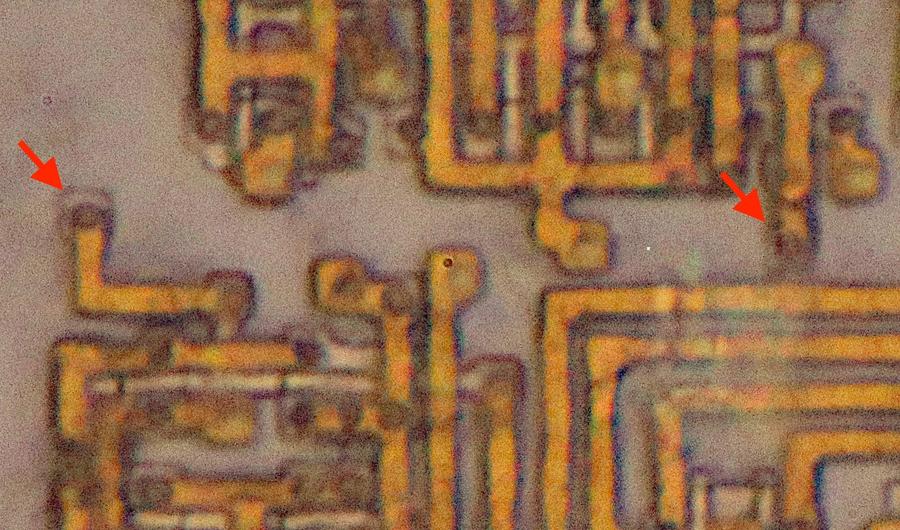
I was studying the silicon die of the Pentium processor and noticed some puzzling structures where signal lines were connected to the silico...

eBook: Pre-requisites for successful high-performance electronic system design.
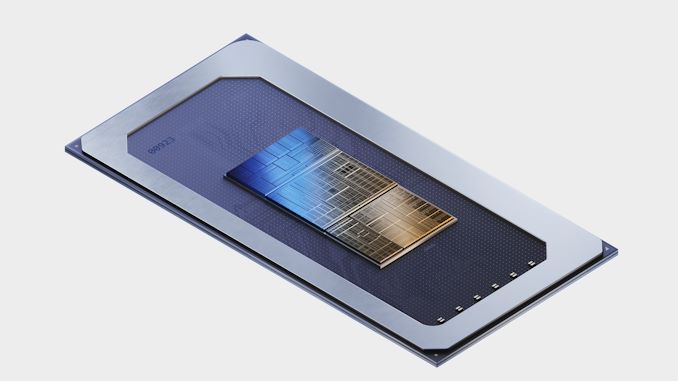

There are many chip partitioning and placement tradeoffs when comparing top-tier smartphone processor designs.
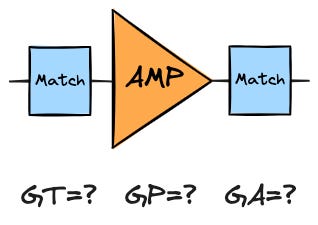
Transducer, Unilateral, Available and Power Gain; what they mean and how to calculate them.
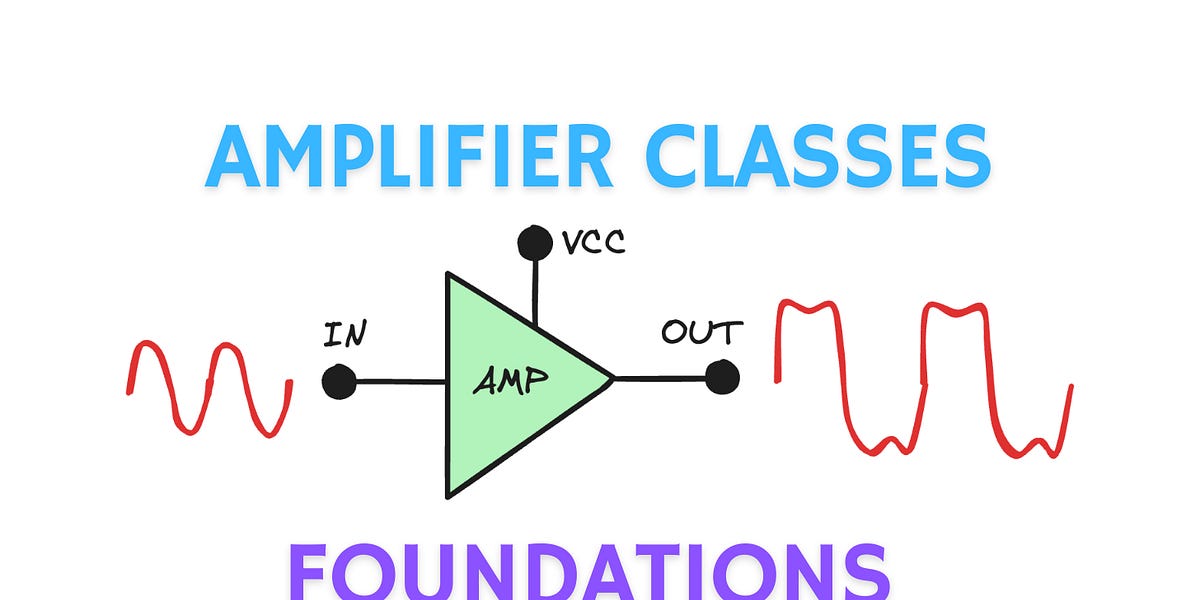
Basic concepts required to understand classes of operation in power amplifiers.

Also known as the source follower, the common-drain amplifier is notable for its low output impedance. This article introduces the basic common-drain configuration and examines its large-signal characteristics.
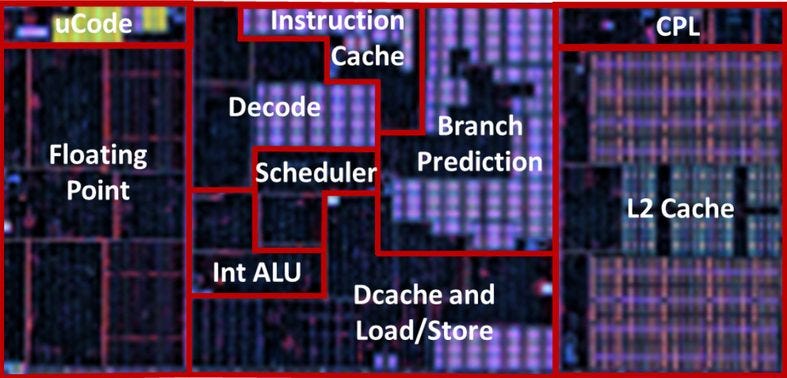
When I recently interviewed Mike Clark, he told me, “…you’ll see the actual foundational lift play out in the future on Zen 6, even though it was really Zen 5 that set the table for that.” And at that same Zen 5 architecture event, AMD’s Chief Technology Officer Mark Papermaster…

Chip Creation Made Simple
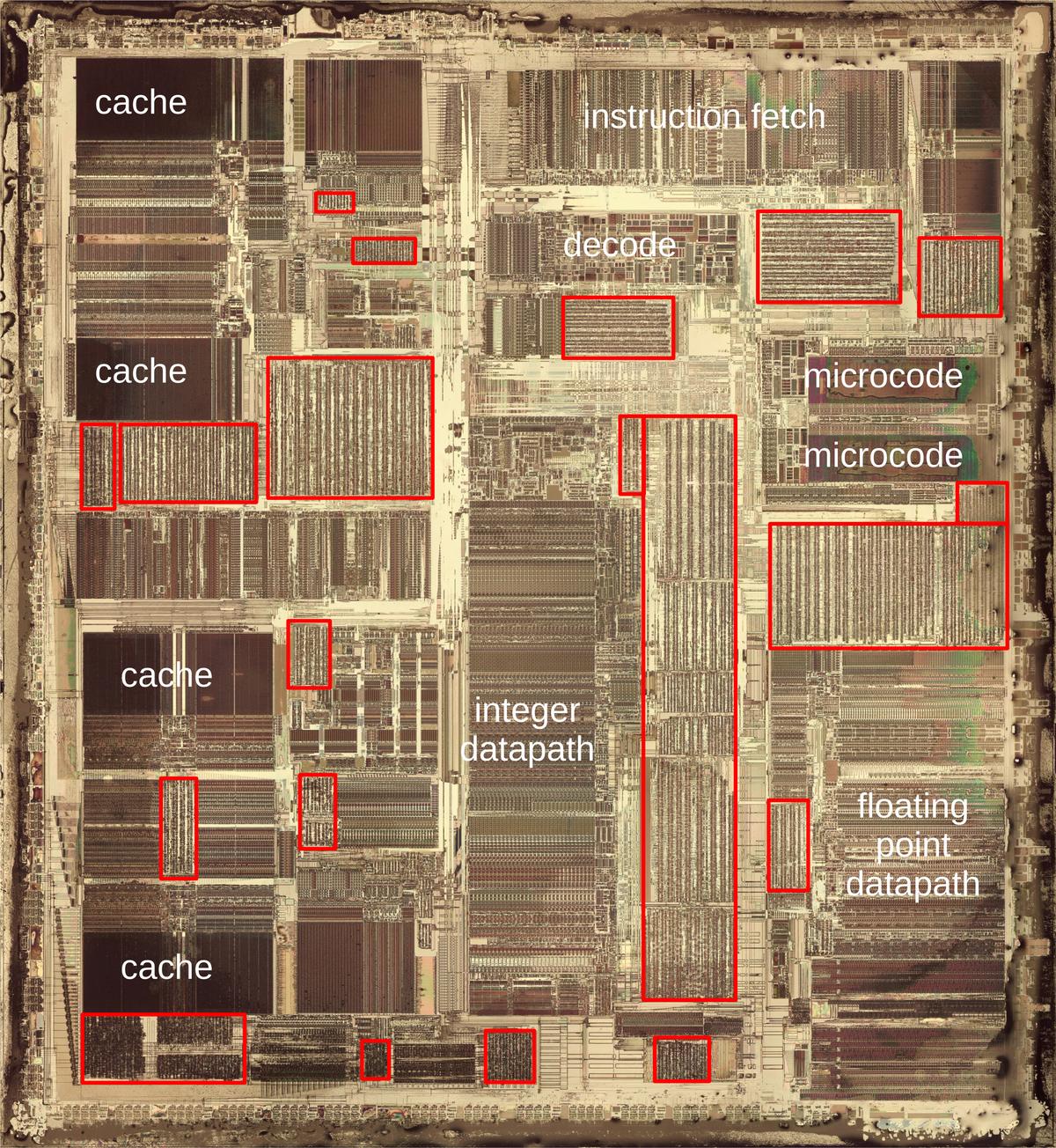
Intel released the powerful Pentium processor in 1993, a chip to "separate the really power-hungry folks from ordinary mortals." The origin...