The KV Cache Compression Race: TurboQuant vs OSCAR vs EpiCache - MarkTechPost
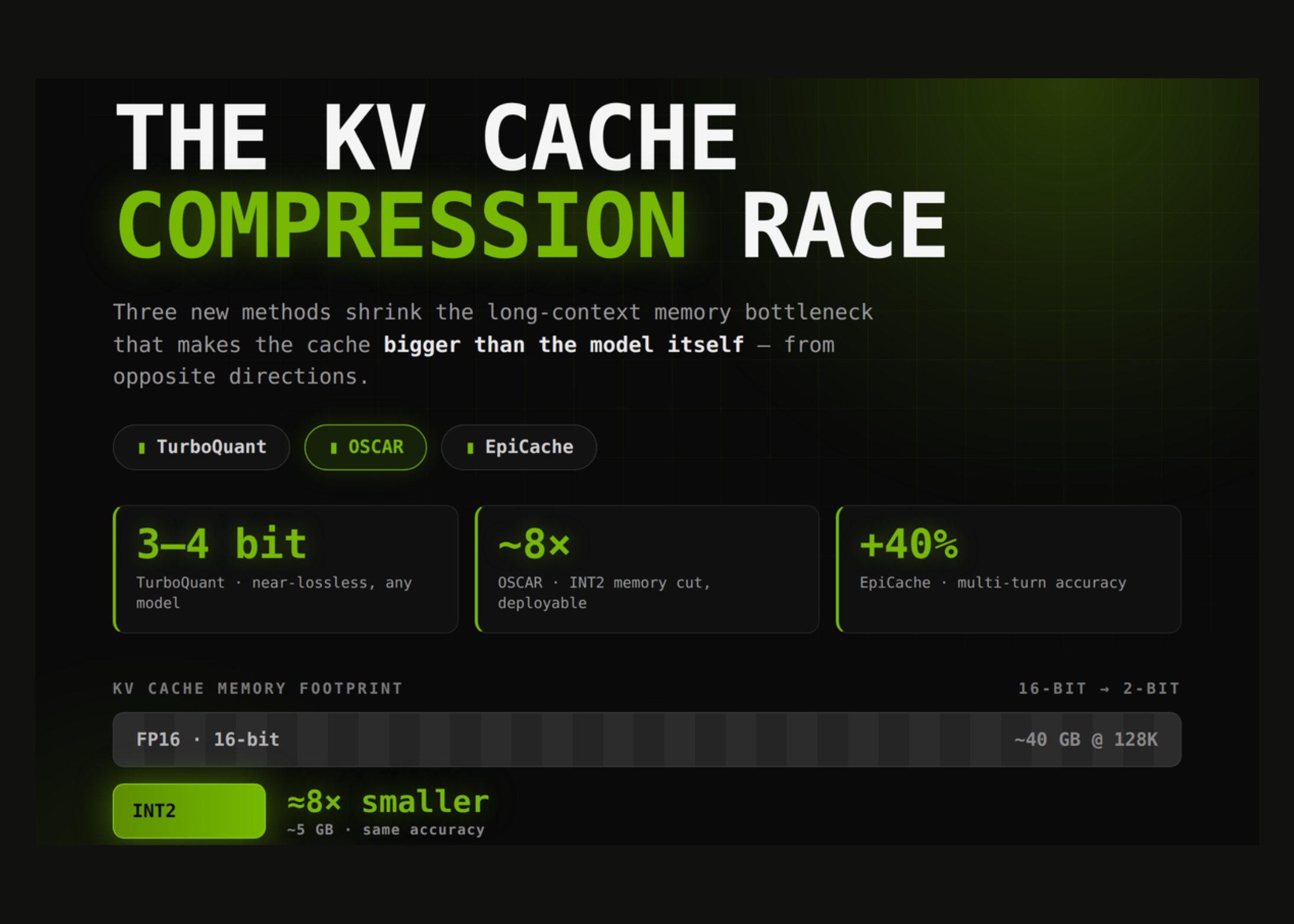
Compare TurboQuant, OSCAR, and EpiCache: three 2026 methods compressing the LLM KV cache to cut long-context memory cost
Compare TurboQuant, OSCAR, and EpiCache: three 2026 methods compressing the LLM KV cache to cut long-context memory cost

Chinese AI lab Z.ai released GLM-5.2 to their coding plan subscribers on June 13th, and then yesterday (June 16th) released the full open weights under an MIT license. Similar in …
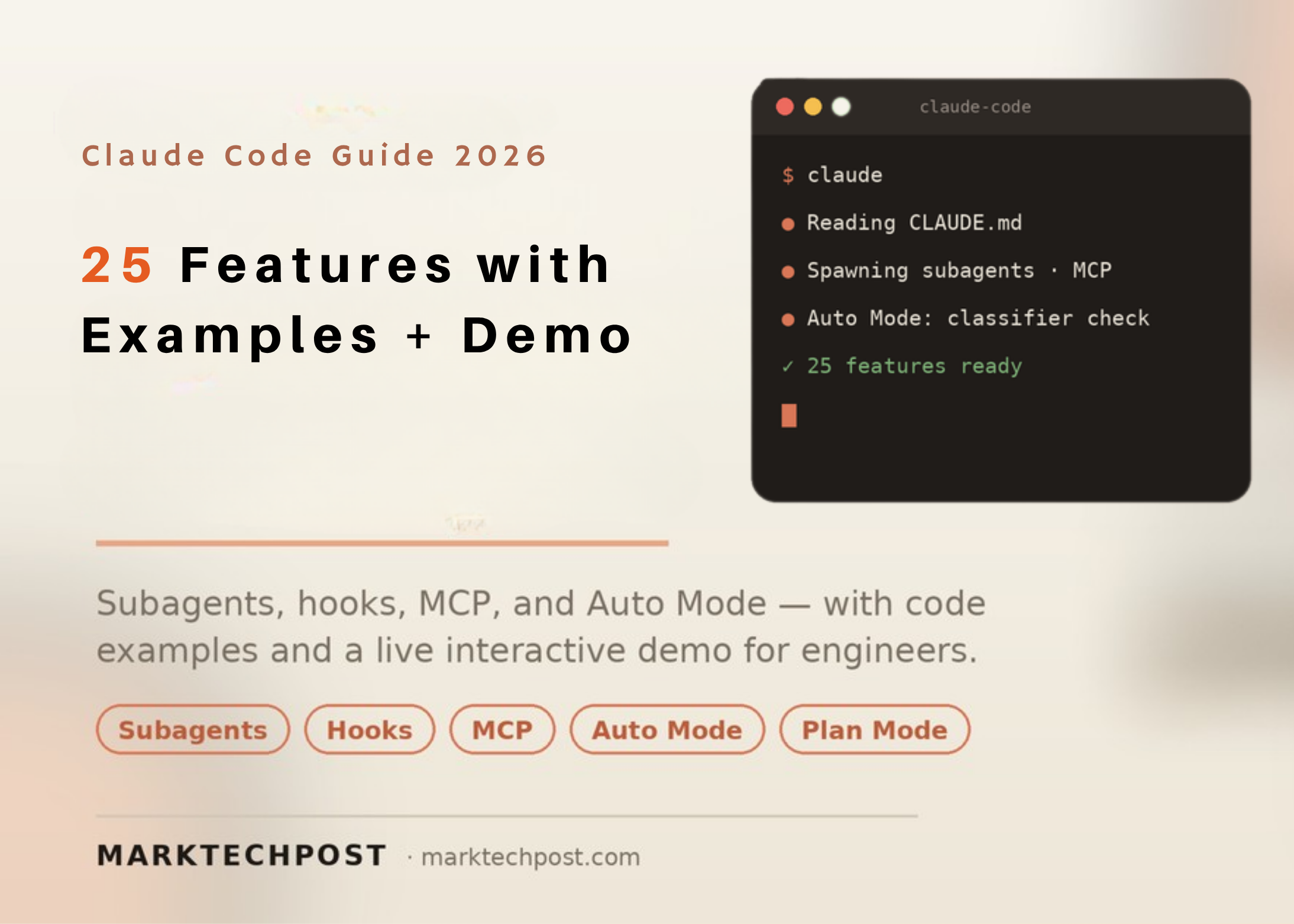
Claude Code explained: 25 features and strategies, including subagents, hooks, MCP, and Auto Mode, with examples and demo.
Skills
CLAUDE.md

Sapient researchers trained a 1B reasoning model on just 40B tokens — scoring competitively with 2B-7B models at a fraction of typical pretraining cost.

Today we’re launching Claude Fable 5: a Mythos-class model that we’ve made safe for general use.
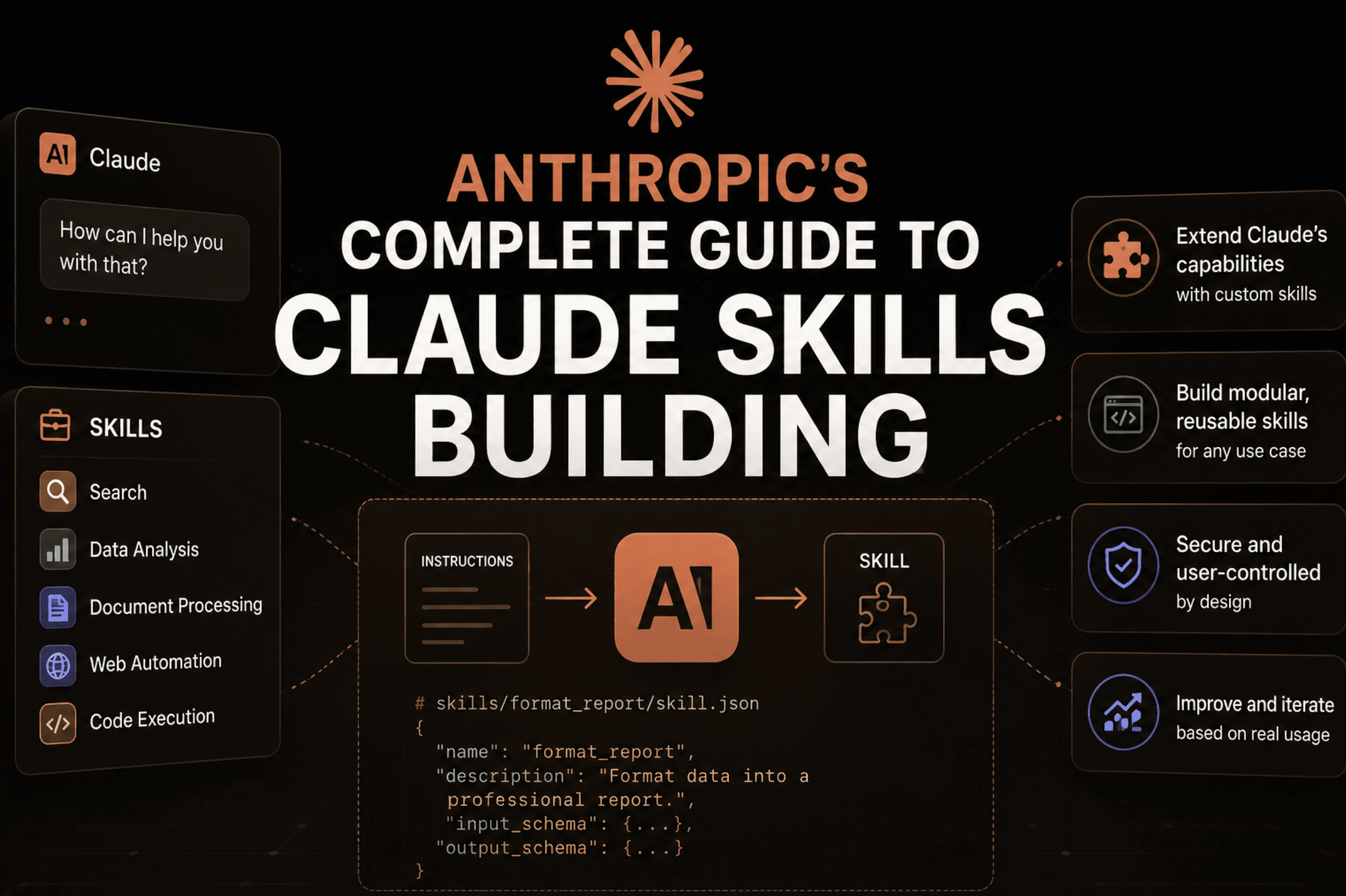
This guide covers the complete picture: what skills are technically, how to plan and design them, the exact file structure and naming rules, how to write instructions that Claude follows reliably, a complete working skill built from scratch, how to test and distribute, and what…
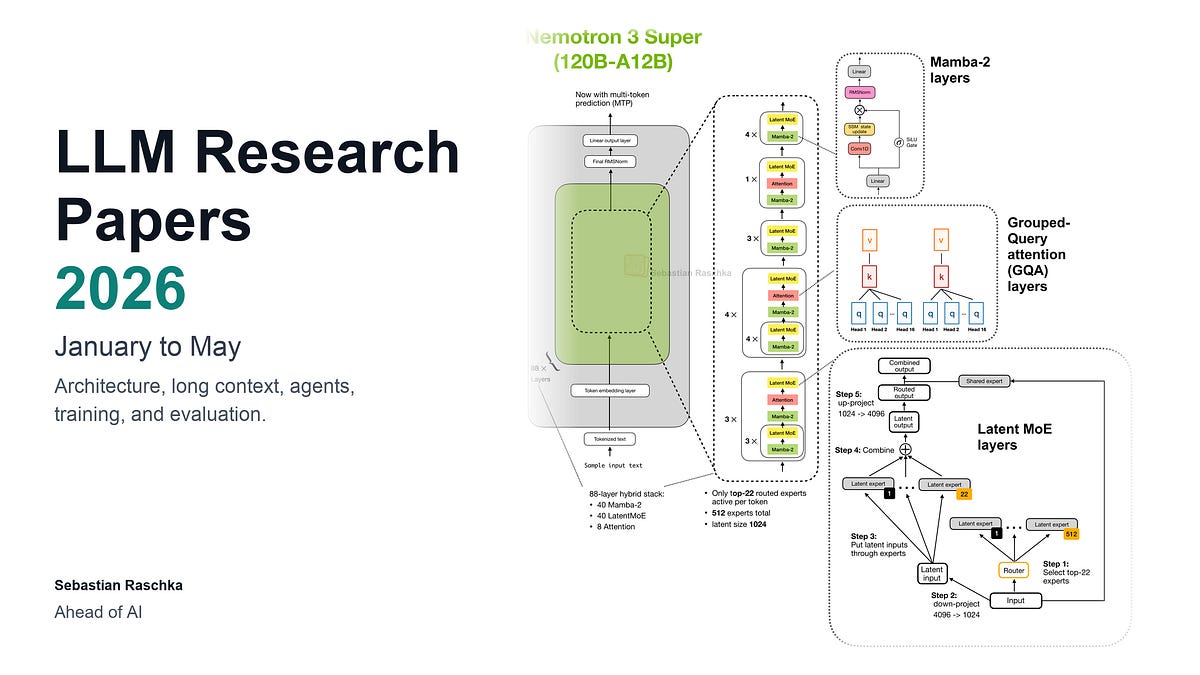
A January-May 2026 list of notable LLM research papers, covering new models, training methods, agents, reasoning, and efficiency improvements.

In this article, I’ll go over the open-source LLMs you should know and when to use them. All Open-Source LLMs to know.

Conversations, turns, rounds, tools, agents and more!

According to benchmark platform Artificial Analysis, Nvidia's new Nemotron 3 Ultra is the most capable open AI model from the US to date.
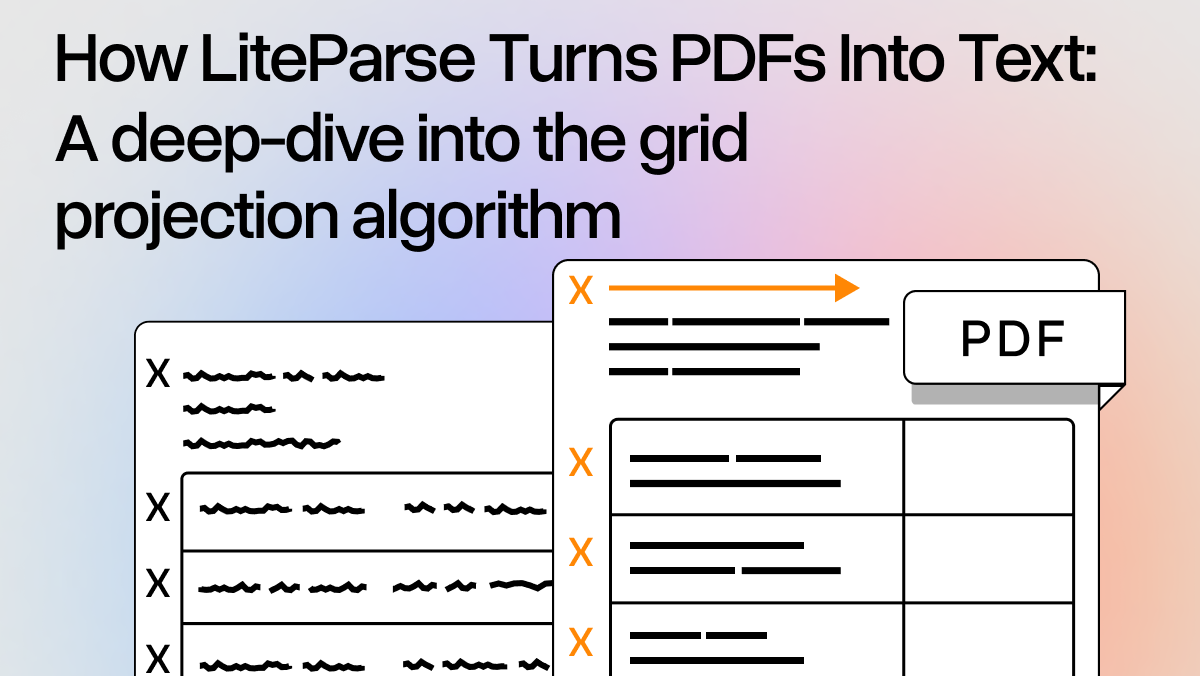
A deep dive into LiteParse's grid projection algorithm — how it extracts text from PDFs while preserving tables, columns, and alignment. Open source.
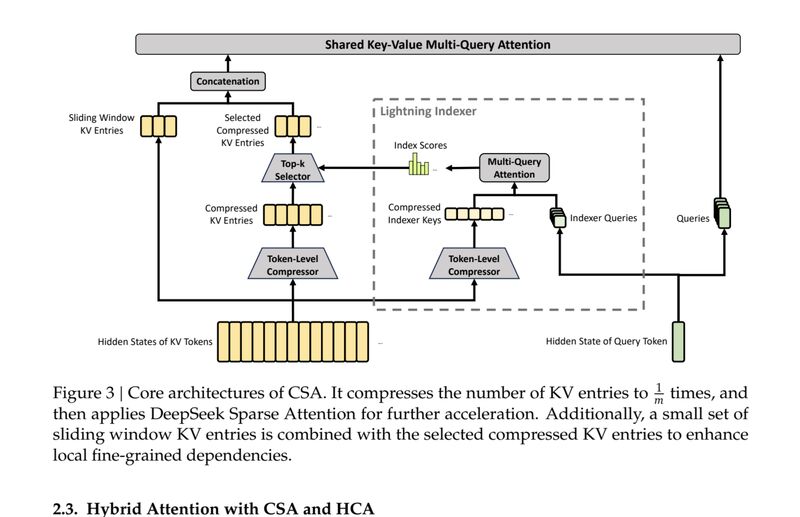
DeepSeek V4 runs a million-token context at a quarter of V3.2's compute and a tenth of its KV cache. The trick is two new attention kernels it shipped, CSA and HCA. Here's how they work: At a million tokens, two things explode: the KV cache grows linearly with the sequence, and…
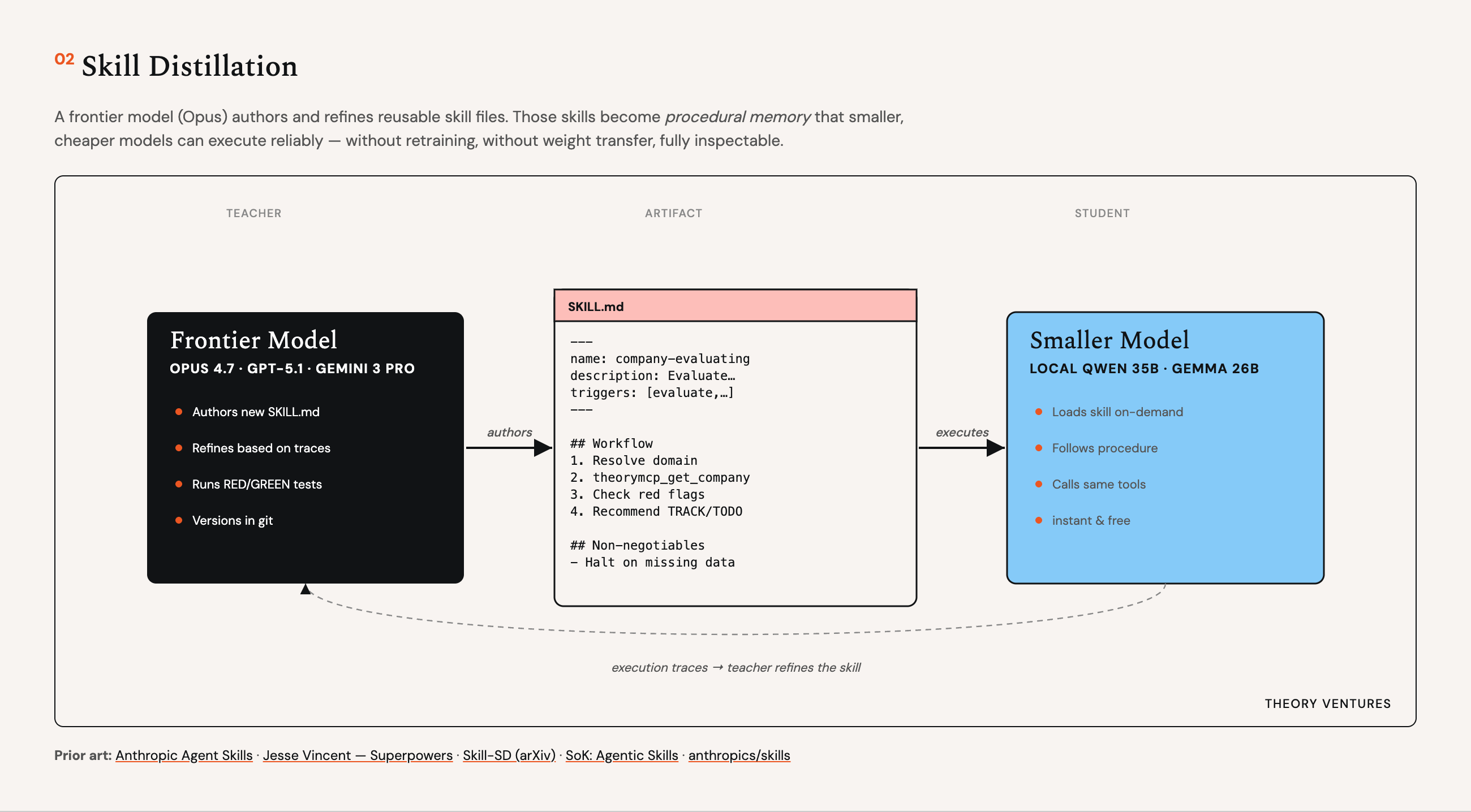
"How a personal AI agent built on markdown skills lets a frontier model teach smaller, local models to do real work, without retraining."

If Claude keeps writing beige, the problem is probably the brand rules you never gave it. Train AI on your voice, tone, visuals, and style.

A deep dive into Claude Code for daily users. Covers the .claude directory, CLAUDE.md the way Boris writes it, CLAUDE.local.md, Skills with real examples, custom subagents, plugins, underused commands like /goal and /insights, MCPs, and the workflow patterns the Anthropic team…
The daily driver uses it like a programmable agent with memory, custom commands, parallel sessions, and a project setup that compounds over time
give Claude a way to verify its own work

A lot of people seem convinced that the point of AI coding is to write low-quality code as fast as possible. Spew out barely-passable slop, open massive PRs, and merge them unvetted. Ship it! But t…
A curated list of 100+ libraries and frameworks for AI engineers building with LLMs - Sumanth077/ai-engineering-toolkit
A single CLAUDE.md file to improve Claude Code behavior, derived from Andrej Karpathy's observations on LLM coding pitfalls. - multica-ai/andrej-karpathy-skills
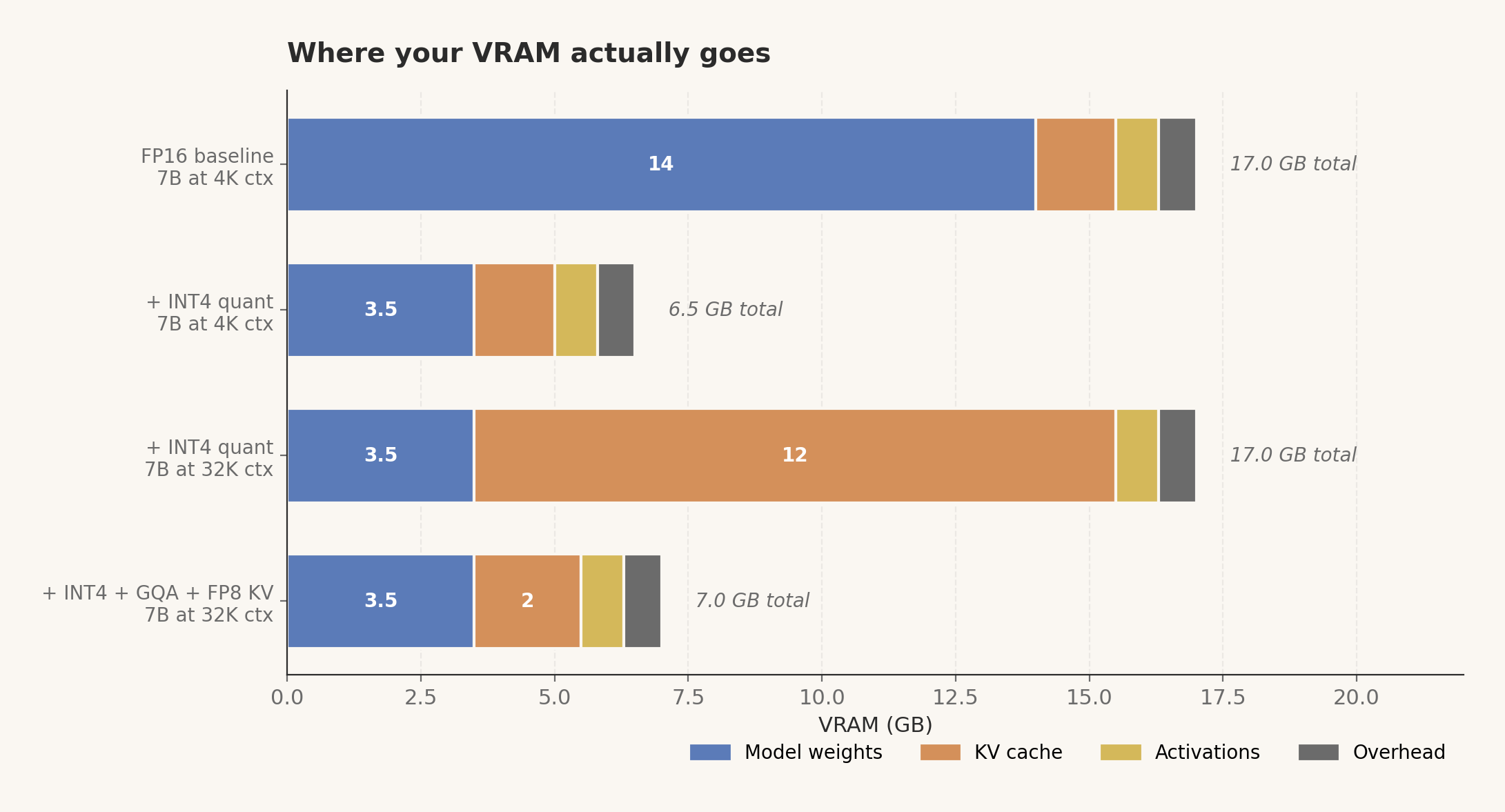
The Practical Guide to LLM Inference on Consumer Hardware A practical walk through quantization, KV caches, Flash Attention, Mamba, MoE, and the runtimes that tie it all together — without the …
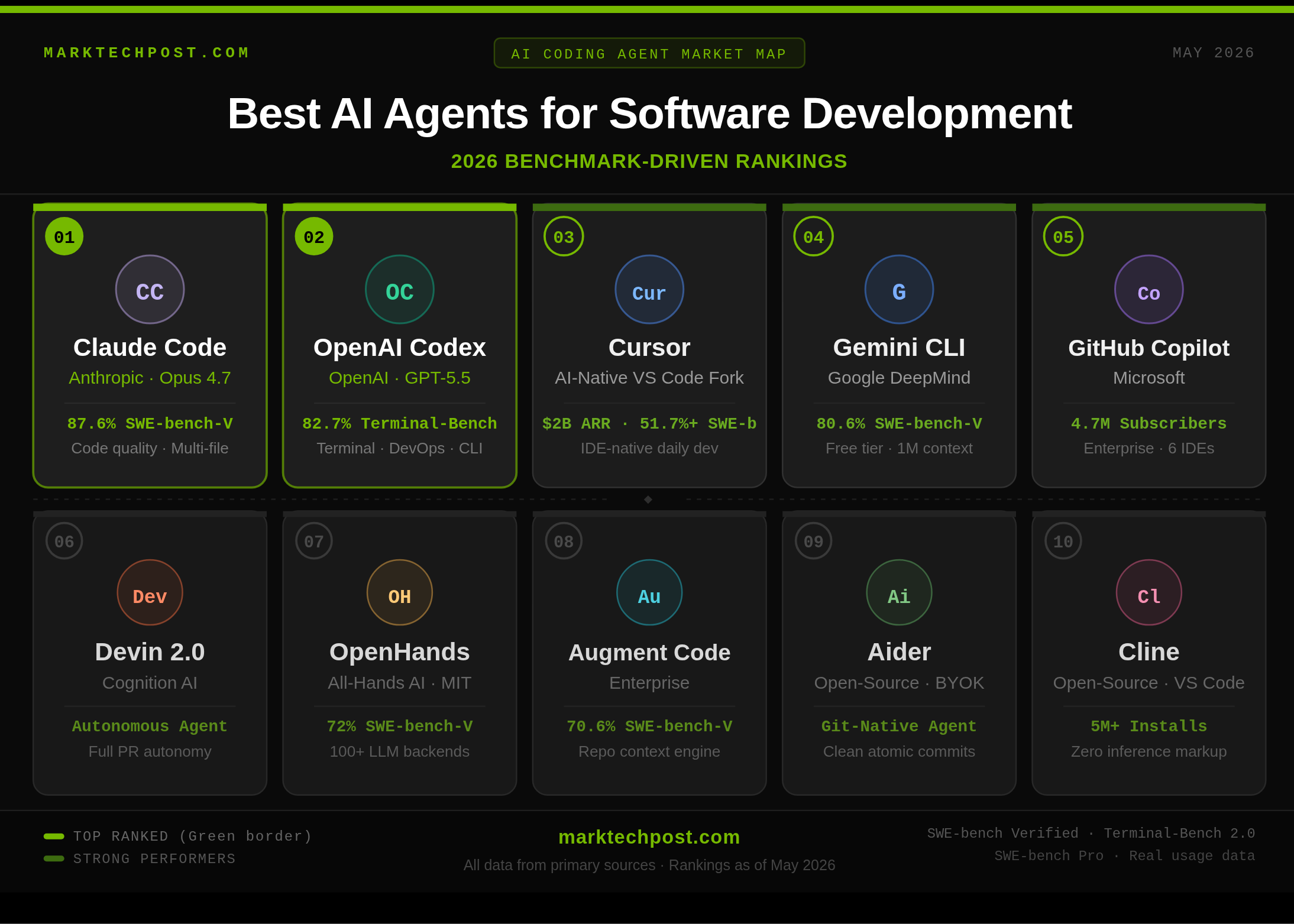
The AI coding agent field in 2026 is more capable, more fragmented, and harder to benchmark than it looks. Claude Code leads on code quality at 87.6% SWE-bench Verified. GPT-5.5 tops Terminal-Bench at 82.7%. But the benchmark OpenAI itself declared contaminated in February 2026…
SWE-bench
stopped reporting SWE-bench Verified

Alibaba's Qwen3.7-Max is a reasoning agent model with a 1M-token context window, scoring 56.6 on the Artificial Analysis Intelligence Index.
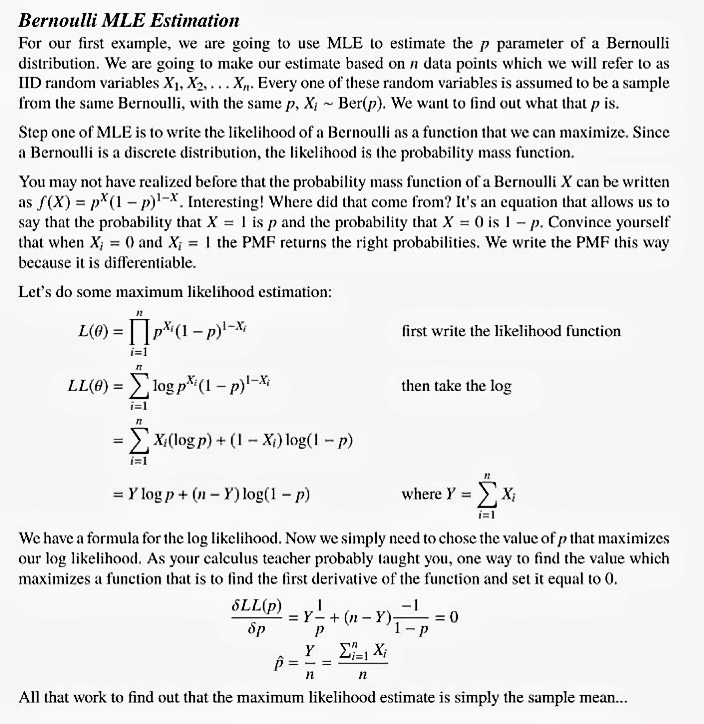
Maximum Likelihood Estimation is the quiet engine underneath almost everything in ML, DL, and RL. Most people learn it once in a stats class and move on. They shouldn't. It's not just a parameter-fitting trick — it's the philosophical foundation of why our models work at all…

Estimate the Average Treatment Effect in Python using DoWhy with regression and propensity score matching on real data.

llm-wiki. GitHub Gist: instantly share code, notes, and snippets.

Learn how to build and test causal inference models in Python using the DoWhy library.

Vitalik Buterin said mathematically verified software may help protect cryptographic infrastructures as AI improves both code generation and vulnerability discovery.
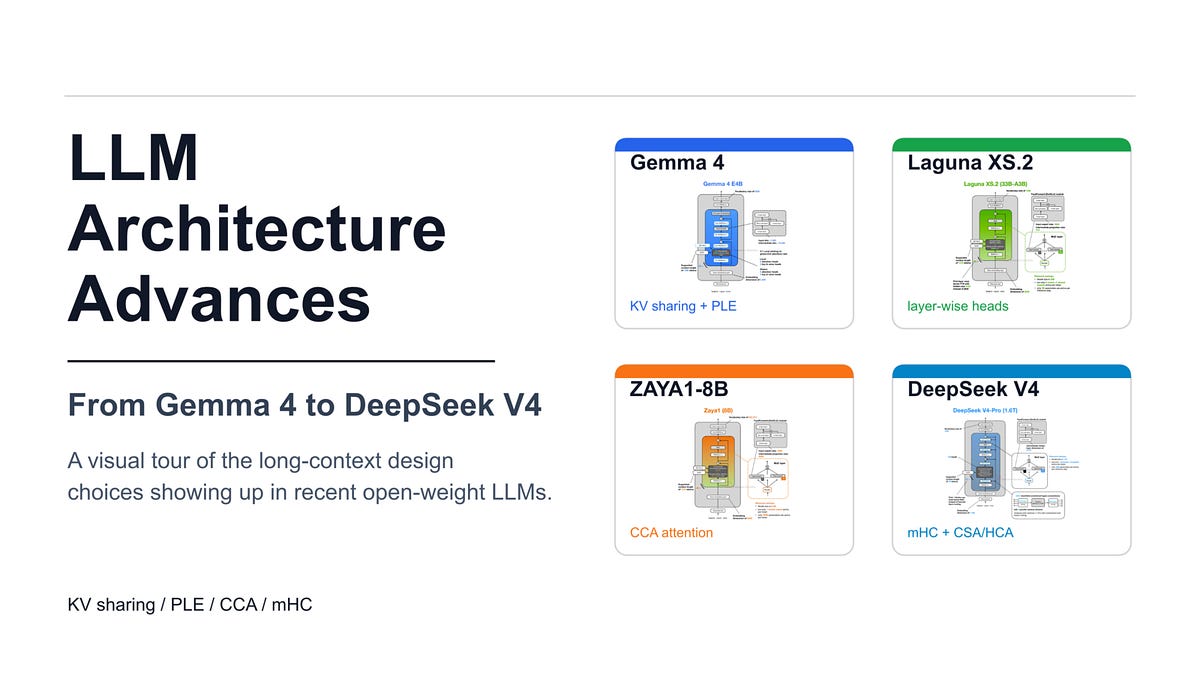
From Gemma 4 to DeepSeek V4, How New Open-Weight LLMs Are Reducing Long-Context Costs

In recent weeks, we pointed Mythos and other security-focused LLMs at live code across critical parts of our infrastructure. We share what we observed, the models’ strengths and weaknesses, and what the work around them needs to look like before any of it can scale.
6 Open-Source Libraries to FineTune LLMs 1. Unsloth GitHub: https://lnkd.in/gQvPWVFb → Fastest way to fine-tune LLMs locally → Optimized for low VRAM (even laptops) → Plug-and-play with Hugging Face models 2. Axolotl GitHub: https://lnkd.in/g34kuExT → Flexible LLM fine-tuning…
From Gemma 4 to DeepSeek V4, How New Open-Weight LLMs Are Reducing Long-Context Costs
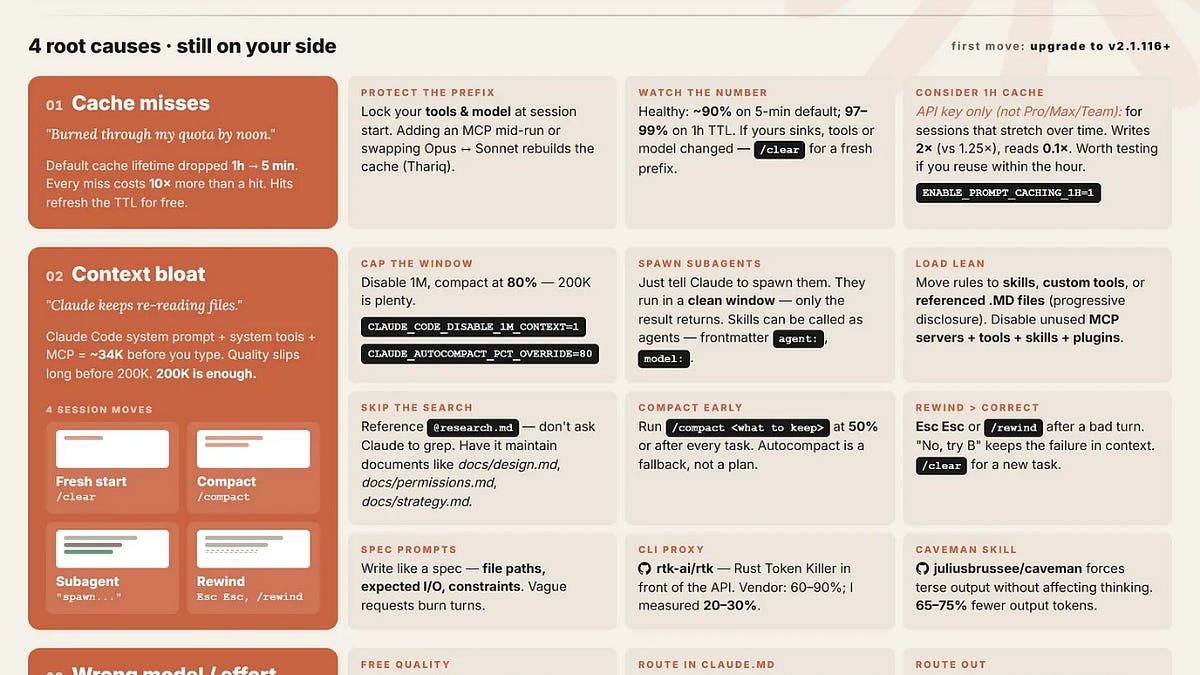
From $1,389/mo to $200/mo on the same workflow. Anthropic fixed 3 bugs. The 4 root causes still on your side — with copy-paste templates.
Learn how to put Large Language Model-based applications into production safely and efficiently.

By default, general purpose LLMs are not optimized for specific domains and business goals. Using techniques like specialized fine-tuning, pruning unnecessary neural components, and knowledge distillation, you can rearchitect your models to cost less, run faster, and deliver…

AI IQ ranks frontier AI models like ChatGPT, Claude and Gemini on the human IQ scale, sparking debate over how artificial intelligence should be measured.


Learn how understanding LLM distillation techniques improves model training through innovative teacher-student approaches.
n this article, we will explore three major approaches used for training one LLM using another:
Explore this post and more from the ClaudeAI community

Subquadratic has launched a new AI architecture featuring a 12-million-token context window that outperforms GPT-5.5 on retrieval benchmarks.

In this guide, I’ll show you how to build a Text-to-SQL app that takes your questions and uses AI to translate them.
In this article, I’ll show you how to turn any CSV file into an AI chatbot using Python. Turn Any CSV into an AI Chatbot with Python.

Anthropic has launched “dreaming” for AI agents, giving Claude new self-improving tools designed to boost enterprise automation, reliability, and scale.

Miami startup Subquadratic says its SubQ model could make AI 1,000 times more efficient and handle 12 million tokens, but researchers remain divided over whether the breakthrough is real.

Learning to use LlamaIndex for RAG apps isn’t just about memorizing APIs. It’s about understanding how data moves through the system.
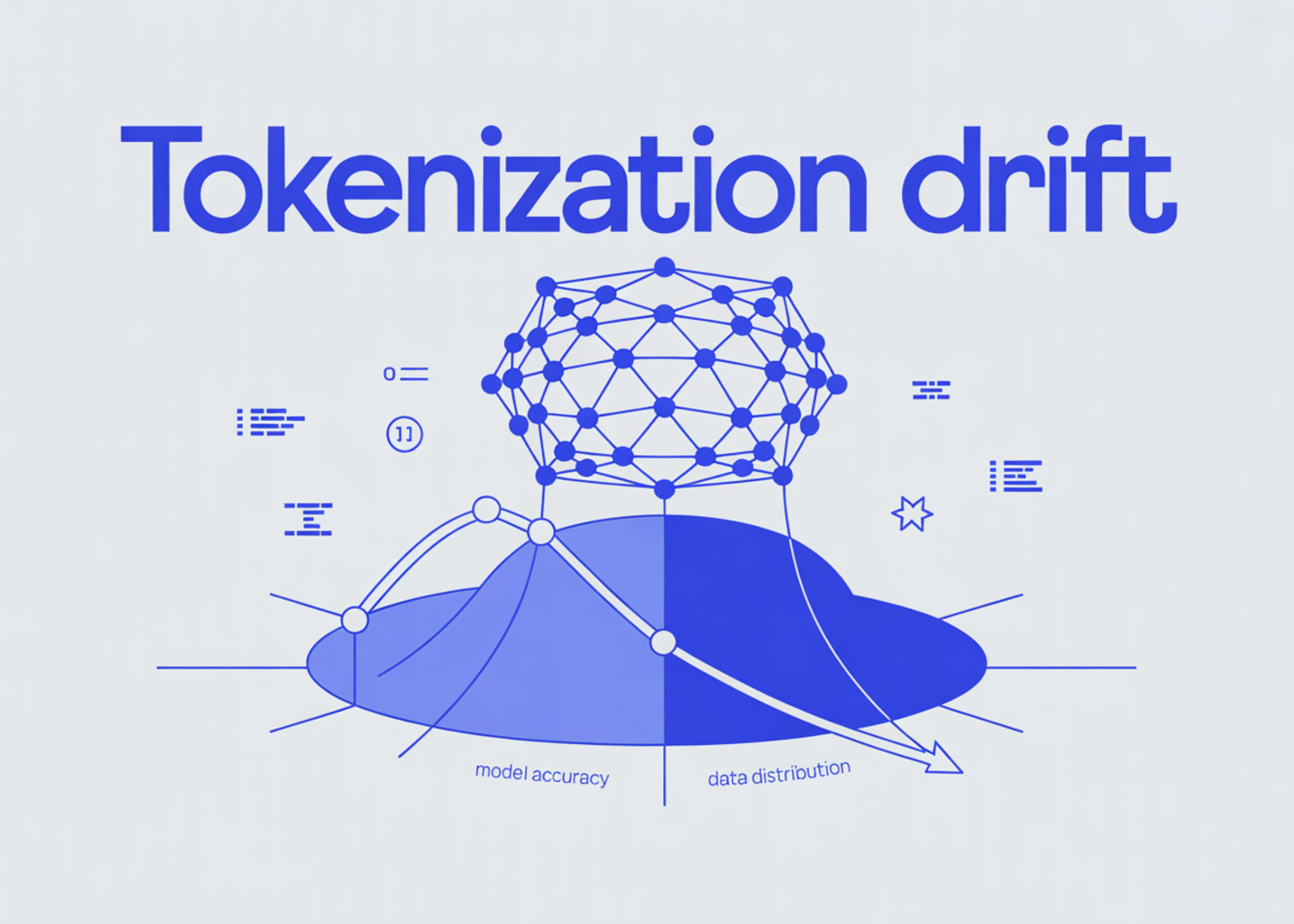
Analyzing Tokenization Drift: Using Token Overlap Metrics to Identify Out-of-Distribution Risks and Optimizing Prompts
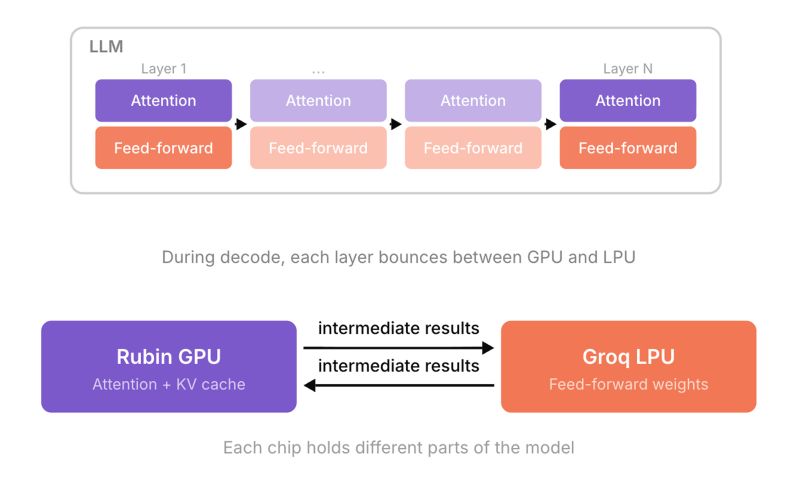
why did NVIDIA cancel the Rubin CPX and replace it with a Groq LPU? LLM inference has two phases. prefill processes the whole prompt at once and is compute-bound. decode generates one token at a time and is memory-bound, reading the full model weights and KV cache for every…
LlamaIndex CEO Jerry Liu argues the framework era is over: agent loops are now capable enough that context quality is the real competitive edge.
LlamaIndex
RAG

Two Open-Weight Models. Eight Chip Families. One Frontier Co-Engineered for Non-Nvidia Silicon. The Stack Was the Moat. Now It Has a Fork.

Disaggregated inference started as a software technique for splitting prefill and decode onto separate GPU pools. NVIDIA, Groq, Cerebras, and AWS are now taking it further with chips purpose-built for each phase.
prefill-decode disaggregation
production LLM serving
Learn the top Python frameworks for LLM apps covering fine-tuning, model loading, serving, RAG pipelines, multi-agent systems, and evaluation.